

Seabirds New Zealand is a premier location for seabirds
Seen from the sea, New Zealand reveals a different face. Rugged headlands, sweeping beaches and towering cliffs take on new character with every change in light and weather. Sharing these waters with albatross, dolphins, seals, penguins and whales has made every voyage a reminder of the richness and beauty of our marine world.
My many journeys with Albatross Encounter have been among the most memorable photographic experiences I have enjoyed. Every trip begins with a sense of anticipation because, on the sea, you never know what you are going to encounter.
Of all the seabirds I have photographed, the albatross and mollymawk have captivated me the most. Their effortless flight is made possible by a technique known as dynamic soaring. They descend into the trough between the waves to gather speed, then rise on the stronger winds above the crests before repeating the process. It is a masterpiece of efficiency, perfectly adapted to life on the Southern Ocean.
Ironically, the calm seas that make for a comfortable voyage for us can frustrate these magnificent birds. Without the wind, their graceful soaring gives way to hard work—a reminder that what we often consider ideal conditions are not necessarily ideal for the wildlife that calls the ocean home.
For readers seeking more about New Zealand bird species, visit the Department of Conservation and New Zealand Birds Online.
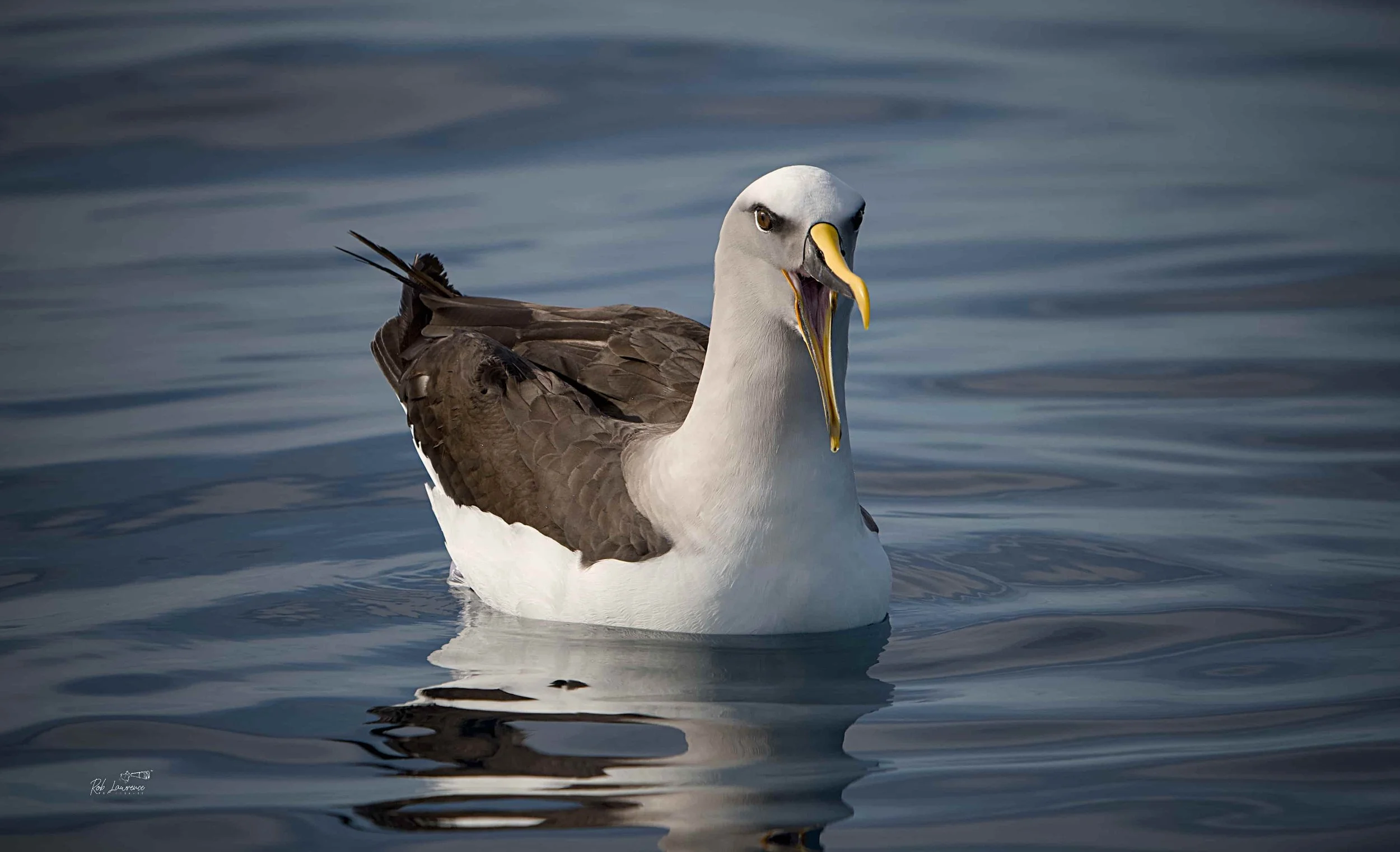
Buller's Mollymawk Thalassarche bulleri Buller's mollymawk is one of the most abundant and smallest albatross species found in New Zealand waters, occurring from Cook Strait southwards. It is easily recognised by its striking black-and-white plumage and distinctive black bill with golden-yellow stripes. There are two recognised subspecies, which differ in bill size and colour, as well as subtle variations in the plumage of the head. The southern subspecies is unusual in that it nests beneath dense woody vegetation, with breeding adults sometimes walking up to 100 metres from the sea to reach their nests. All known breeding colonies are free of introduced mammalian predators. However, Buller's mollymawk remains one of the albatross species most frequently killed in New Zealand fisheries, with demersal longline and trawl operations accounting for the majority of recorded deaths. Like all albatrosses, Buller's mollymawk is a master of soaring flight. Buller's mollymawk feeds mainly on fish, squid, krill, salps, and offal discarded from fishing vessels. Most food is taken from the ocean's surface This bird was photographed off Kaikoura on an Albatross Encounter trip
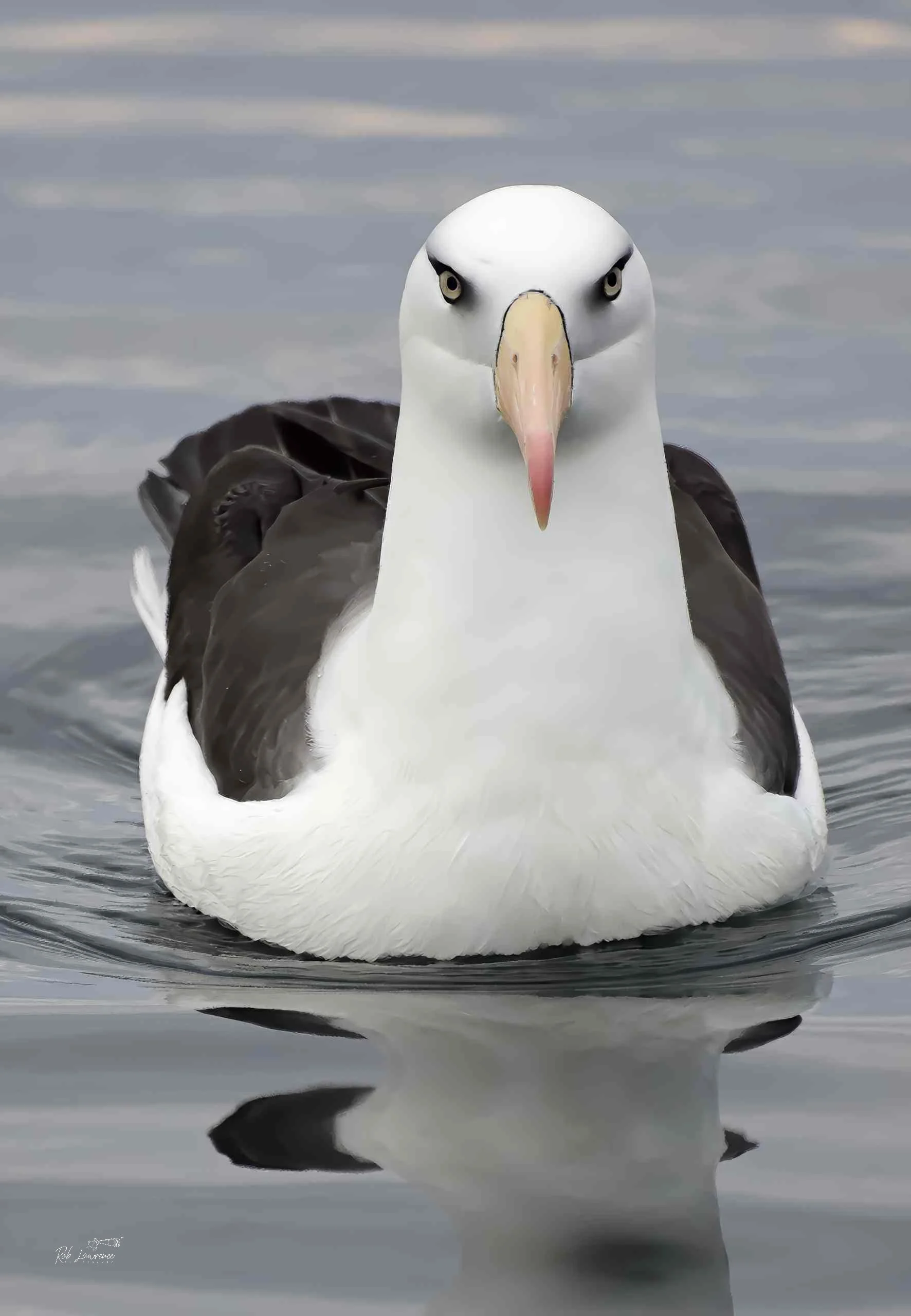
Campbell Island Mollymawk Thakassarche impavida The Campbell black-browed mollymawk is my favourite small albatross. It is characterised by its all-yellow to orange bill, pure white body, and distinctive black triangle around each eye, giving the bird the appearance of a permanent frown. A key feature that distinguishes it from the black-browed mollymawk is its pale-coloured eye, whereas the black-browed mollymawk has dark eyes. The species breeds only on Campbell Island and the nearby Isle de Jeanette Marie, where it nests on steep coastal cliffs. During summer it is found mainly south of Cook Strait, extending north to East Cape in autumn. Campbell black-browed mollymawks are well known for following ships and may remain alongside vessels for a day or more while scavenging fish waste and offal. They forage primarily over deep ocean waters exceeding 200 metres in depth. The breeding colonies are free of introduced mammalian predators, providing the species with secure nesting sites. Current threats are thought to be associated mainly with changes in food availability. Unlike several other albatross species, incidental capture in longline fisheries is relatively uncommon, although it still occurs occasionally.
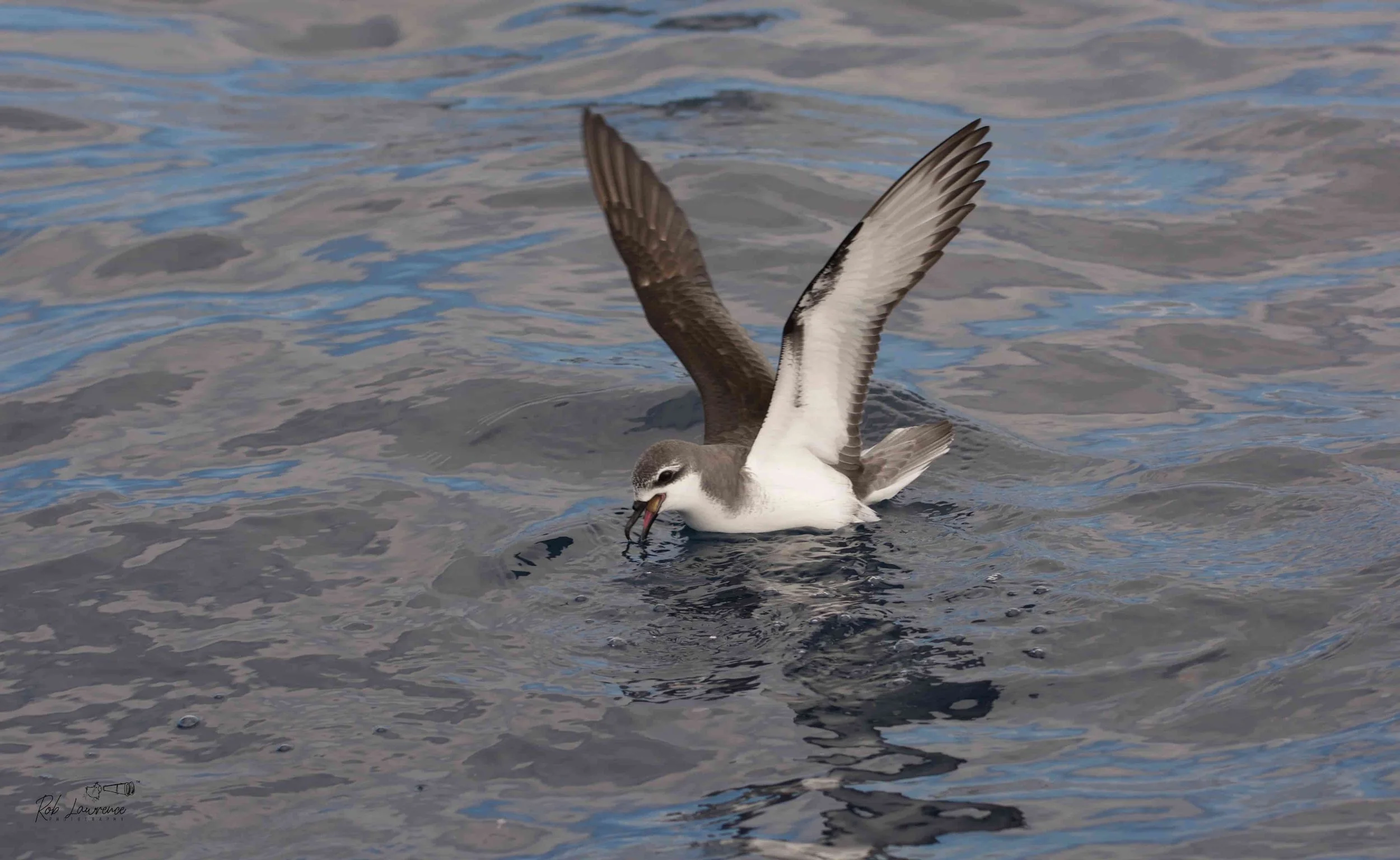
Cook's Petrel (tītī) Pterodroma cookii Cook's petrel is a small oceanic seabird that breeds only on Little Barrier Island (Hauturu), Great Barrier Island (Aotea), off the north-eastern North Island, and Codfish Island (Whenua Hou), near Stewart Island. During the breeding season, they are often seen in large flocks at sea, while at night their distinctive goat-like calls—described as kek-kek-kek or eh-eh-eh—echo around their nesting colonies. Once widespread, Cook's petrels nested on mountain tops and ranges throughout both the North and South Islands. Following the introduction of mammalian predators, their breeding range contracted dramatically, leaving them confined to just three predator-free island sanctuaries. They nest in long, twisting burrows and show a broad tolerance for a variety of forested nesting habitats. Cook's petrels are specialist pelagic foragers, spending almost their entire lives over the open ocean. They feed by picking prey from the sea surface, taking mainly small squid, along with fish and crustaceans. During the non-breeding season they undertake an extraordinary migration to the North Pacific, where they forage in the California Current system and the North Pacific Transition Zone. Introduced predators remain the greatest threat to Cook's petrels. Fortunately, intensive pest control and eradication programmes on their breeding islands have been highly successful, allowing populations to recover and increase steadily in recent years. This bird was photographed in there Haraki Gulf
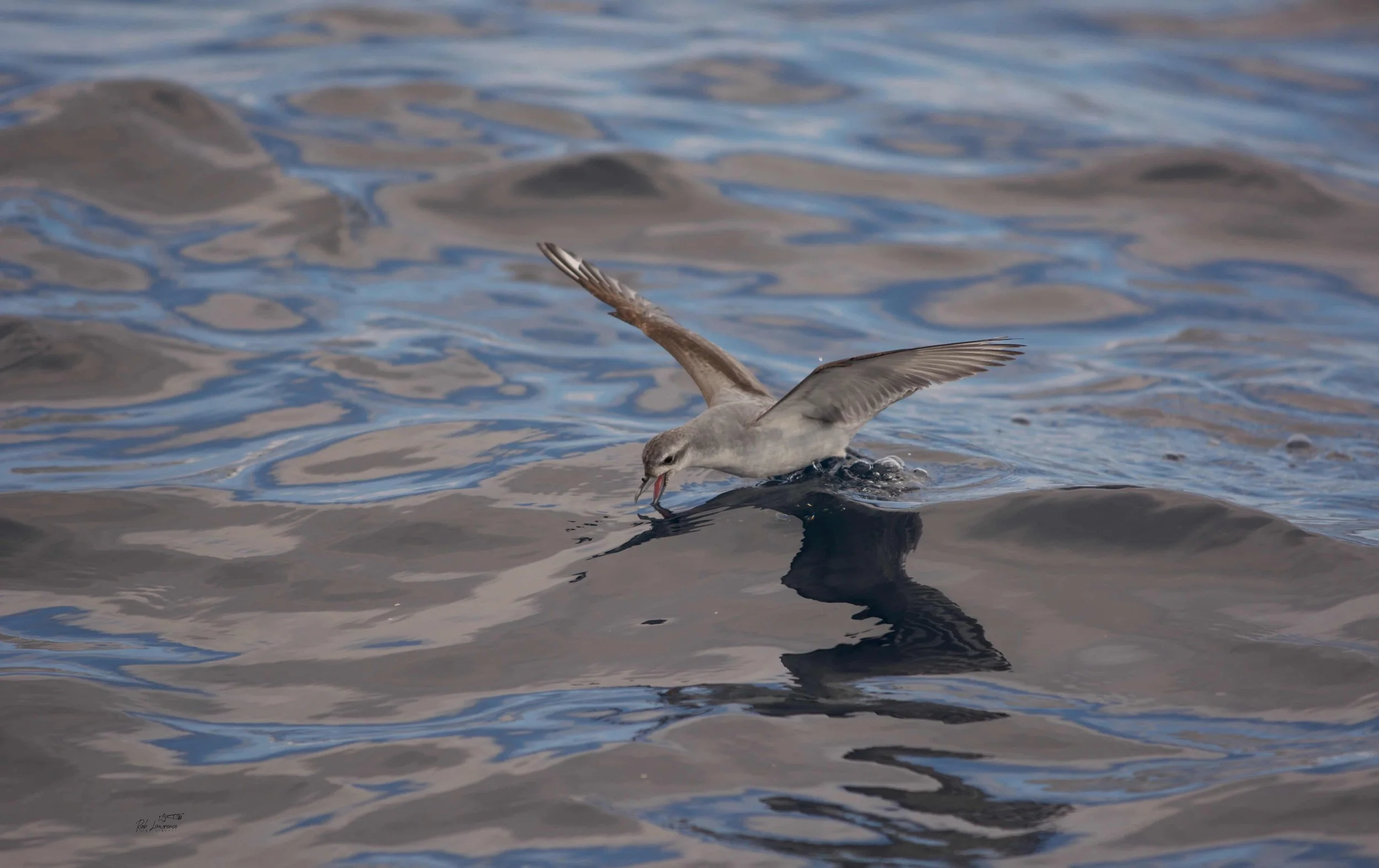
Fairy Prion (tītī wainui) Pachyptila turtur Feeding
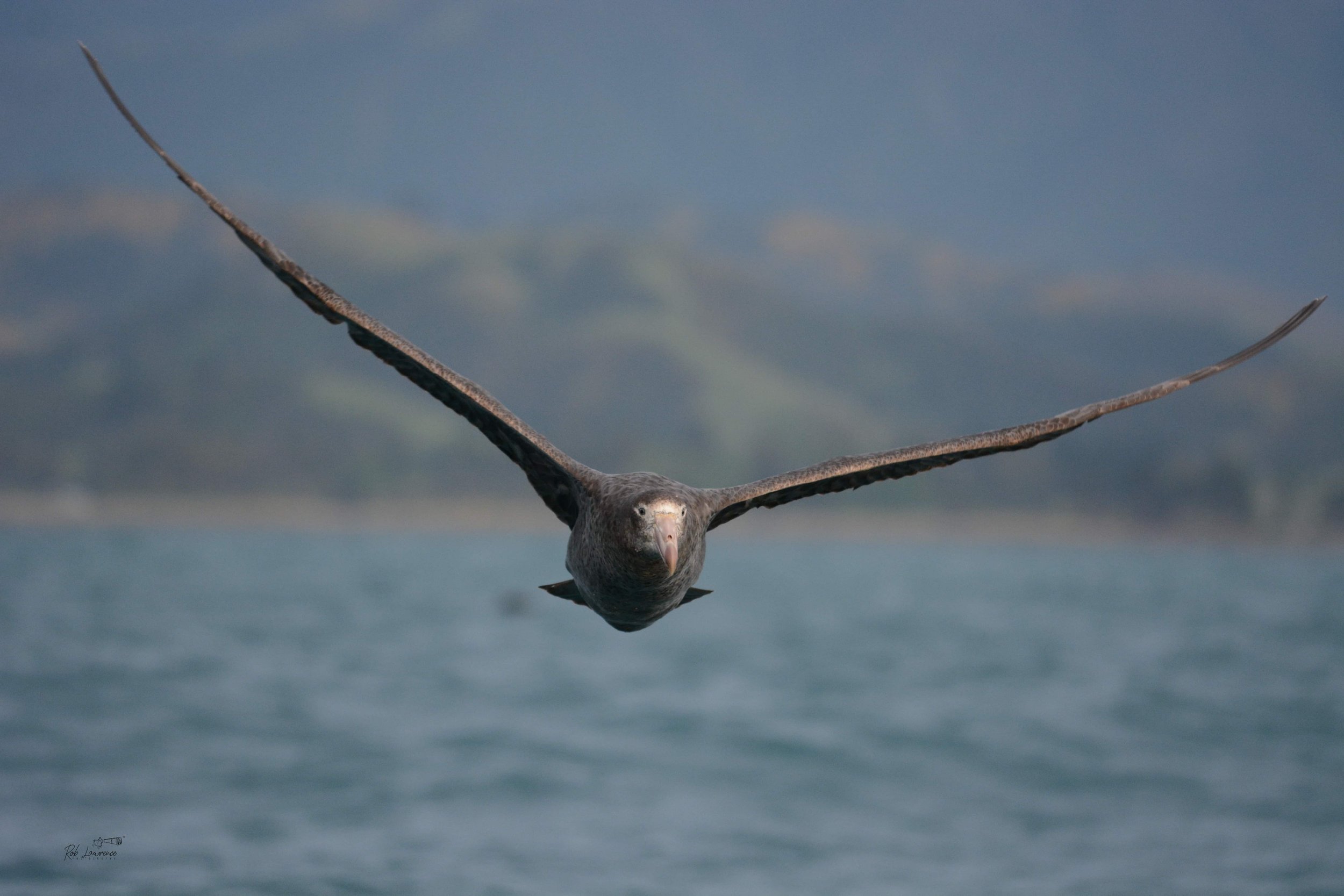
Giant Petrel (pāngurunguru) Macronectess giganteus Off Kaikoura
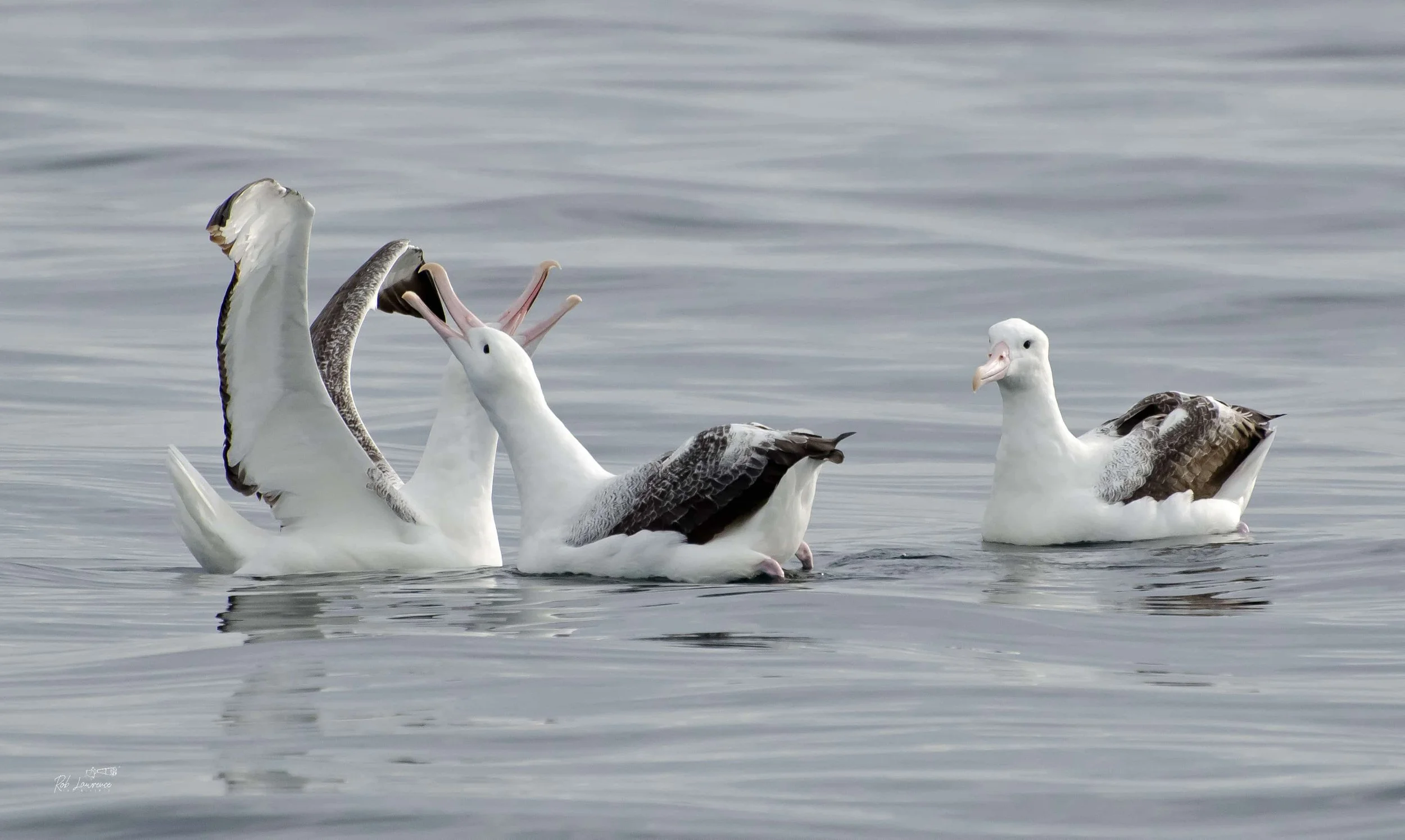
Group of Antipodean (Wandering) Albatross (toroa) Diomedea antipodensis
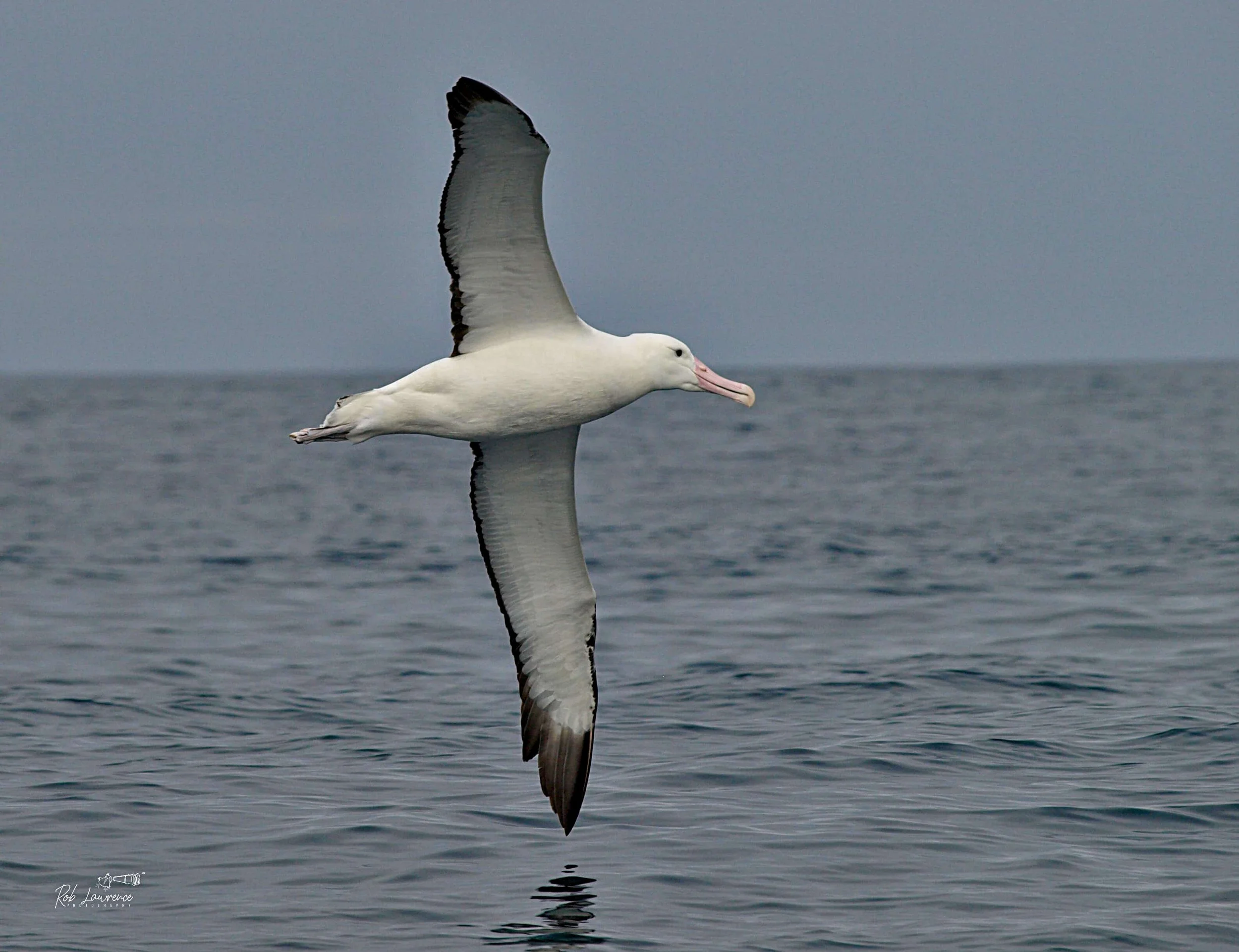
Southern Royal Albatross (toroa) Diomedea epomophora
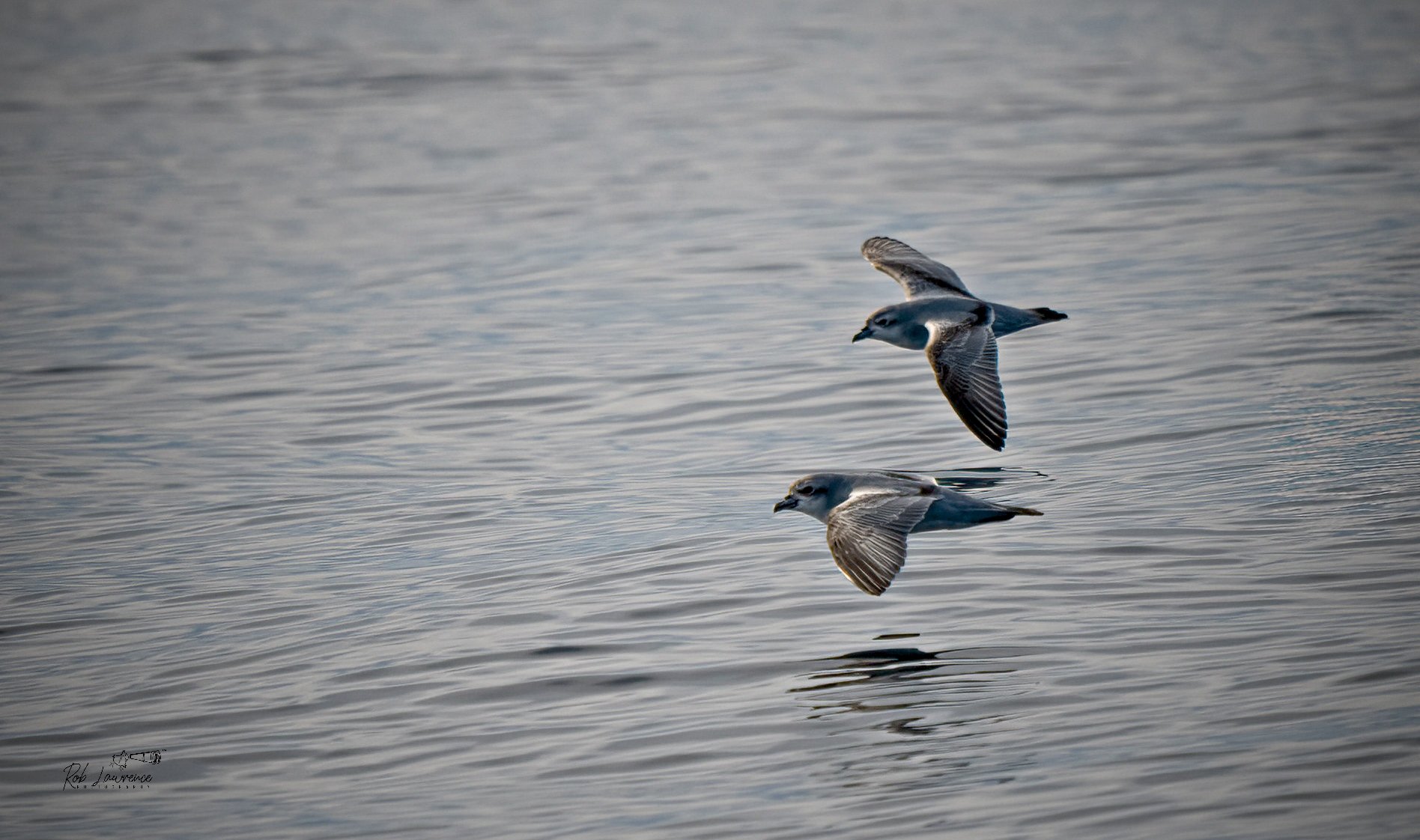
Fairy Prions (tītī wainui) Pachyptila desolata
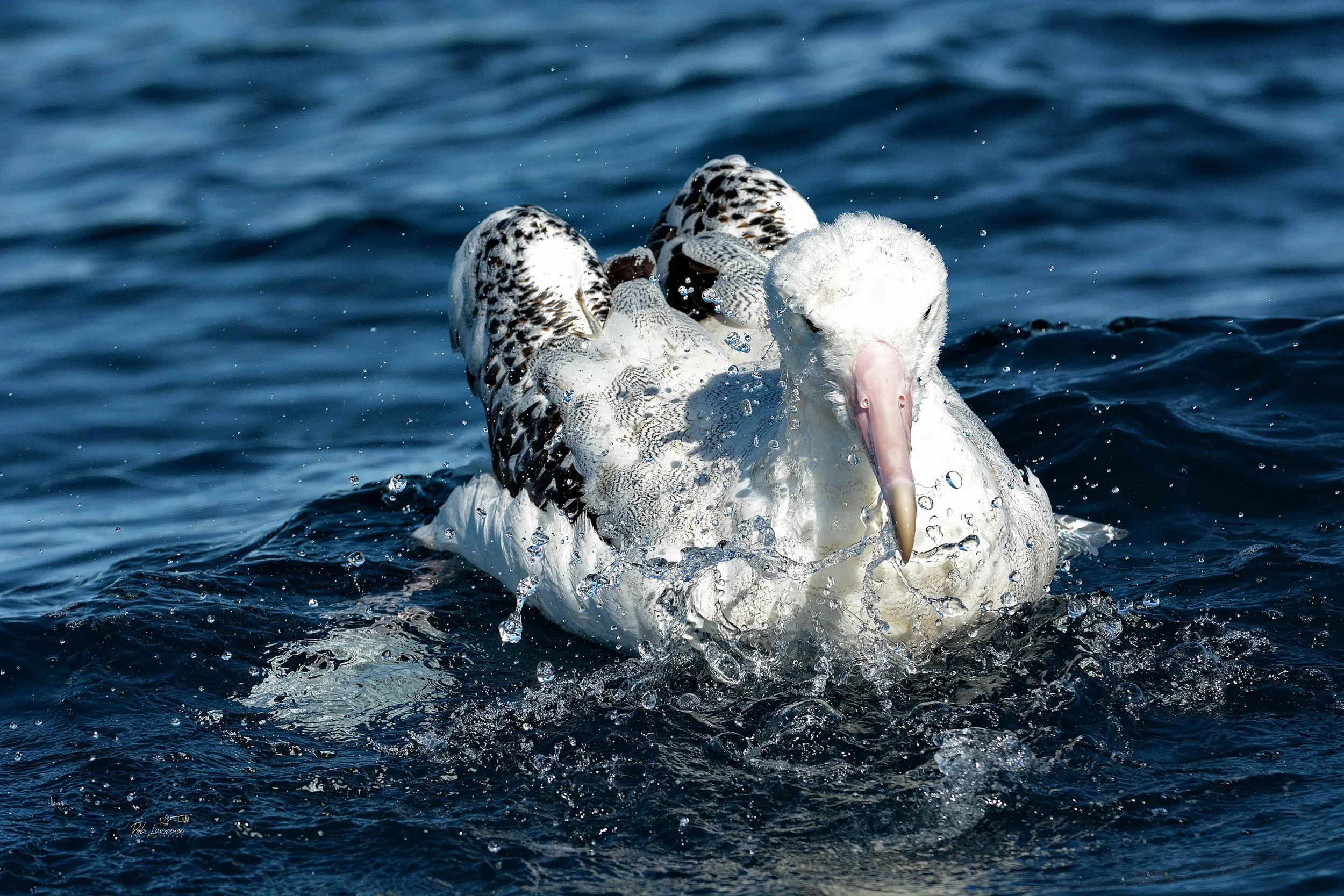
Antipodean (Wandering) Albatross (toroa) Diomedea antipodensis
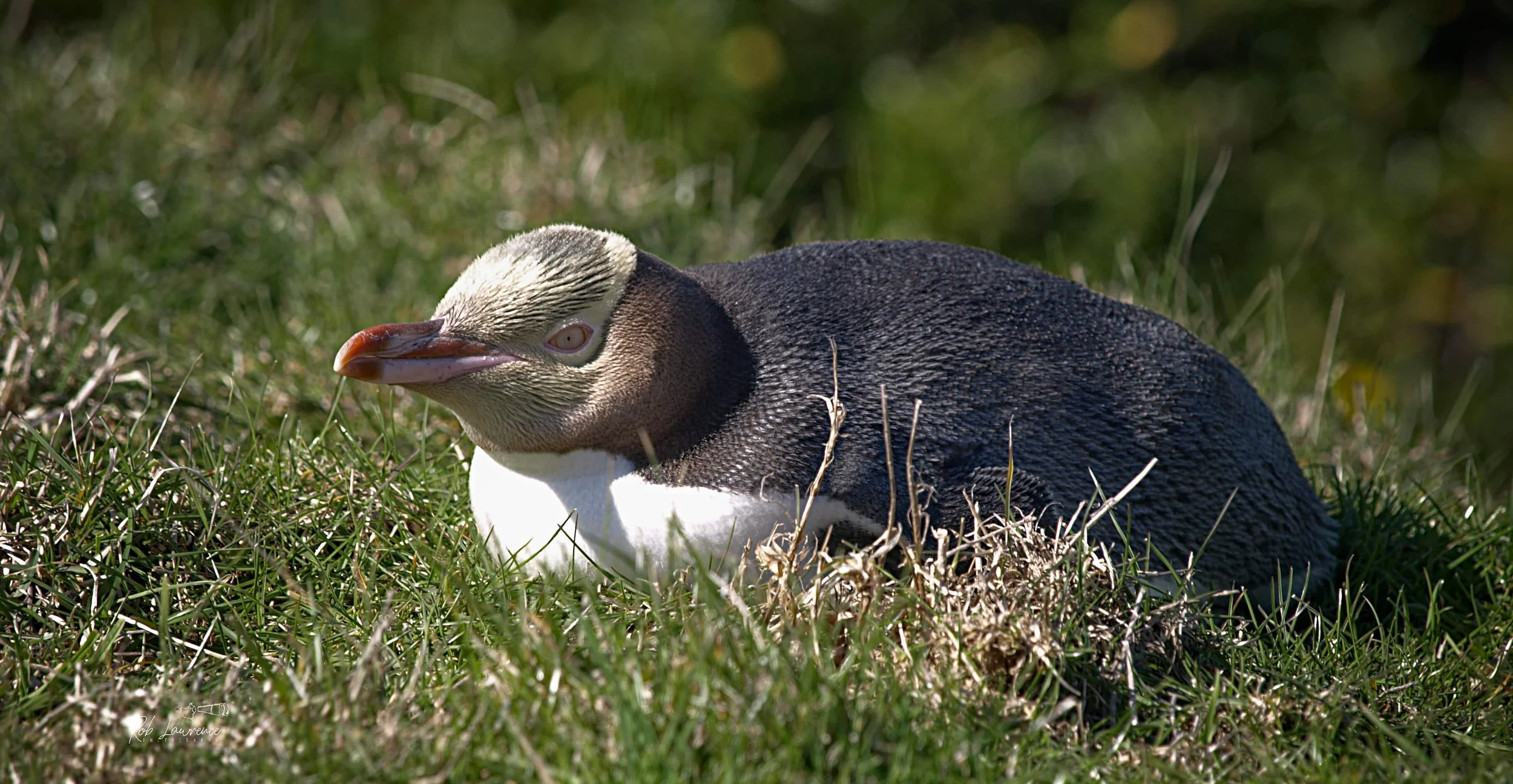
Yellow-eyed Penguin (hoiho) Megadyptes antipodes
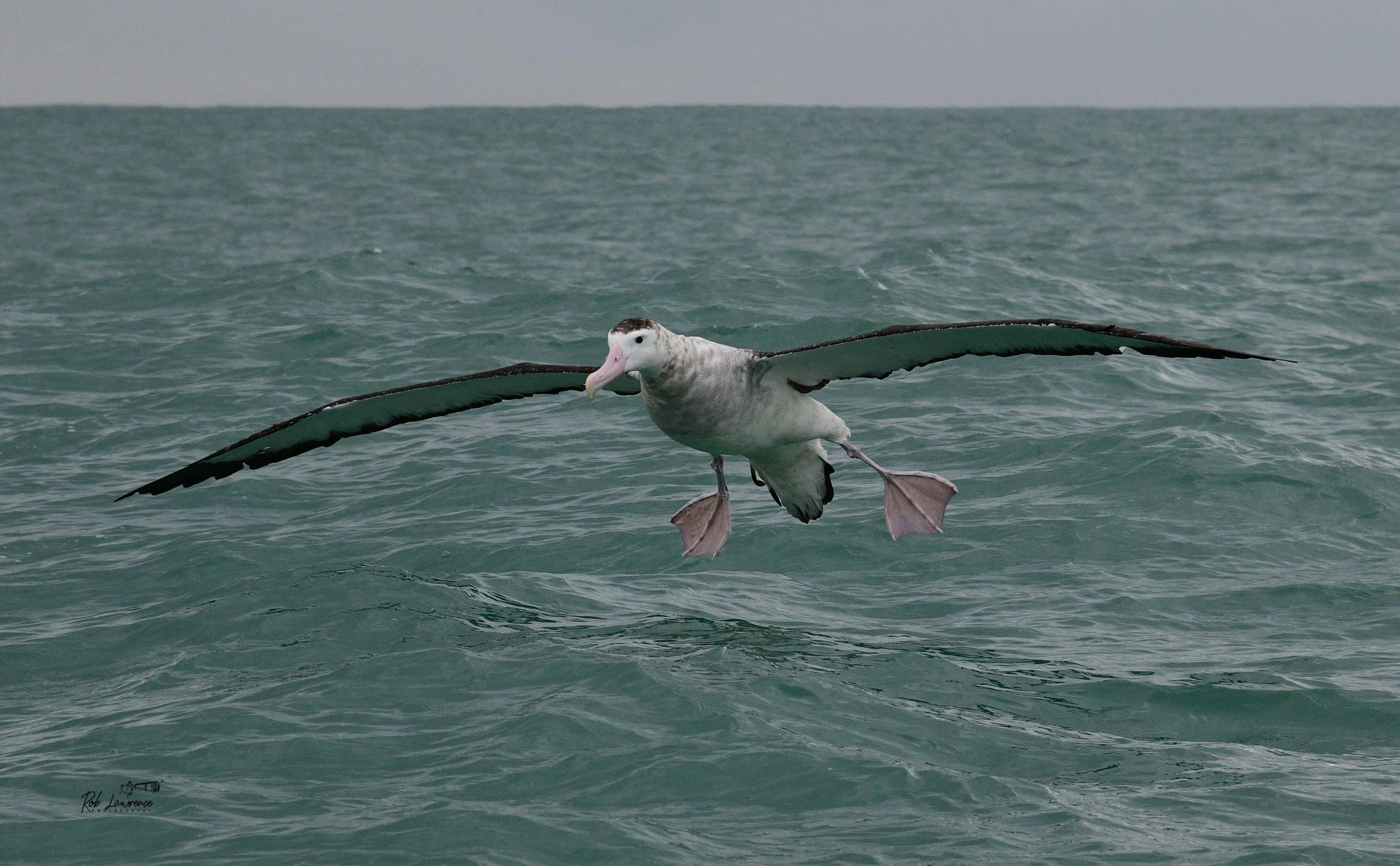
Young Antipodean (Wandering) Albatross (toroa) Diomedea antipodensis
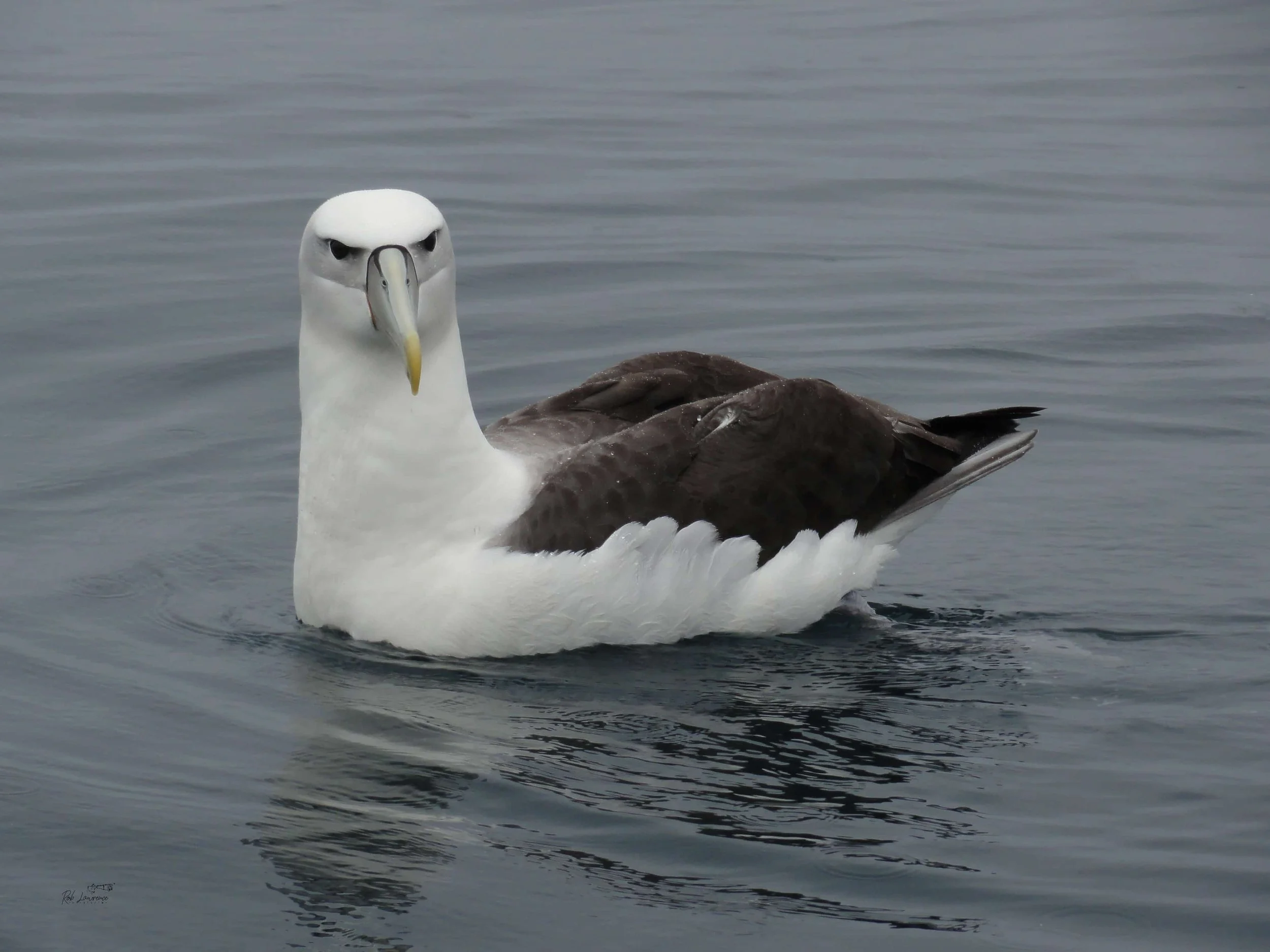
White-capped Mollymawk (Shy Mollymawk) Thalassarche cautta
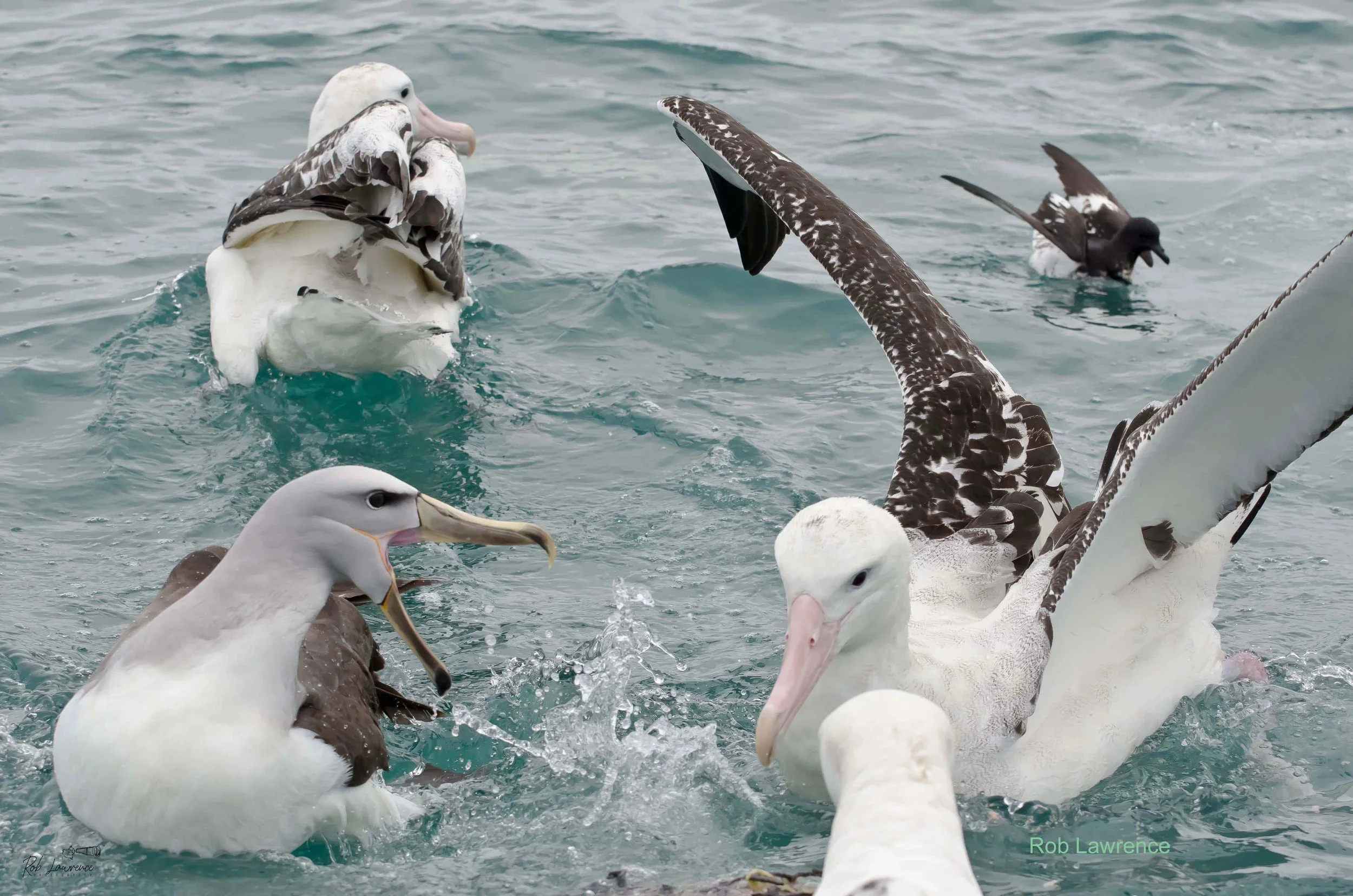
Seabird Town Meeting Salvins Mollymawk Wandering Albatross Cape Petrel
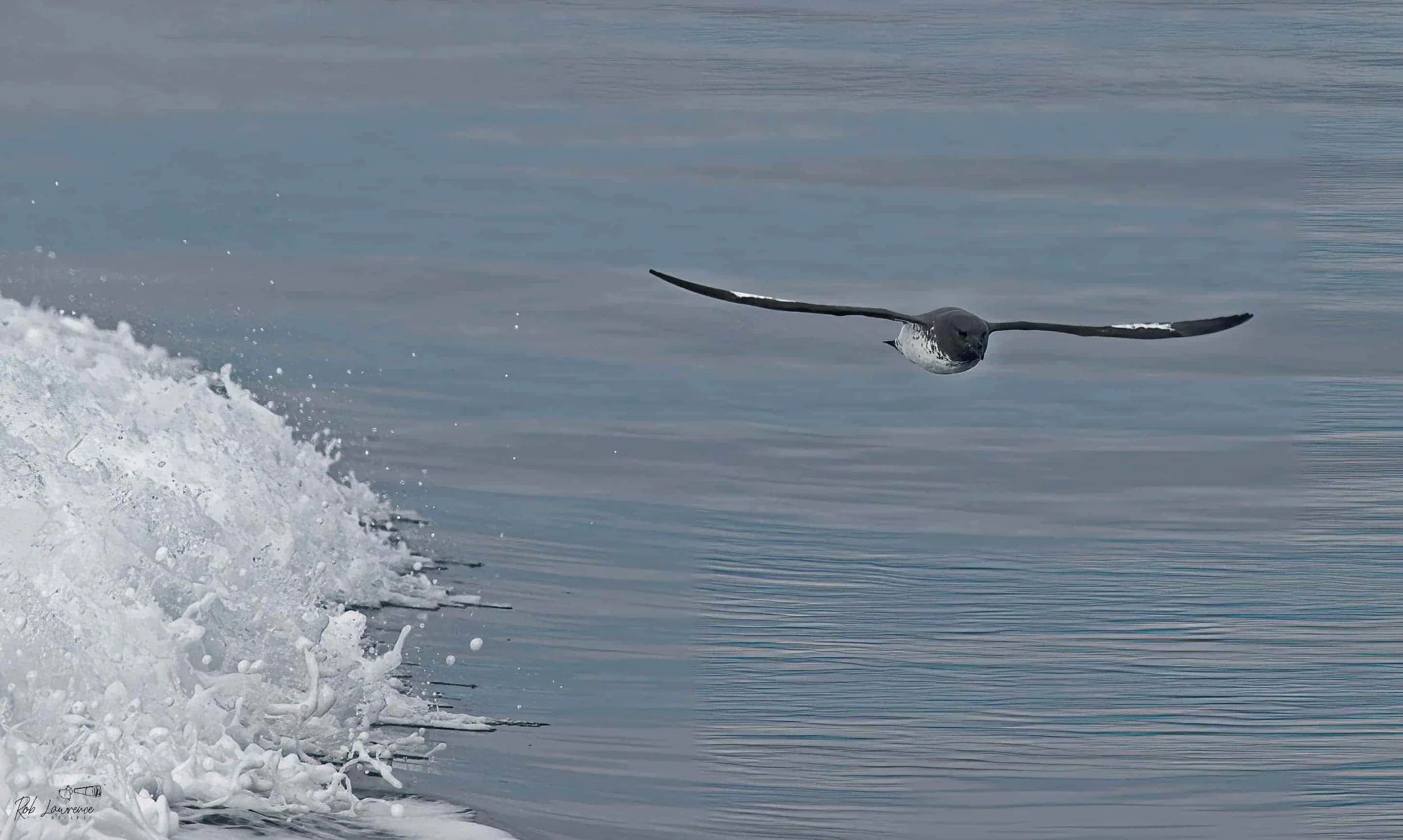
Cape Petrel Daption capons
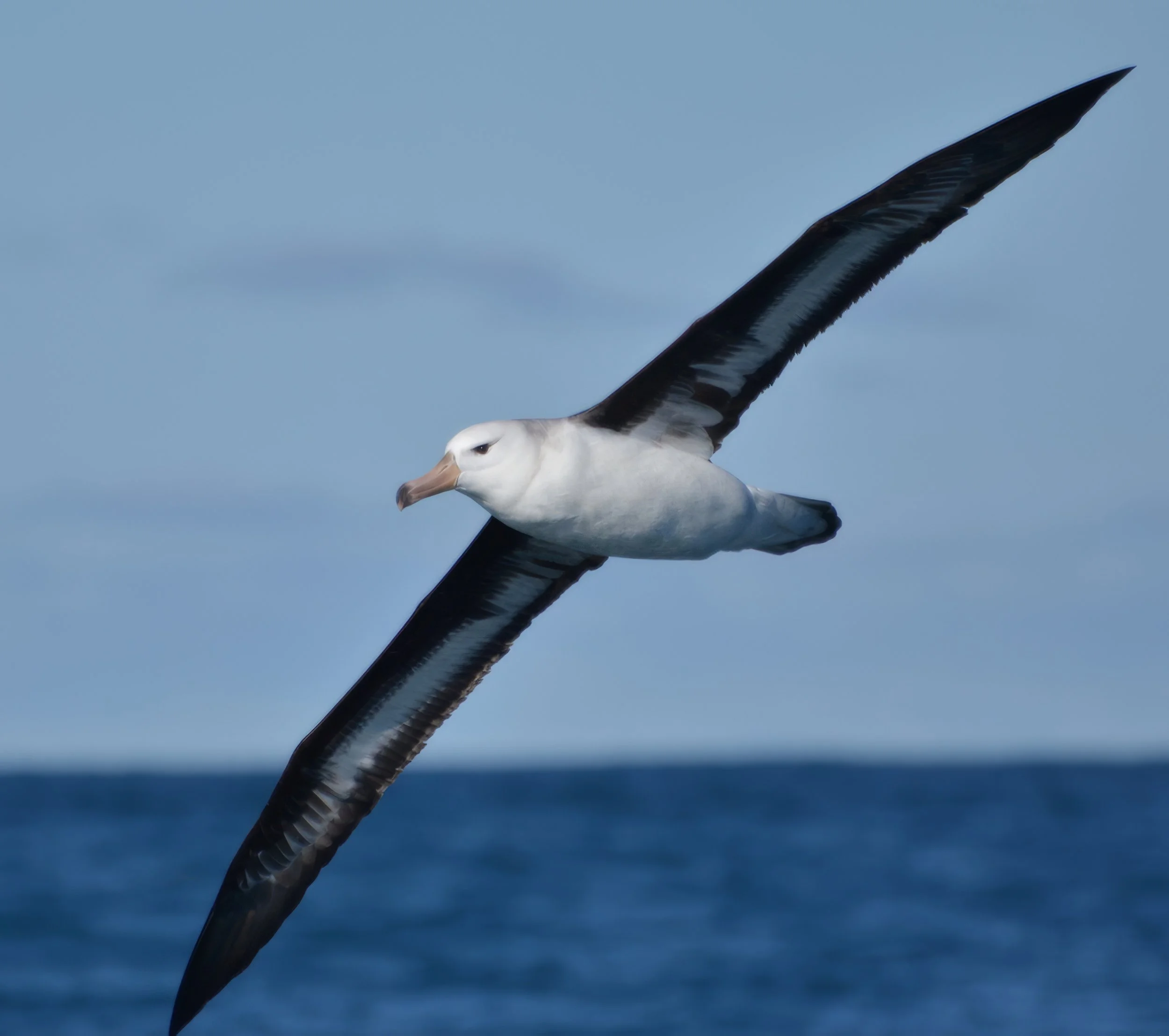
Black-browed MollyMawk (toroa) Thalassarche melanophris
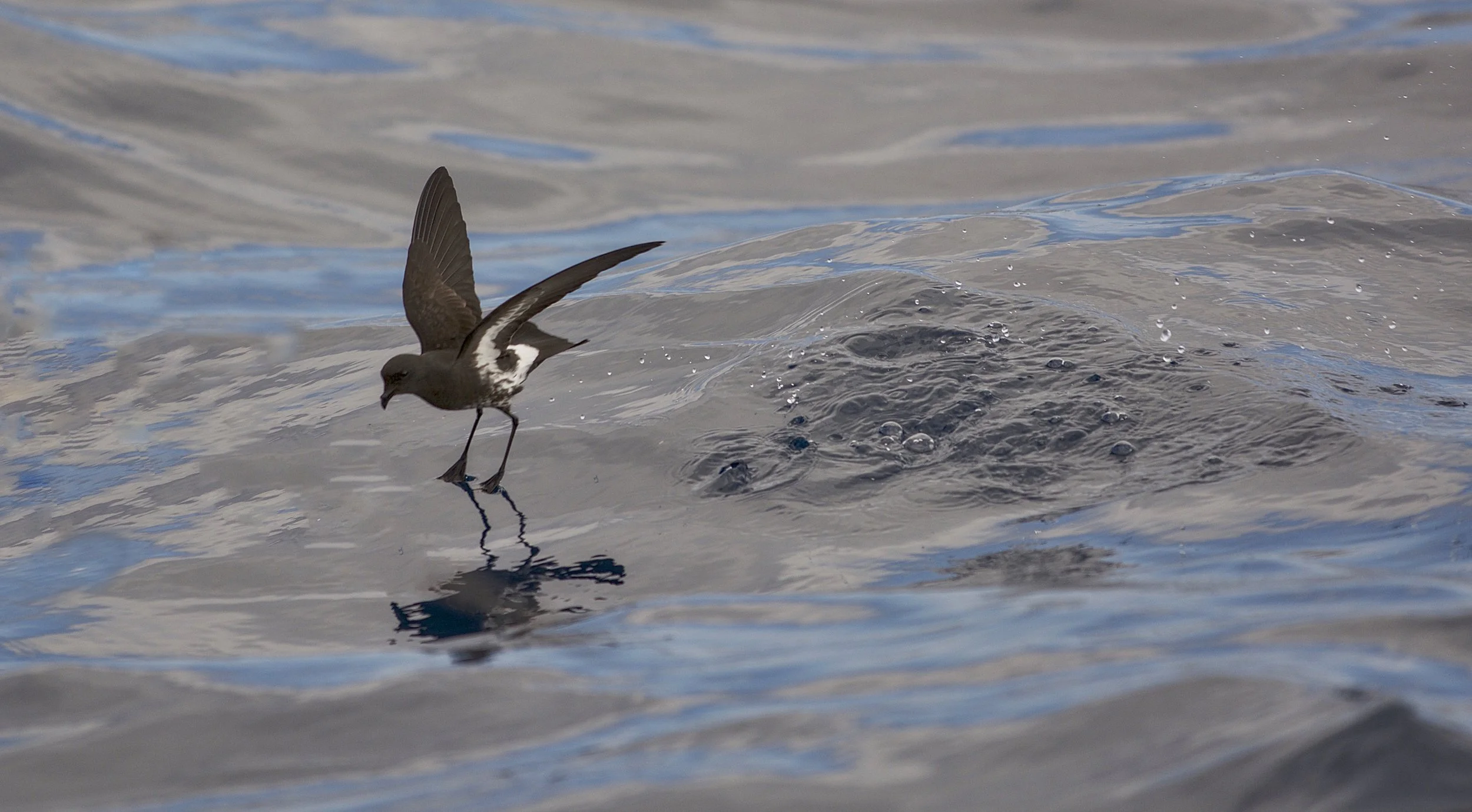
New Zealand Storm Petrel Fregetta maoriana Bay of Islands
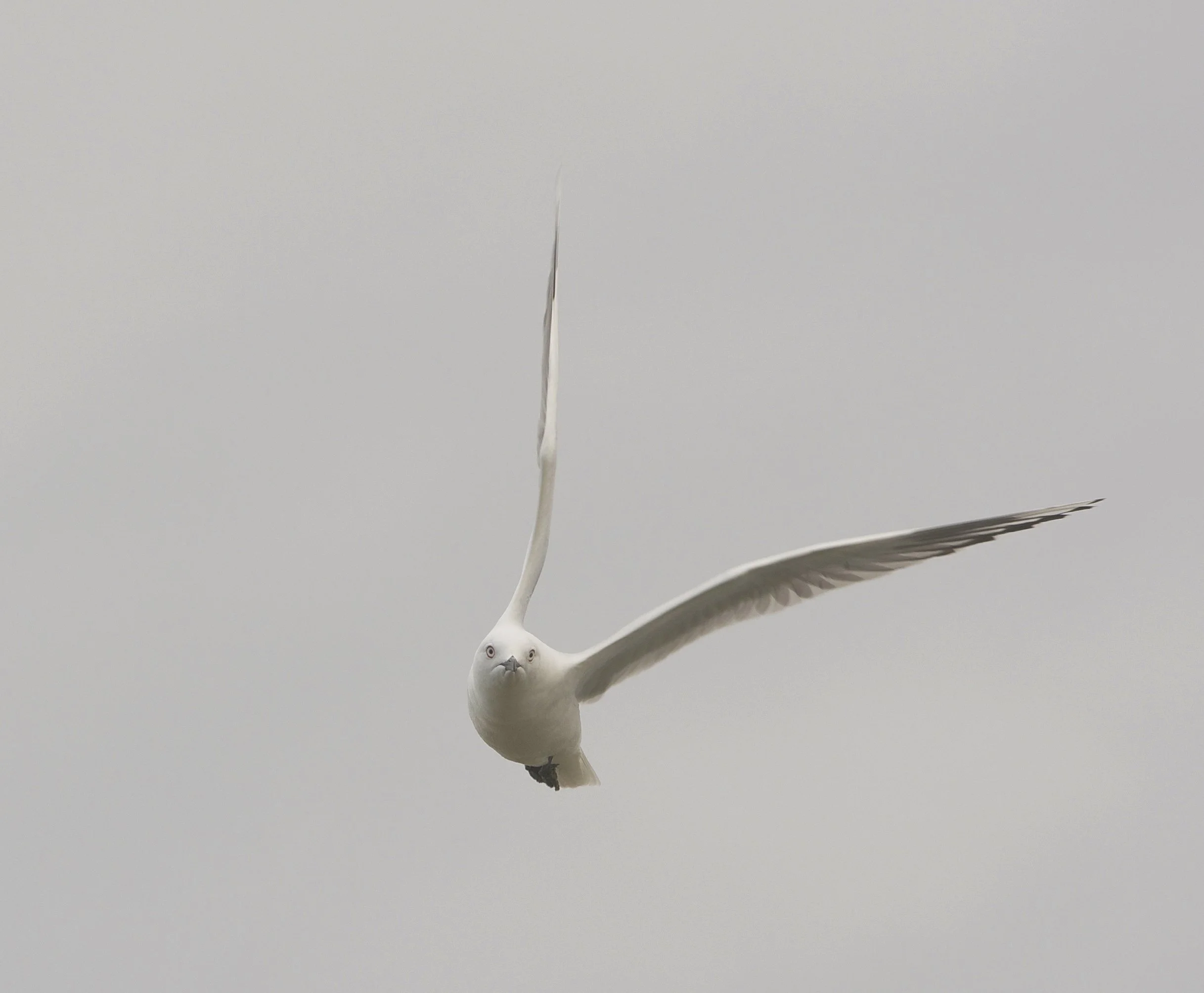
Black-billed Gull (Buller's Gull) (tarāpuka) Chroicocephalus bulleri
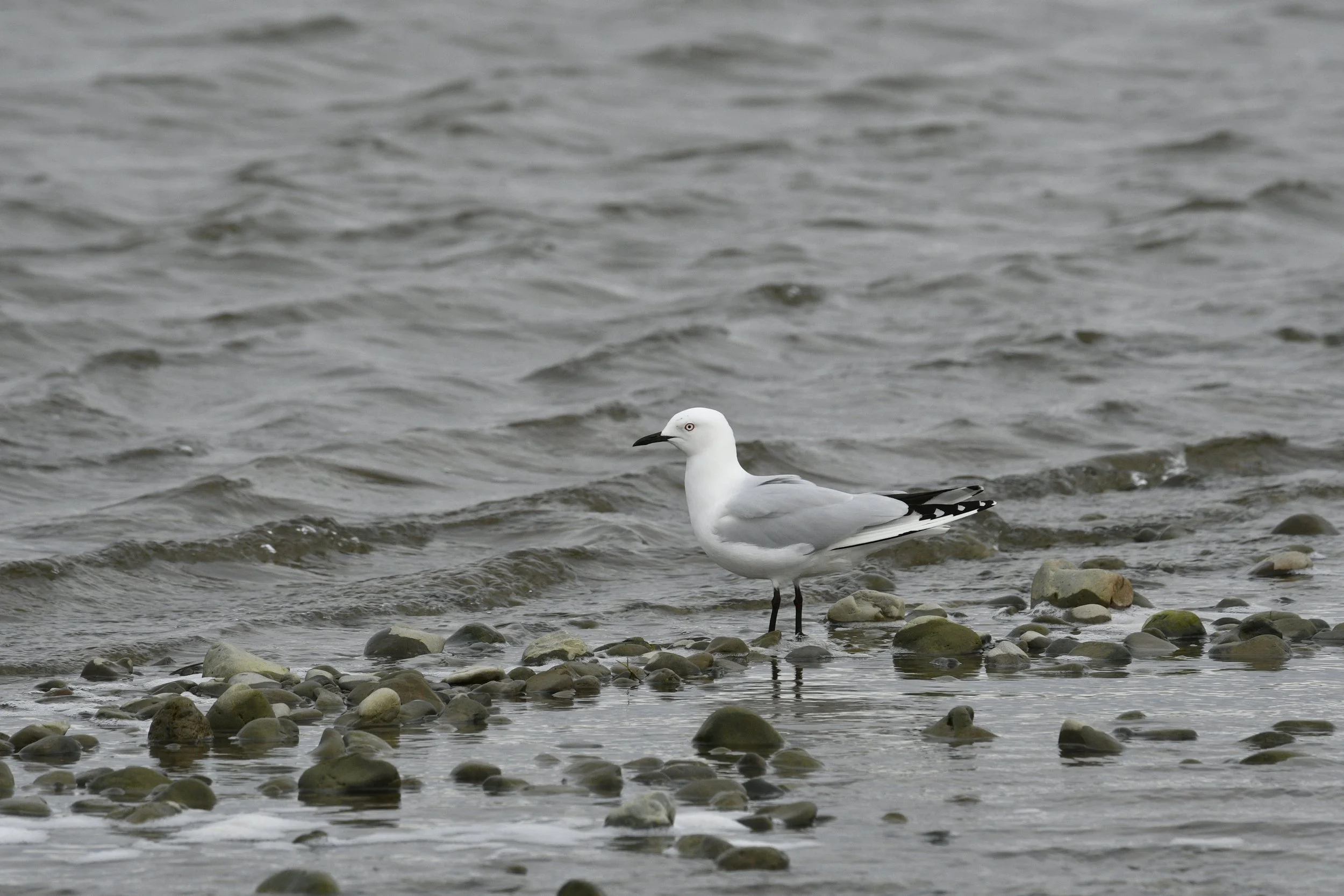
Black-billed Gull (Buller's Gull) (tarāpuka) Chroicocephalus bulleri
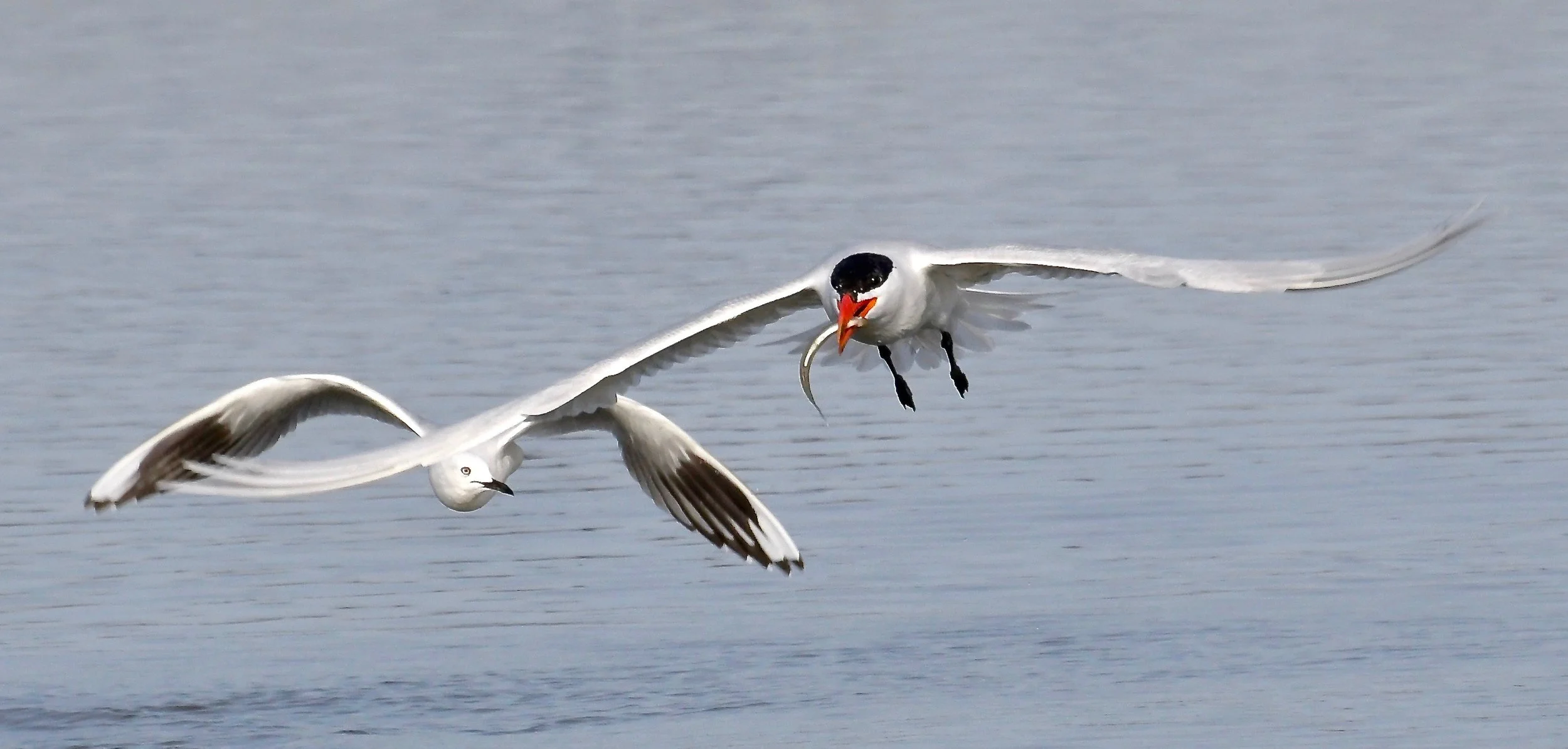
Capsian Tern chased by Black billed gull Caspian Tern. (taranui) Hydroprogne caspia
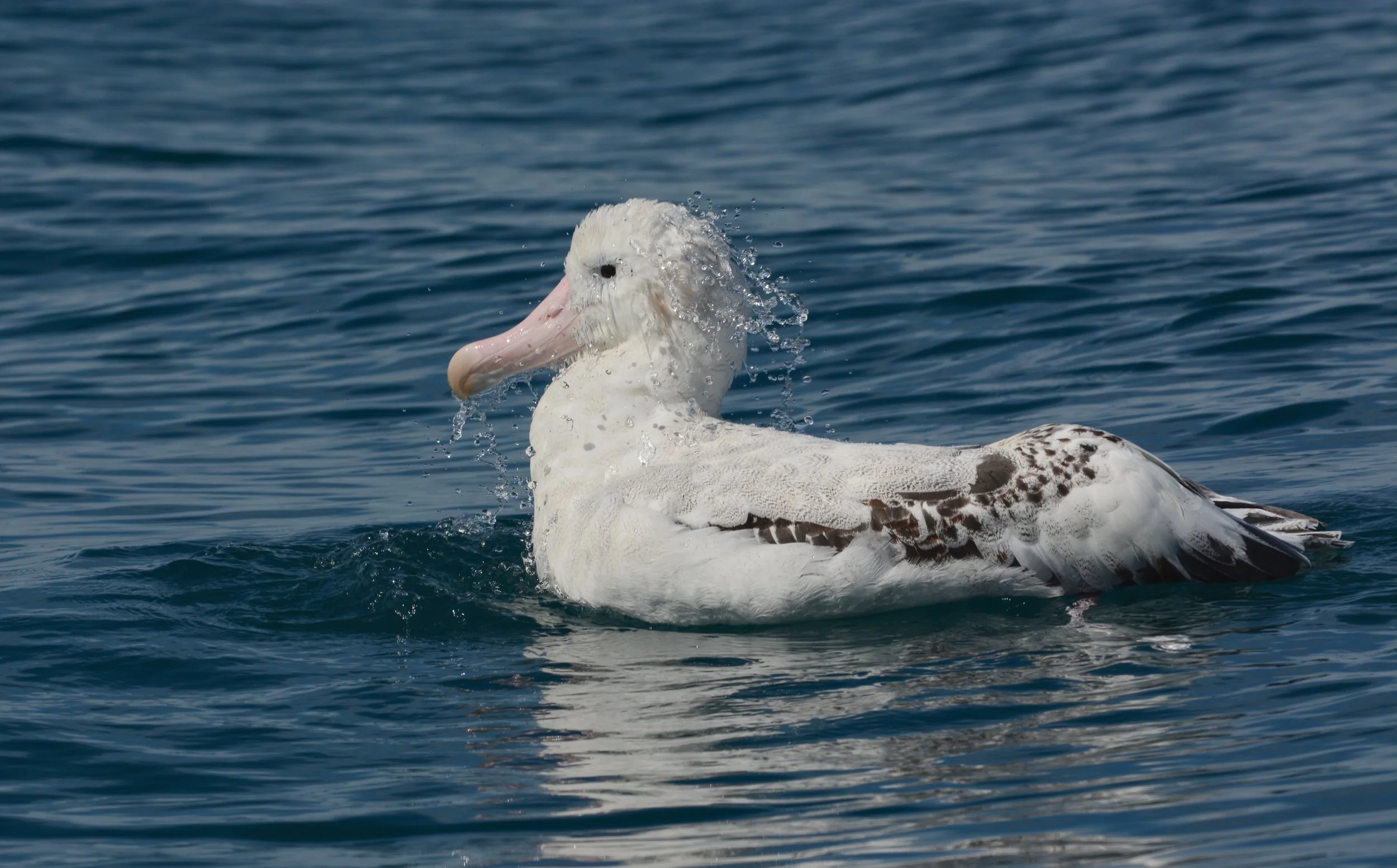
Antipodean (Wandering) Albatross (toroa) Diomedea antipodensis
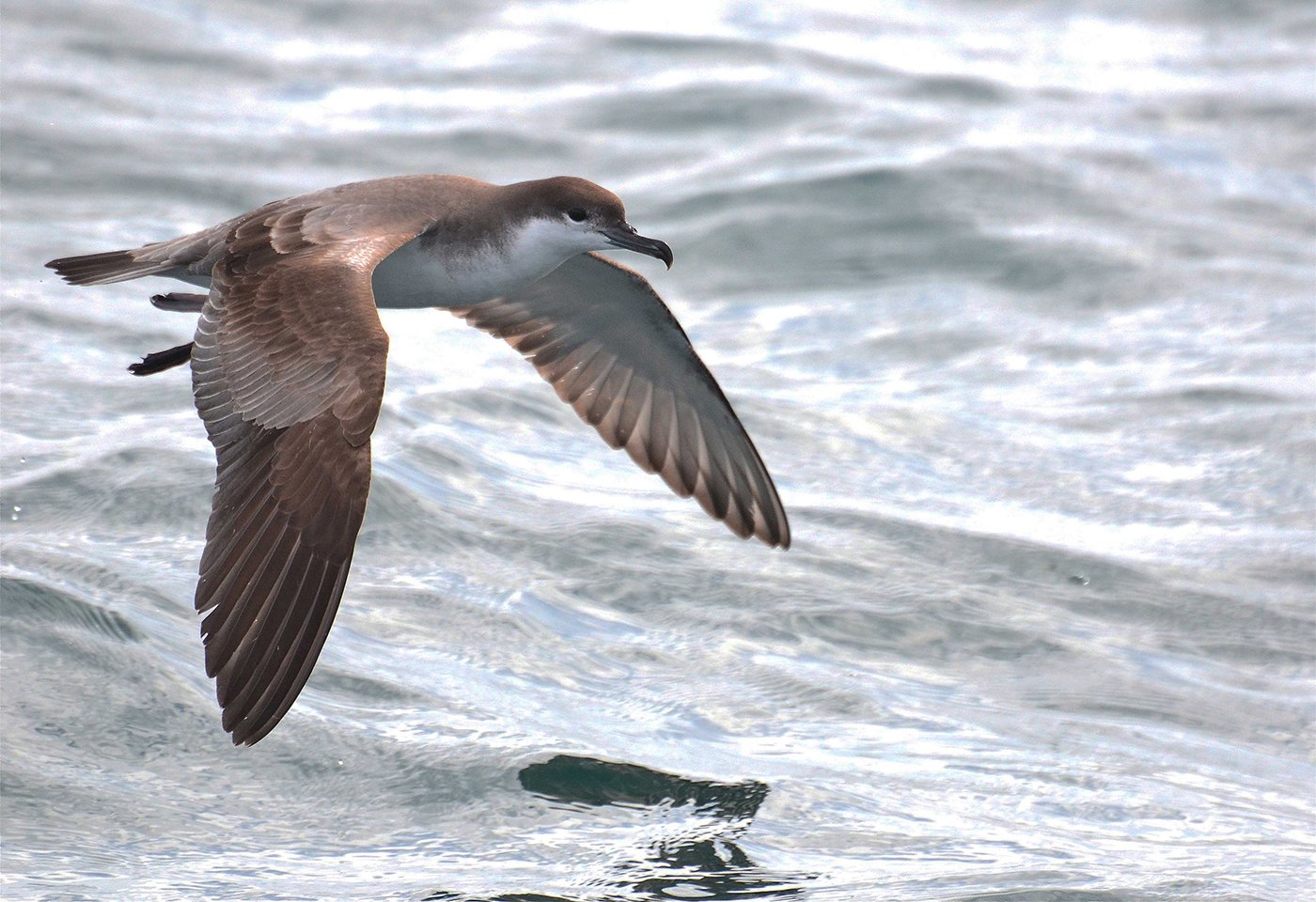
Buller's Shearwater. (rako) Ardenna bulleri
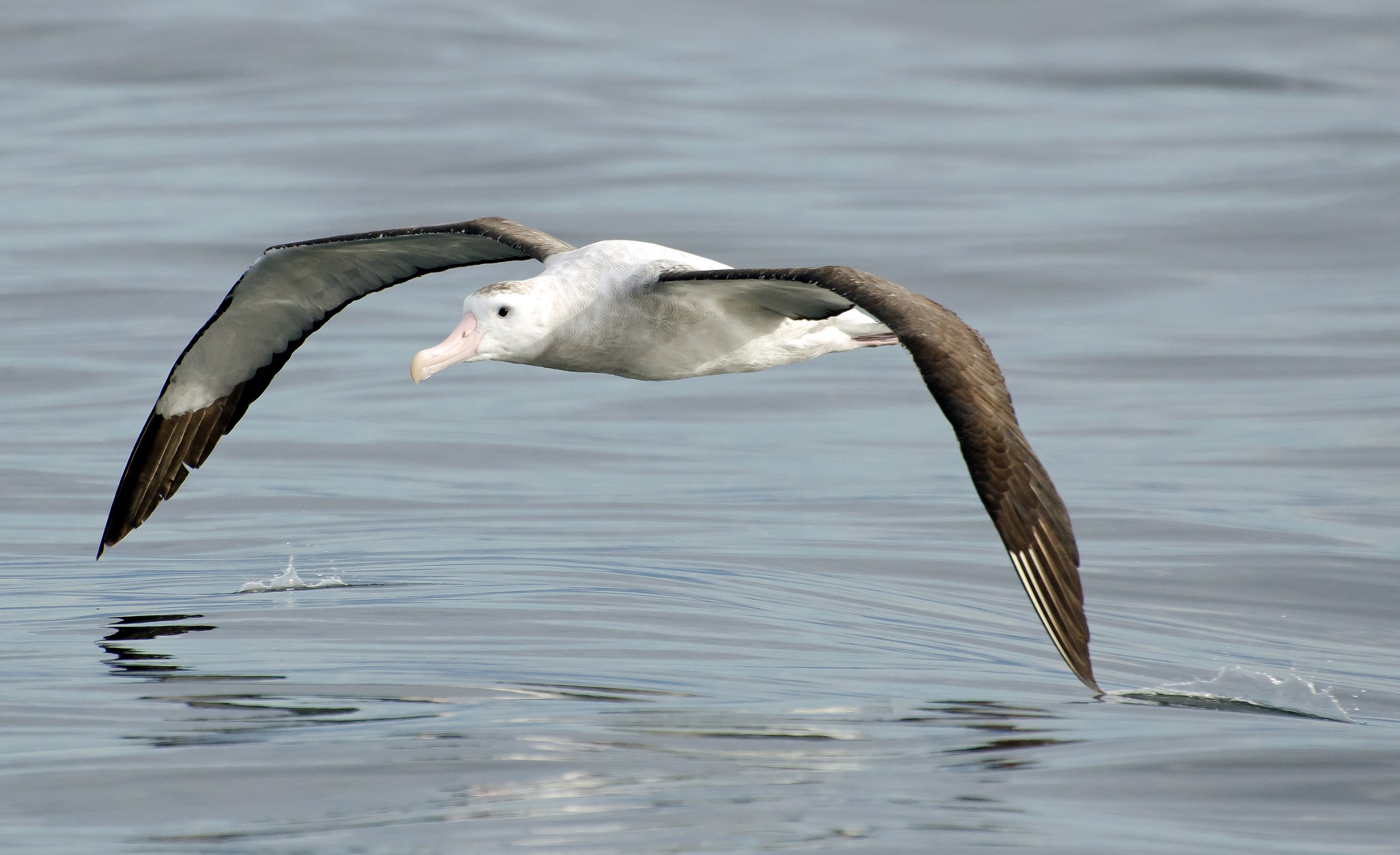
Dipping the tips Antipodean (Wandering) Albatross (toroa) Diomedea antipodensis
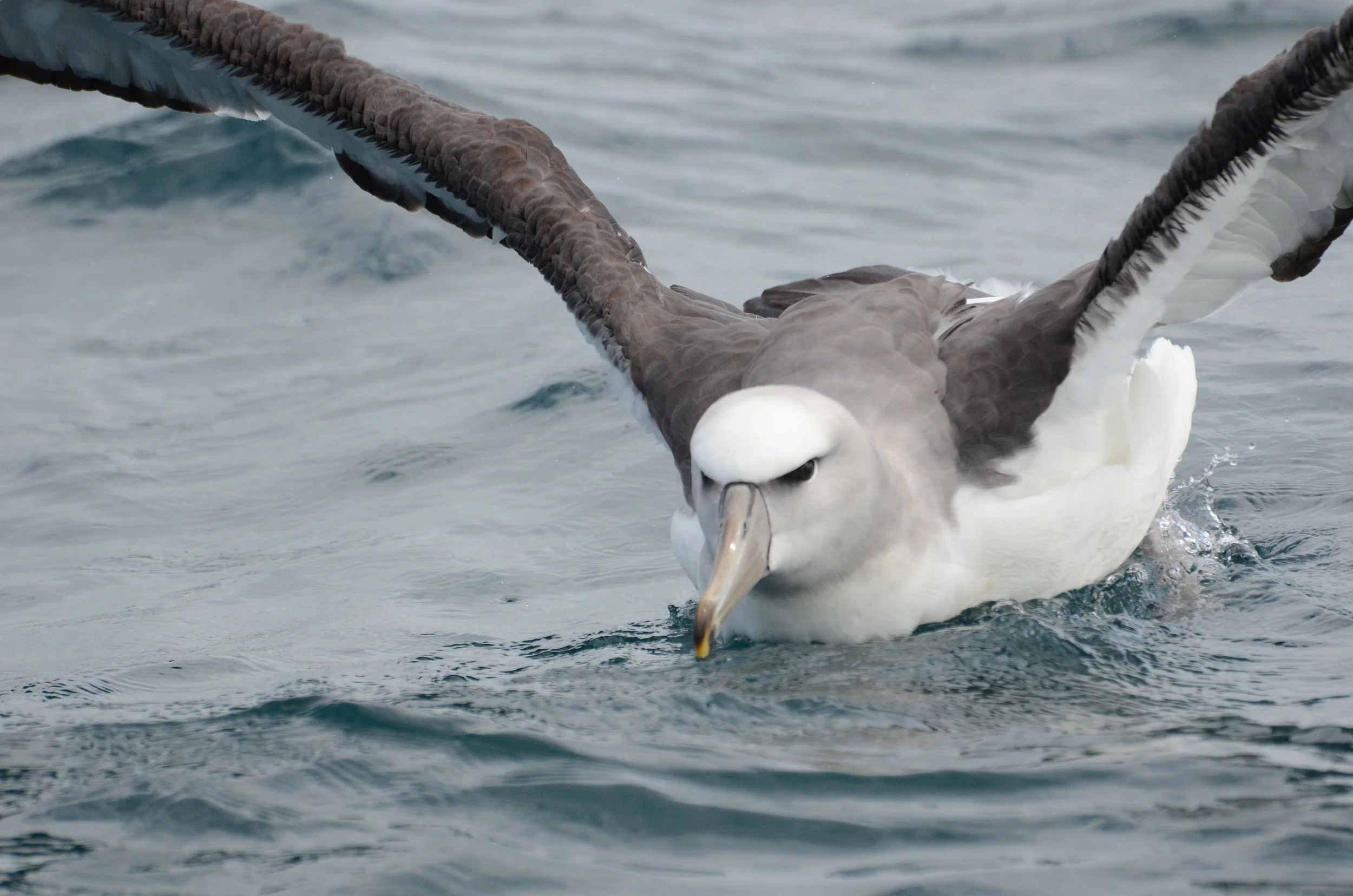
Salvin's Mollymawk Thalassarche salvini
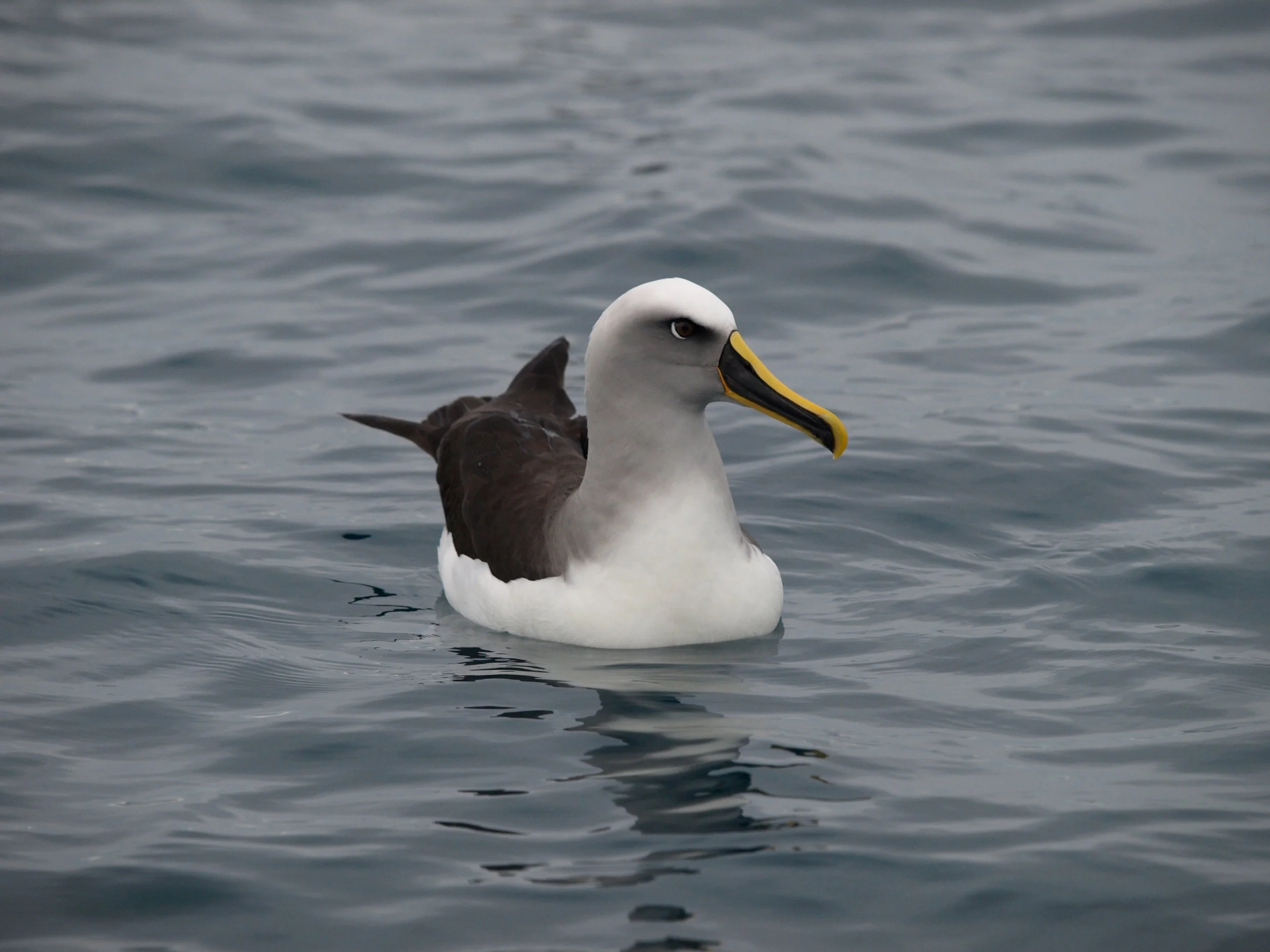
Buller's Mollymawk Thalassarche bulleri
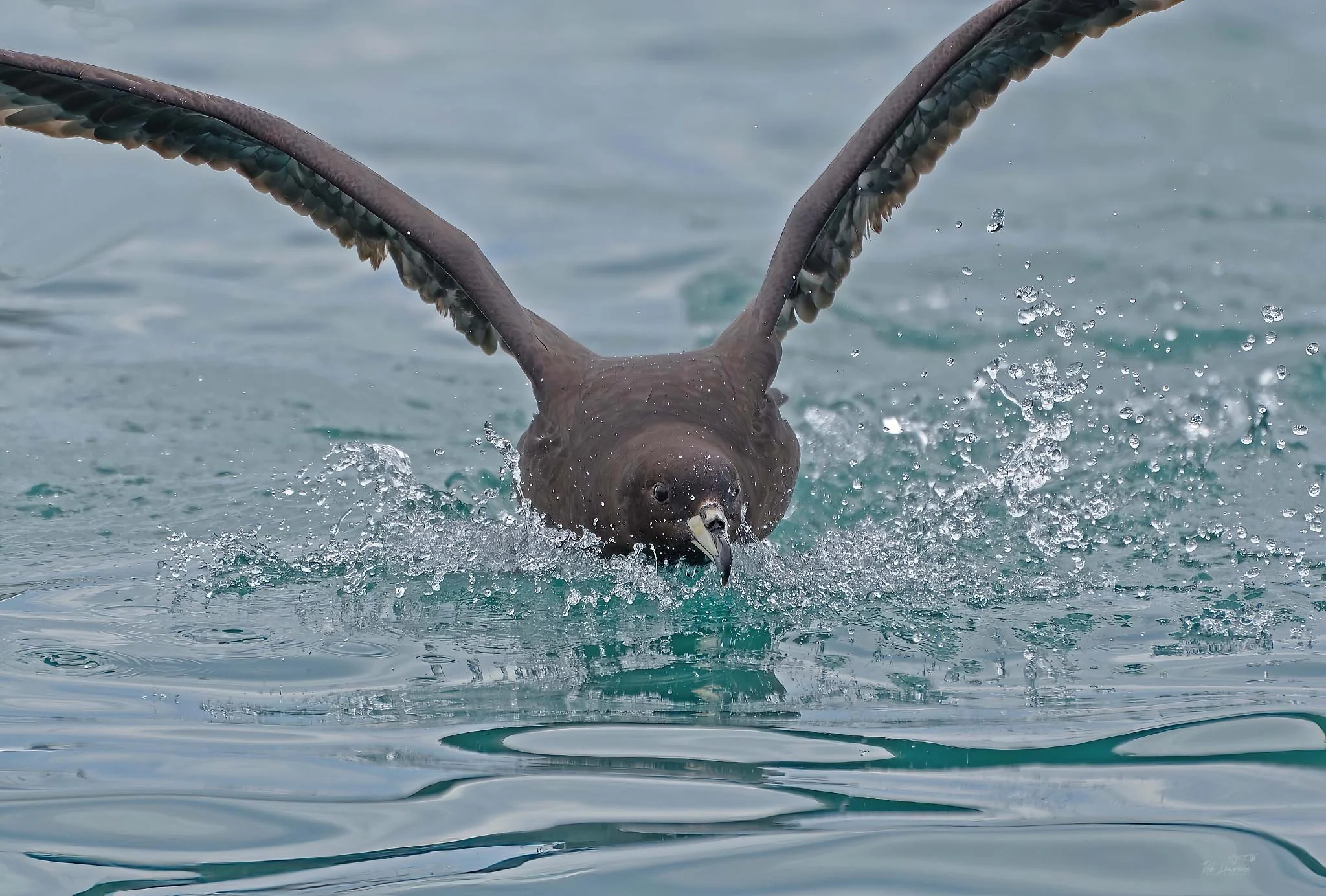
Westland Black Petrel (tāiko)
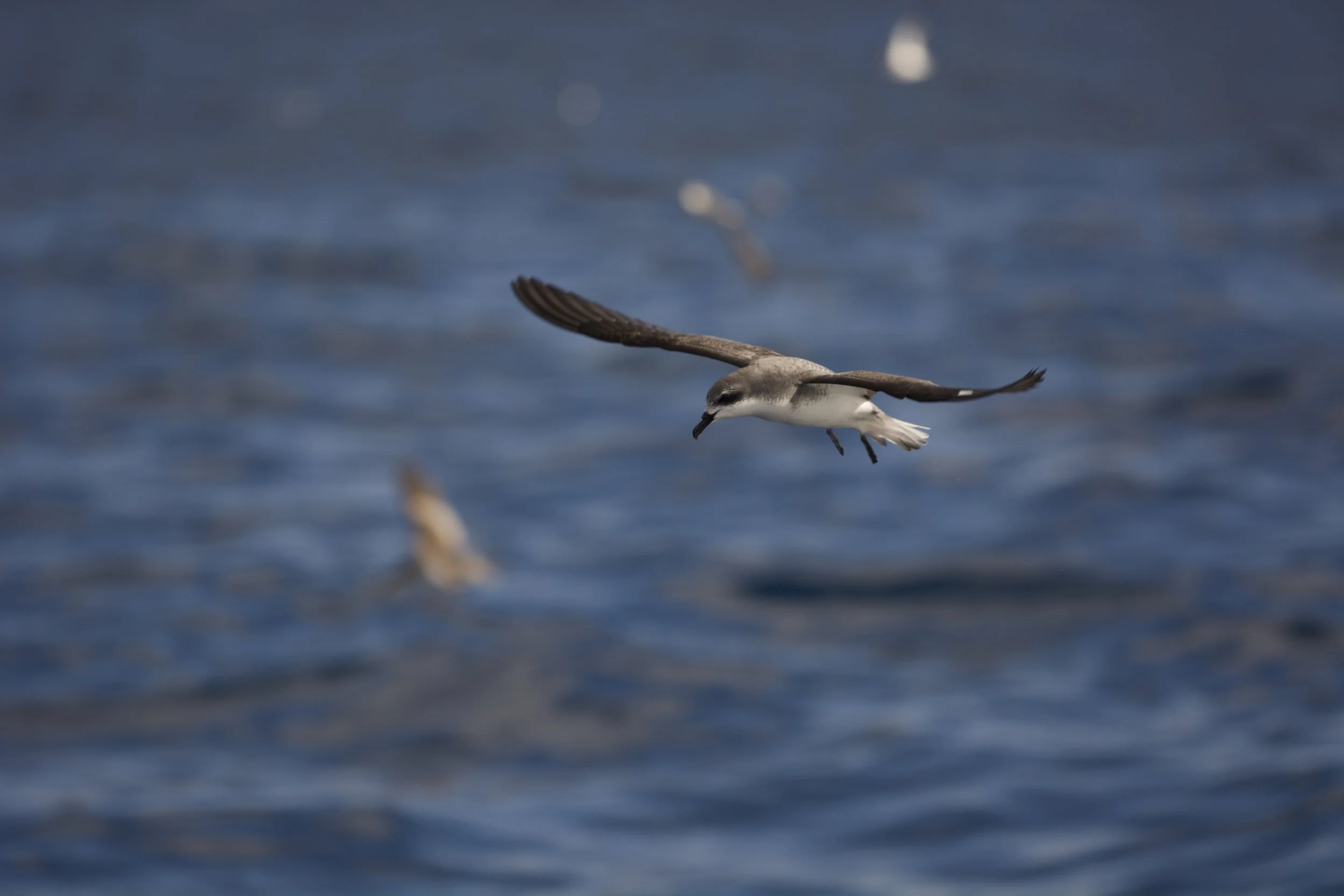
Cook's Petrel (tītī) Pterodroma cookii
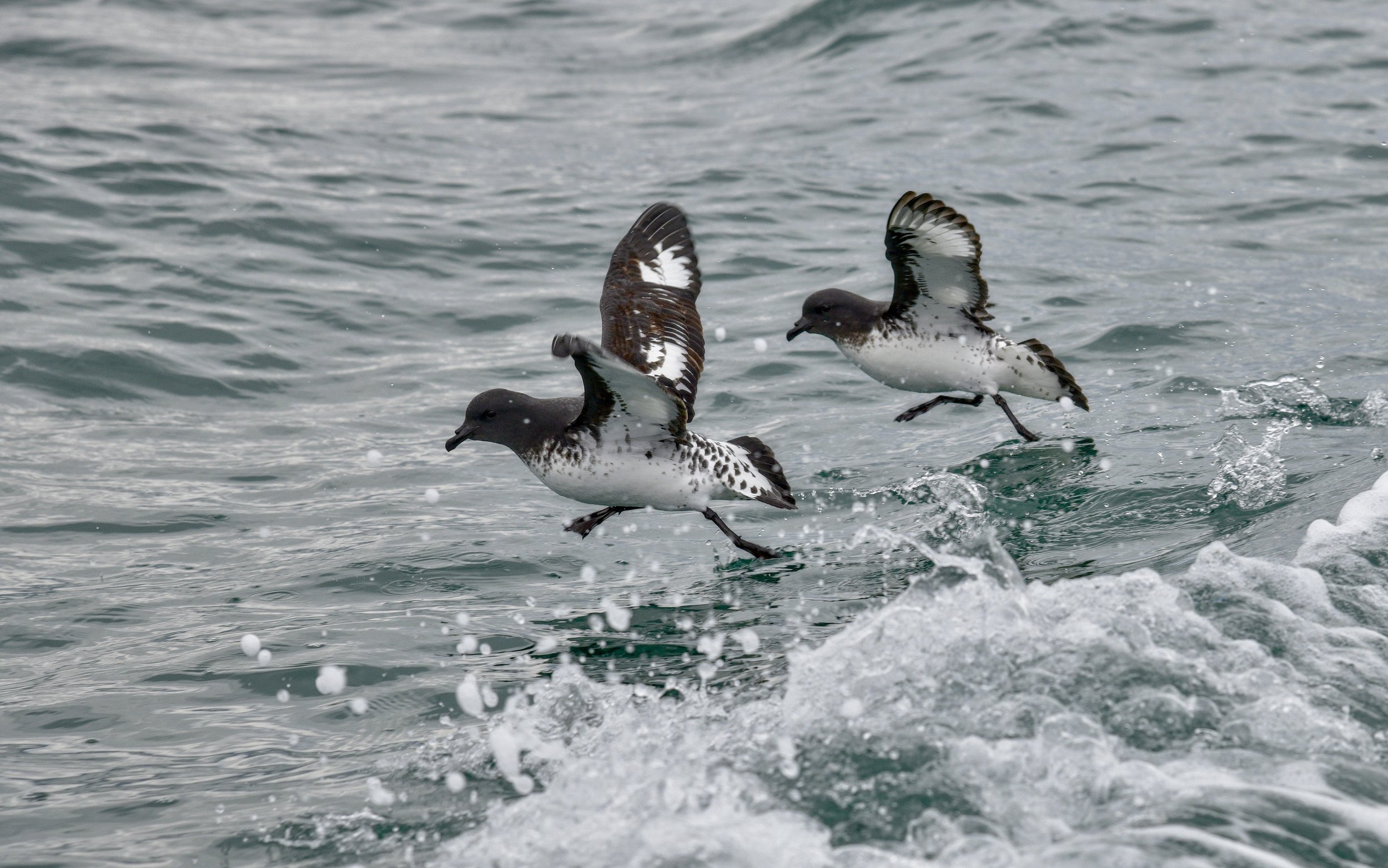
Cape Petrel Daption capense
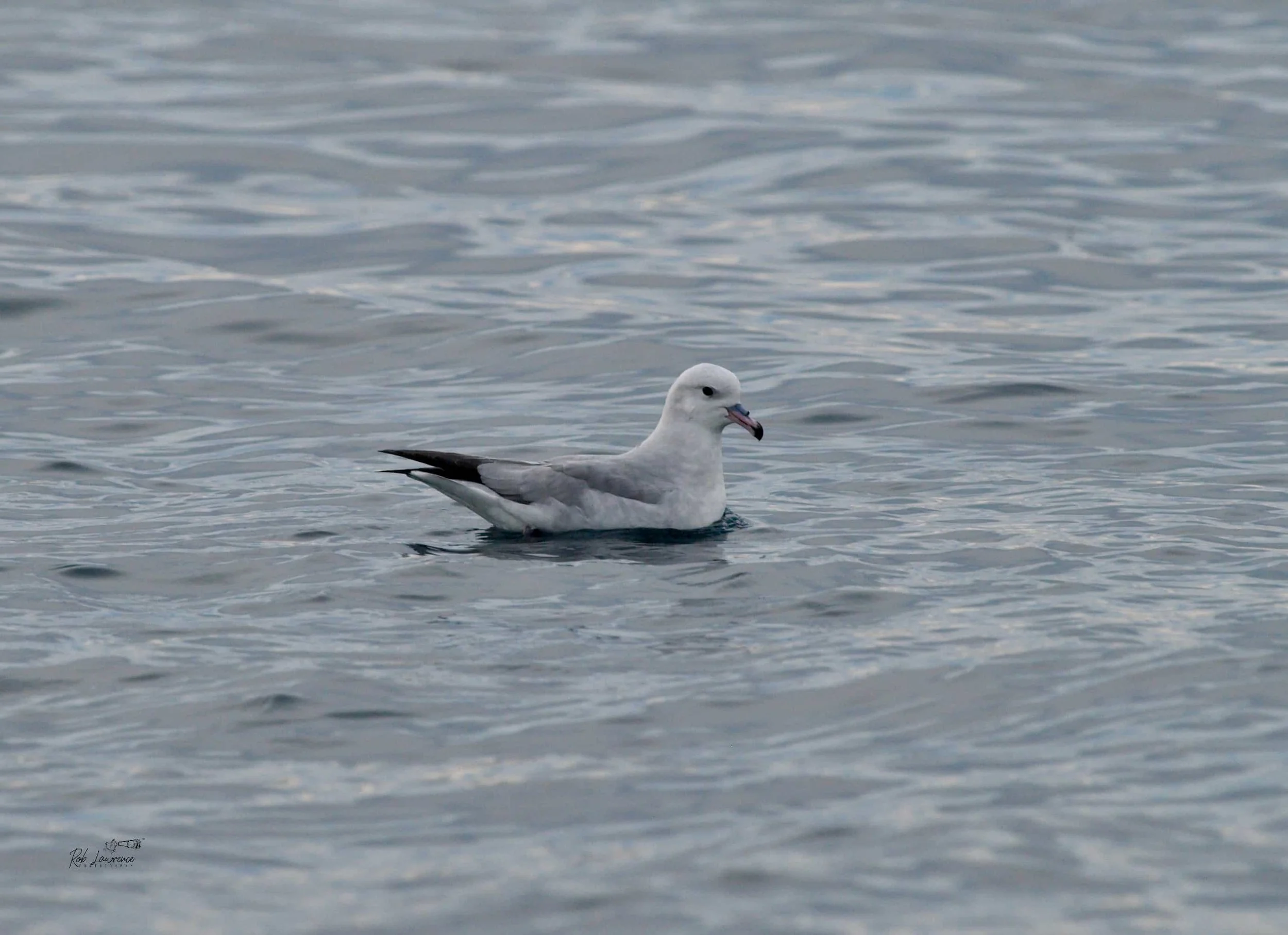
Antarctic Fulmer Fulmarus glacialoides South Bay Kaikoura
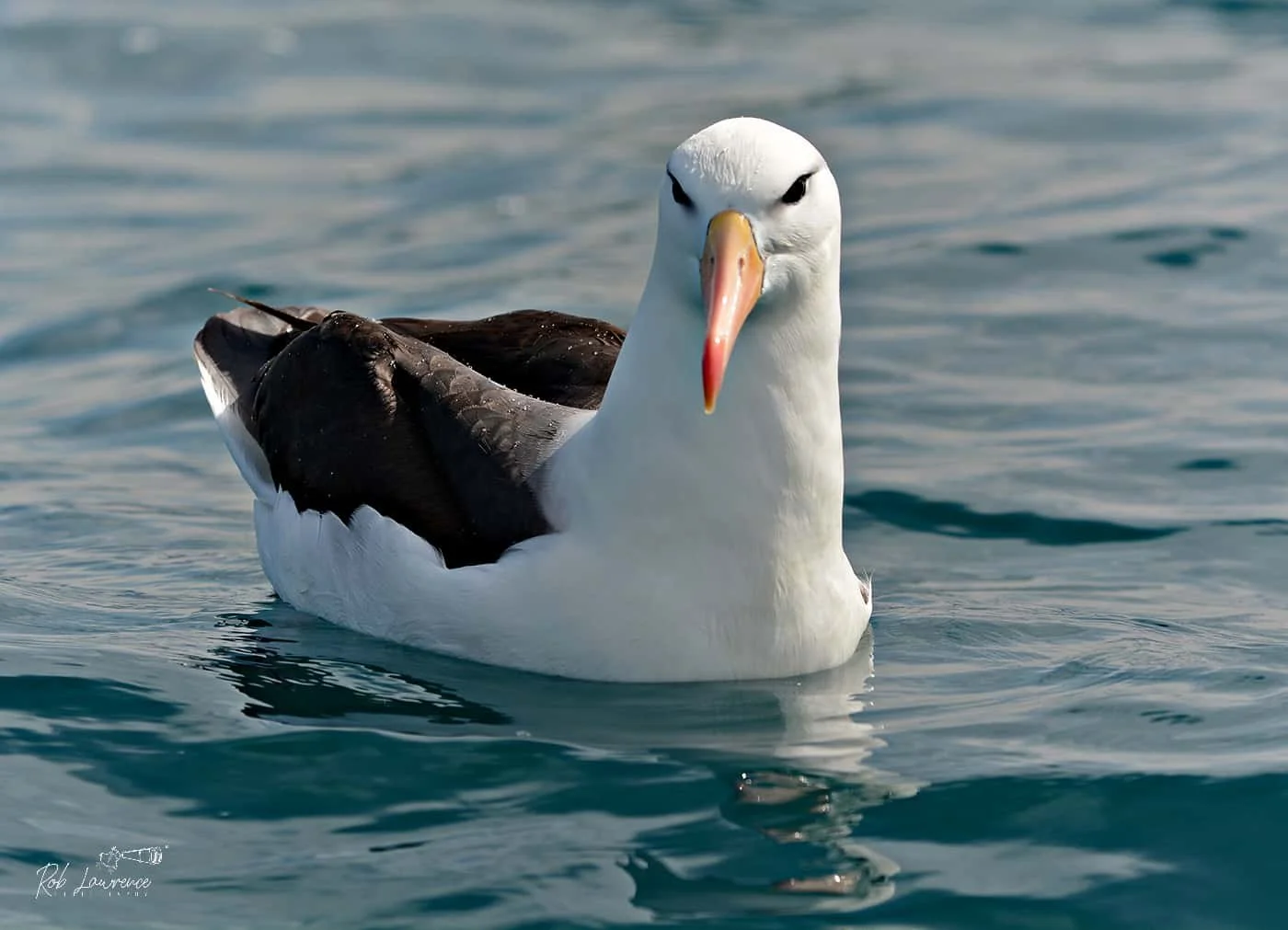
Black-browed Mollymawk. (toroa) Thalassarche melanophris
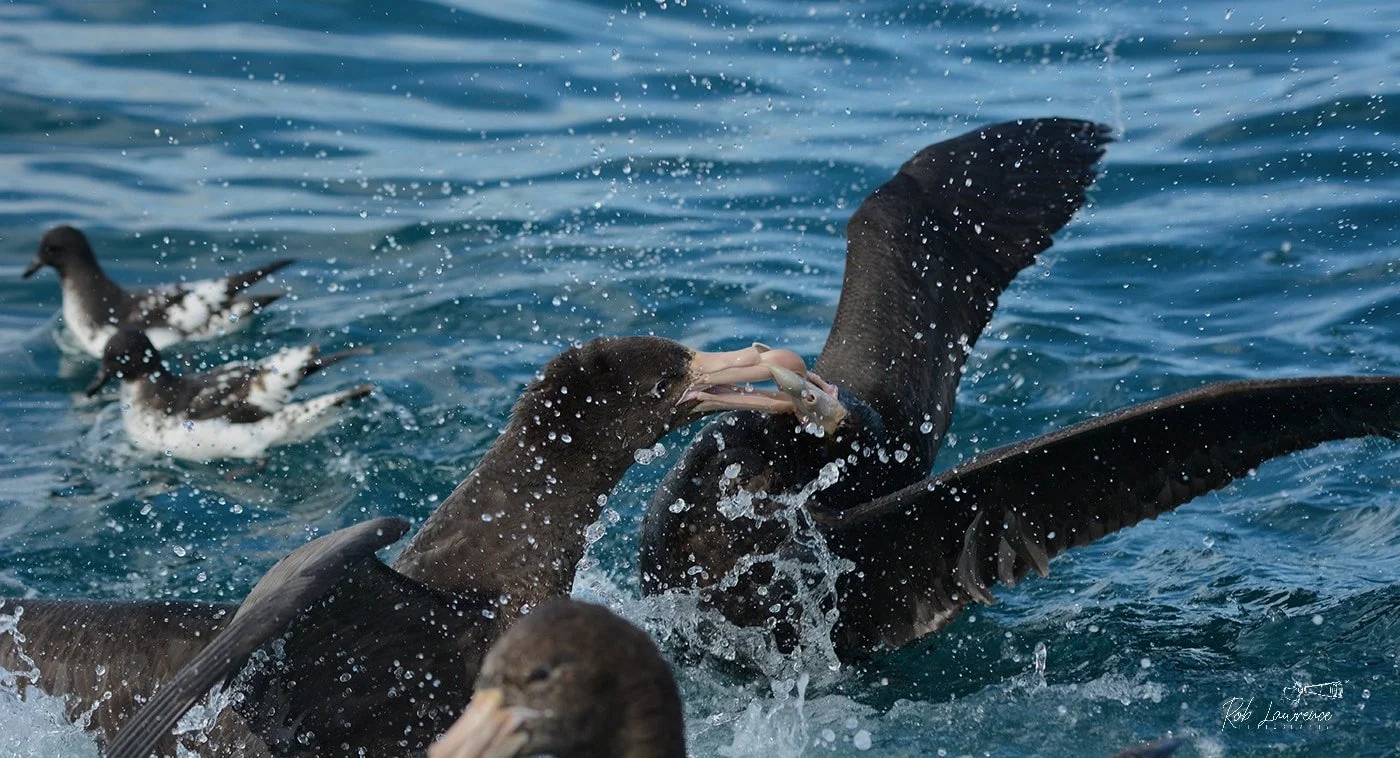
Siblings fighting Giant Petrel (pāngurunguru) Macronectess giganteus An aggressive species in all life stages
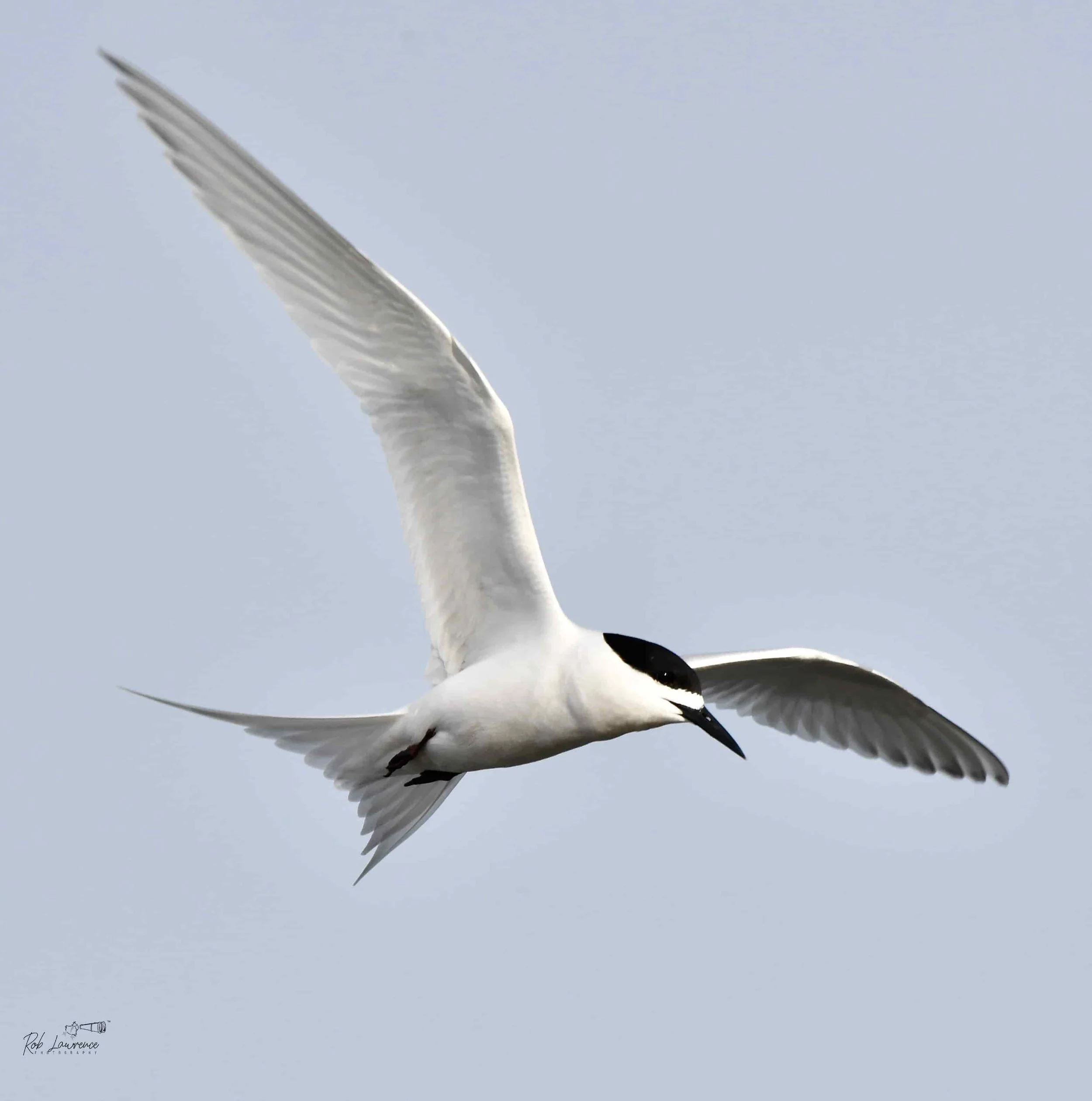
White-Fronted Tern (tara) Sternula striata
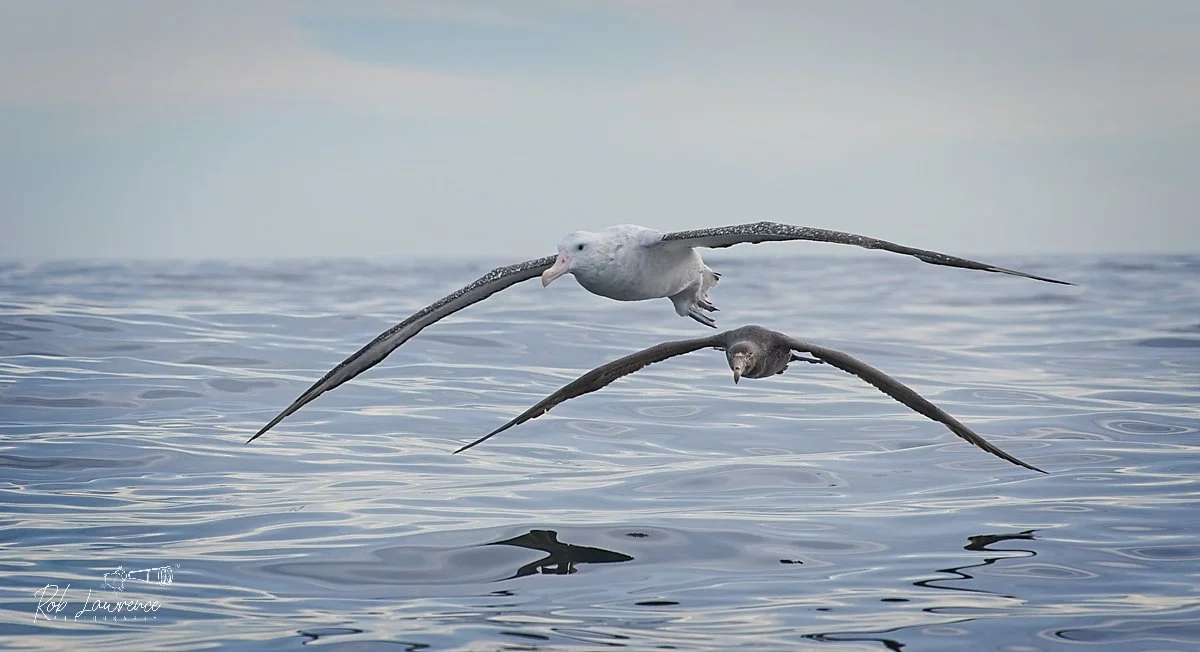
Wandering Albatross and Giant Petrel off Kaikoura
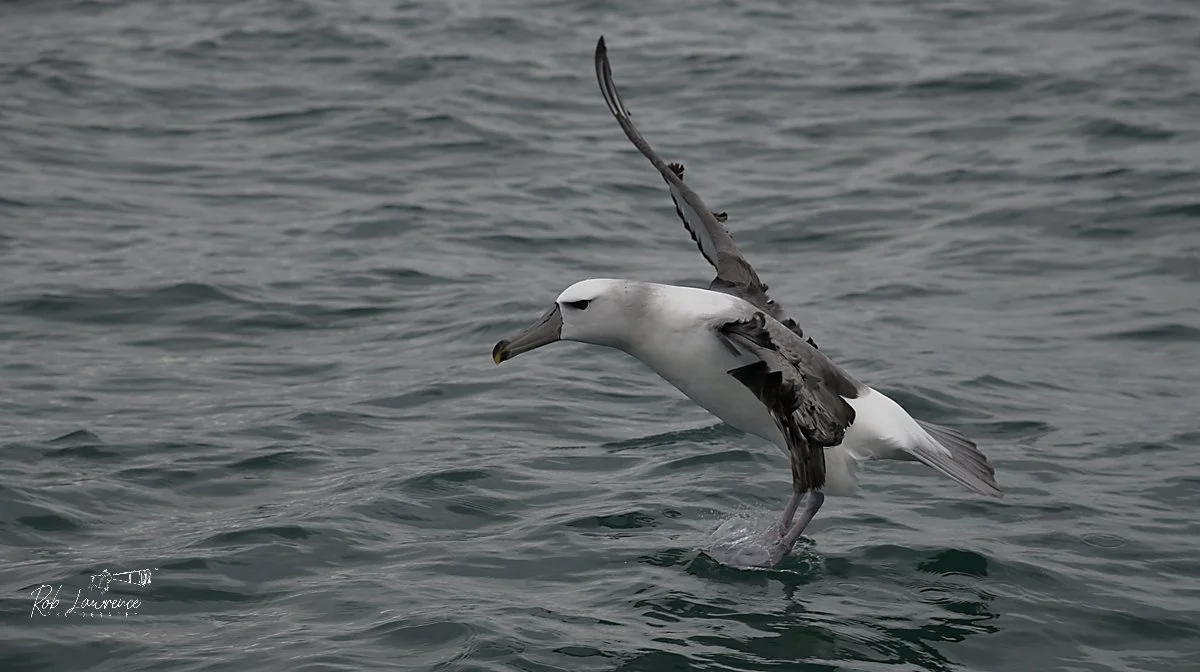
Salvin's Mollymawk Thalassarche salvini
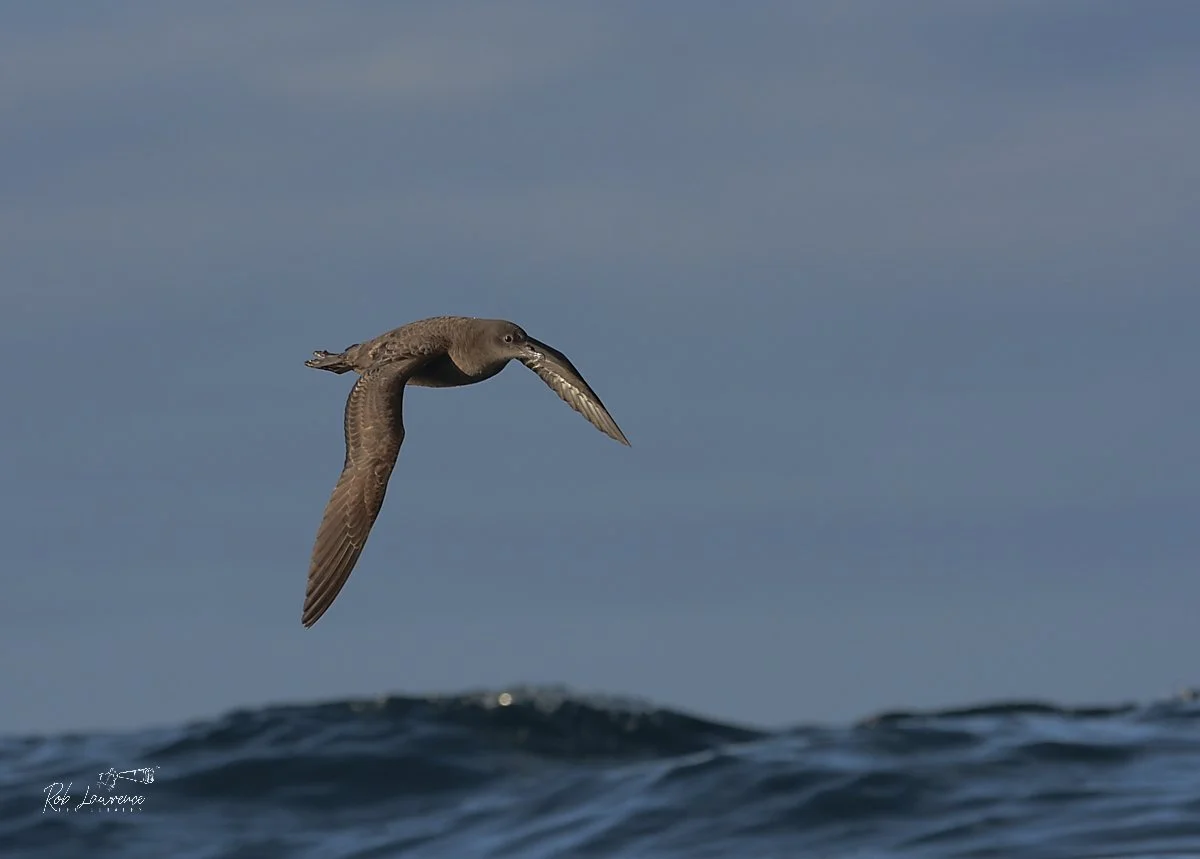
Sooty Shearwater -Muttonbird (hākoakoa) Ardenna grisea These seabirds, taste remarkably like sheep meat hence the nickname Muttonbird. Maori cultural legacy continues by sailing out once a year to the tītī islands around Rakiura (Stewart Island) where the pre-fledglings birds are Harvested and prepared.
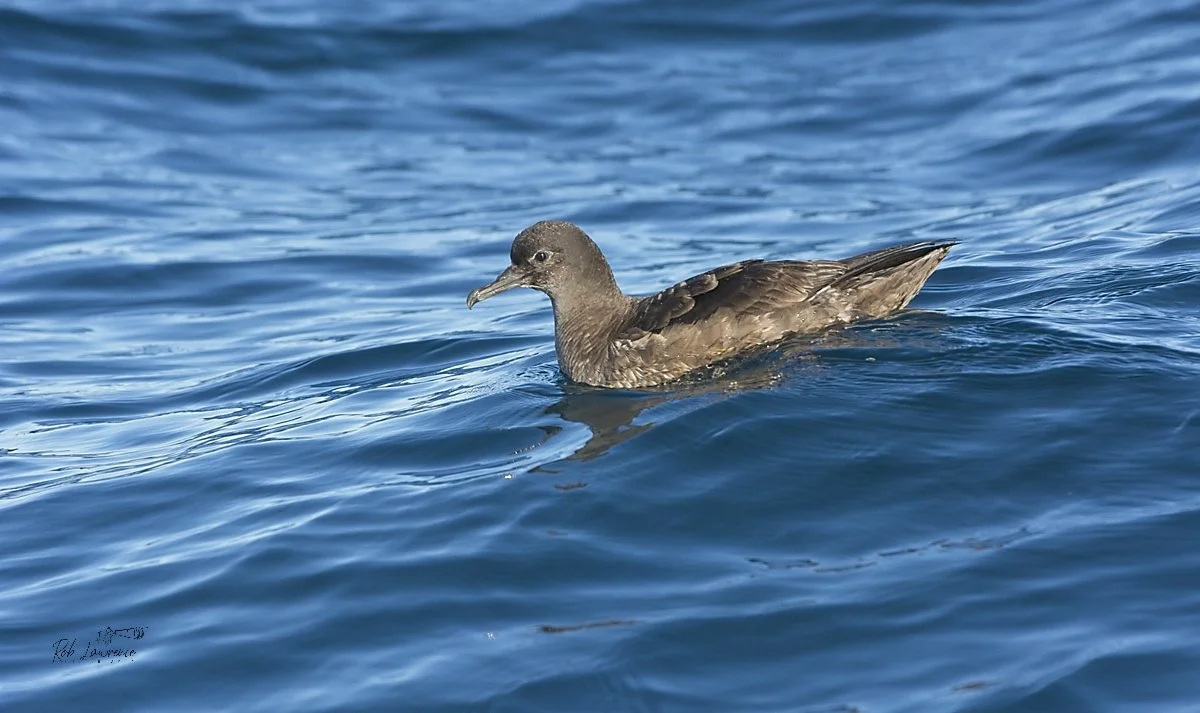
Sooty Shearwater -Muttonbird (hākoakoa) Ardenna grisea This species nests on Stewart Island and flies north off the coast of North America When I lived on the Oregon coast in the early 1980's we would see thousands of Sooty Shearwaters flying north less than a kilometre off the coast of. It was a remarkable sight.
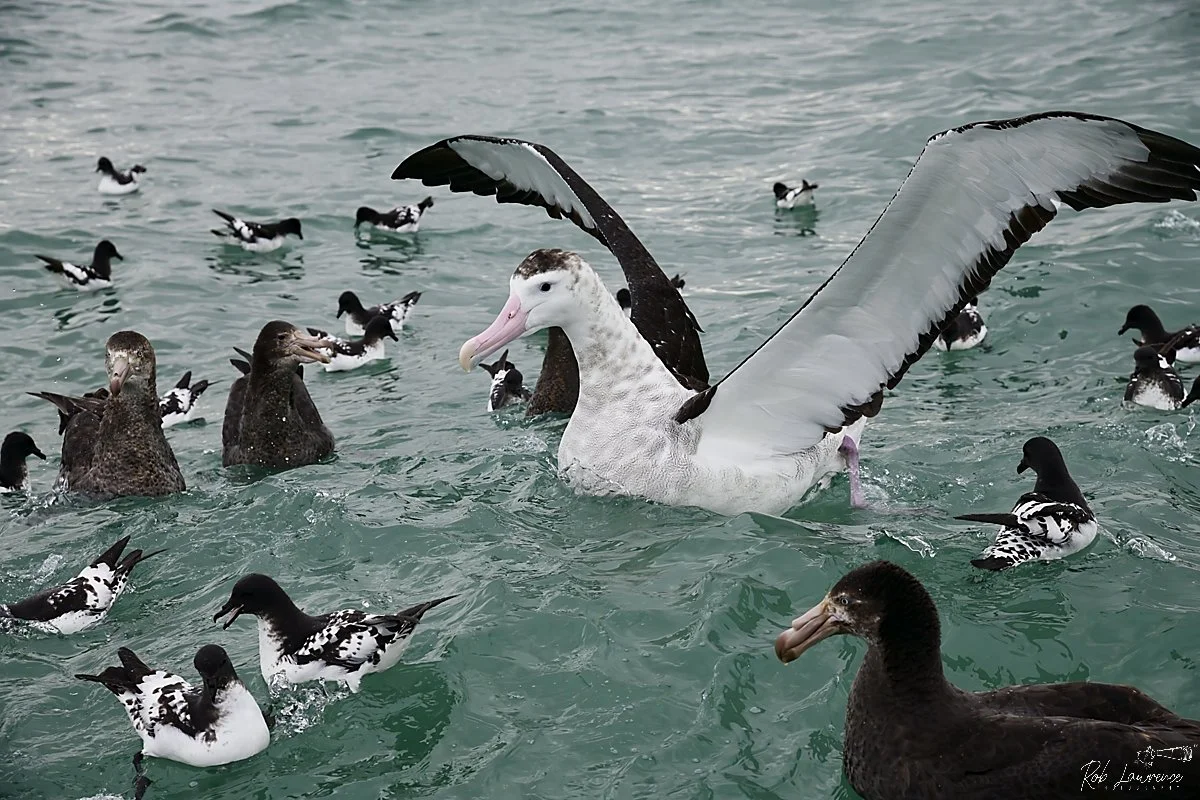
The Kaikoura neighbourhood Wandering Albatross Giant Petrel Cape Petrel
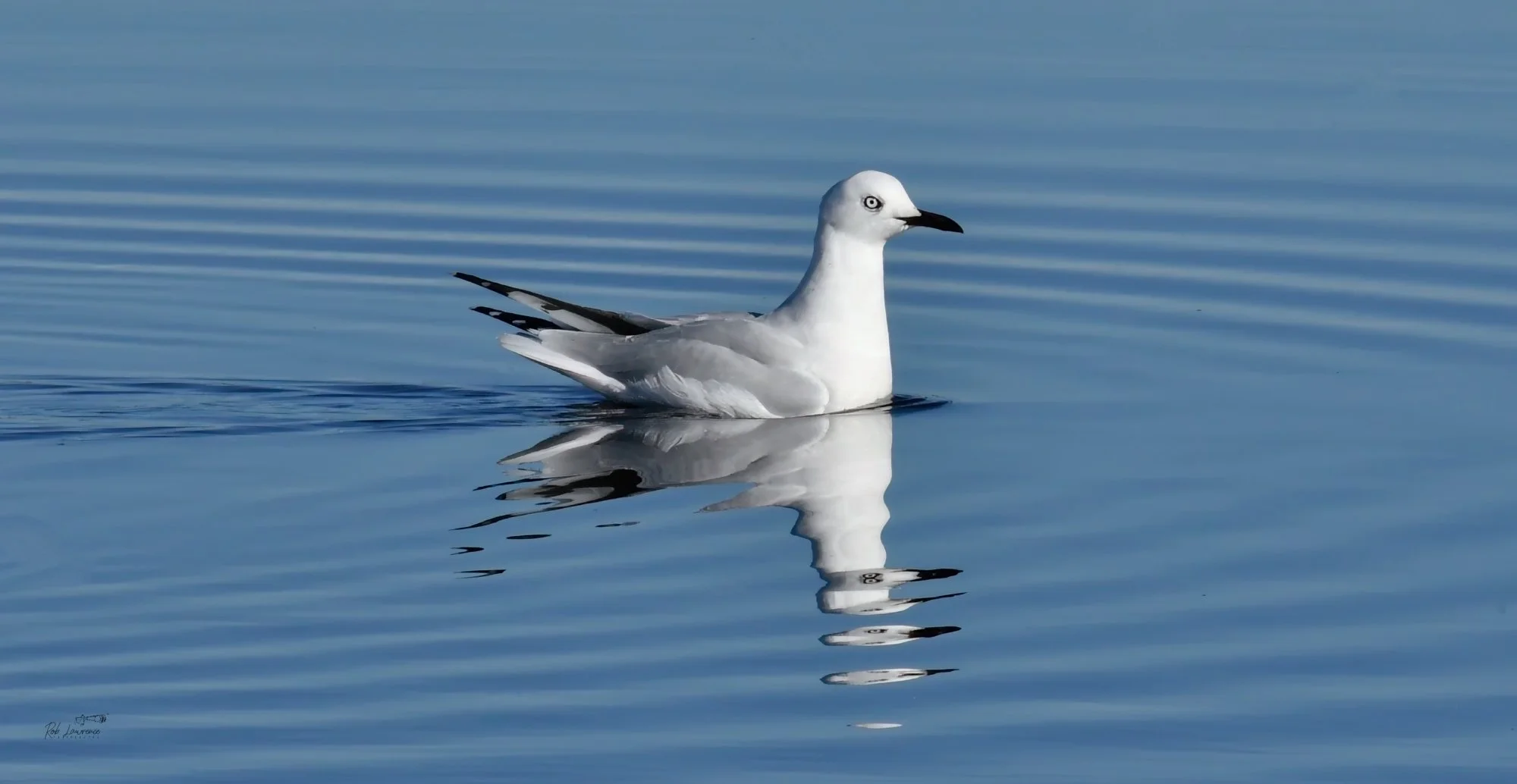
Black-billed Gull (Buller's Gull) (tarāpuka) Chroicocephalus bulleri Enjoying flat reflective water. This bird shows the distinctive white eye and black bill.
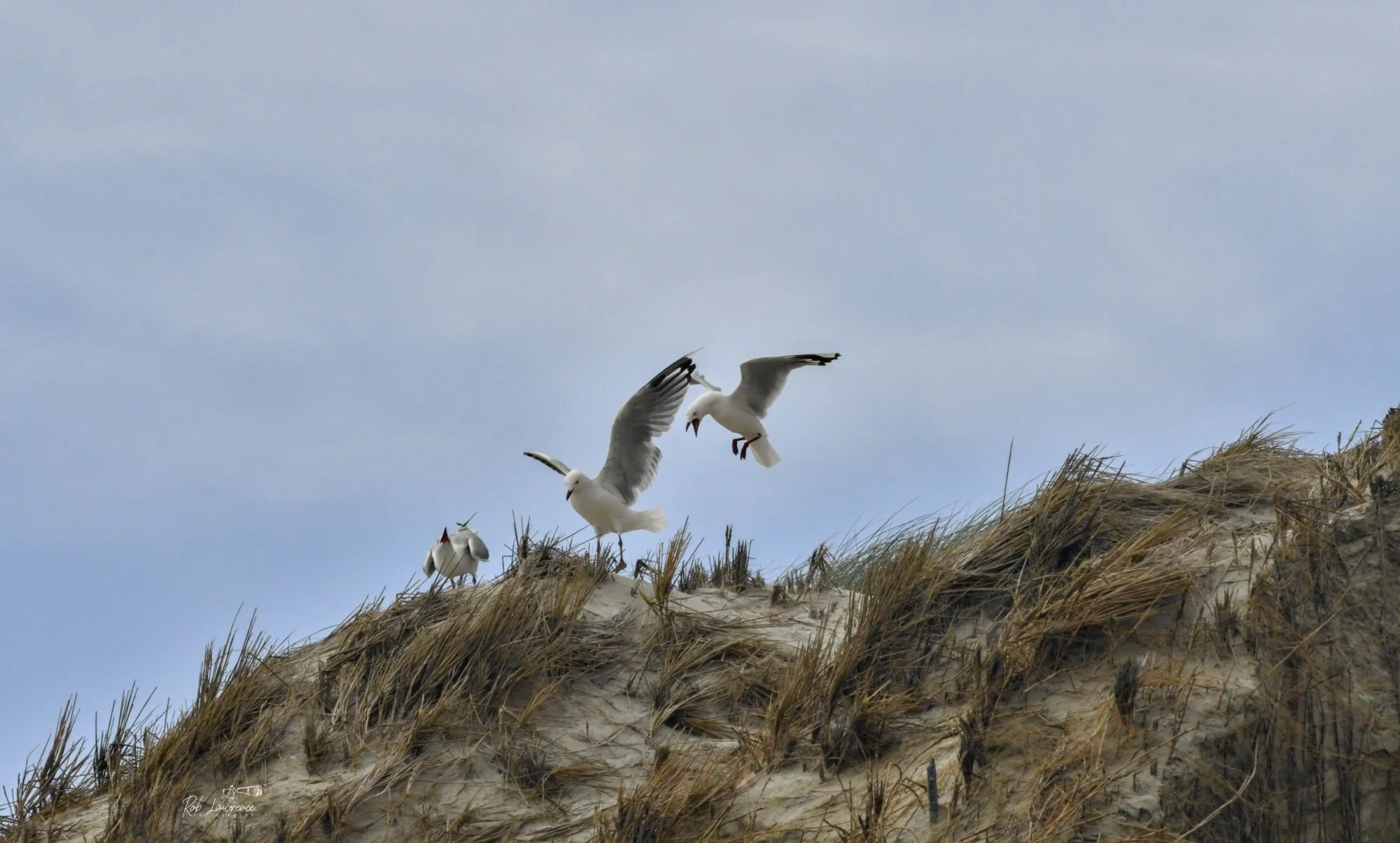
Stewart Island Red-billed gulls cavort above the windswept dune.
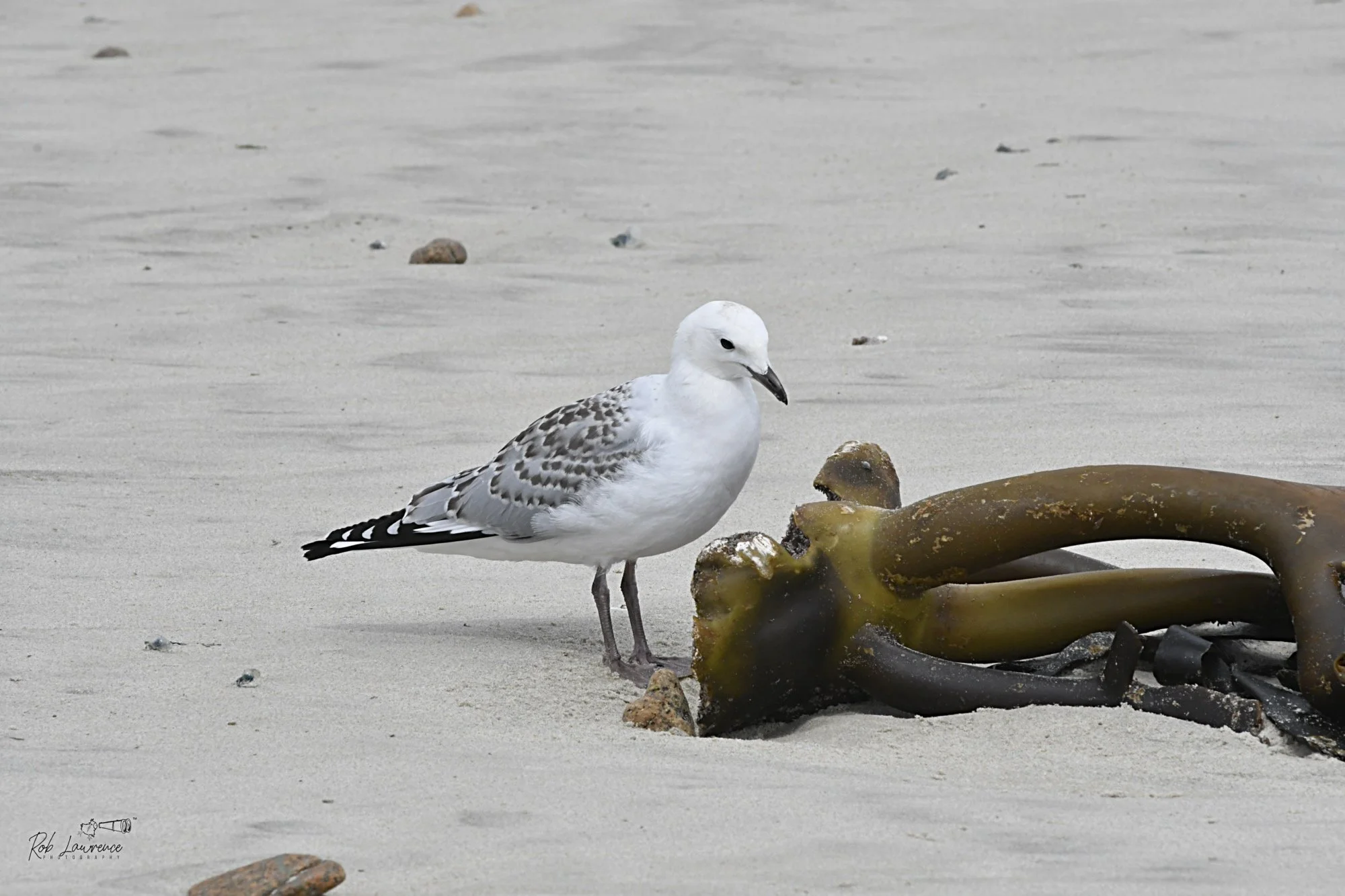
Immature Red-Billed Gull Chroicocephalus novaehollandiae Investigating kelp holdfast washed ashore Mason's Bay Stewart Island. Also known as the Silver Gull tends to occupy the coastal regions on both Islands. Immature bird such as this one can be confused with the Black-billed gull. This guys are famous for nicking fish and chips out of unwary humans fingers. They can be extremely vocal screeching at each other and any close intruders
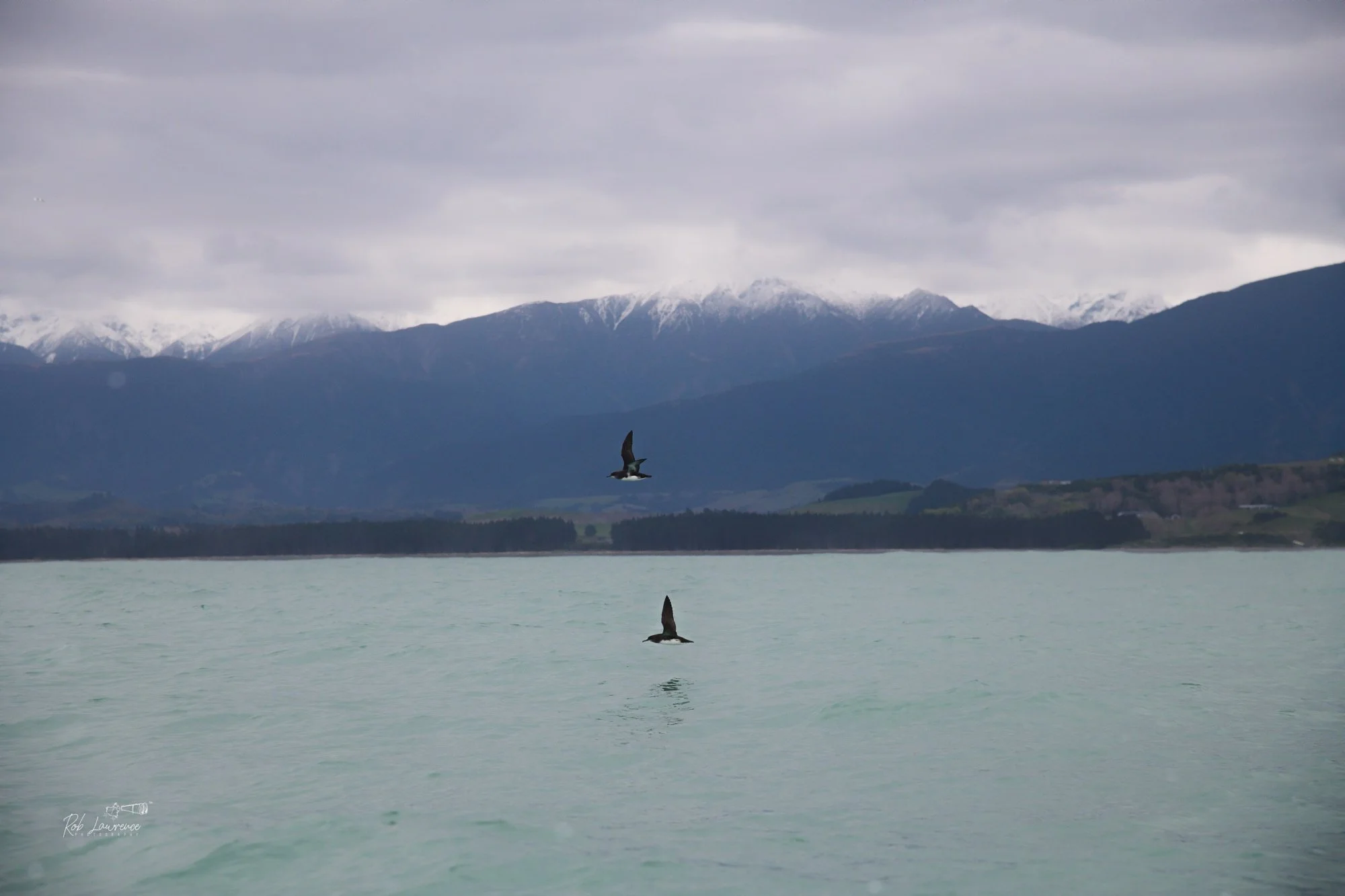
Hutton's shearwater. (kaikōura tītī) Puffinus huttoni Hutton's Shearwater is one of New Zealand's most remarkable seabirds and is unusual in that it breeds only on the mainland. Its entire breeding population is confined to just two alpine colonies high in the Seaward Kaikōura Range behind Kaikōura, making it one of the country's most geographically restricted seabirds. Historically, the species nested in a greater number of colonies across both the Seaward and Inland Kaikōura ranges. Over time, many colonies disappeared, largely through predation by introduced mammals, particularly feral pigs, even Kea the alpine parrot. There is no evidence that Hutton's Shearwater ever bred outside the Kaikōura mountains. After decades during which their precise locations were uncertain, the two surviving colonies were rediscovered in 1965 by naturalist Geoff Harrow. Today, extensive conservation work helps protect them. (see the Hutton's Shearwater Charitable trust links ). Their annual migration spans thousands of kilometres across the Pacific before returning each spring to the same mountain nesting sites. The breeding colonies were long known to Māori, who traditionally harvested the chicks as a seasonal food source.