

Our Natural Heritage of land and shore birds
Aotearoa New Zealand was one of the last great landmasses on Earth to be settled by people. The extraordinary ocean navigation of the first Māori voyagers remains one of humanity's greatest achievements. Aotearoa means Land of the Long White Cloud.
They discovered a land unlike any other. With no native terrestrial mammals—apart from two species of bats—New Zealand evolved into a world dominated by birds. Flightless giants walked the forests, unique reptiles survived from ancient times, and remarkable insects filled every ecological niche.
The story of how successive waves of human settlement changed this fragile environment has been well documented elsewhere (see the Useful Resources gallery). We are all immigrants to these islands; it is only a matter of when we arrived. Islands, however, are especially vulnerable to change. More than sixty native species have already been lost, and many others remain under threat through the direct and indirect impacts of human activity.
Yet what remains is truly remarkable. I often wonder what an untouched Aotearoa must have been like.
I am an immigrant, but I have also been a wildlife photographer and birdwatcher for almost all my life. Through these photographs I hope to share the wonder of New Zealand's natural heritage and encourage others to value and protect it for future generations.
A trusted friend once gave me advice that has stayed with me: "Write with your heart. Edit with your camera." Those words now guide not only my photography, but also the stories that accompany these images.
For readers seeking more about New Zealand bird species, visit the Department of Conservation and New Zealand Birds Online and Braided River Conference. .
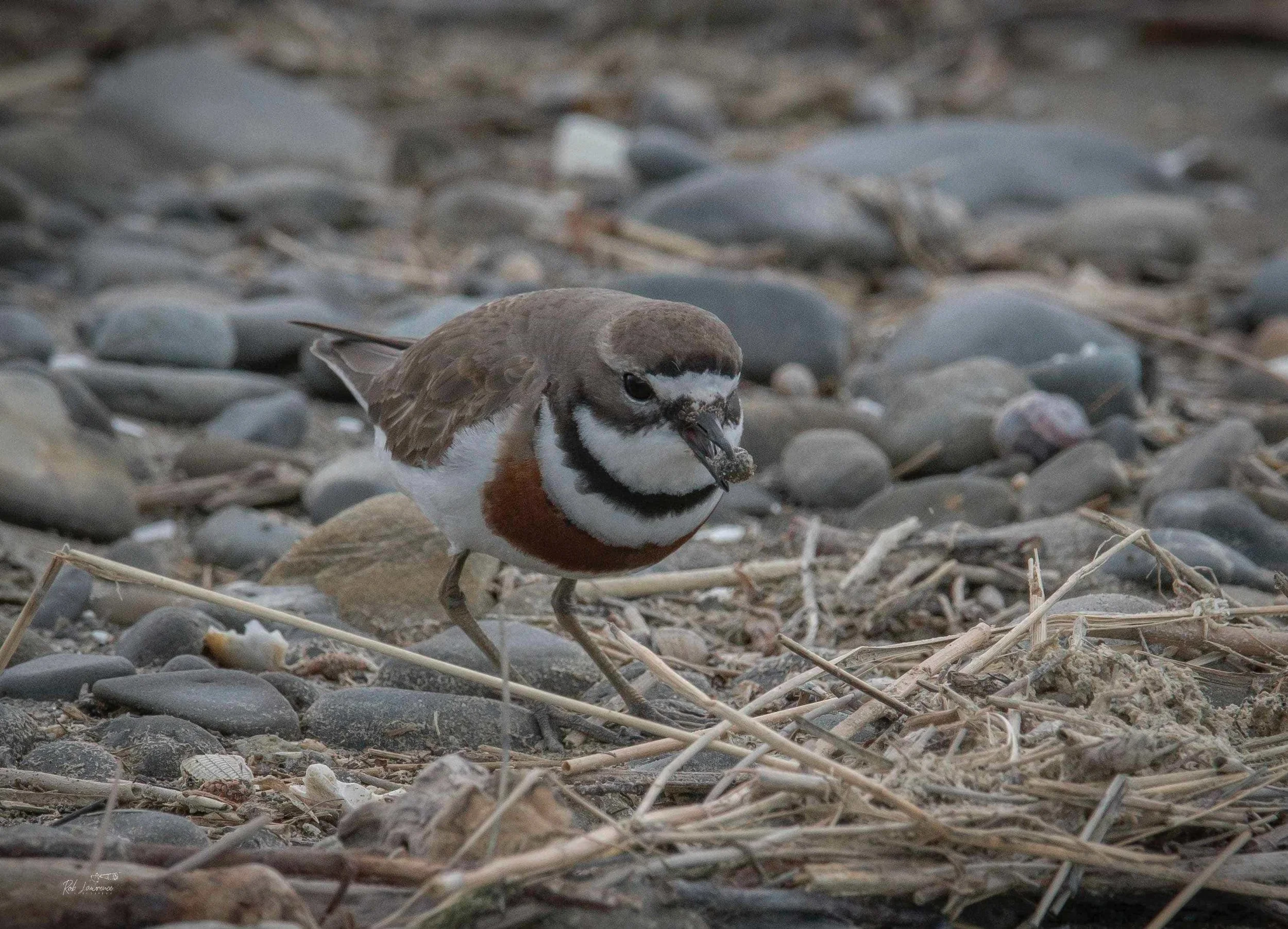
Banded Dotterel (tūturiwhatu) Anarhynchus bicinctus One of the braided river species under severe predation pressure. A beach count at South Bay near Kaikoura has recorded zero success for breeding in some years due to predation by feral cats.
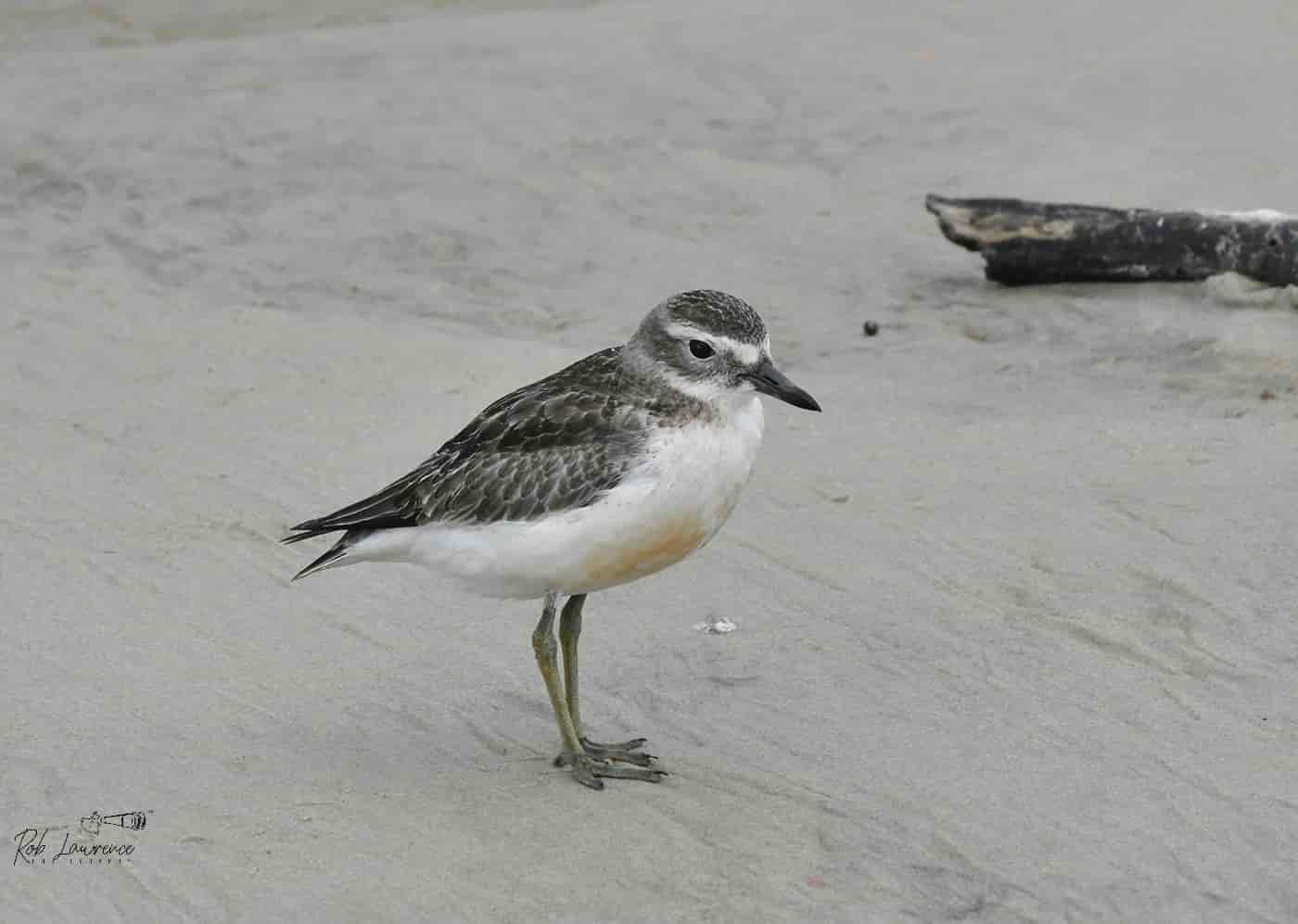
Southern New Dotterel (tūturiwhatu-pukunui) Anarhynchus obscurus obscurus The Southern New Zealand Dotterel (tūturiwhatu-pukunui) is an endemic shorebird found only in New Zealand. Of the two recognised subspecies, the southern bird has the more precarious future. Confined mainly to Stewart Island / Rakiura and nearby islands, it is Critically Endangered. A Department of Conservation census recorded just 101 birds in 2024, down from 126 the previous year. They nest in shallow scrapes on open beaches and sandy estuaries, leaving eggs and chicks vulnerable to introduced predators, habitat loss, vehicles and unleashed dogs. Beautifully camouflaged in soft brown and off-white plumage, breeding adults develop a warm orange breast. They form long-term pairs and are devoted parents, famously performing the "broken-wing" display to lure predators away from their nest. Photographed at Mason's Bay, Stewart Island / Rakiura.
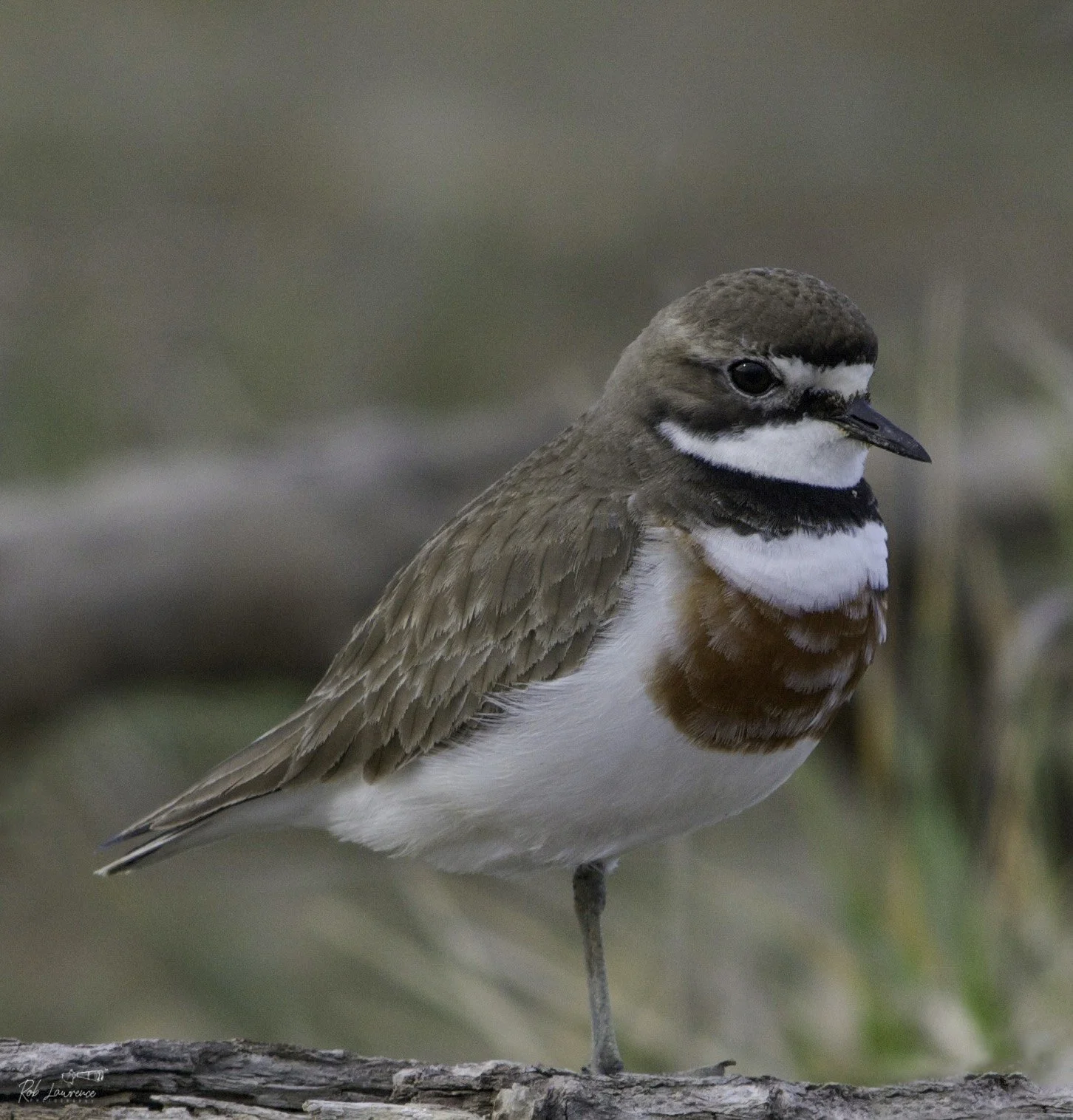
Banded Dotterel (tūturiwhatu) Anarhynchus bicinctus Predation from hedgehogs and cats has been identified, leading to the experimental use of ‘nesting exclosures’. This led to improved breeding success. However, the following year at least one cat identified the cages as a marker for a potential meal and waited for dotterels to leave the cage before killing them. The search for predation control and improving breeding success on the Banded Dotterel remains a challenge
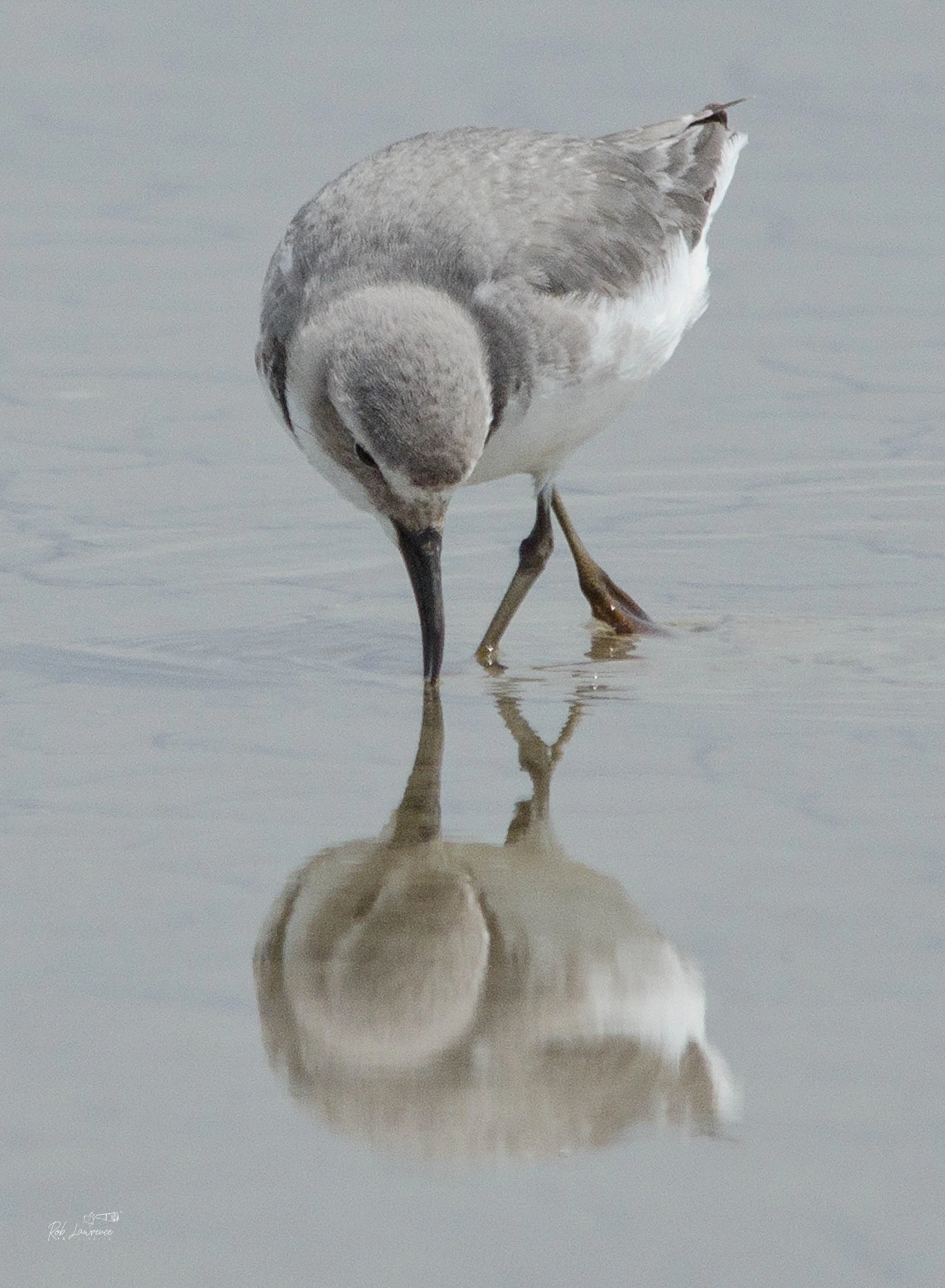
Wrybill. (ngutu pare) Anarhynchus frontalis The curved bill is more evident in this photo. I have many other photos of the Wry Bill in almost comical poses. It is one on my favourite small waders. They move up and down their resident river seasonally nesting up stream and wintering at the river mouth. Their nest is a small scrap in a gravel bed and is well concealed
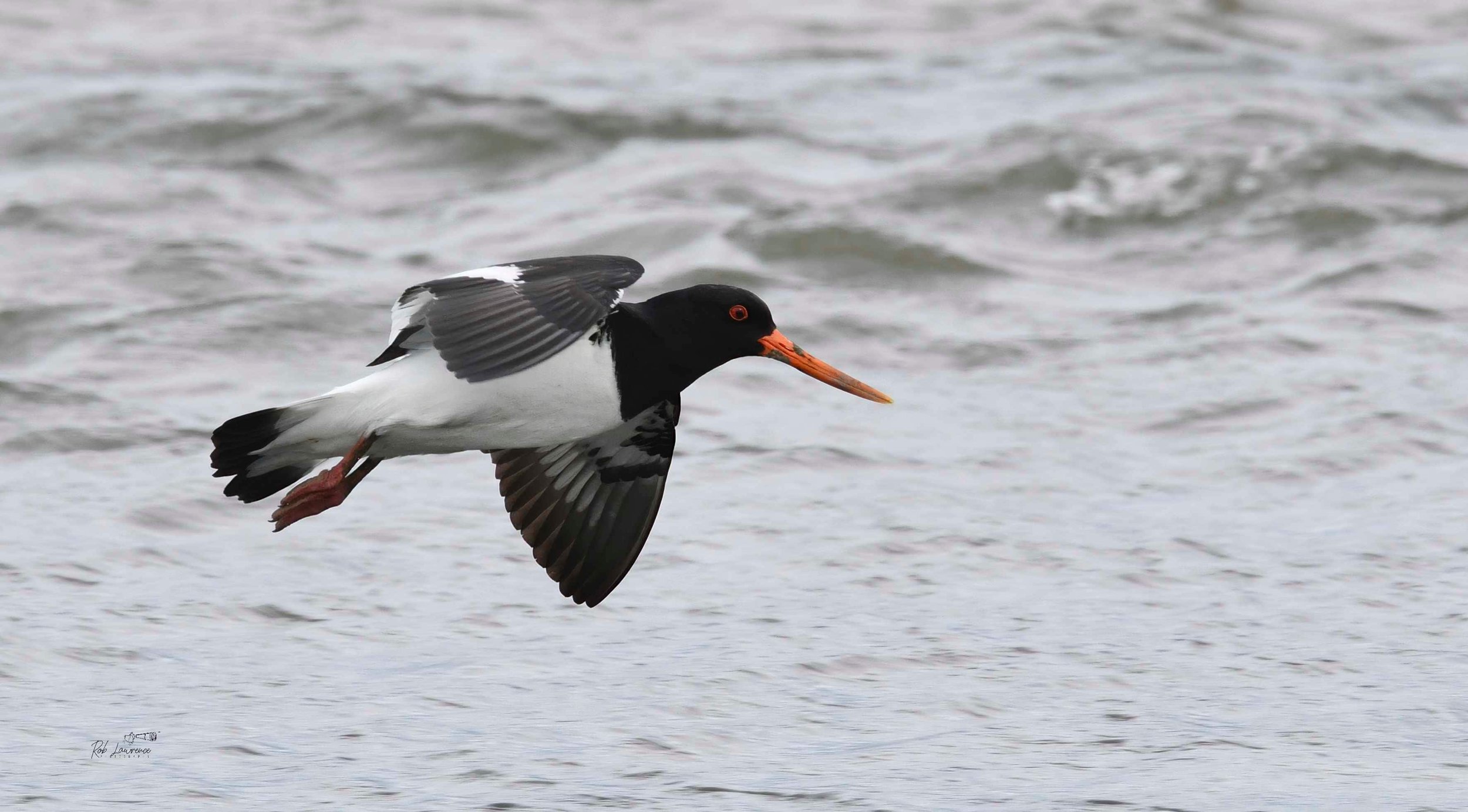
South Island Pied Oystercatcher (SIPO) – Tōrea Tuawhenua Haematopus finschi The South Island Pied Oystercatcher (Tōrea Tuawhenua) is one of New Zealand's most familiar and widespread shorebirds. While commonly seen around beaches, estuaries and mudflats during autumn and winter, it breeds mainly on the braided rivers and farmland east of the Southern Alps. Its nest is a simple scrape on gravel riverbeds or open paddocks, where the well-camouflaged eggs remain vulnerable to predators, flooding, stock and human disturbance. Outside the breeding season, thousands gather in large flocks to feed on shellfish, worms and other marine invertebrates. Research is helping scientists better understand the movements of adults and juveniles throughout Aotearoa New Zealand, and sightings of colour-banded birds can be reported to the Department of Conservation. A highly adaptable species, the South Island Pied Oystercatcher has benefited from the expansion of pasture farmland and is now considered one of New Zealand's conservation success stories, although its braided river breeding habitat still requires ongoing protection. Photographed at Waikuku Beach North Canterbury
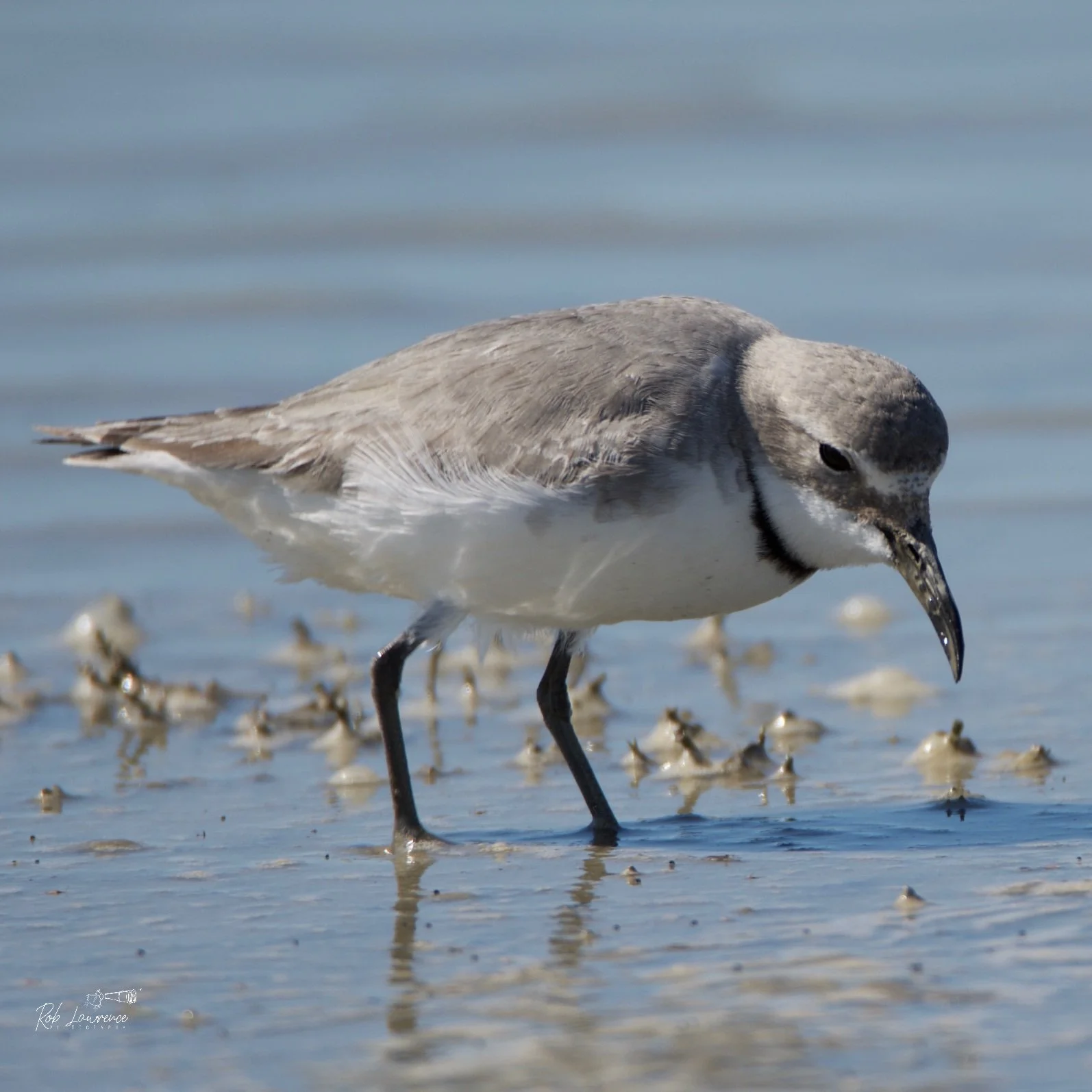
Wrybill. (ngutu pare). Anarhynchus frontalis One of my favourite waders, the Wrybill is found only in New Zealand and is one of our most remarkable endemic birds. It is the world's only bird with an asymmetrically curved bill, bent about 15 degrees to the right. This unique adaptation allows it to probe beneath river stones and shingle for freshwater insects and other small invertebrates. During the breeding season, adults develop a distinctive black breast band, while their pale grey upperparts and white underparts provide excellent camouflage on braided riverbeds. Wrybills breed exclusively on the braided rivers of Canterbury and Otago before migrating to estuaries and harbours throughout the North Island for winter. Like many braided river birds, they face ongoing threats from introduced predators, habitat disturbance and changing river systems. The Wrybill is a taonga species for Ngāi Tahu, holding deep cultural, spiritual and historical significance. Photographed on the braided rivers of Canterbury.
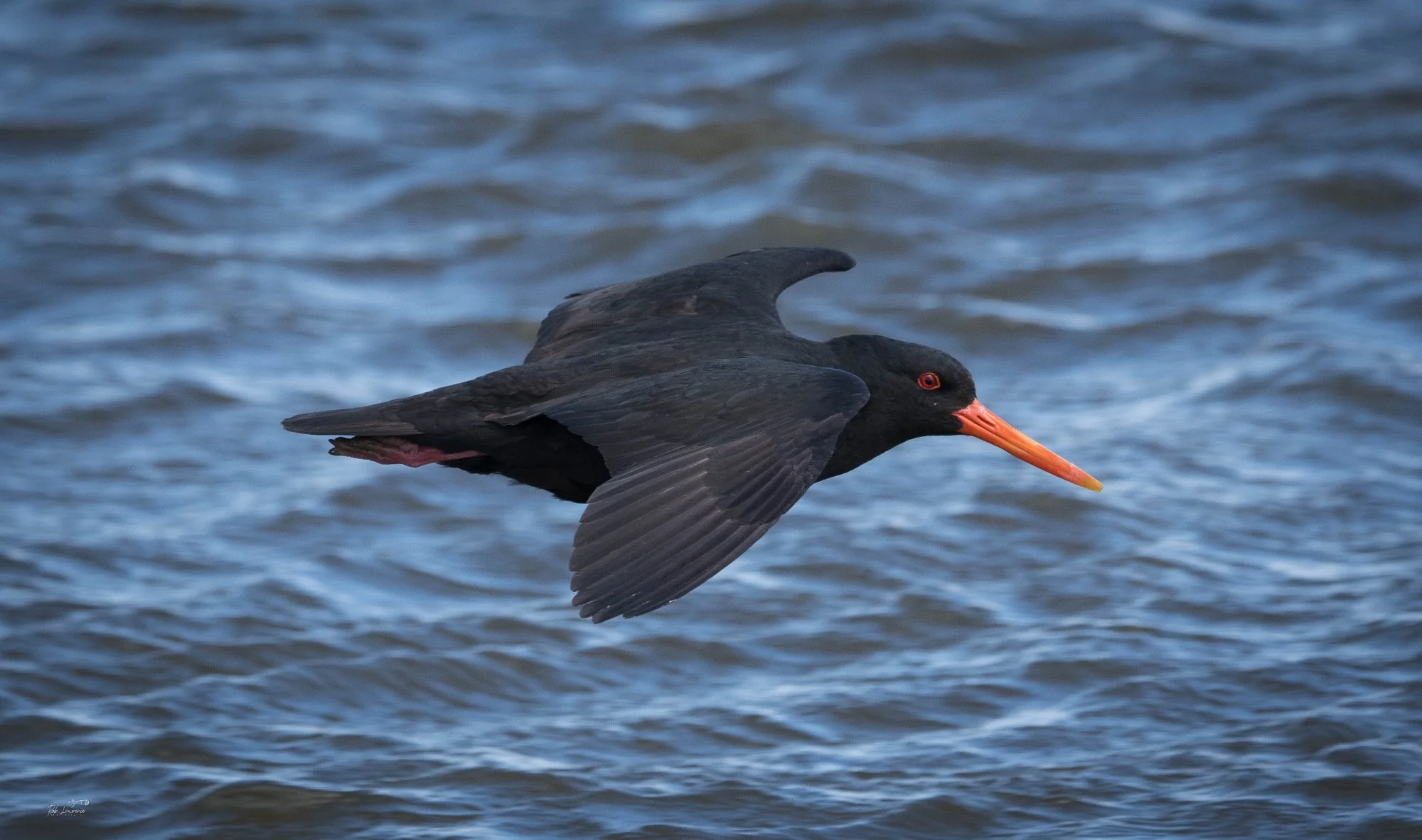
Variable Oystercatcher (torea pango) Haematopus unicolor Variable oystercatcher nest on sandy beaches, and in dunes. they are not as critical as the SIPO They are very vocal; loud piping is used in territorial interactions and when alarmed. Adult urnderparts vary from all black, through a range of ‘smudgy’ to white. The percentage of all-black birds increases the further south in the range. They have a very long bright orange bill and pink legs; red iris and orange eye-ring . The pied morph of the variable oystercatcher can be confused with the South Island Pied oystercatcher. Photographed Ashley River Mouth
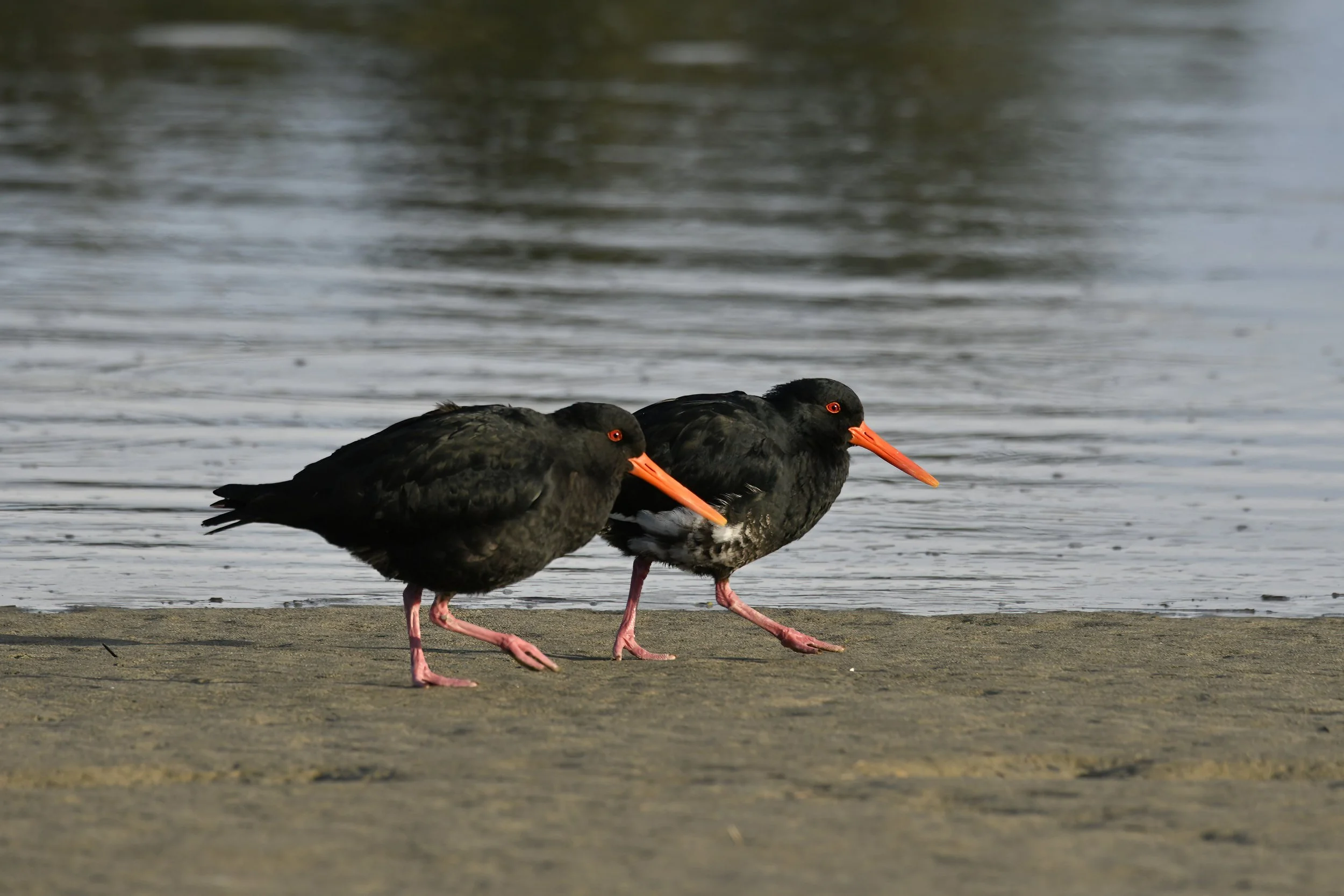
Variable Oystercatcher both phases (torea tai torea pango- Dark Phase) Haematopus unicolor This pair shows some of the variable underpart colour variation
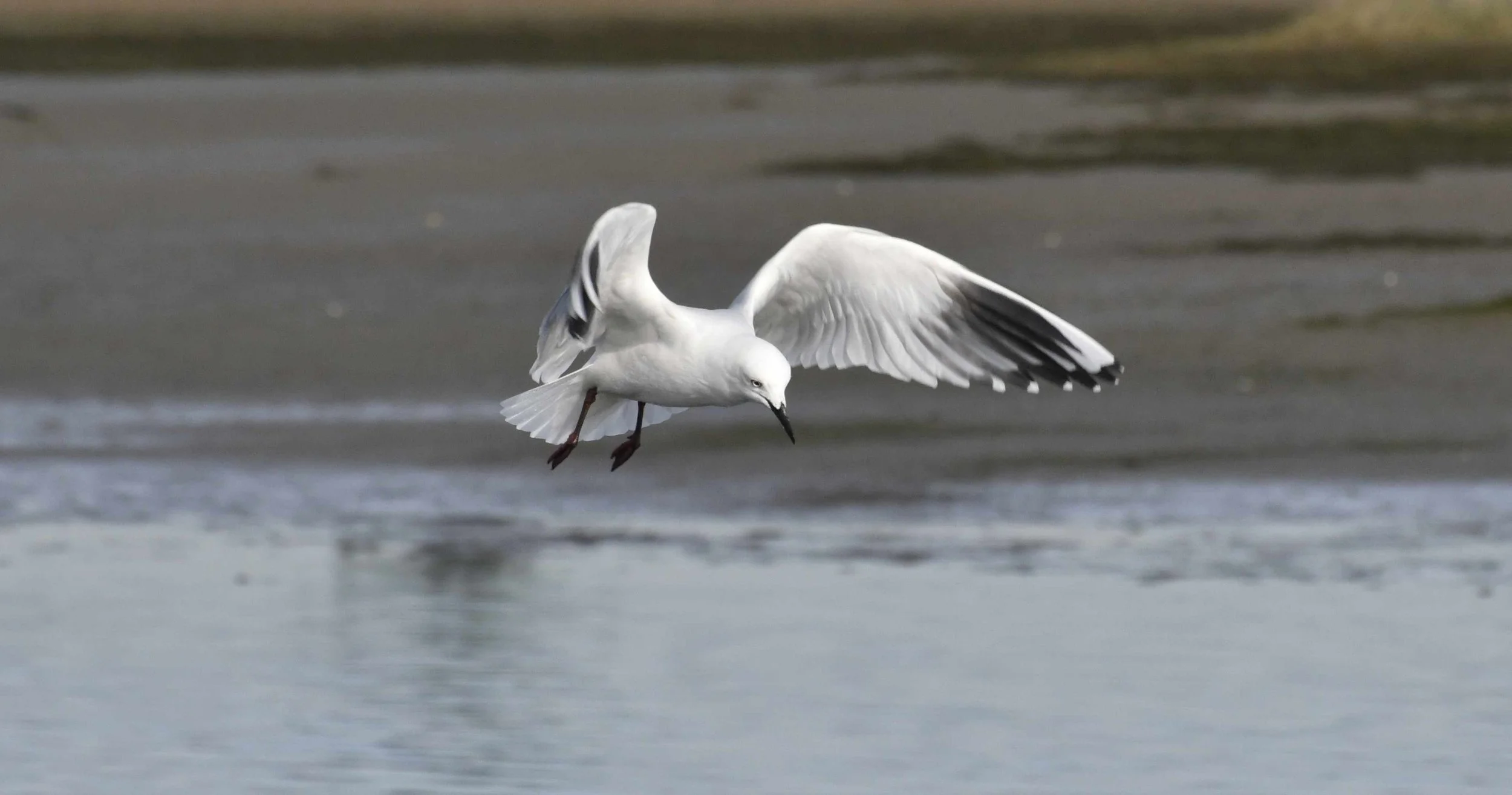
Black-billed gull. (tarapuka) Chroicocephalus bulleri This is one of my favourite bird species. It is a critically threatened braided river nester and is regarded as the world's most threatened gull. They nest in large colonies, a strategy that offers some protection but can also leave entire breeding populations vulnerable. Introduced predators can devastate a colony in a very short time, while irresponsible human behaviour can be equally destructive. In Southland, predators have killed hundreds of nesting birds, and near Ashburton an entire colony visible from State Highway 1 was destroyed by an individual riding a quad bike through the nesting area. Following the 2011 Canterbury earthquake, an unexpected sanctuary emerged in central Christchurch. The exposed foundations of the former PWC building provided a safe nesting site, where a colony successfully raised chicks on the concrete foundation pillars, protected from many of the threats they face on the region's braided rivers.
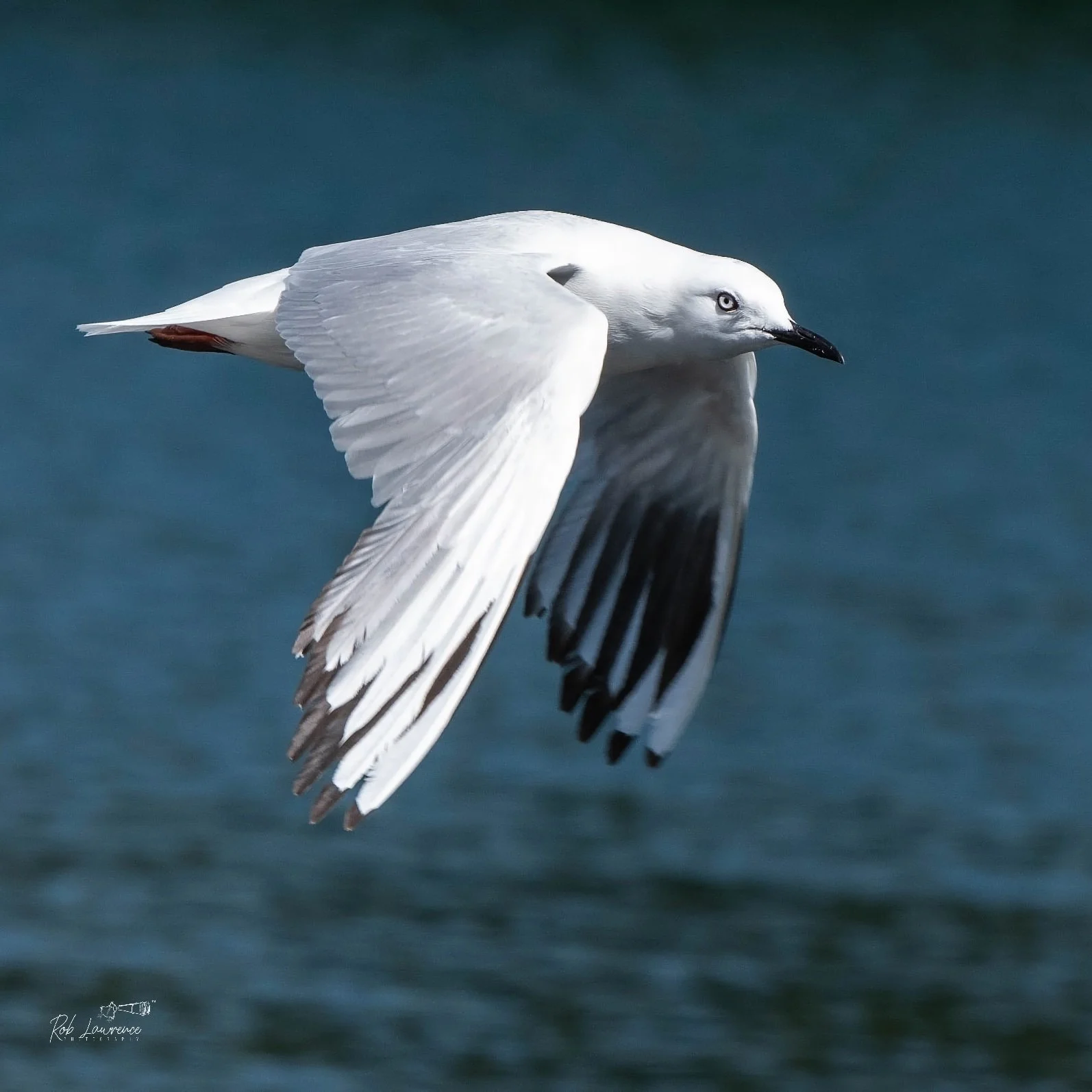
Black-billed gull. (tarapuka) Chroicocephalus bulleri Endemic (unique) to New Zealand, the black-billed gull also known as Buller’s gull, it s a medium-sized gull measuring 35-38cm and weighing 230grams. Unlike other common gulls, black-billed gulls are not normally scavengers, and so they are less likely to be found in towns and cities. white eye. Photographed at Ashley River Mouth
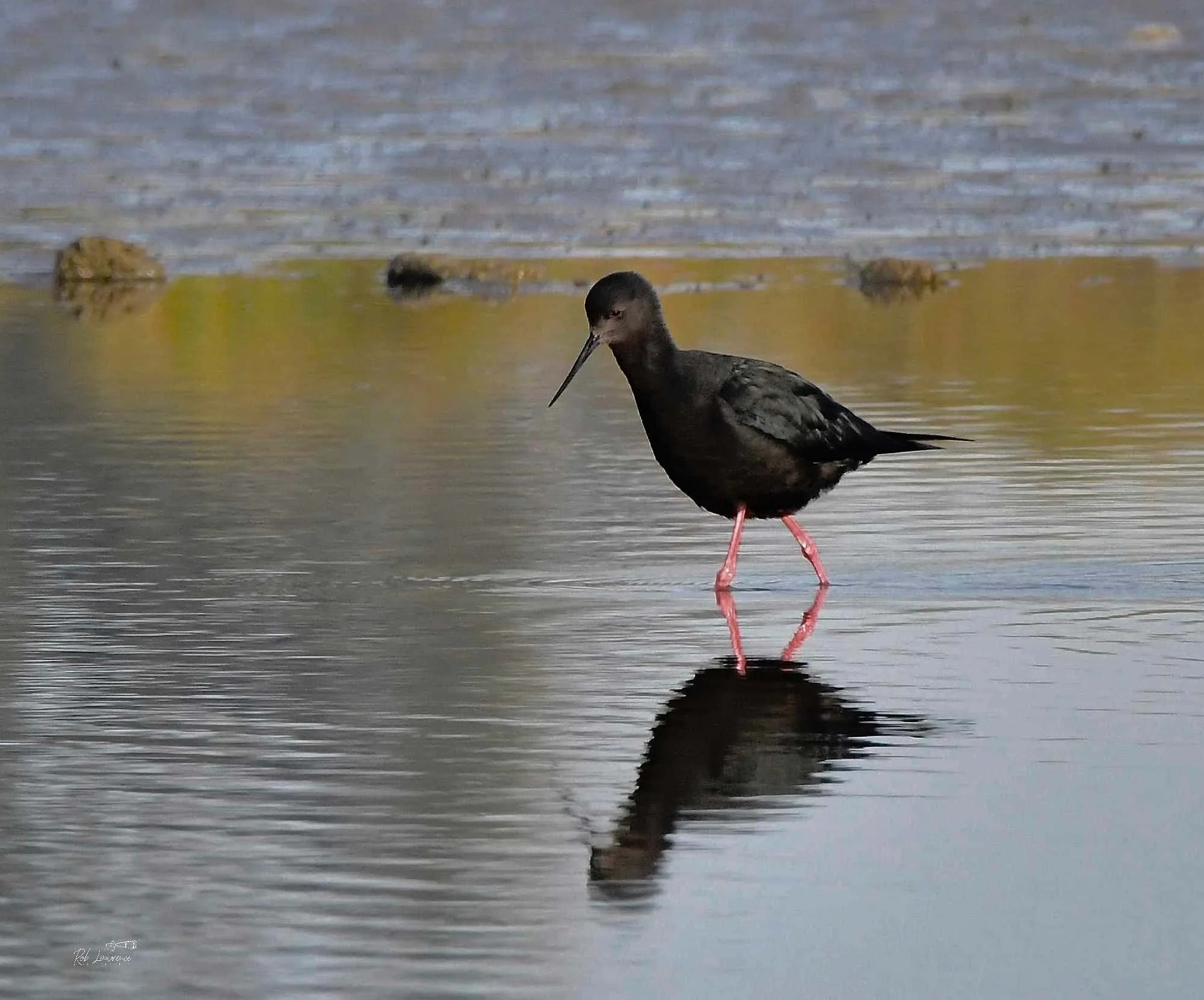
Black Stilt. (kaki) Himantopus novaezlandiae Once common throughout New Zealand, the black stilt | kakī is now restricted to the braided rivers and wetlands of the Mackenzie Basin, South Island (locally in the Ashley River estuary, however, it breeds with a poaka Pied Stilt , creating a hybrid). Each pair of black stilt nest alone on stable banks near the water in braided riverbeds, side streams, and swamps. They are regarded by Māori as a taonga species (living treasure)
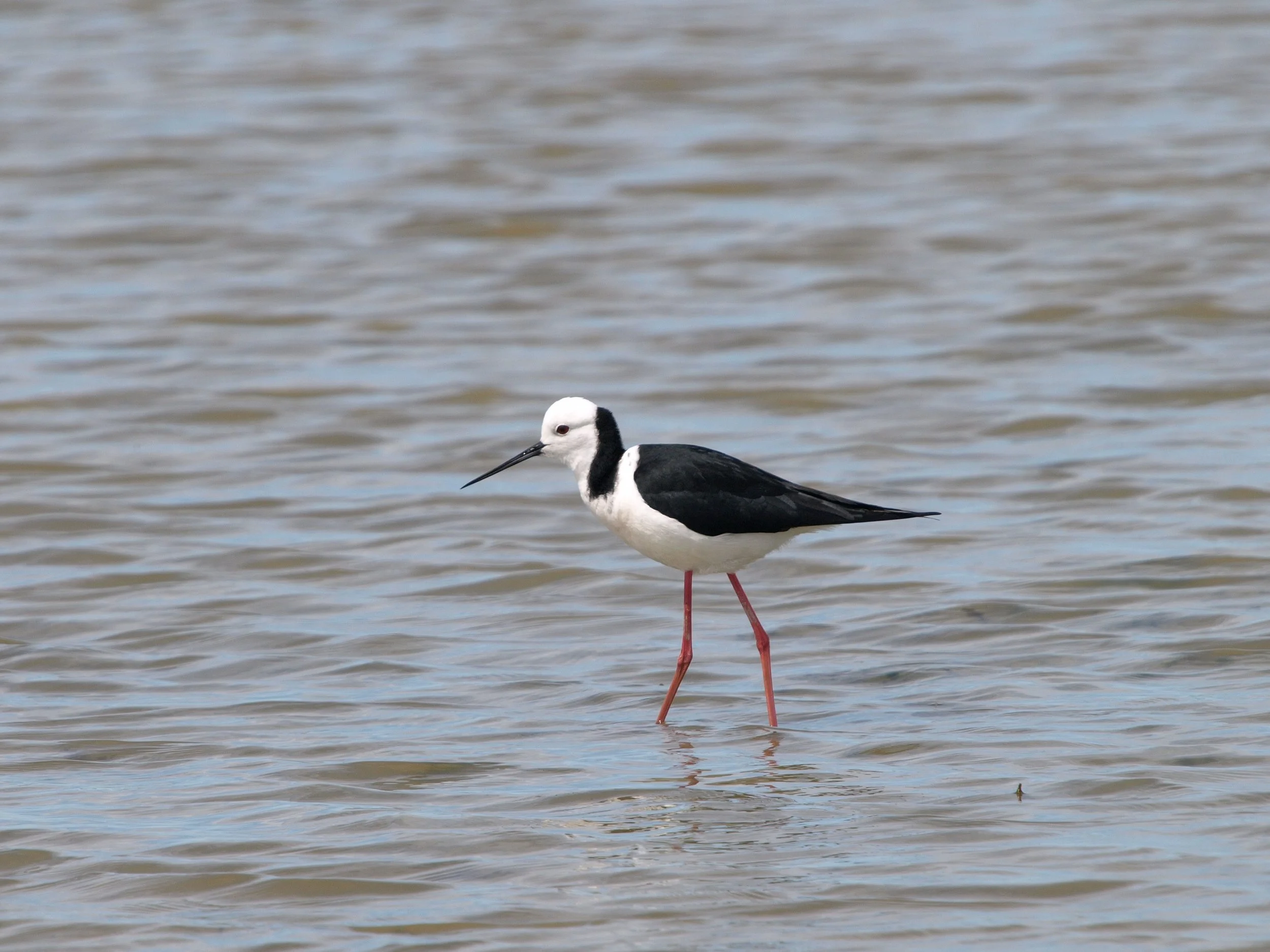
Pied Stilt (polka) Himantopus leucocephalus The Pied Stilt (poaka) is a familiar shorebird found throughout New Zealand's wetlands, estuaries and river margins. Widespread across Asia and the Pacific, it feeds on aquatic insects, small crustaceans and molluscs, probing shallow water with its long, slender bill. Highly social, Pied Stilts are often seen in mixed flocks with the critically endangered Kākī (Black Stilt). One of the greatest conservation challenges for Kākī has been hybridisation with the much more numerous Pied Stilt. Intensive management has greatly reduced hybridisation within managed breeding populations, although it remains an ongoing concern in the wild. The recovery of Kākī is one of New Zealand's great conservation efforts. Whether this unique species can continue to resist the pressures of hybridisation remains one of the challenges for future generations. Photographed in Waiuku Beach .
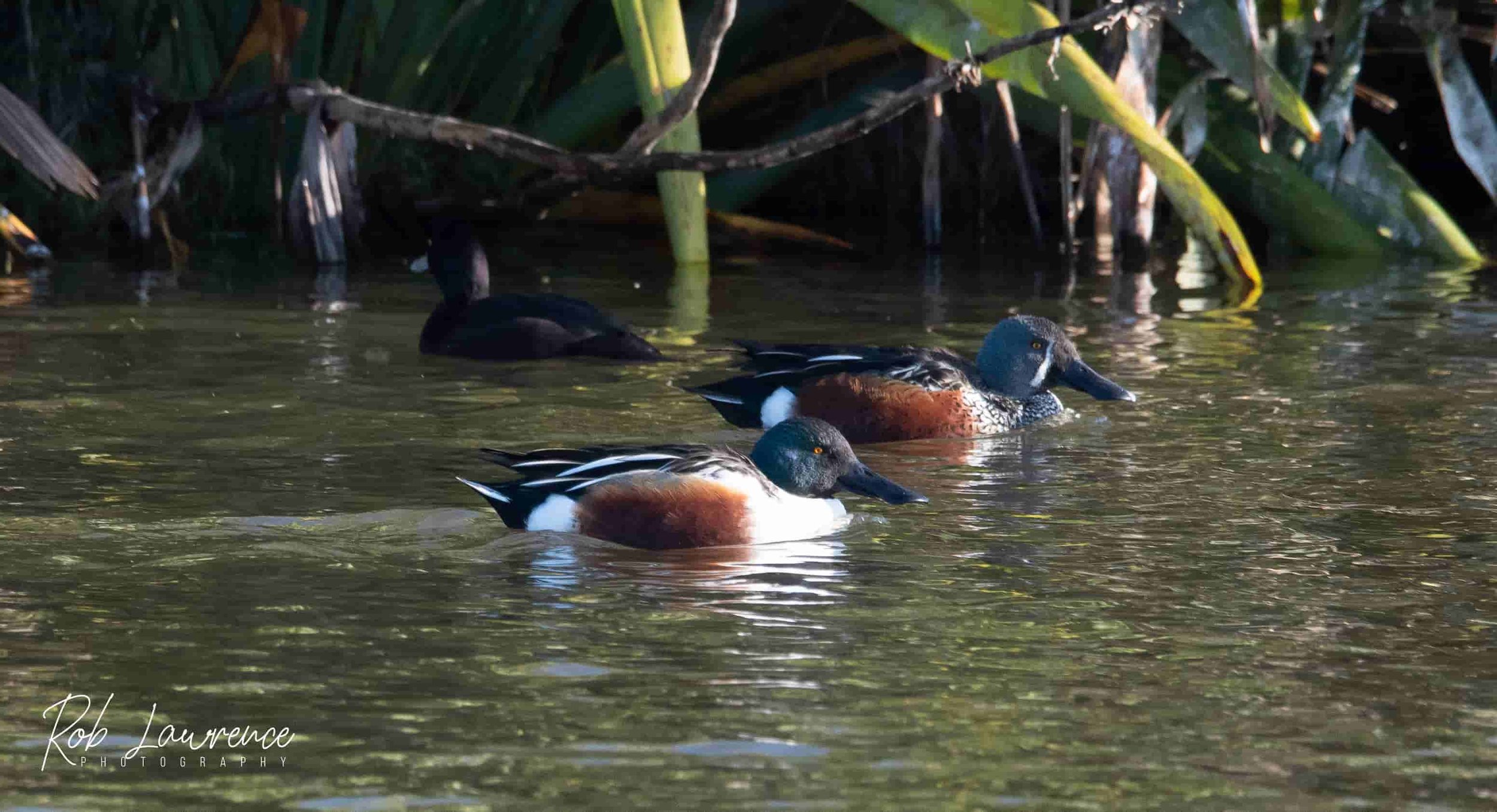
Northern Shoveler Anas clypeata Australian Shovelers (kuruwhengi) Anas rhynchotis This photo was taken at Pegasus Ponds and shows both species of Shovelers. The Northern Shoveler is a migratory duck that breeds throughout the temperate regions of the Northern Hemisphere. On rare occasions, a few birds wander south of the equator during migration, with approximately 30 records from New Zealand. The Australasian Shoveler is a highly mobile species that undertakes annual movements the length of New Zealand before returning to its breeding areas. The survival and movement of these birds are influenced by the phase and intensity of the El Niño–Southern Oscillation (ENSO). During strong El Niño conditions, North Island populations tend to experience lower survival rates and increased movements, while populations in parts of the South Island are associated with higher survival and reduced movement. Under La Niña conditions, these patterns are generally reversed.
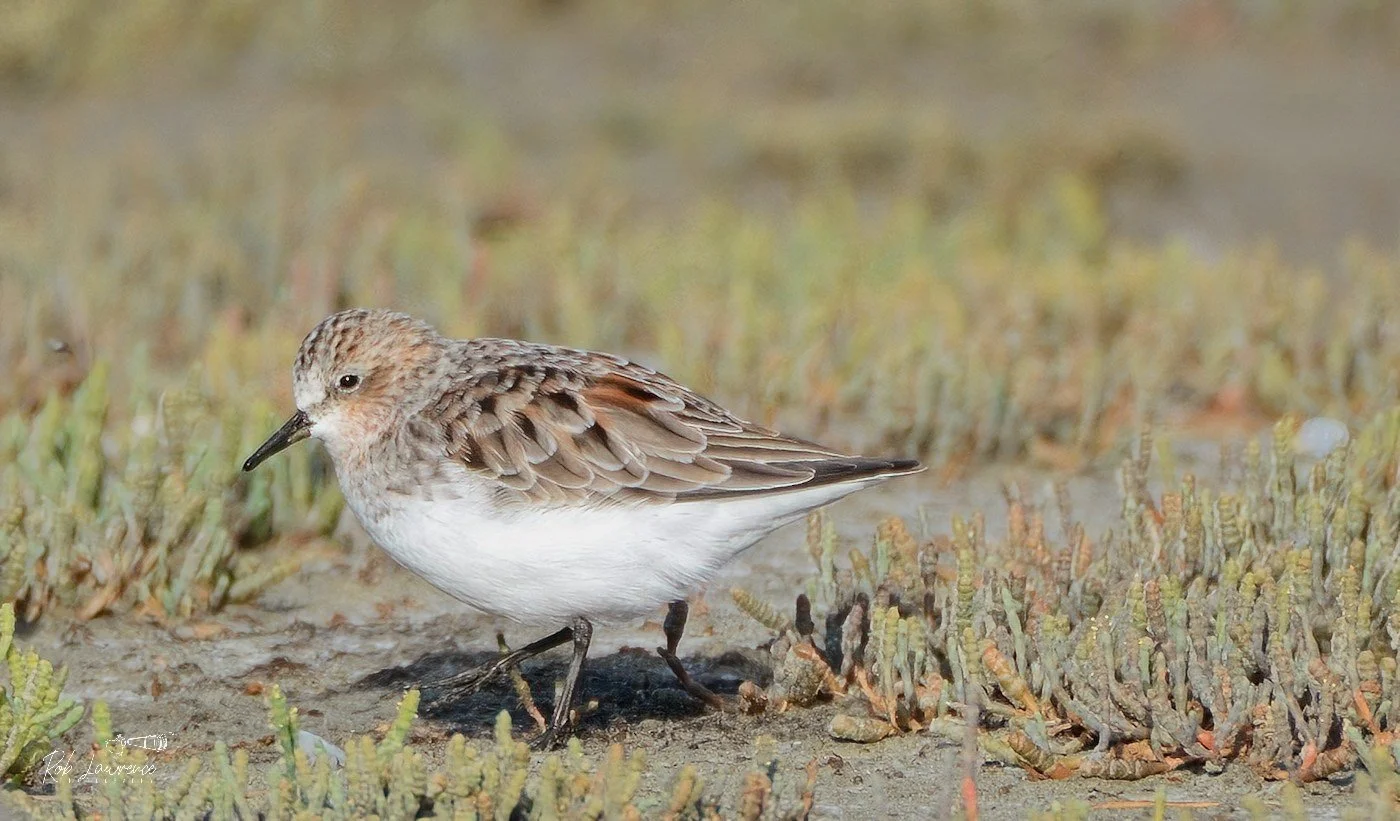
Red-necked stint Calidris ruficollis Stints are the smallest of the migratory waders, barely larger than a sparrow. The Red-necked Stint is the only stint species to occur regularly in New Zealand, with up to 200 birds spending the southern summer here each year. They are most often seen at high-tide roosts, associating with other small waders, particularly Wrybills and other sandpipers. Red-necked Stints breed in north-eastern Siberia before migrating through East and South-East Asia to Australia and New Zealand. They are found at scattered, mainly coastal sites throughout the country. This bird was photographed on the Greenpark Sands of Te Waihora (Lake Ellesmere). Fewer than 50 birds remain in New Zealand over the southern winter. Like many waders that rely on the East Asian–Australasian Flyway, Red-necked Stints are threatened by coastal reclamation, pollution, and hunting along their migration route.
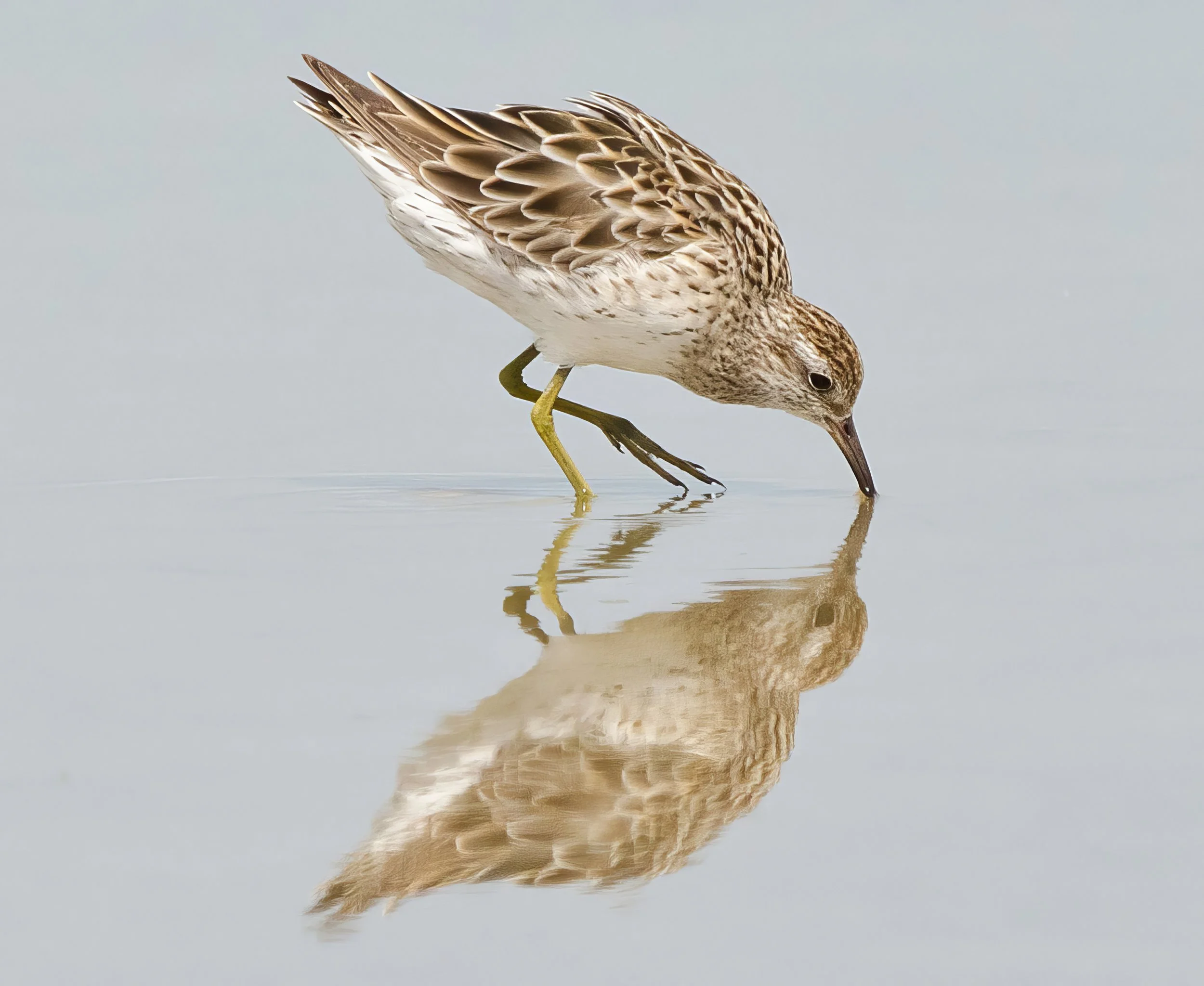
Sharp-tailed Sandpiper Calidris acuminate The Calidris sandpipers are a bewildering group of small to medium-sized wading birds, many of which are remarkably similar in appearance. Almost all are long-distance migrants, capable of crossing vast expanses of ocean to reach New Zealand. The Sharp-tailed Sandpiper is one of New Zealand's regular migratory sandpipers, along with the Lesser Knot, Red-necked Stint, and Curlew Sandpiper. Until the 1990s, as many as 200 Sharp-tailed Sandpipers visited New Zealand each summer. Since then, their numbers have declined dramatically, with perhaps as few as 30 birds now reaching our shores each year. Sharp-tailed Sandpipers are present in New Zealand from September to April, although a small number remain through the winter. They are found mainly in tidal estuaries, harbours, and around the shallow margins of lowland lakes, favouring areas of short, sparse vegetation. They are often seen feeding alongside Wrybill and Banded Dotterel. Both the common name and the scientific name, acuminata, refer to the bird's distinctive sharply pointed tail feathers, a feature most noticeable when it is in flight. Photographed on the Green Park Sands at Te Wahroa
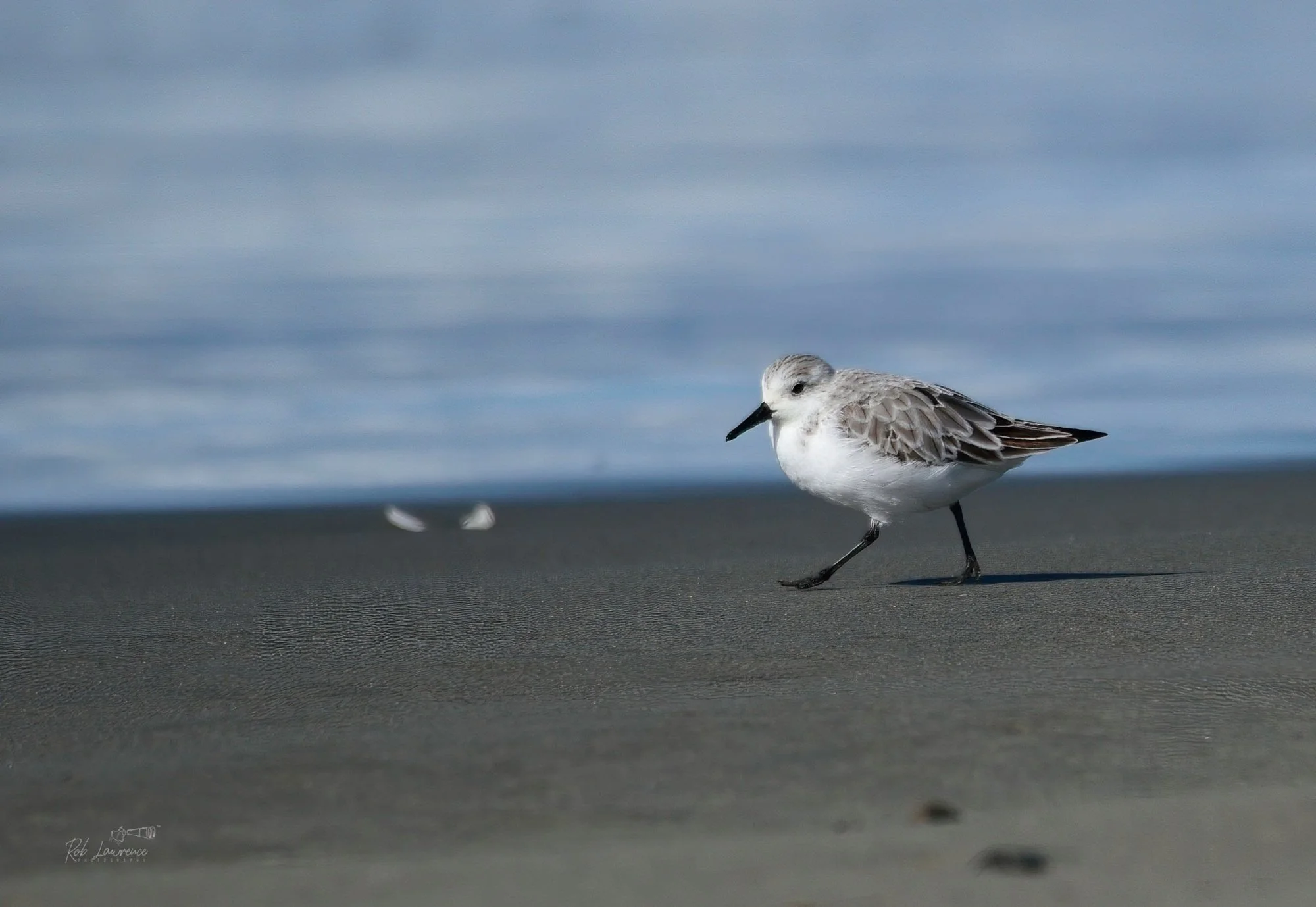
Sanderling Calidris alba The sanderling is a circumpolar Arctic breeder, being among the most extreme northern breeding birds in the world, nesting only on the coldest tundra, north of the 5°C July isotherm; in Europe, its southernmost breeding locality is Svalbard, where only a handful pairs breed. It is a long-distance migrant, wintering south to South America, western and southern Europe, Africa, and Australia. Photographed on Waikukuk Beach
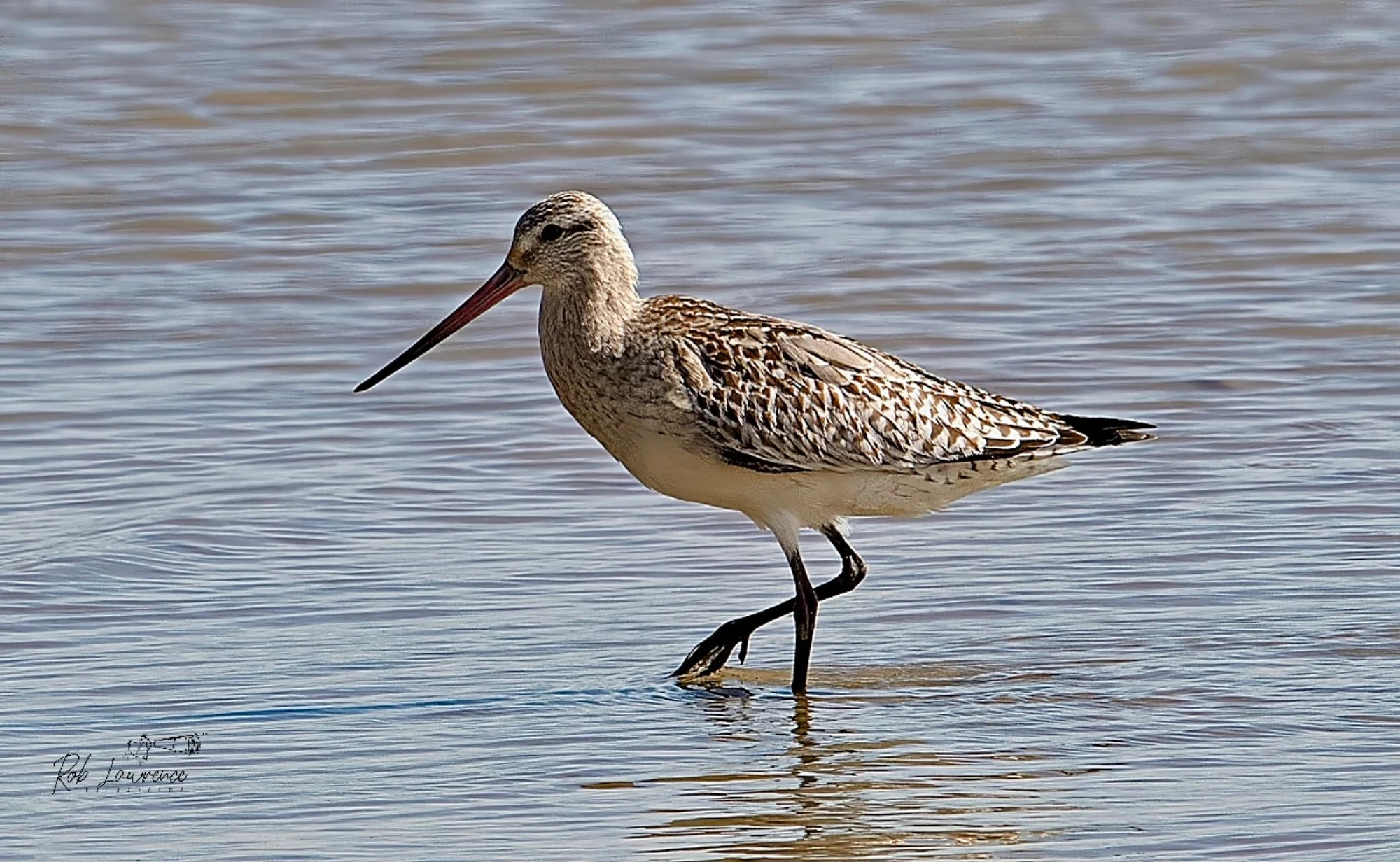
Bar-tailed Godwit. (kuaka) Limosa lapponica The bar-tailed godwit is one of the world's greatest long-distance migrants. Each year, flocks leave their breeding grounds in western Alaska and undertake an extraordinary non-stop journey of more than 10,000 km across the Pacific Ocean to spend the southern summer in New Zealand and Australia. These elegant waders use their long, slightly upturned bills to probe coastal mudflats for shellfish, crustaceans and marine worms. During the breeding season, males develop rich chestnut-rufous underparts, while the larger females are more subtly coloured, with a buff wash across their finely streaked breasts. The species has produced some astonishing endurance records. In August 2007, a female known as E7 flew non-stop from Alaska to New Zealand, covering 11,680 km in just eight days and setting a new world record at the time. That record was later surpassed in spectacular fashion by a juvenile bird nicknamed B6. Departing Alaska on 13 October, it flew continuously for 11 days and 1 hour before reaching Tasmania, covering a minimum distance of 13,560 km without landing—the longest recorded non-stop flight by any bird.
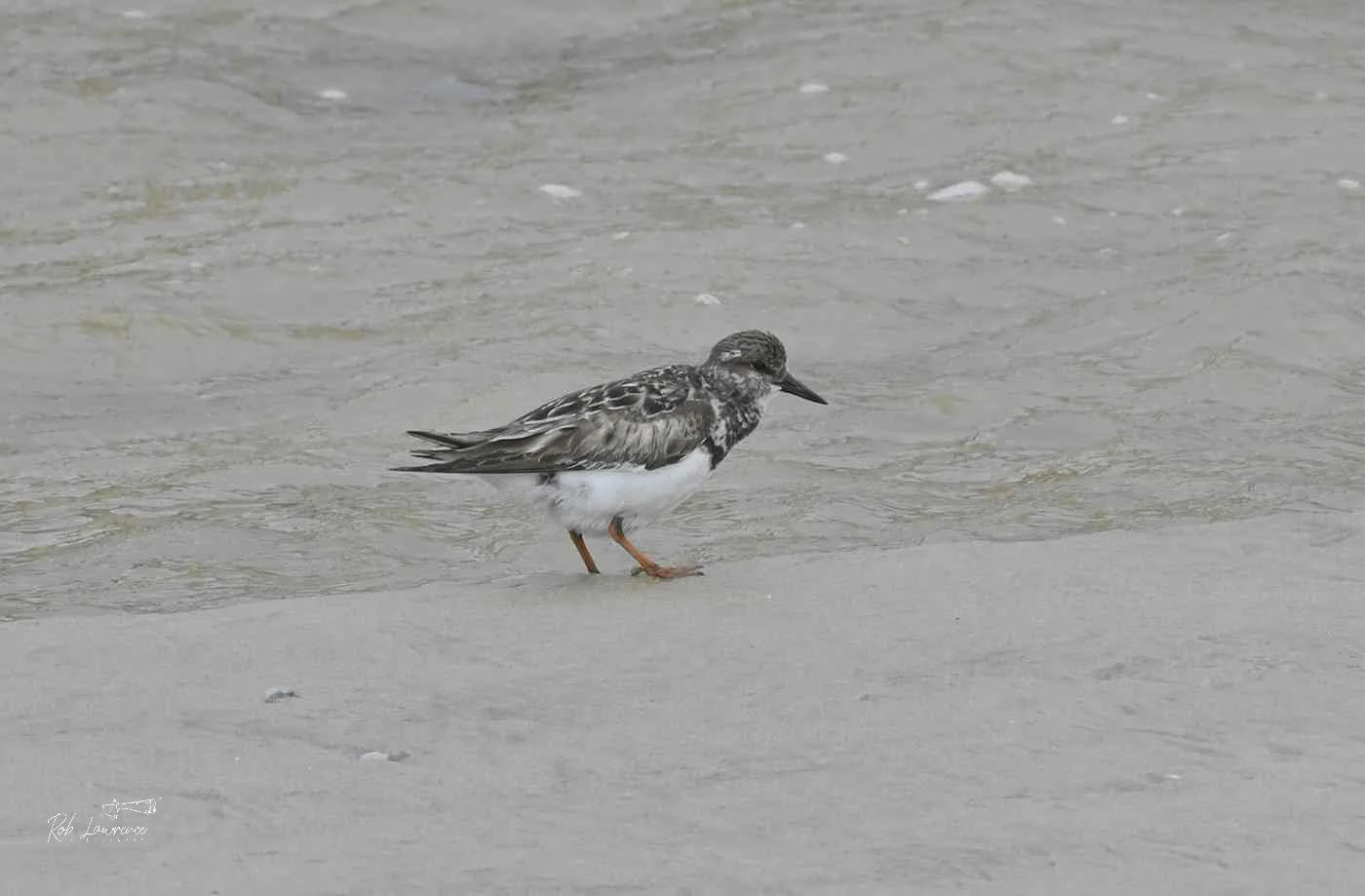
Ruddy Turnstone (kakīkaka) Arenaria interpres The Ruddy Turnstone is a stocky, blackbird-sized shorebird renowned for its distinctive "tortoiseshell" plumage during the breeding season. The Māori name for the ruddy turnstone means 'to flip'. The arrival in spring marked the return of abundance to the coast. It is the third most numerous Arctic migrant wader found in New Zealand. Although its migration is not fully understood, some birds are thought to fly directly across the Pacific, while others follow the East Asian–Australasian Flyway. Their calls include a sharp kittick, a clear keeu, and a melodious kewk or kee-oo, most often heard in flight or when alarmed. Ruddy Turnstones are most commonly found on rocky and stony coastlines, although they are occasionally seen on braided riverbeds. They arrive August and November and depart March and May, returning to the Arctic to breed. The greatest threat to the species is the loss of vital stopover habitat. Reclamation and coastal development around the Yellow Sea continue to reduce the feeding grounds on which they depend during their extraordinary migrations. Photographed at Mason's Bay, Stewart Island / Rakiura.
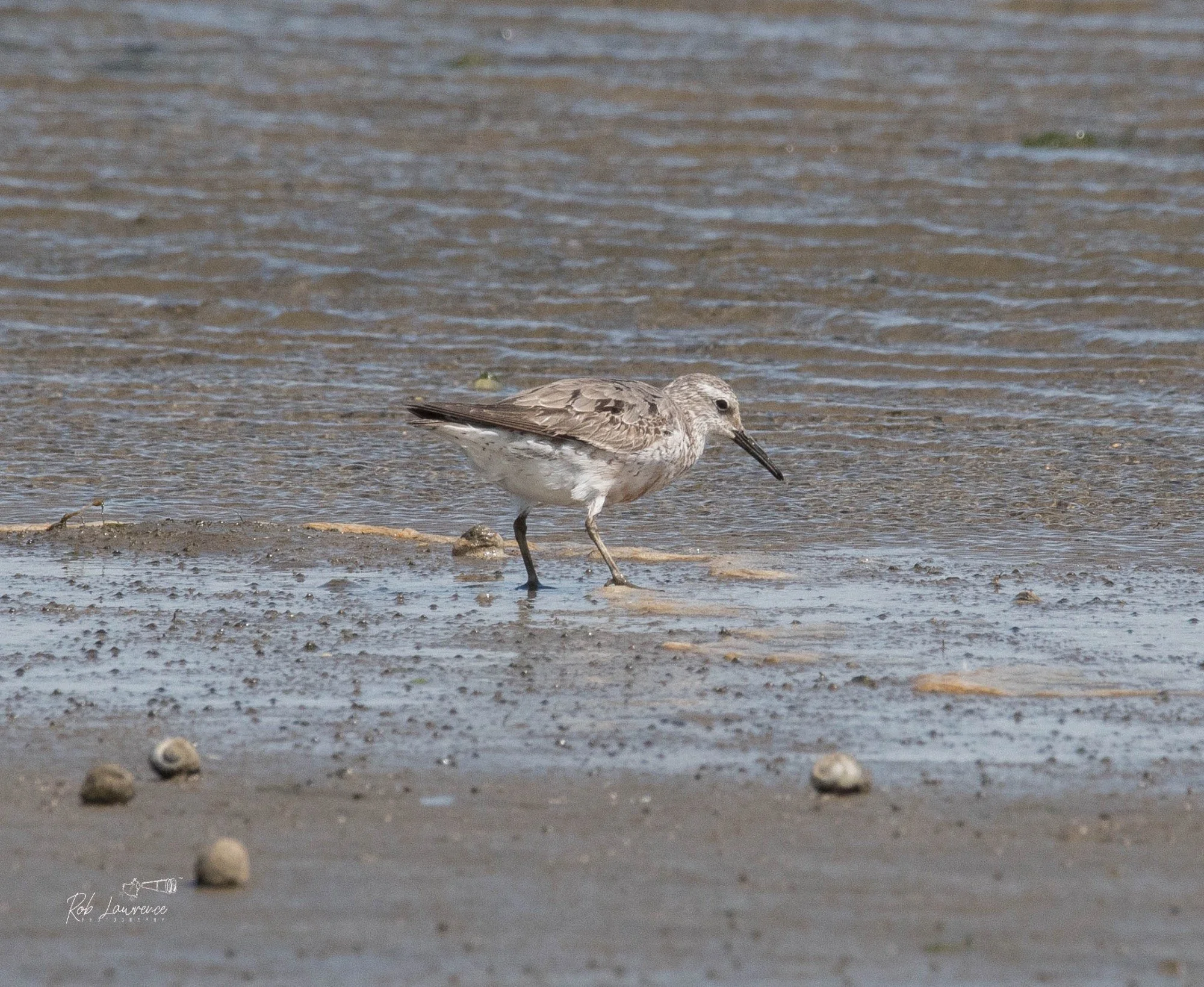
Red Knot (hauhou) Calidris canutus The Red Knot (hauhou) is a medium-sized migratory shorebird that breeds on the Arctic tundra of Canada, Europe and Russia before travelling thousands of kilometres to spend the southern summer in New Zealand. It is one of the larger Calidris sandpipers, second only to the Great Knot. During their northward migration, most New Zealand and Australian Red Knots gather at Bohai Bay on the western shores of the Yellow Sea in China. The loss of these vital tidal feeding grounds through reclamation and coastal development is the greatest threat to the species. New Zealand's Red Knot population has declined from nearly 60,000 birds in the early 1990s to about 30,000 today, resulting in its classification as Nationally Vulnerable. Around 10% of the birds remain in New Zealand over winter, most of them immature birds that have yet to make their first migration north. This photo was taken at the Ashley river estuary Waiuku beach
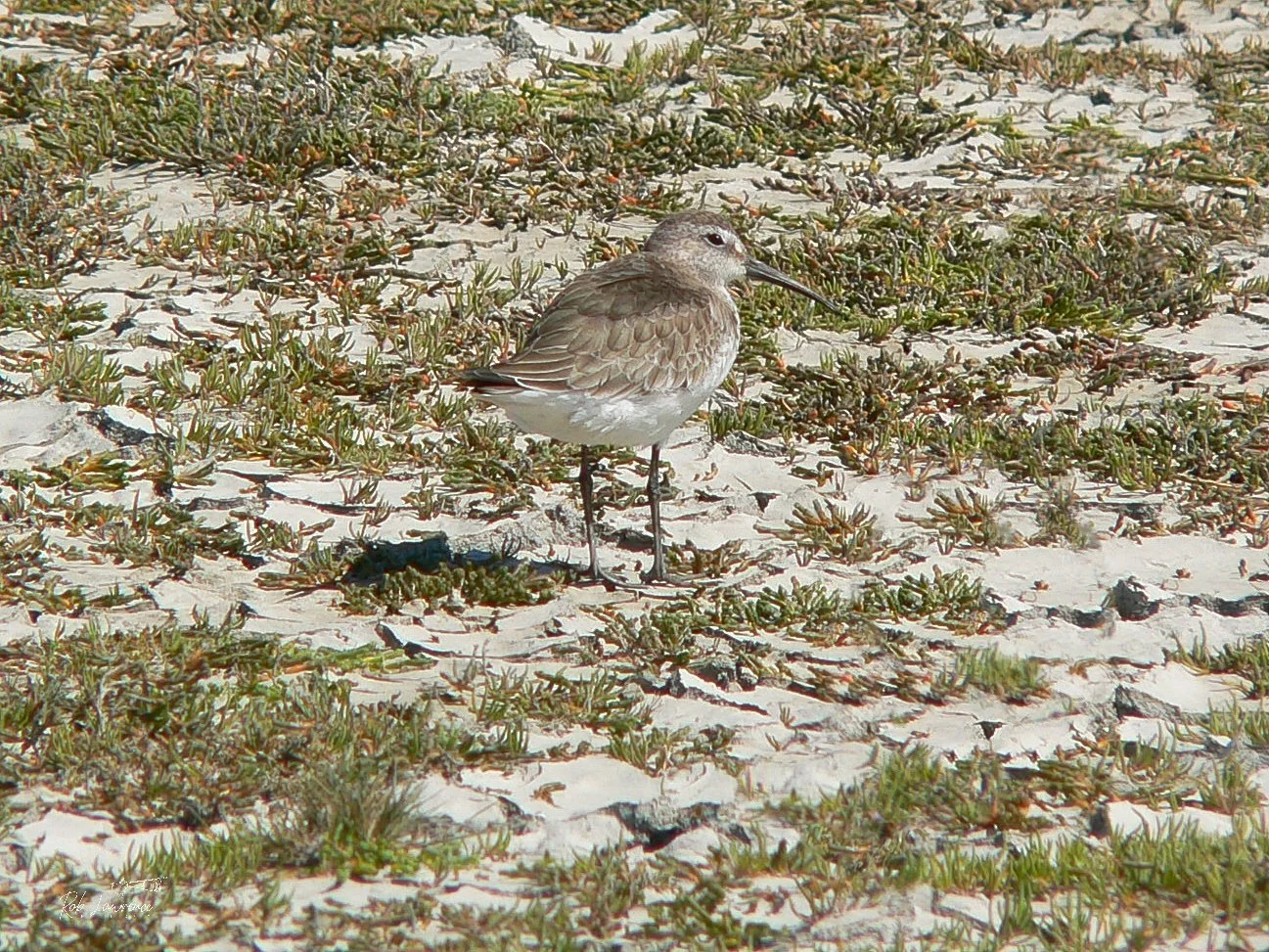
Curlew Sandpiper Calidris ferrugineaThe curlew sandpiper is a small, slender wading bird, about the size of New Zealand's Wrybill, with which it is often found feeding during its visits to New Zealand. It is a regular summer migrant, although its numbers have declined markedly in recent decades. Today, probably fewer than 40 birds reach New Zealand each summer. Curlew sandpipers breed in the high Arctic of central and eastern Siberia. During the non-breeding season in New Zealand they are almost always found on coastal mudflats, estuaries, and shallow saline lagoons, where they feed on small invertebrates. The global population is estimated at around 1.8–1.9 million birds and is thought to be stable or increasing overall. However, the population using the East Asian–Australasian Flyway is believed to be in decline. Since 2000, fewer than 40 curlew sandpipers have typically reached New Zealand each summer, and only two or three birds usually remain to overwinter.
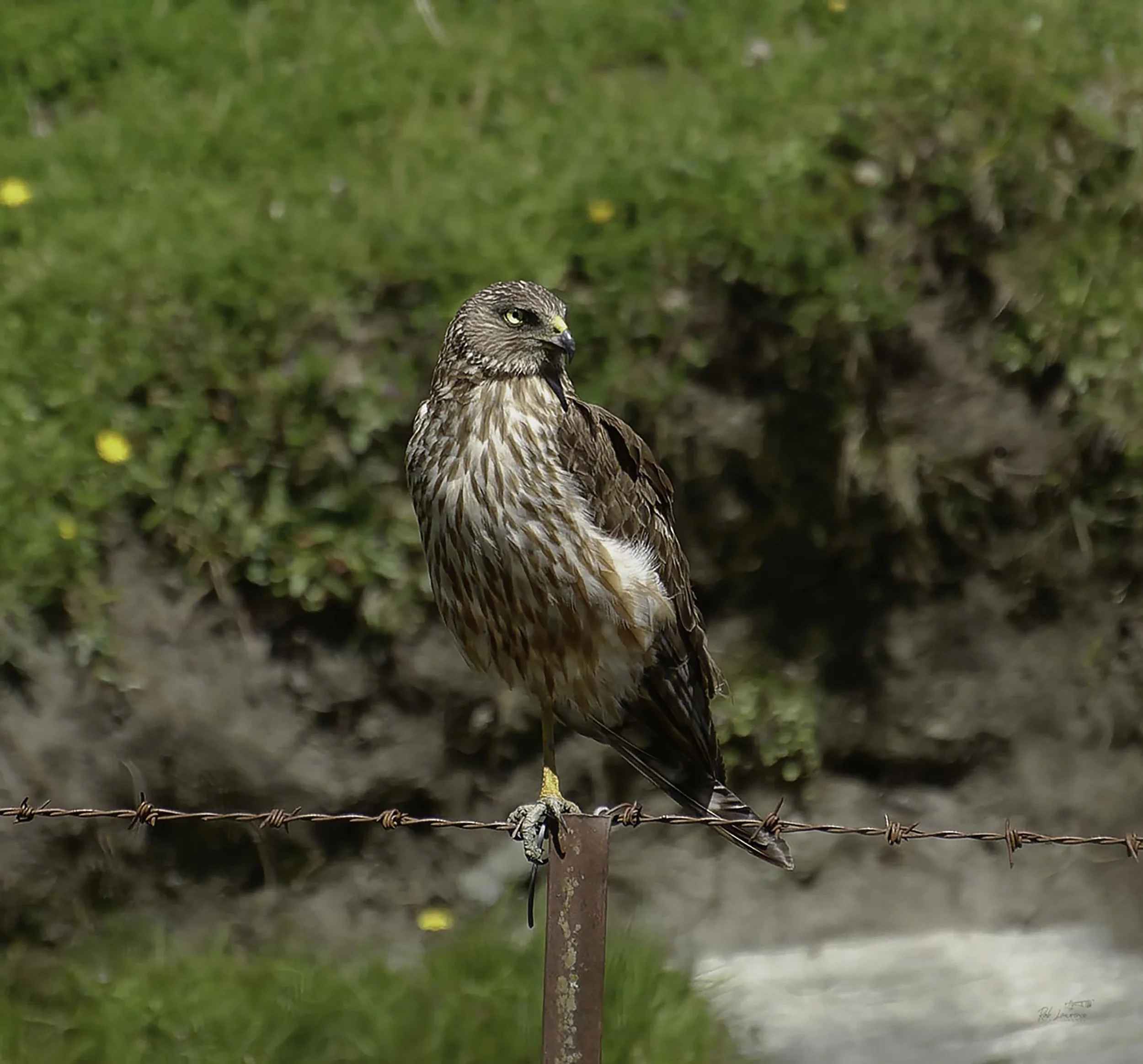
Swamp Harrier (kāhu) Circus approximates The Swamp Harrier is a large, tawny-brown bird of prey found throughout New Zealand. An opportunistic hunter, it searches for food by drifting low over the ground with its broad wings held in a distinctive shallow V-shape. Although carrion forms a major part of its diet, it also hunts live prey including small birds, mammals, reptiles, and large insects. The Swamp Harrier has benefited from widespread forest clearance and the development of farmland, making it New Zealand's most commonly seen bird of prey. It is frequently observed soaring over open country or feeding on roadkill. During the breeding season, pairs perform spectacular aerial displays known as "sky dancing." The Swamp Harrier is one of the largest of the world's sixteen recognised harrier species. Fossil evidence reveals that New Zealand was once home to an even larger harrier. Eyles' Harrier (Kērangi) was a giant, goshawk-like bird of prey, estimated to have weighed up to 3–4 kg. Its feet and talons were around 50 percent larger than those of today's Swamp Harrier, making it a formidable predator. Evidence suggests it inhabited dry forests and shrublands throughout both the North and South Islands before human settlement. Fossil records indicate that Eyles' Harrier disappeared before the Swamp Harrier became established in New Zealand. Its extinction is believed to have resulted from a combination of human impacts. Widespread burning of native forests transformed much of its preferred habitat into grassland, introduced Pacific rats reduced populations of its prey, and the presence of Eyles' Harrier bones in archaeological middens—together with bones fashioned into tools—shows that the birds were also hunted by early Māori. Today, the Swamp Harrier remains an important part of New Zealand's ecosystems, scavenging carrion and helping to control populations of rodents, rabbits, and possums. Photographed at Lake Wānaka, Otago.
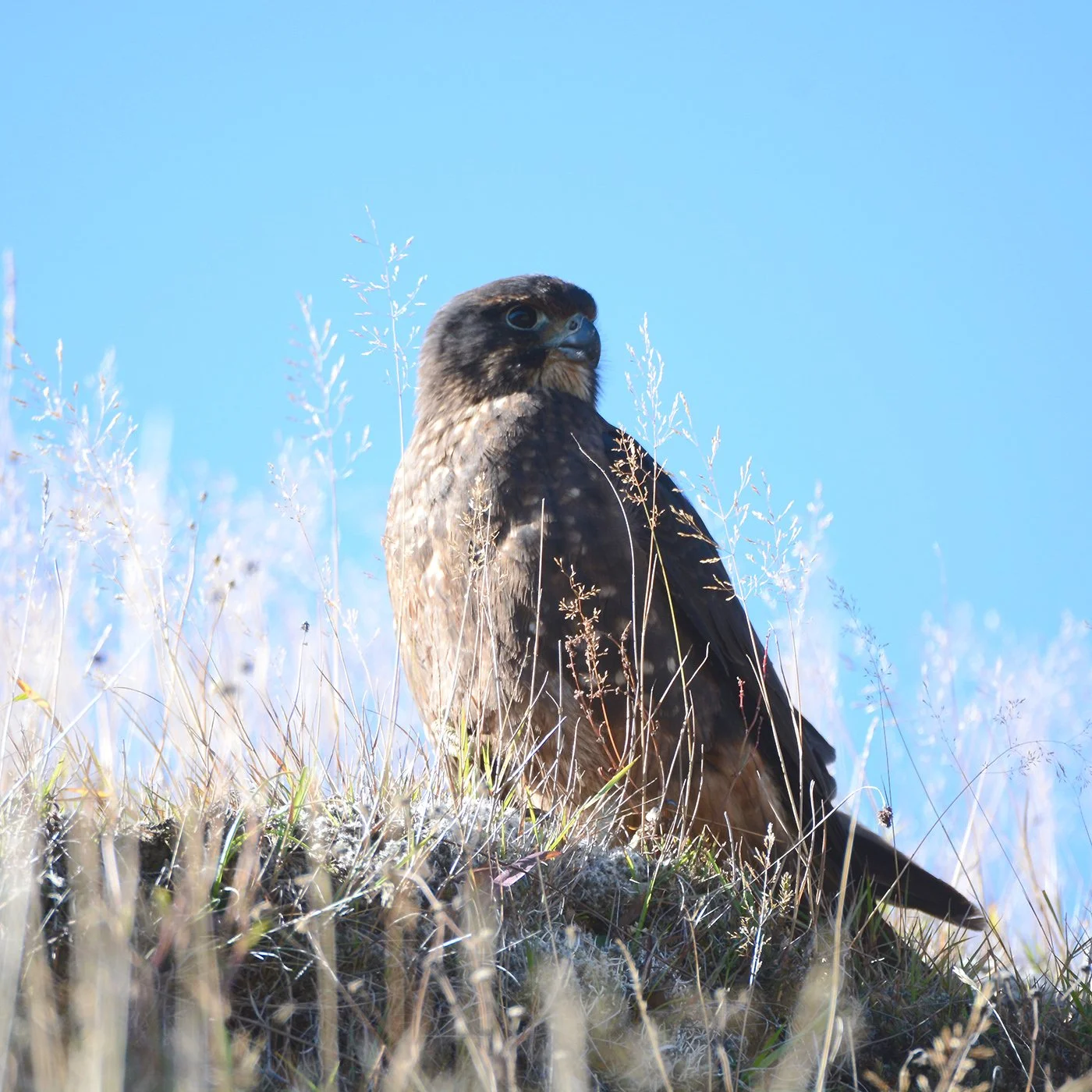
New Zealand Falcon (kārearea) Falco novaeseelandiae This a young eastern bird Was photographed at Cave Stream Reserve. This is New Zealand's only native falcon and is classified as threatened. The population is estimated at between 5,000 and 15,000 birds. About the size of a magpie, this powerful raptor feeds almost exclusively on live prey, including small birds, mammals, reptiles and insects. It is capable of spectacular high-speed hunting dives comparable to those of the Peregrine Falcon. Although all New Zealand falcons belong to a single species, three regional forms are recognised. The bush falcon is the smallest and darkest, occurring throughout the North Island and the north-west of the South Island. The eastern falcon is the largest and palest, inhabiting the eastern and central South Island. The southern falcon is intermediate in size and colour and is found in Southland and southern islands Falcons lay their eggs in a simple scrape on the ground, on rocky ledges, or occasionally on banks and stumps. Nesting falcons are fiercely protective and will aggressively dive-bomb anyone approaching too closely. I experienced this firsthand protecting my son Matt after we had accidentally discovered a nest on the Woolshed Creek Track. I very nearly lost my hat as we made a hasty retreat. The New Zealand falcon is sometimes confused with the much larger Swamp Harrier, which is commonly seen feeding on roadkills. The kārearea feeds almost entirely on capturing live prey. It is smaller, faster, and has a more direct, purposeful flight.
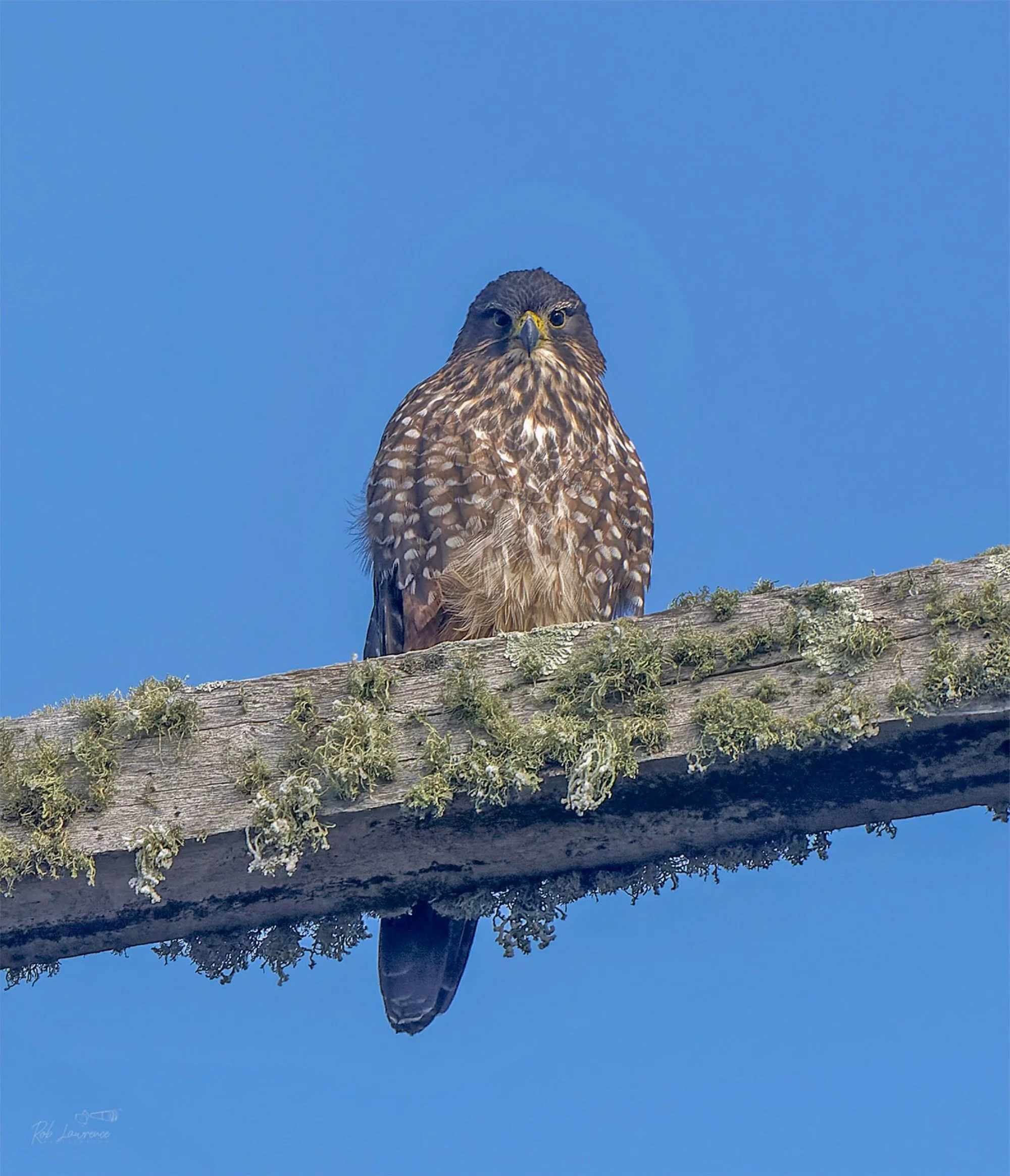
New Zealand Falcon (kārearea) Falco novaeseelandiae This bird was photographed in the Mt White Area. Perfectly adapted for hunting through New Zealand's native forests, the kārearea is also found in more open habitats such as tussock grasslands and farmland. More recently, it has successfully adapted to breeding in exotic conifer plantations. In the local McHugh's Forest I have found the plucked feathers of pigeons, clear evidence of a falcon's successful hunt, and have both seen and heard the birds in the same area. Their distinctive, repeated "kek, kek, kek" call is most often heard during the breeding season as both adults vigorously defend their territory. The success of the kārearea has been demonstrated by conservation programmes such as those at Zealandia, where falcons have been successfully reintroduced into an urban environment and are now breeding within the capital. Their recovery is an encouraging example of how careful conservation can help restore one of New Zealand's most remarkable birds of prey.
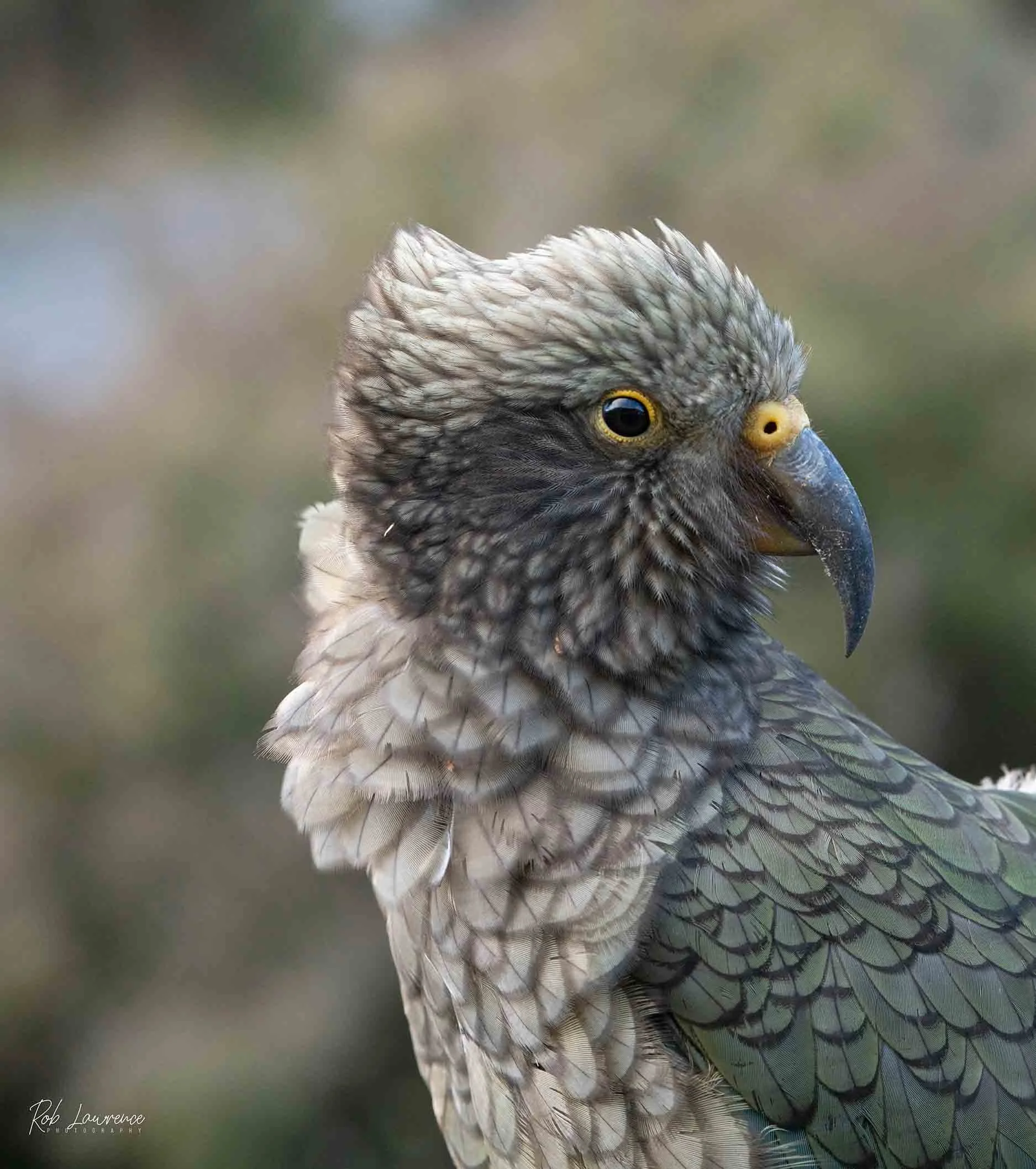
Kea (Kākā Alpine Parrot) Nestor notabilis The kea is the world's only alpine parrot and one of New Zealand's most iconic native birds. Renowned for its intelligence, curiosity and playful nature, the kea is an engaging character of the Southern Alps. Its inquisitive behaviour, however, often leads it into trouble. Kea are well known for investigating almost anything, including vehicles, backpacks and buildings. Their powerful bills are used to chew and explore objects, which can expose them to serious hazards. Many are injured or killed by vehicles on alpine roads, while others suffer lead poisoning after chewing lead-headed roofing nails and flashings found on older buildings. Once widespread throughout the South Island, the kea is now classified as Nationally Endangered in New Zealand. Introduced predators such as stoats, possums and feral cats, together with human-related threats, have contributed to a significant decline in their population. Conservation programmes, predator control and public education are helping to secure the future of this remarkable species. Feeding kea is strongly discouraged and restrictions are being considered in several popular alpine areas. Human food can make the birds dependent on people, alter their natural behaviour and increase the risk of injury from vehicles. The bird in this photograph is a young kea, identified by its bright yellow cere (the fleshy area at the base of the bill). As the bird matures over the next few years, the cere gradually darkens.
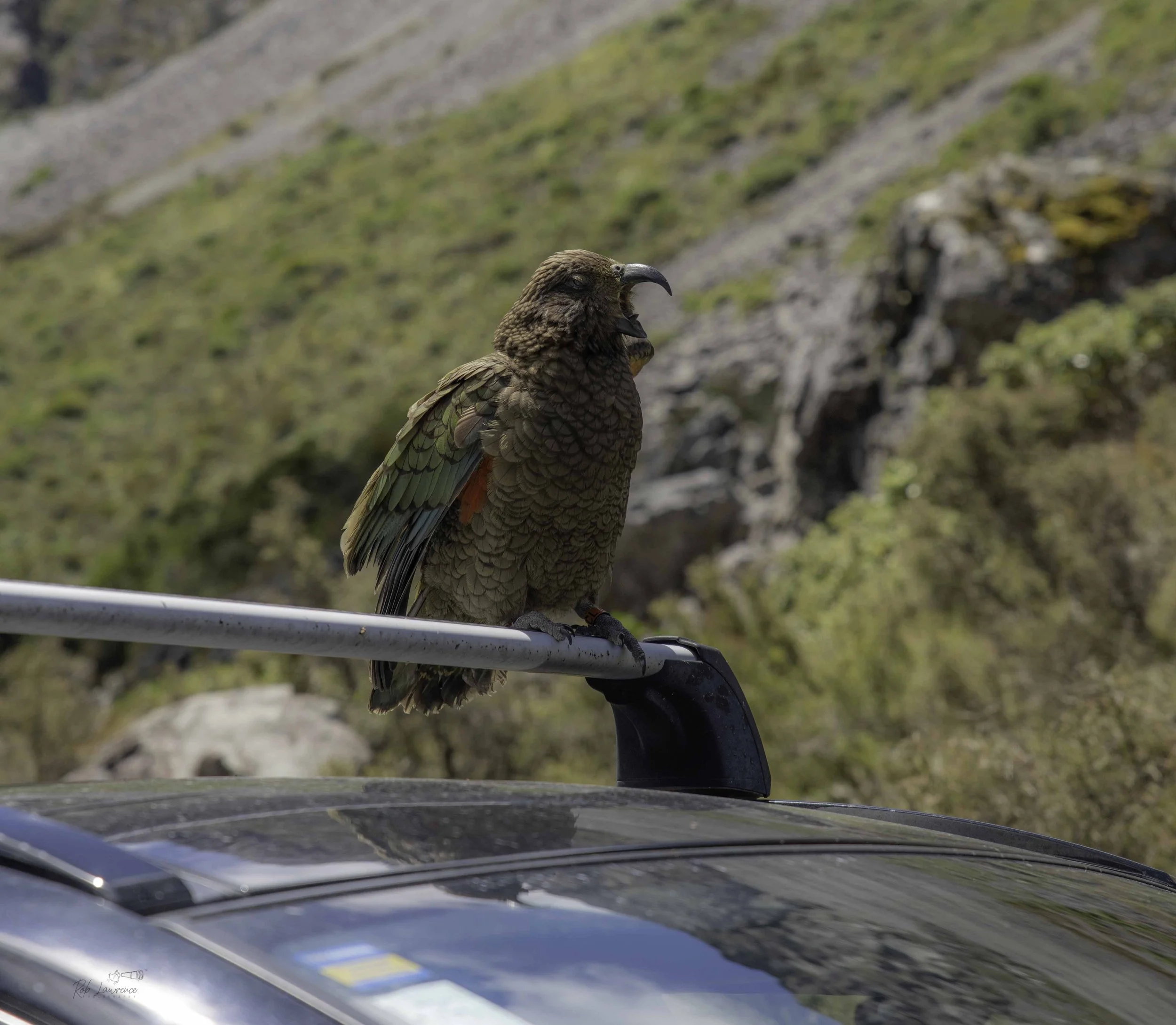
Kea Yawning a comical pose from this adult bird at Arthur's Pass viaduct observation park on SH 73.
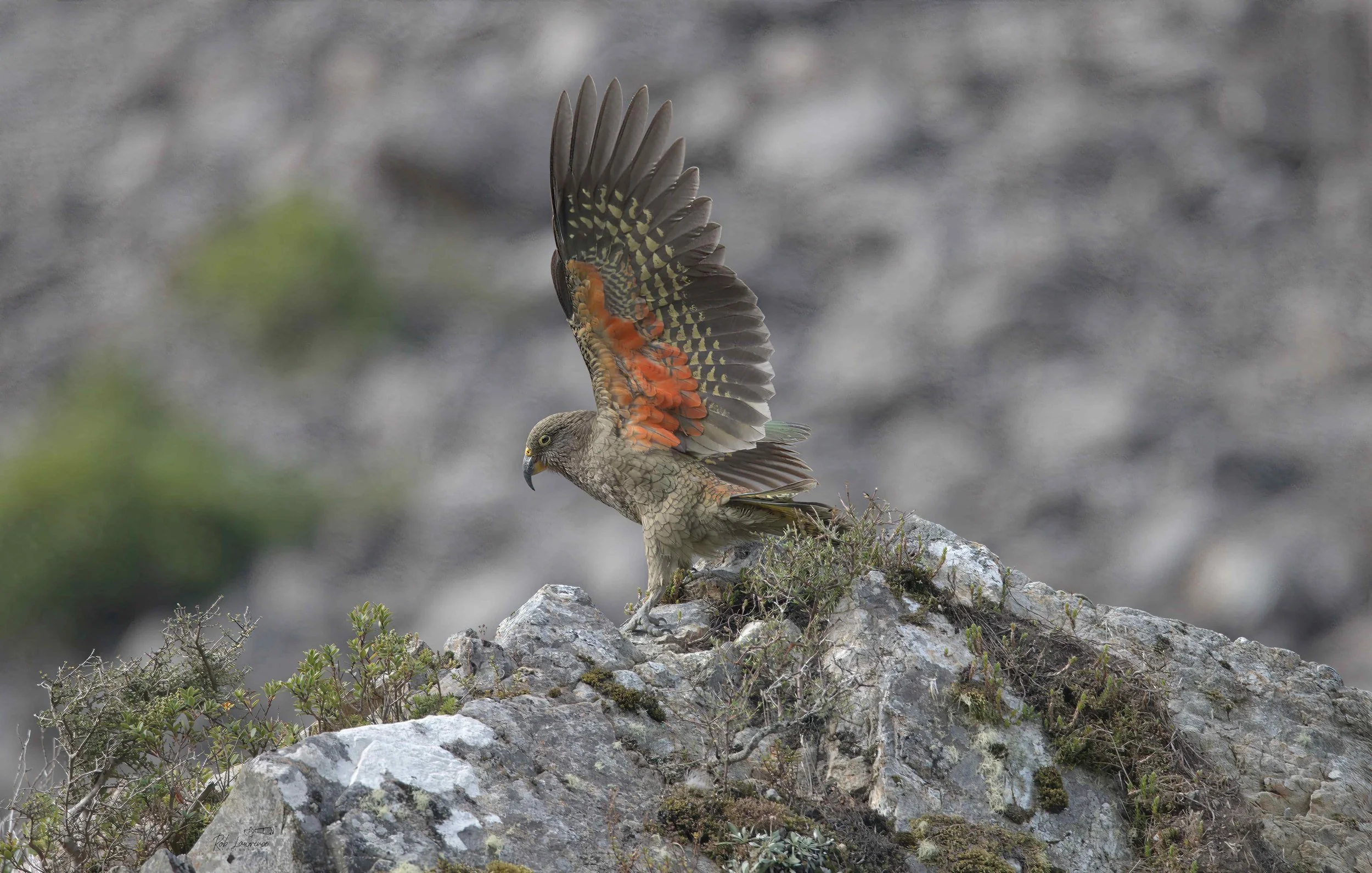
One of the kea's most striking features is the brilliant scarlet-orange plumage hidden beneath its wings, revealed only when the bird is in flight. The kea's closest relative is the kākā (Nestor meridionalis), a forest-dwelling parrot that inhabits native forests from lowland to montane elevations. While the kākā has adapted to a life among the trees, the kea has evolved to thrive in the harsh alpine environment. Both species are classified as Nationally Endangered, and extensive conservation programmes are underway to improve their survival through predator control, research and public education. Kea were once widely persecuted because they were believed to attack high-country sheep, particularly by feeding on the fat around the animals' backs. As a result, a government bounty led to the deaths of many thousands of kea. Fortunately, this practice ended in the early 1970s, and today the kea is fully protected as one of New Zealand's most treasured native birds.
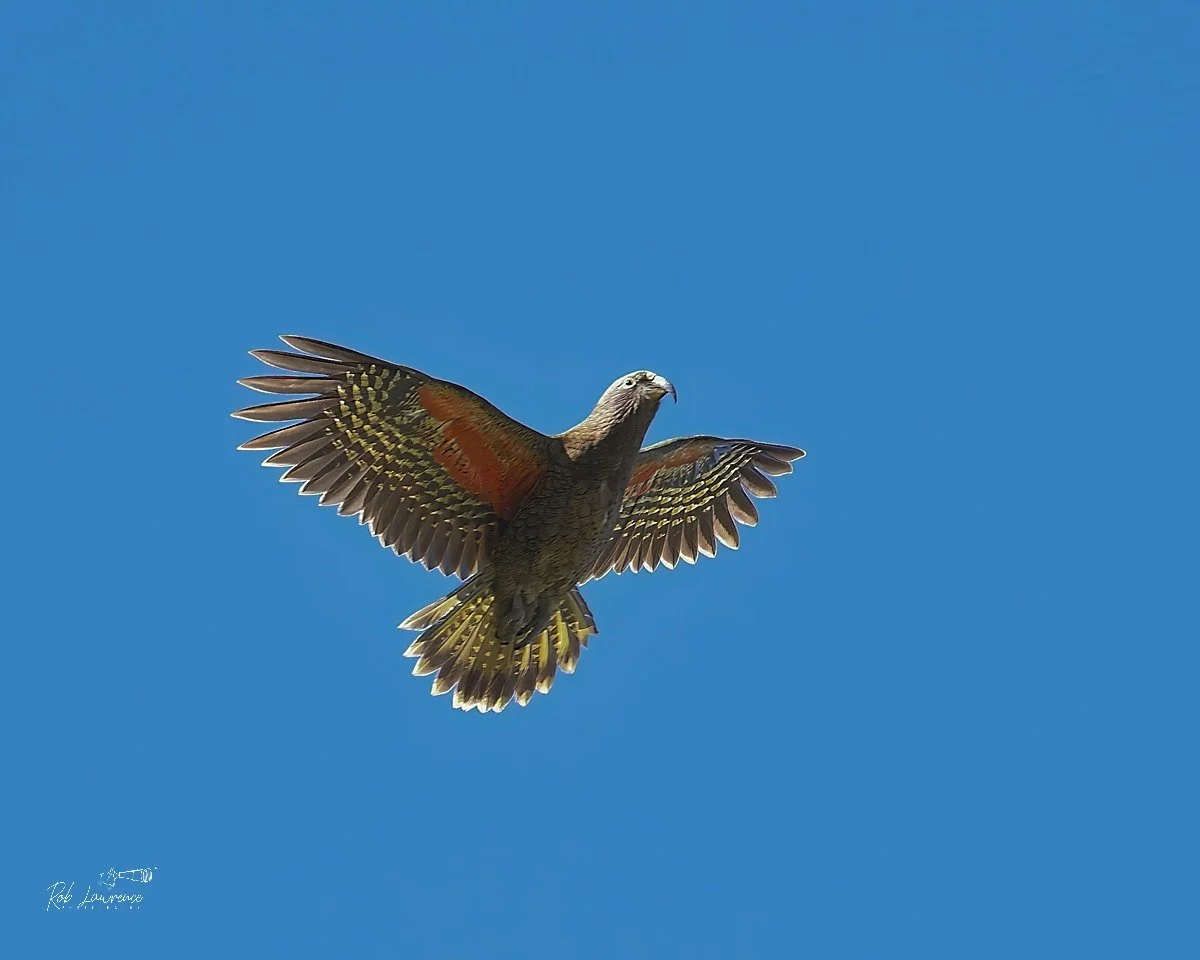
Kea in Flight A Kea passes overhead, displaying the brilliant scarlet underwing coverts that contrast beautifully with the olive-green hues of its body plumage. These vivid flashes of colour are one of the species' most distinctive and spectacular features, often only fully appreciated when the bird is in flight. Despite many memorable encounters with these remarkable alpine parrots, I have yet to capture what I consider my ultimate Kea photograph. The pursuit of that perfect image is all part of the enjoyment of wildlife photography—and the challenge continues.
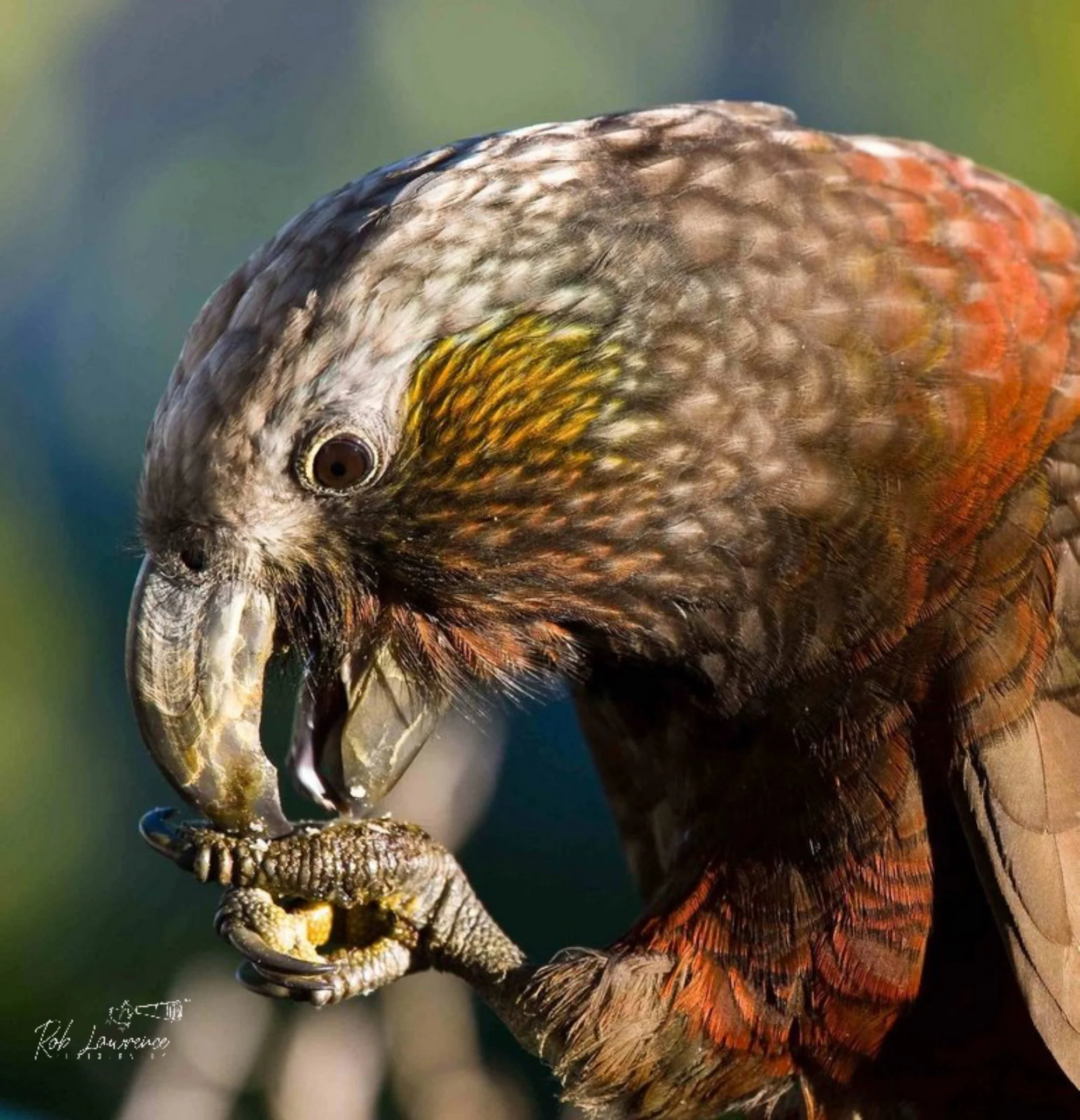
South Island Kaka (kākā) Nestor meridionalis he forest cousin of the Kea is the Kākā. Unlike its alpine relative, the Kākā has rich reddish-brown and black plumage, a distinctive pale grey patch on the head, and a heavier, more powerful bill adapted for feeding in New Zealand's native forests. During my time as Animal Manager at Orana Wildlife Park near Christchurch, I had the privilege of hand-rearing two young Kākā after their mother was killed by a stoat at St Arnaud. I named them Roto and Iti, and this photograph is of Roto. Hand-raising these remarkable parrots was an unforgettable experience. Several years after I had left the park, I returned and walked up to their aviary. To my amazement, both birds recognised me immediately. It was a powerful reminder of the intelligence, curiosity, and remarkable memory of these beautiful native parrots....an experience I have never forgotten. forest cousin of the Kea has a reddish blackish plumage. and a light grey head patch. The bill is heavier. During my time as Animal Manger at Orana Wildlife Park near Christchurch I had the privilege and success of hand rearing a pair of young birds whose mother had been killed by a stoat at St Arnaud. I named them Roto and Iti this is a picture of Roto . Amazing birds and experience. After leaving the Park I returned some years later and approached their aviary and was amazed as the recognised me.
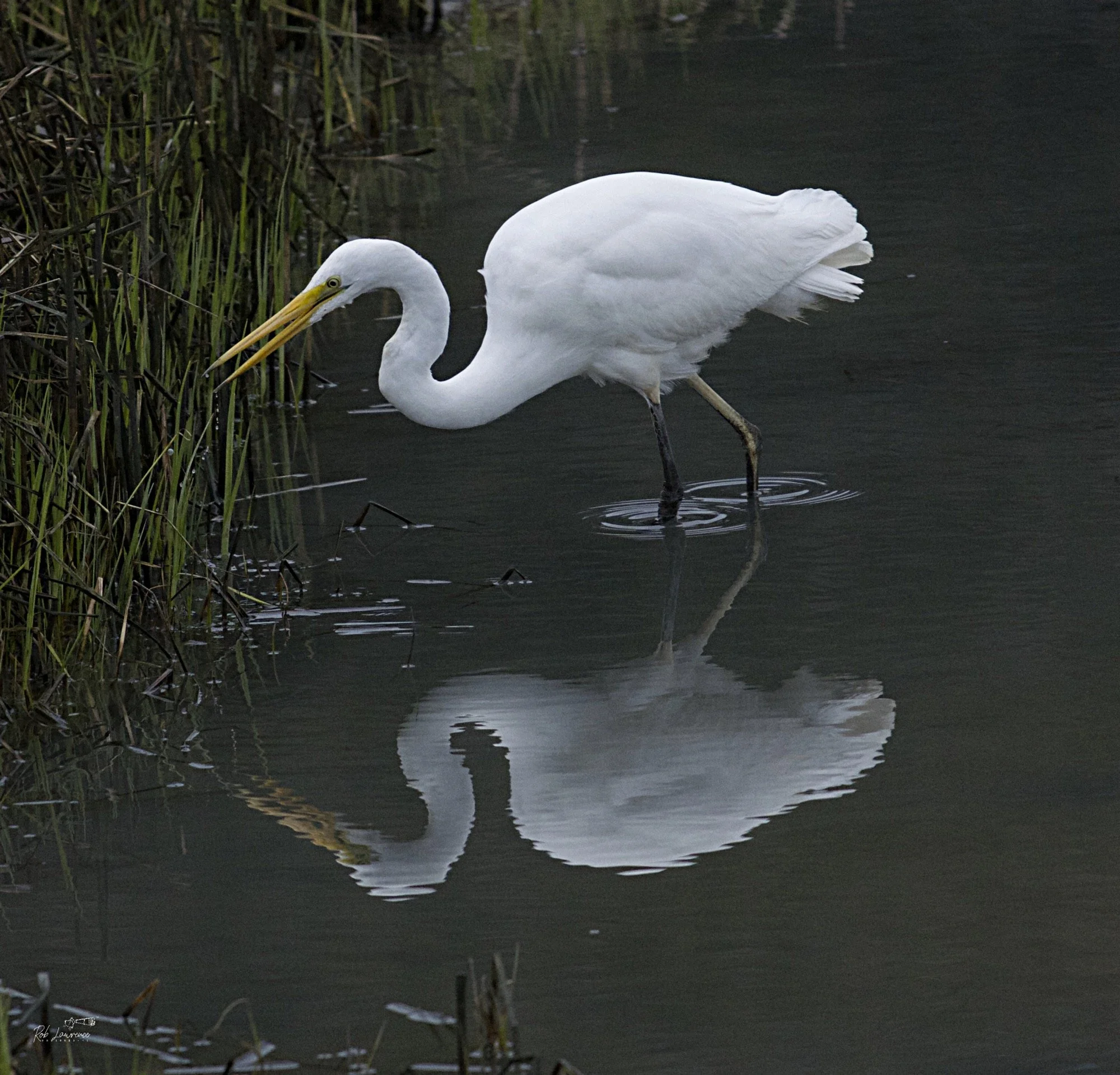
White Heron ( kōtuku) Ardea alba The Kōtuku, is one of New Zealand's most treasured birds, admired for its elegance and rarity. Although well known, it is seldom seen except by those who deliberately seek it out. Its only New Zealand breeding colony is beside Ōkārito Lagoon on the West Coast, where around 50 pairs nest each year, mainly in the crowns of tree ferns beneath towering kahikatea forest. The Māori proverb "He kōtuku rerenga tahi"—the bird of a single flight—describes something so rare and special that it may be experienced only once in a lifetime. As a symbol of beauty and rarity, the Kōtuku holds a significant place in Māori tradition and folklore, and comparing an honoured visitor to a Kōtuku was considered one of the highest compliments. Despite its protected status, the Kōtuku faces several threats. In New Zealand, one of the most common causes of mortality is collisions with vehicles, as many roads pass close to coastal wetlands and the birds fly low and slowly when taking off. During the breeding season, the colony at Ōkārito can be viewed from a purpose-built hide, with access managed by a Department of Conservation licensed ecotourism operator. Photographed at Ashley River Lagoon, Canterbury.
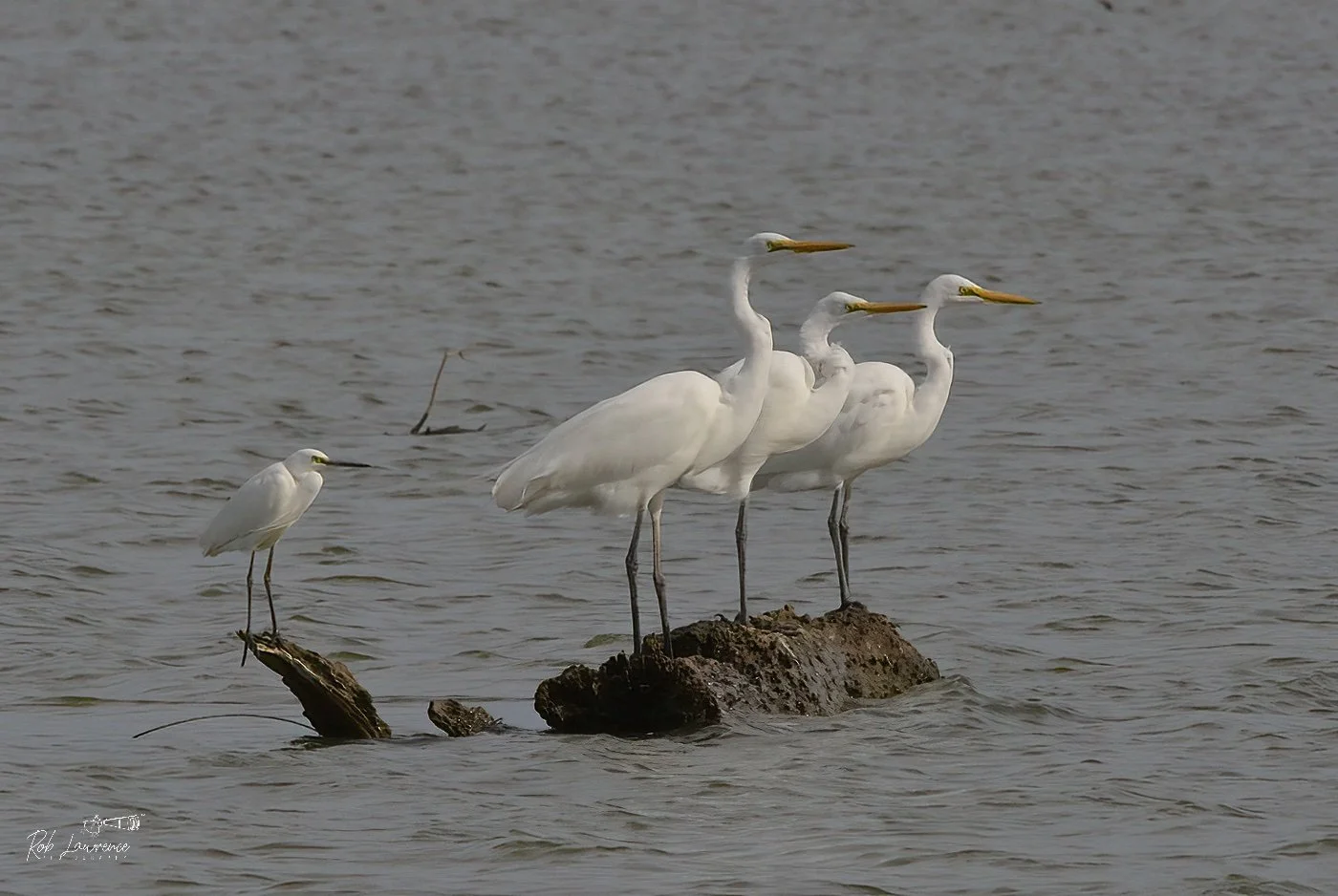
Little Egret and 3 White Heron
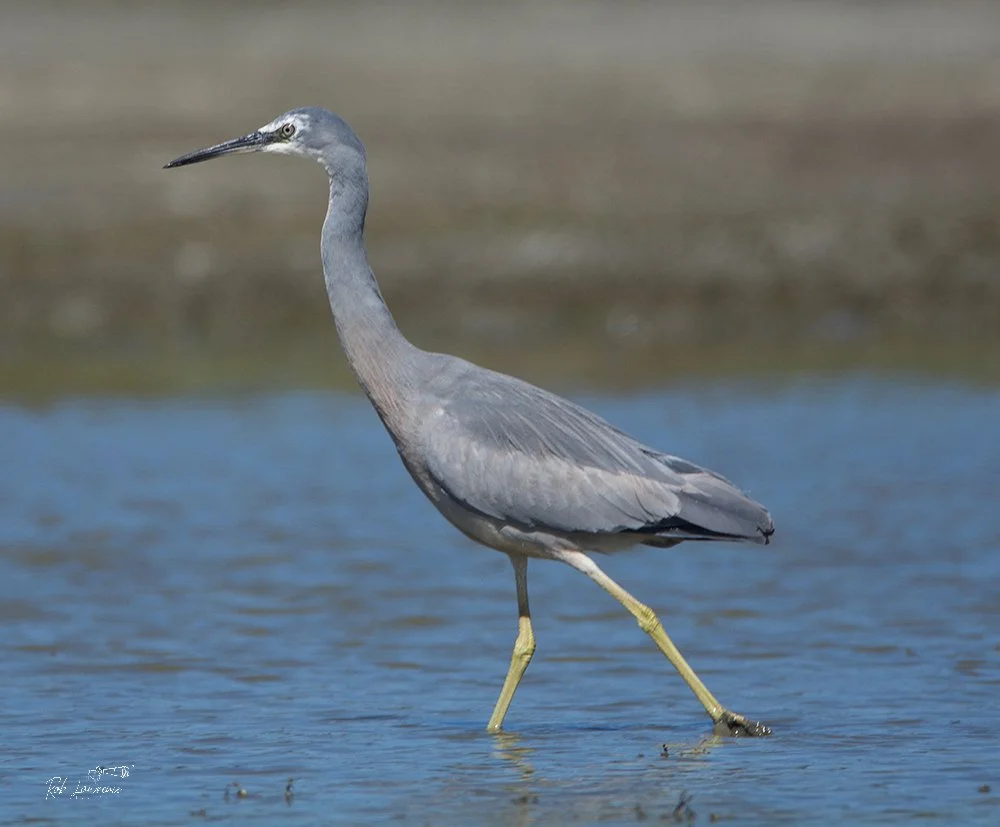
White-faced Heron (matuku moana) Egretta novaehollandiae
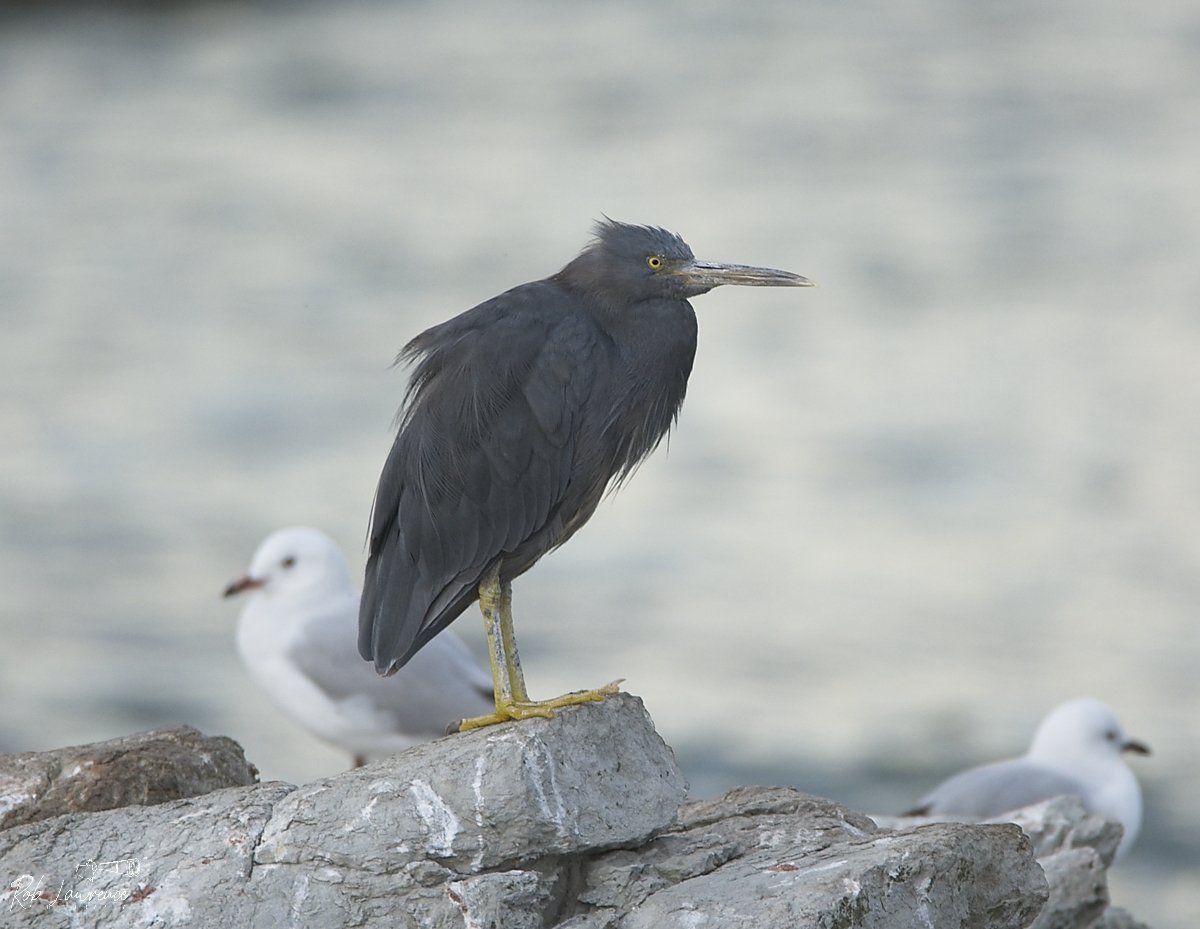
Easter Reef Heron (mataku moana) Egretta sacra
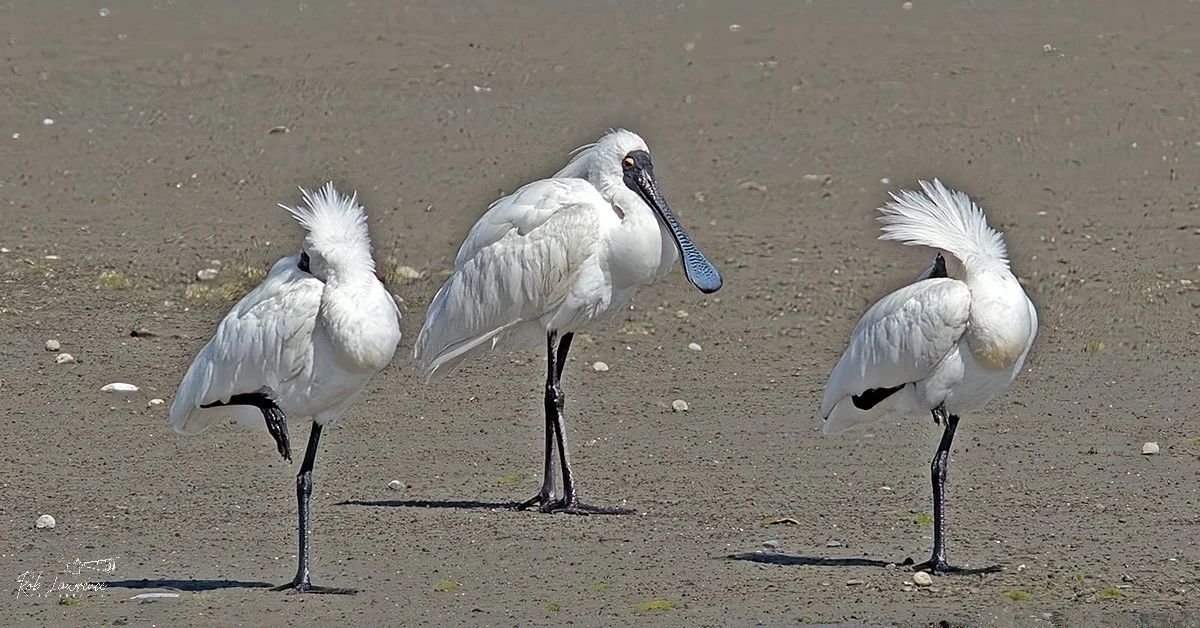
Spoonbill (kotuku ngutupapa) Platalea regia
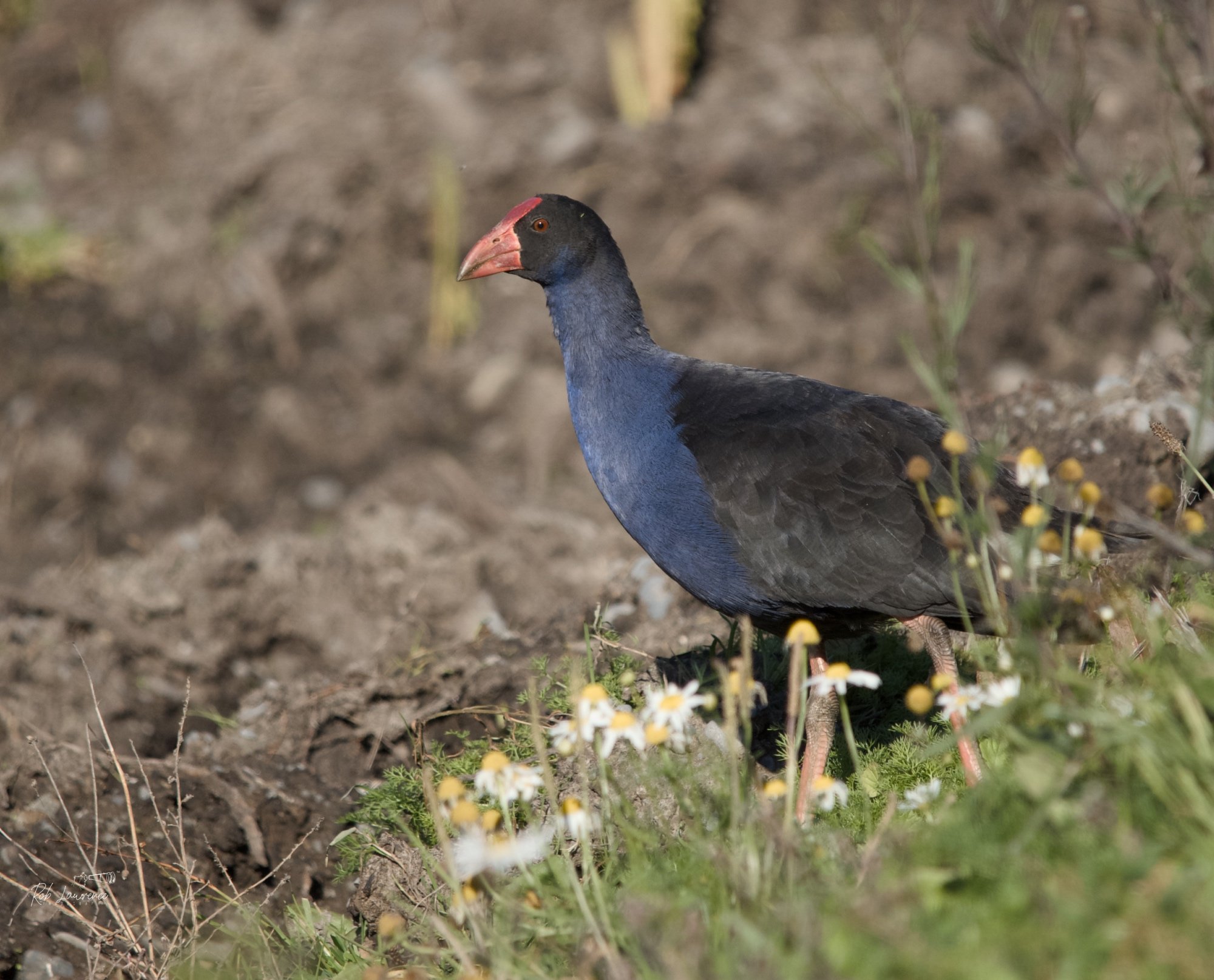
Pukeko (Pūkeko) Porphyrio melanomas
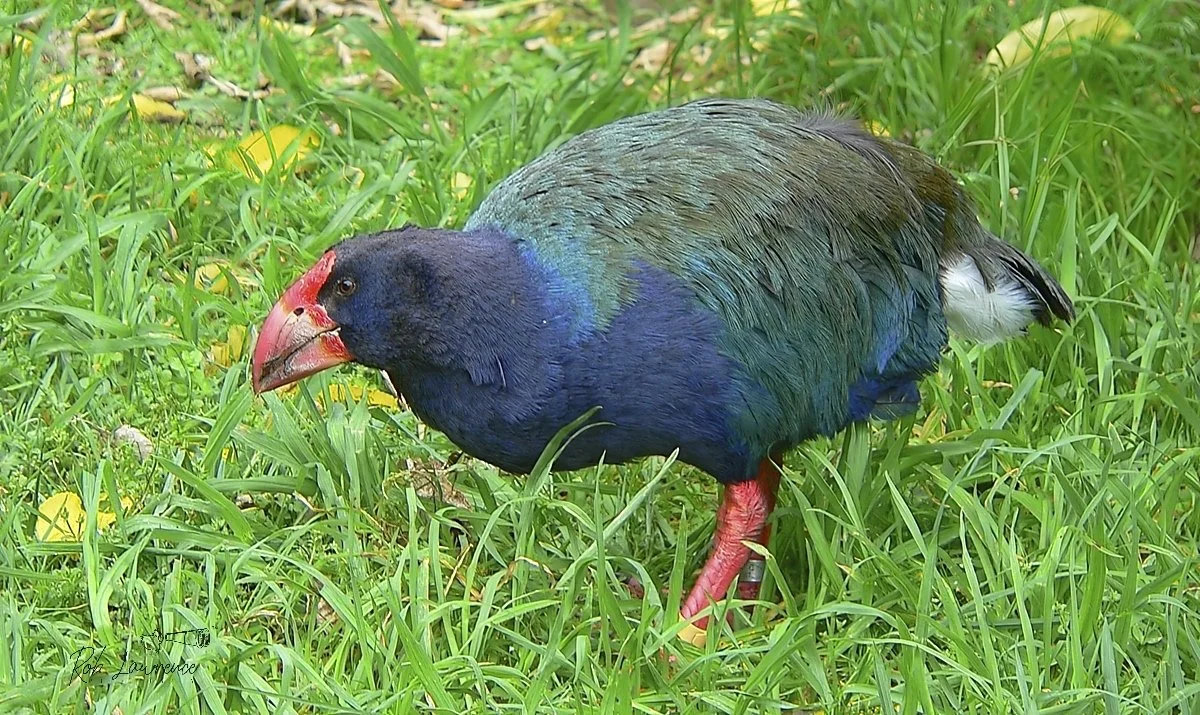
South Island Takahe. (Takahē) Porphyrio hochstetteri
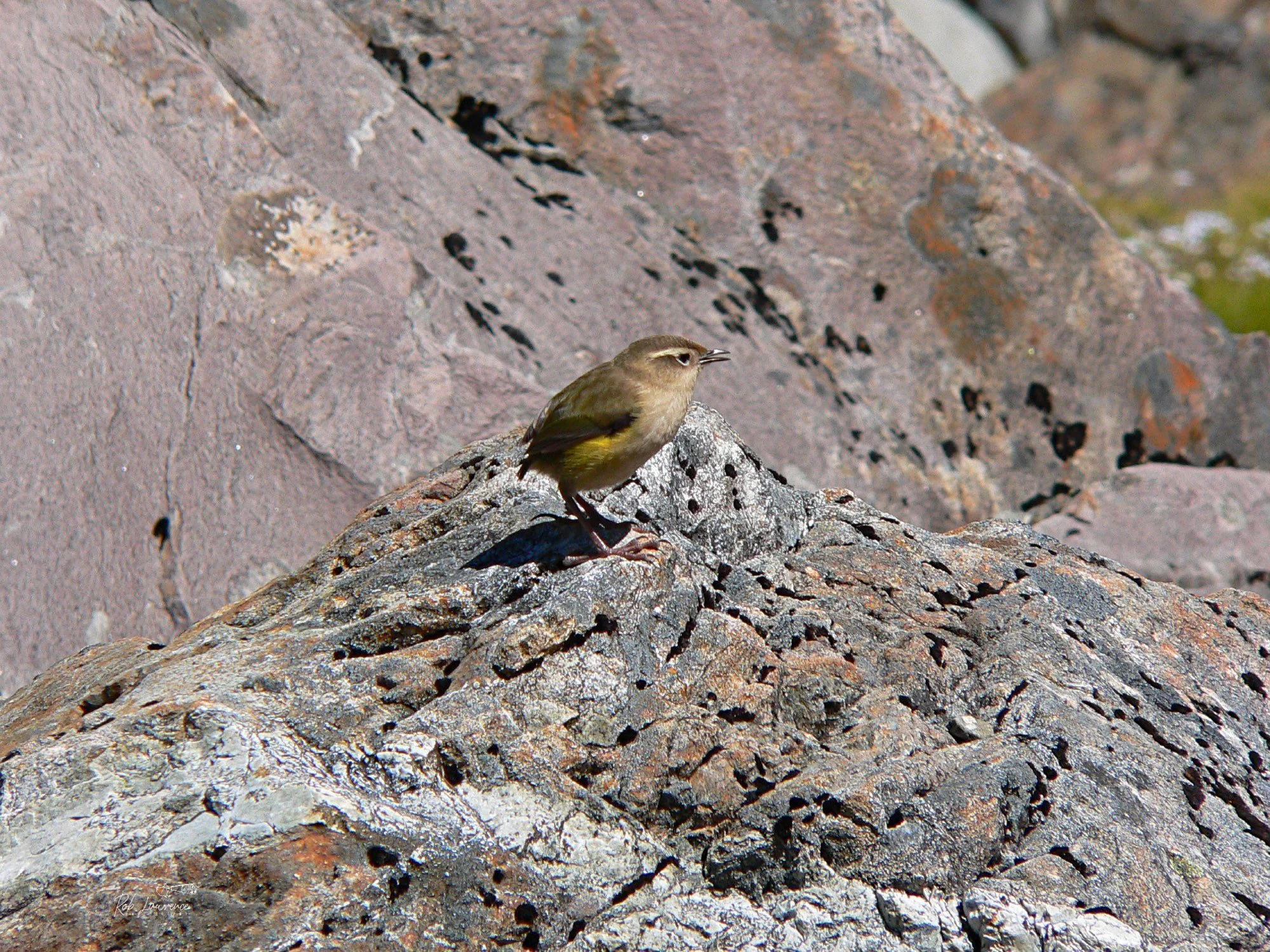
Rock wren. (pīwauwau) Xenicus gilviventris
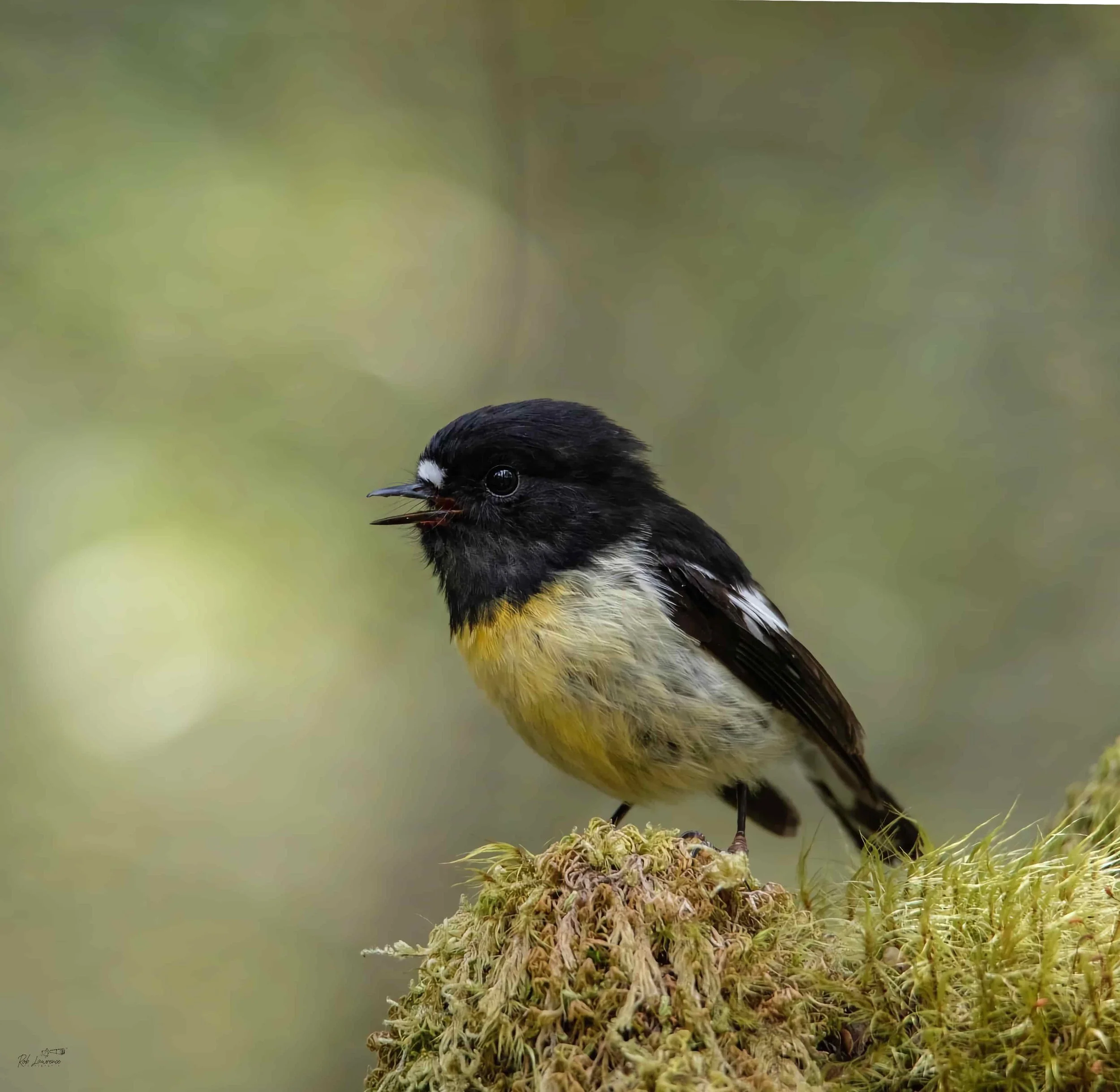
South Island Tomtit (ngirungiru) Petroica marcocephala
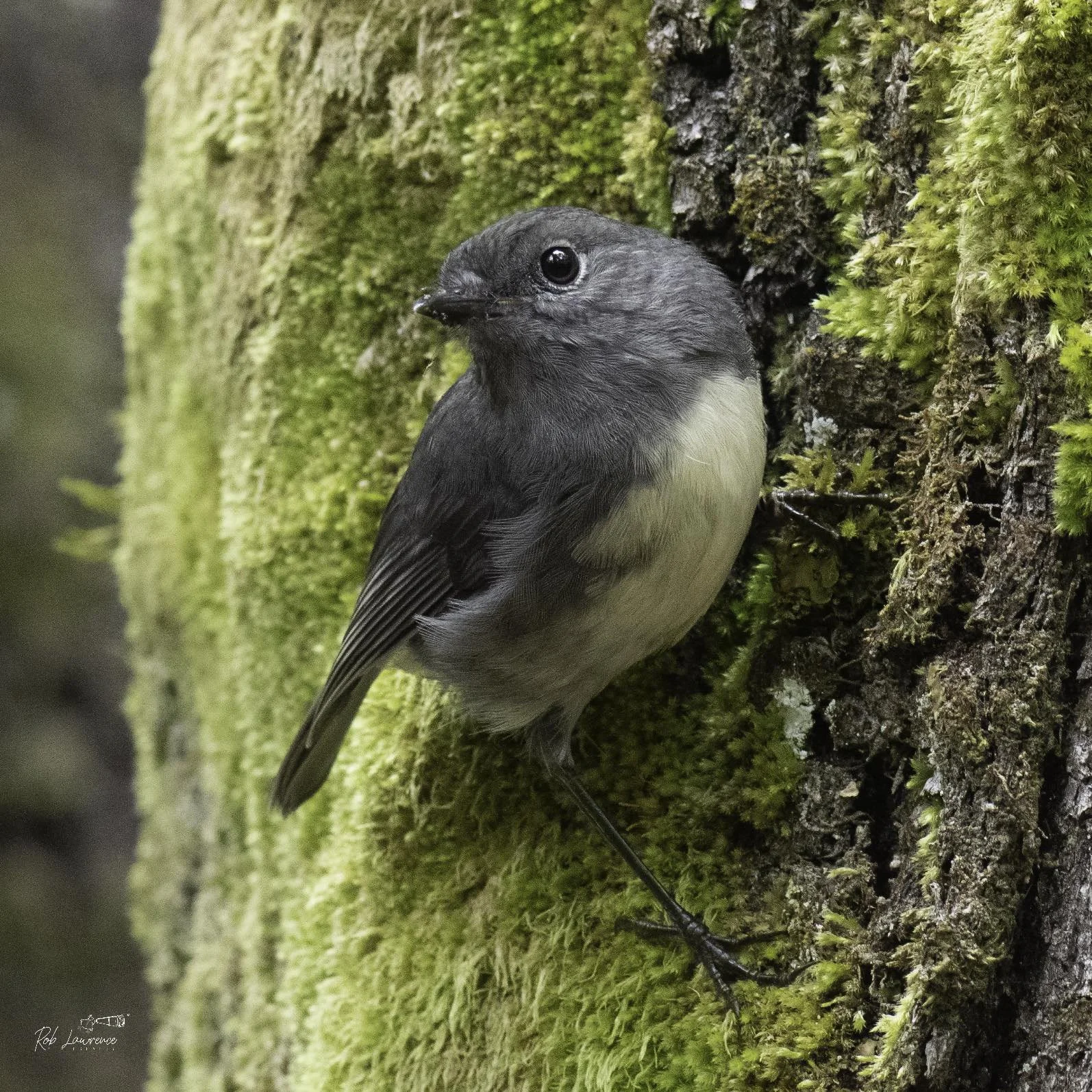
South Island Robin (kakaruwai) Petroica australis
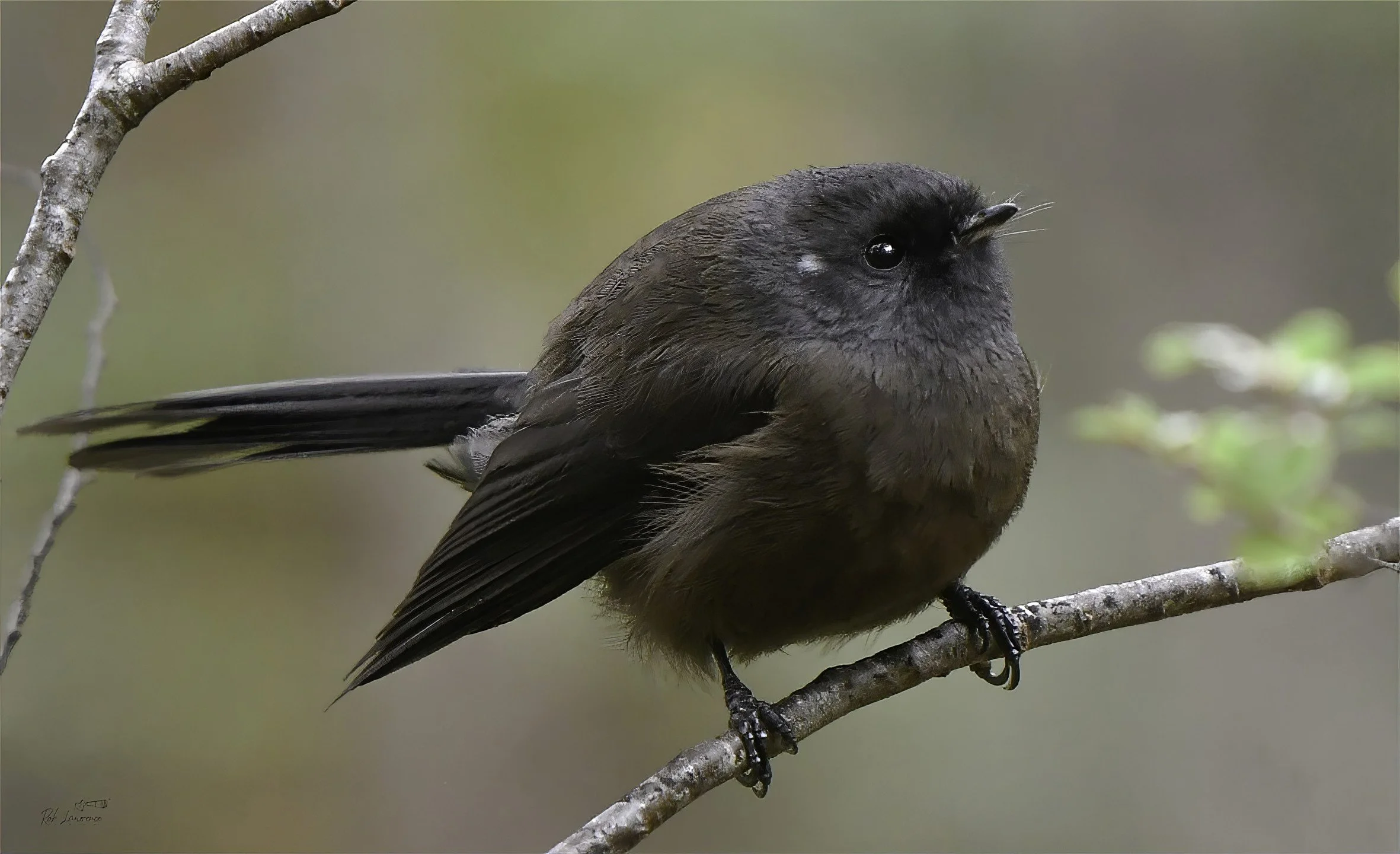
Dark Phase Fantail (piwakawaka) Rhipidura fulignosa
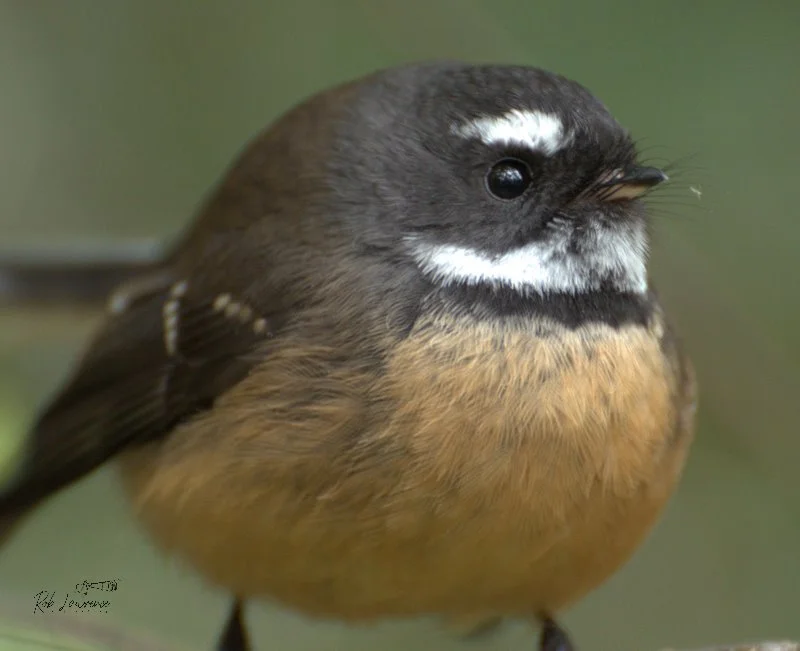
Pied Phase Fantail (piwakawaka) Rhipidura fulignosa
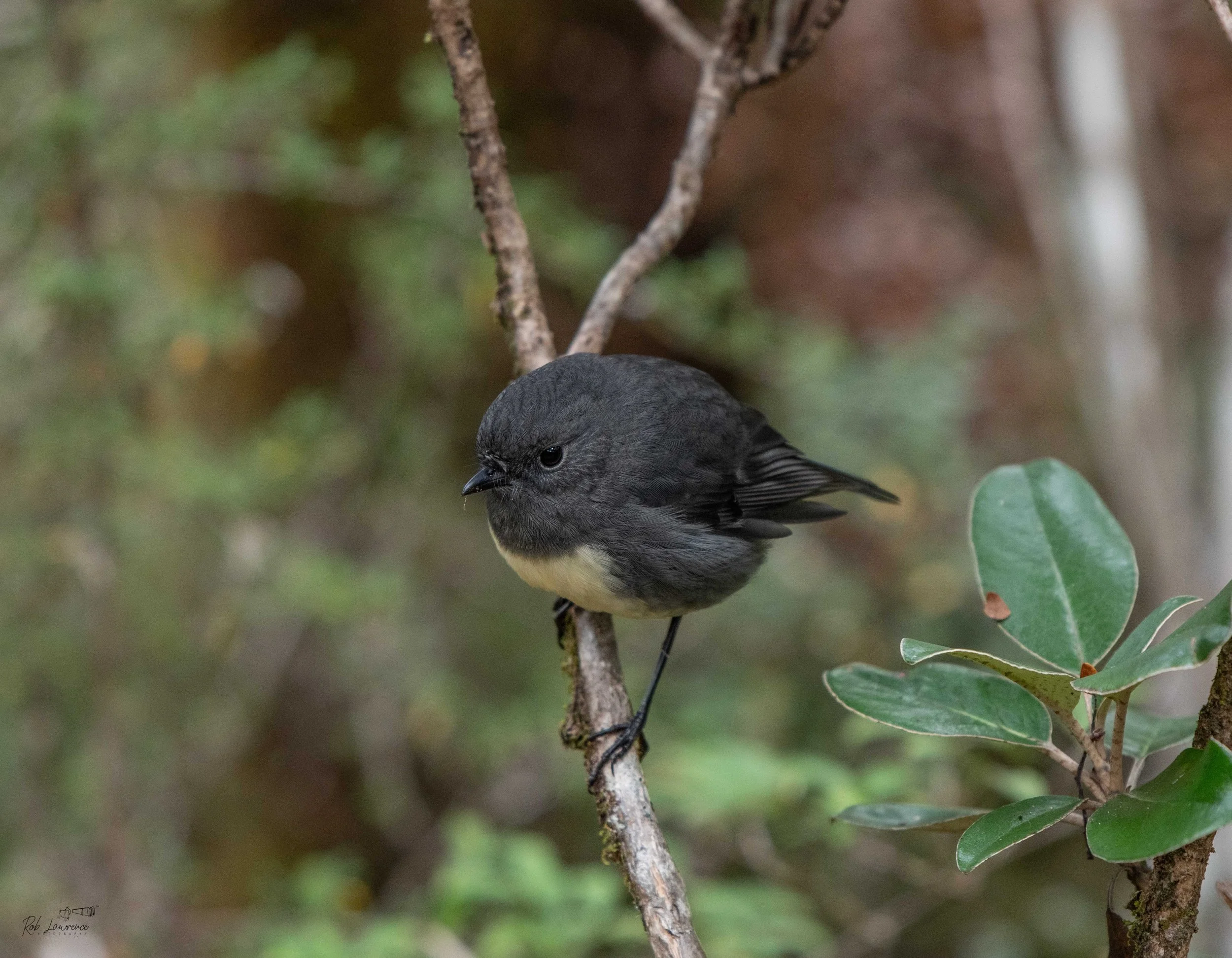
South Island Robin South Island Robin (kakaruwai) Petroica australis
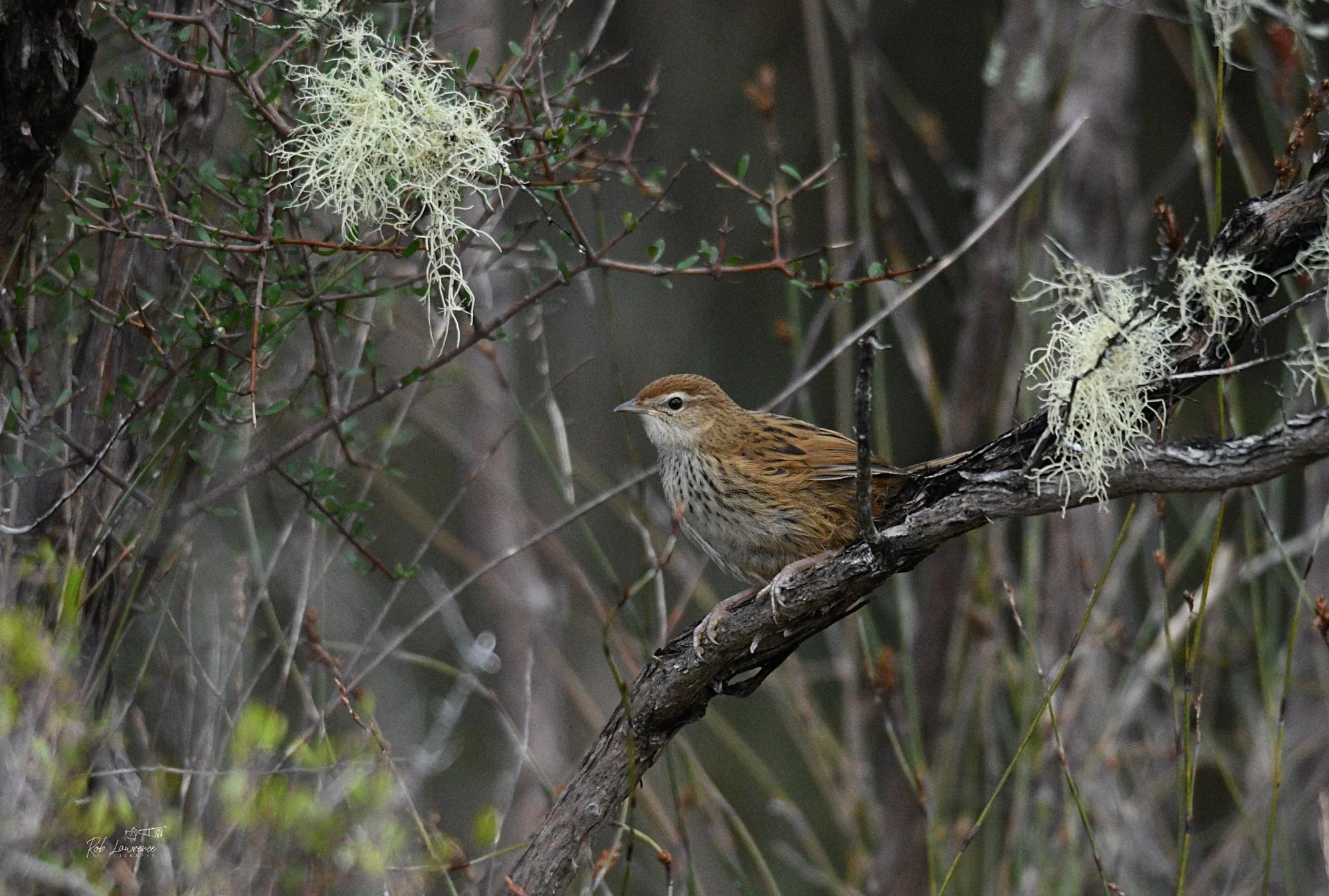
South Island fernbird (koroātito) Poodytes punctatus . punctatus
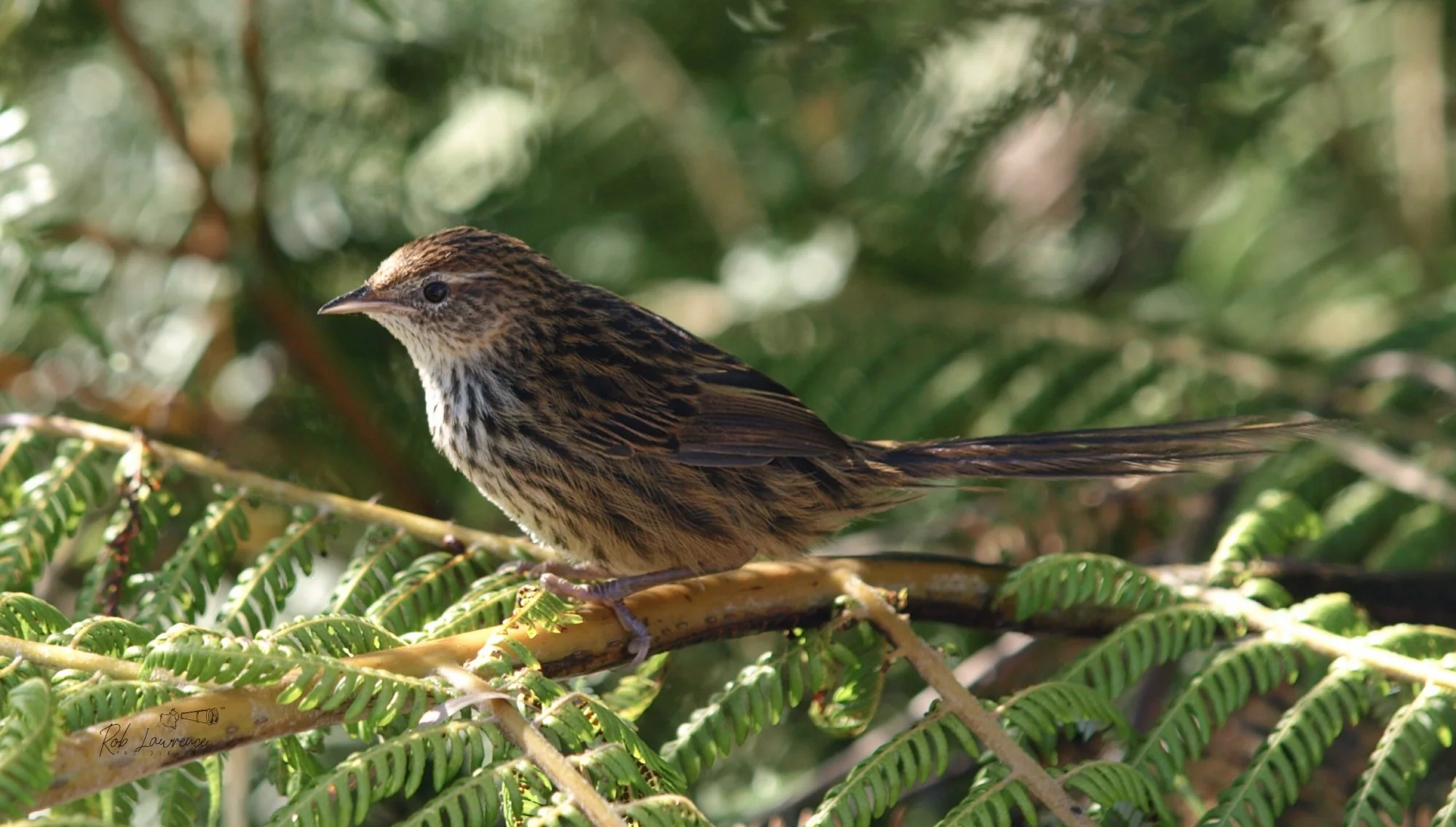
North Island Fernbird. (mātā) Poodytes punctatus vealeae
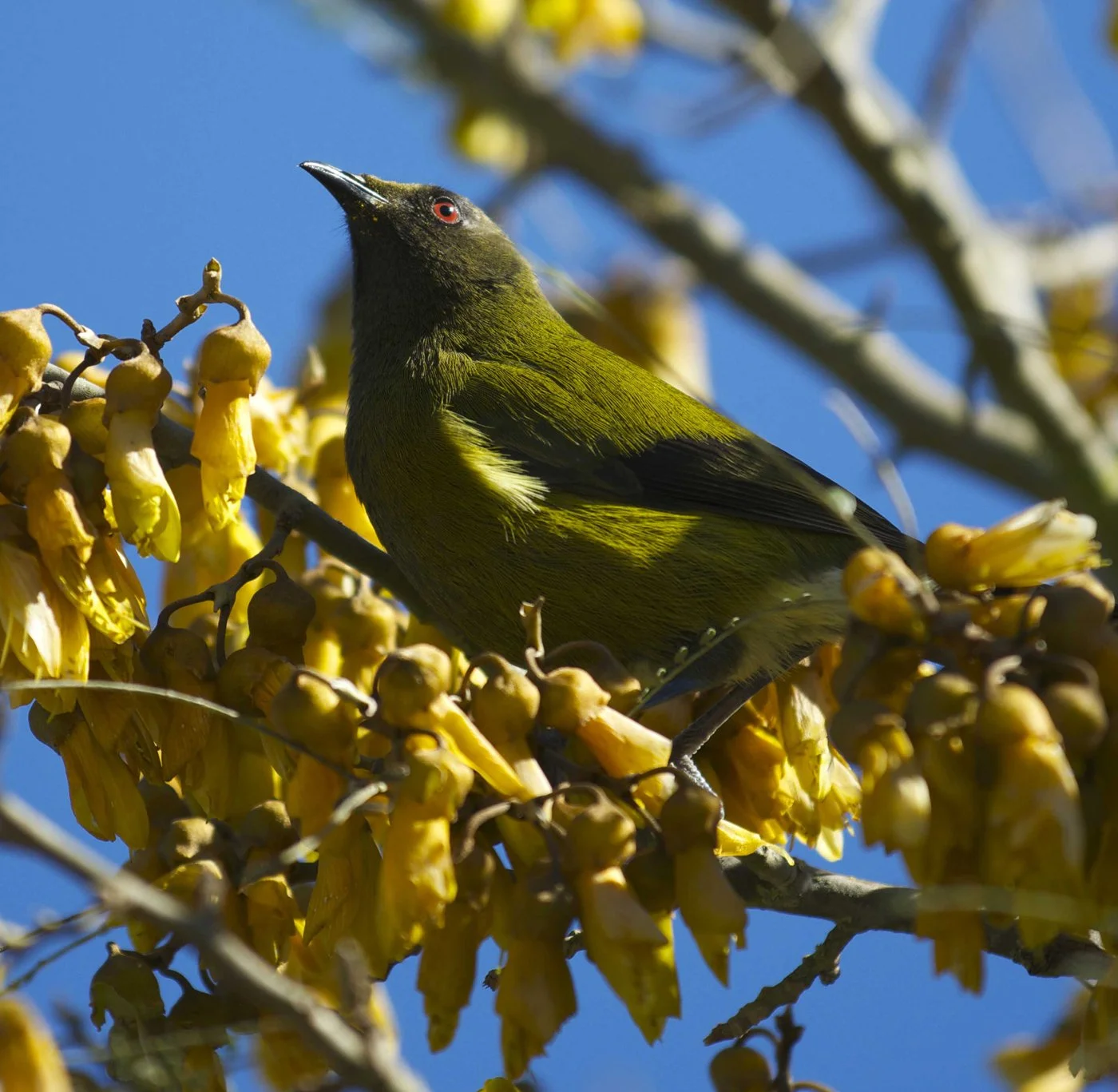
Bellbird (korimako) Anthanura melanura
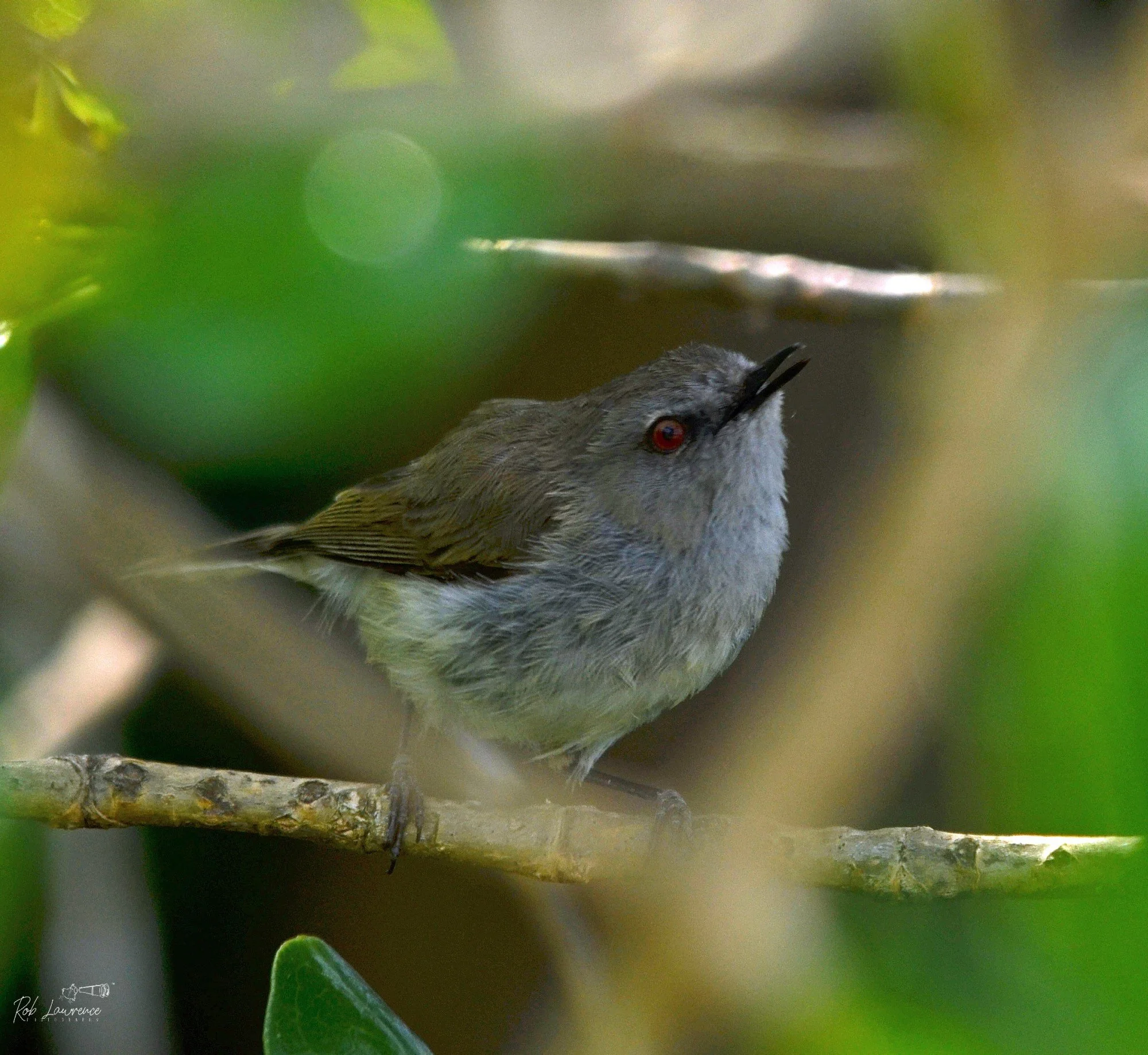
Grey Warbler (riroritro) Greygone igata
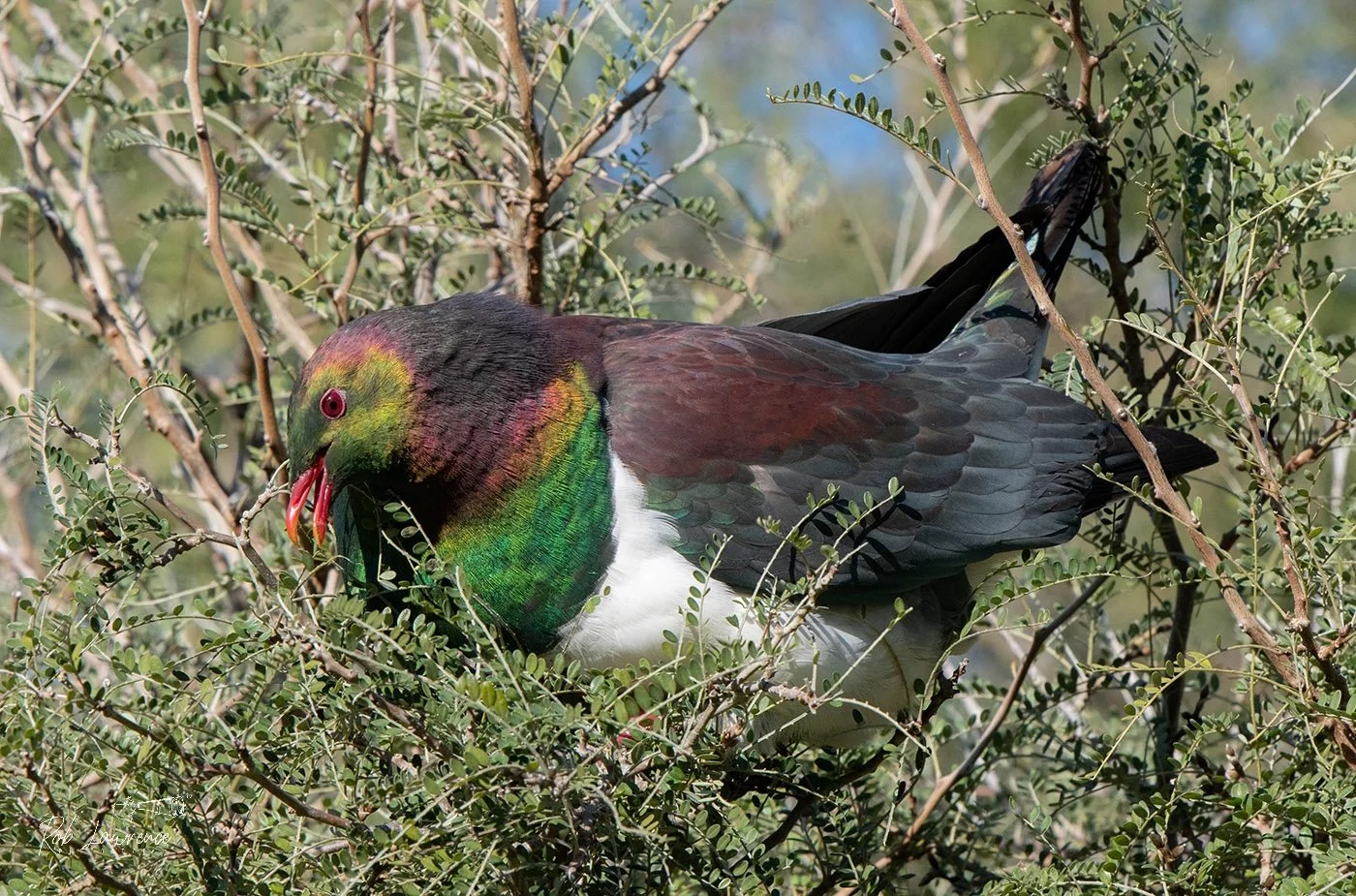
New Zealand Pigeon (kereru) Hemiphaga novaeseelandiae
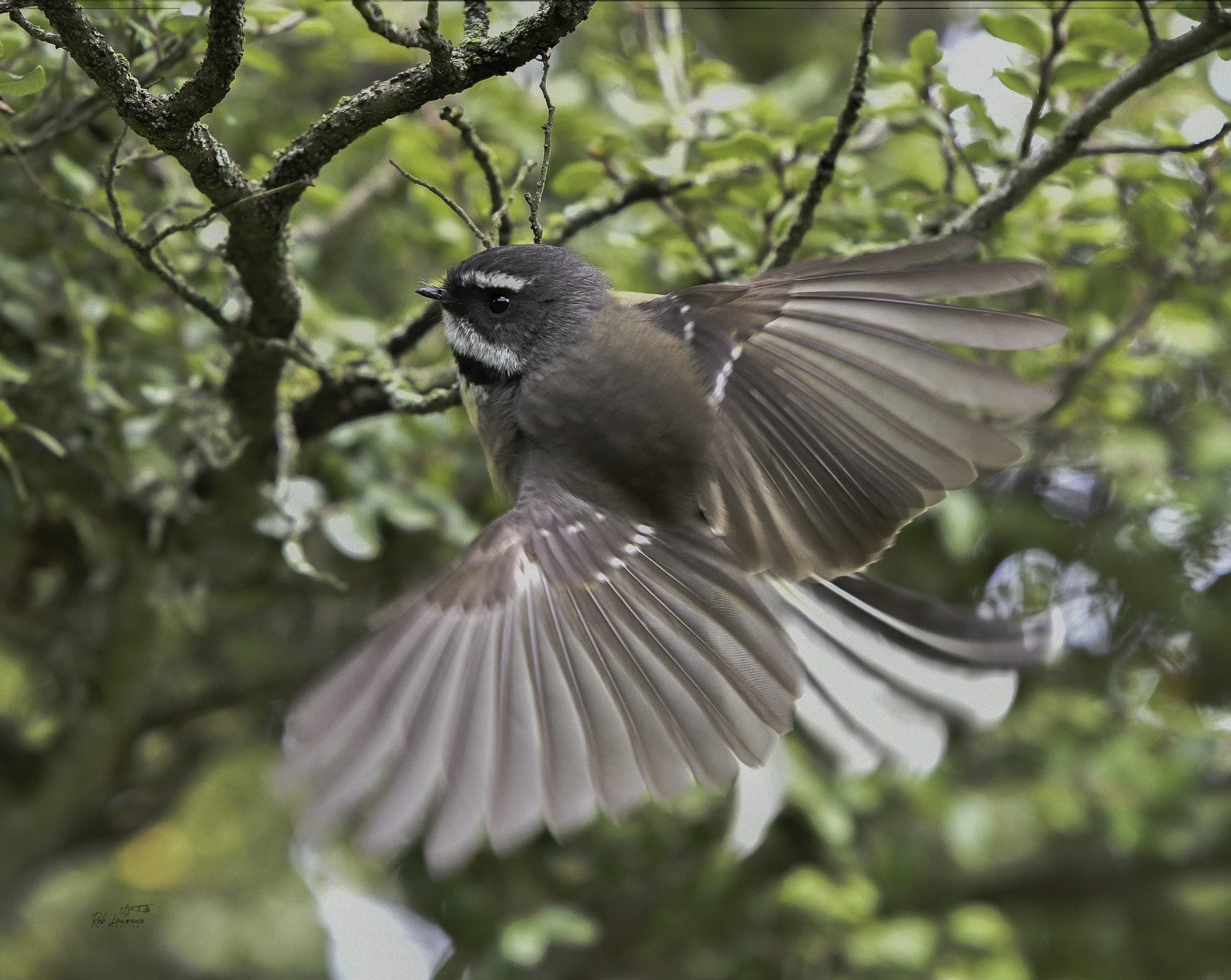
Pied Phase Fantail (piwakawaka) Rhipidura fulignosa
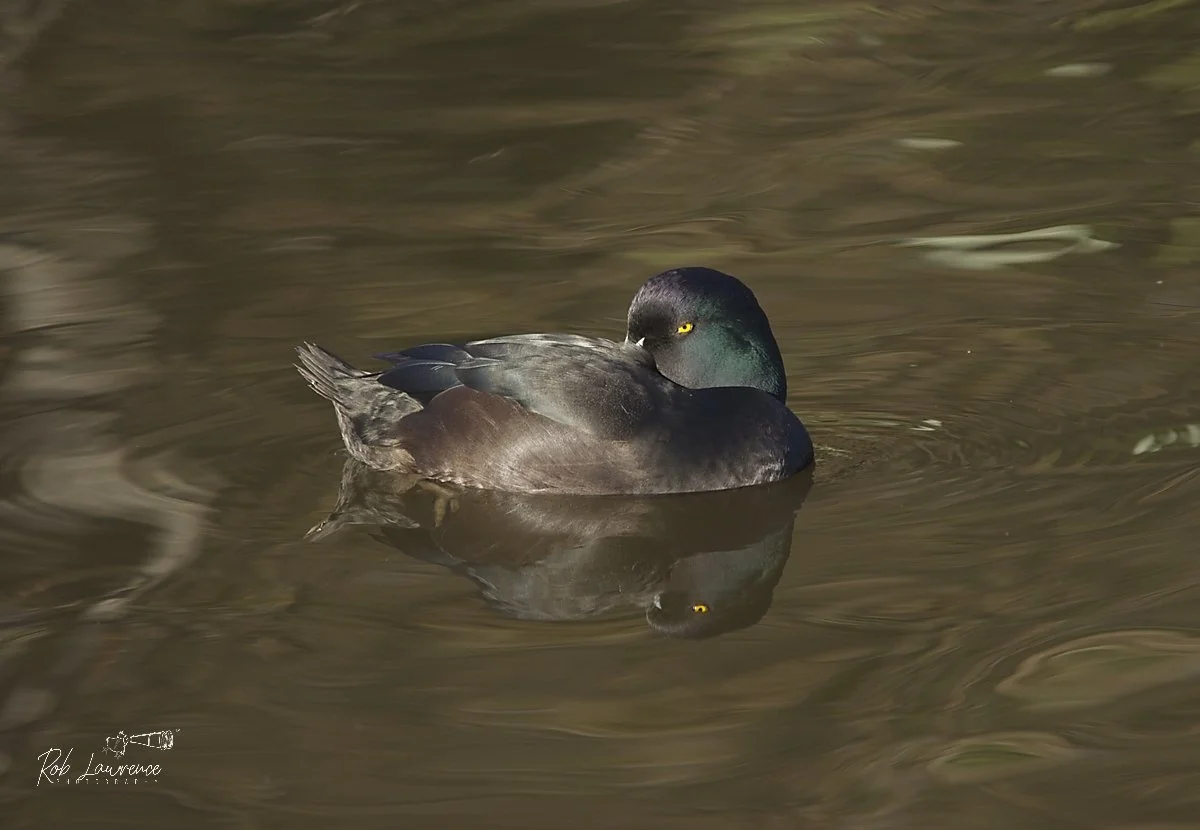
New Zealand Scaup Althea novaseelandiae
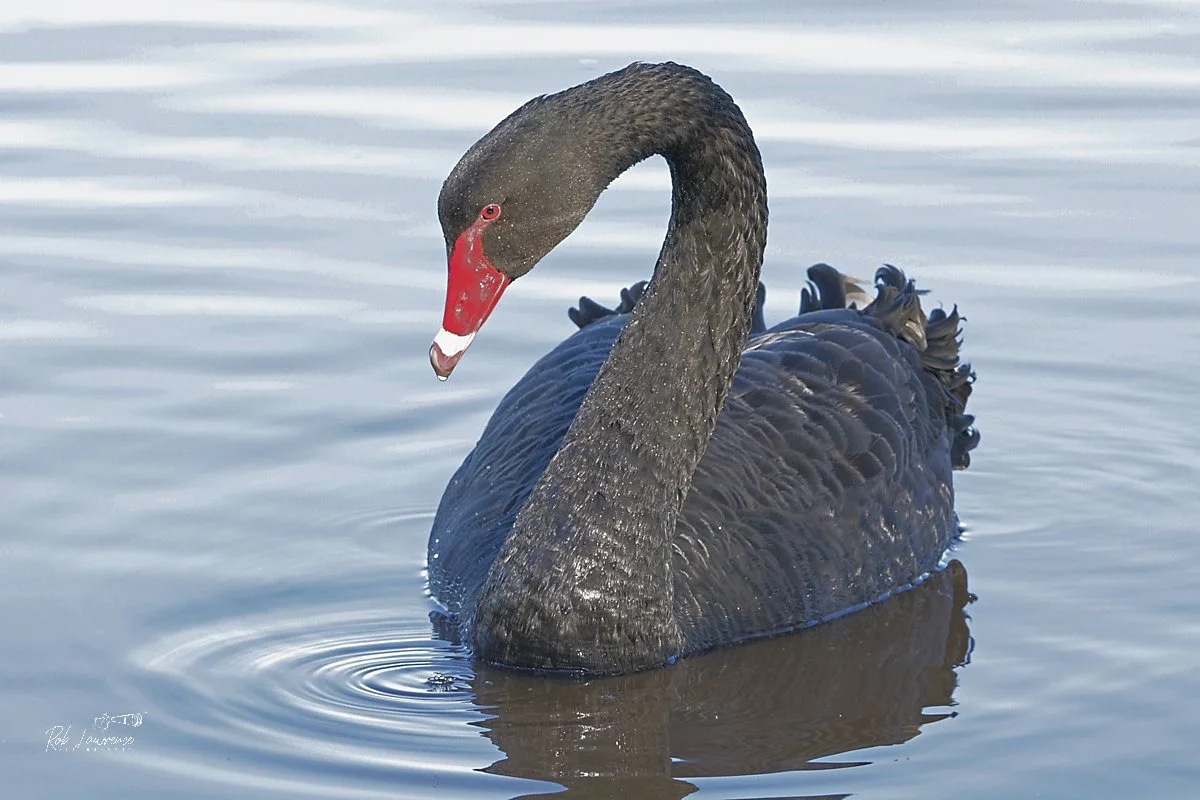
Black Swan (kakīānau) Travis wetlands Cygnus atratus
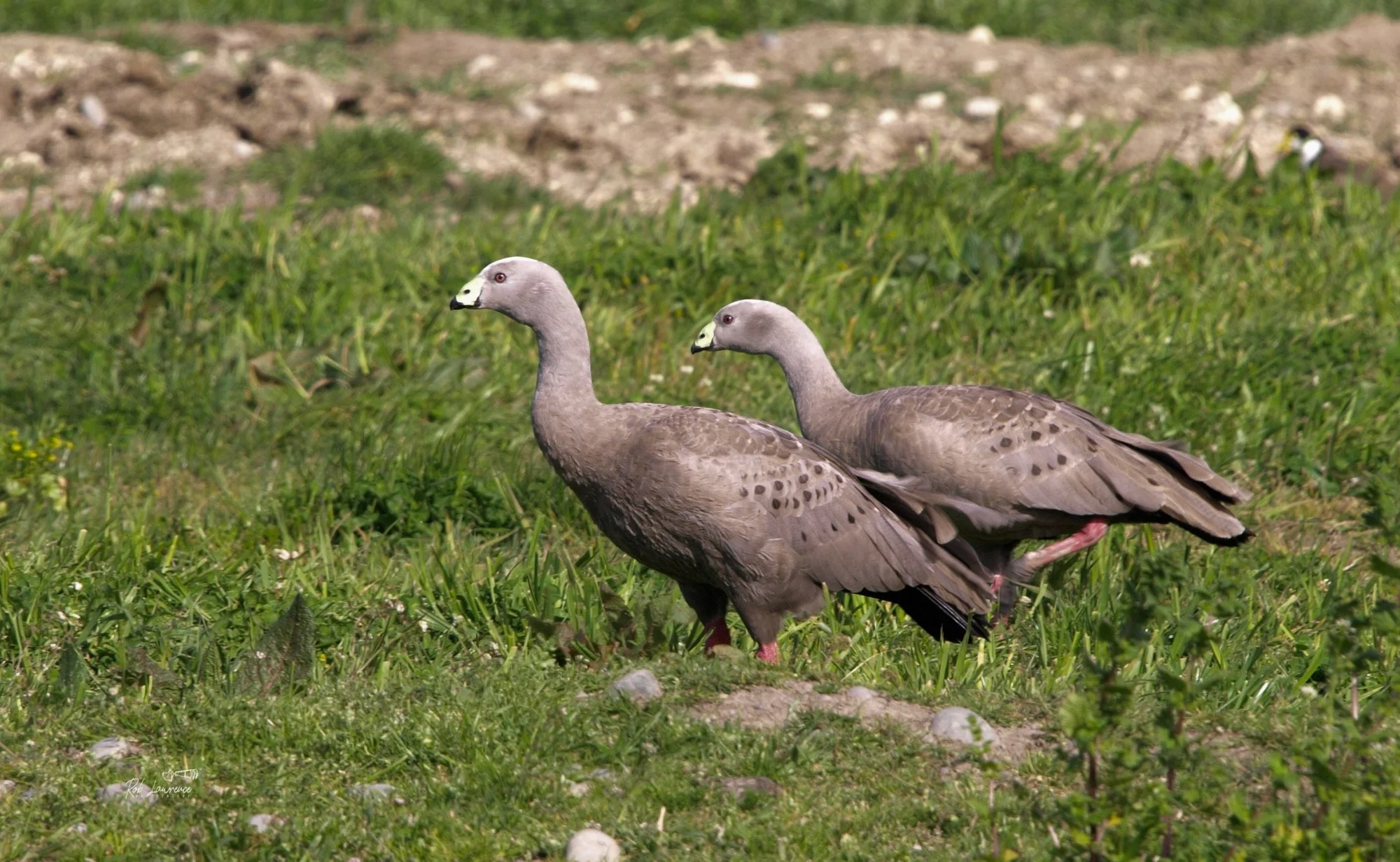
Cape Barren Geese. St Anne's Lagoon Cheviot Coreopsis novaehollandiae Cape Barren geese are large birds found in Australia. They are one of the rarest of the world's geese. They are bulky birds and their almost uniformly grey plumage, bearing rounded black spots, is unique. The tail and flight feathers are blackish and the legs are pink with black feet. The short, decurved black bill and green cere gives it a very peculiar expression. Males of this species are somewhat larger than females.
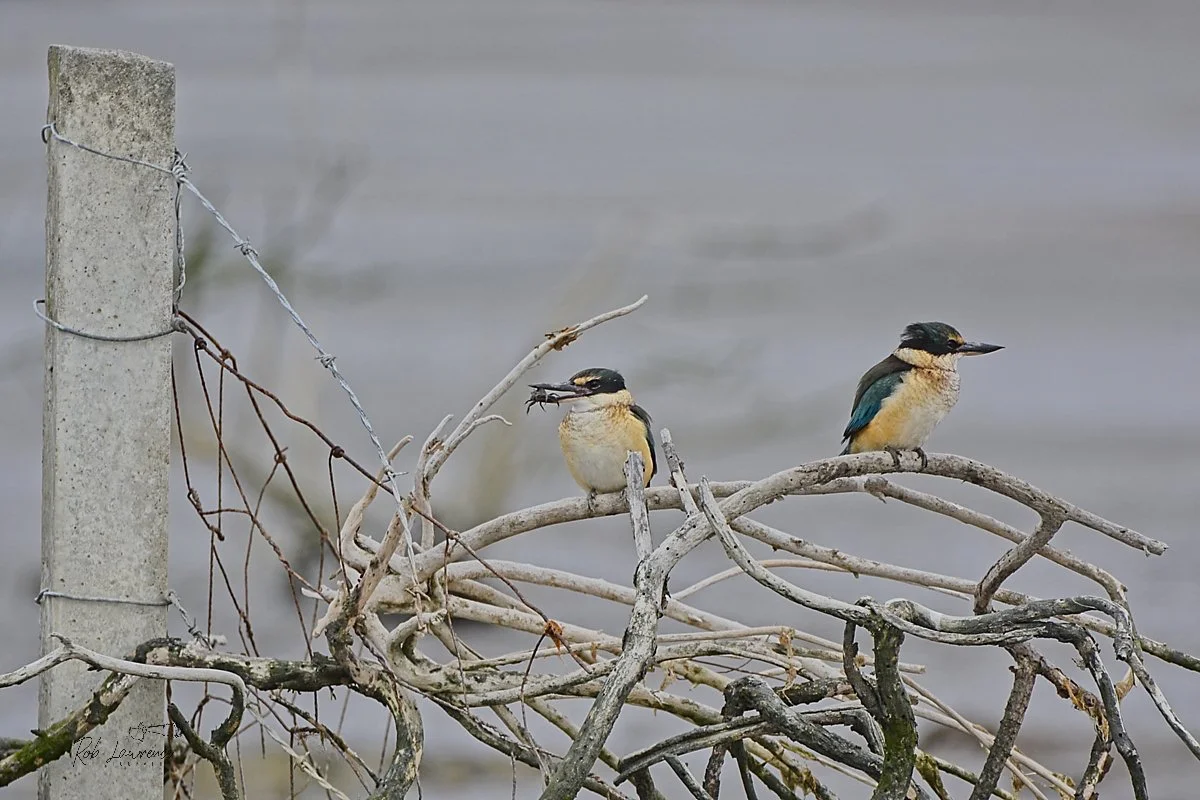
Scared Kingfisher (kōtare) Todiramphus sanctus Kingfishers are found widely in New Zealand in a wide range of habitats: the key ingredients are elevated observation posts to hunt from, banks or suitable standing trees to excavate nests in, and open or semi-open habitats which support a range of prey ite
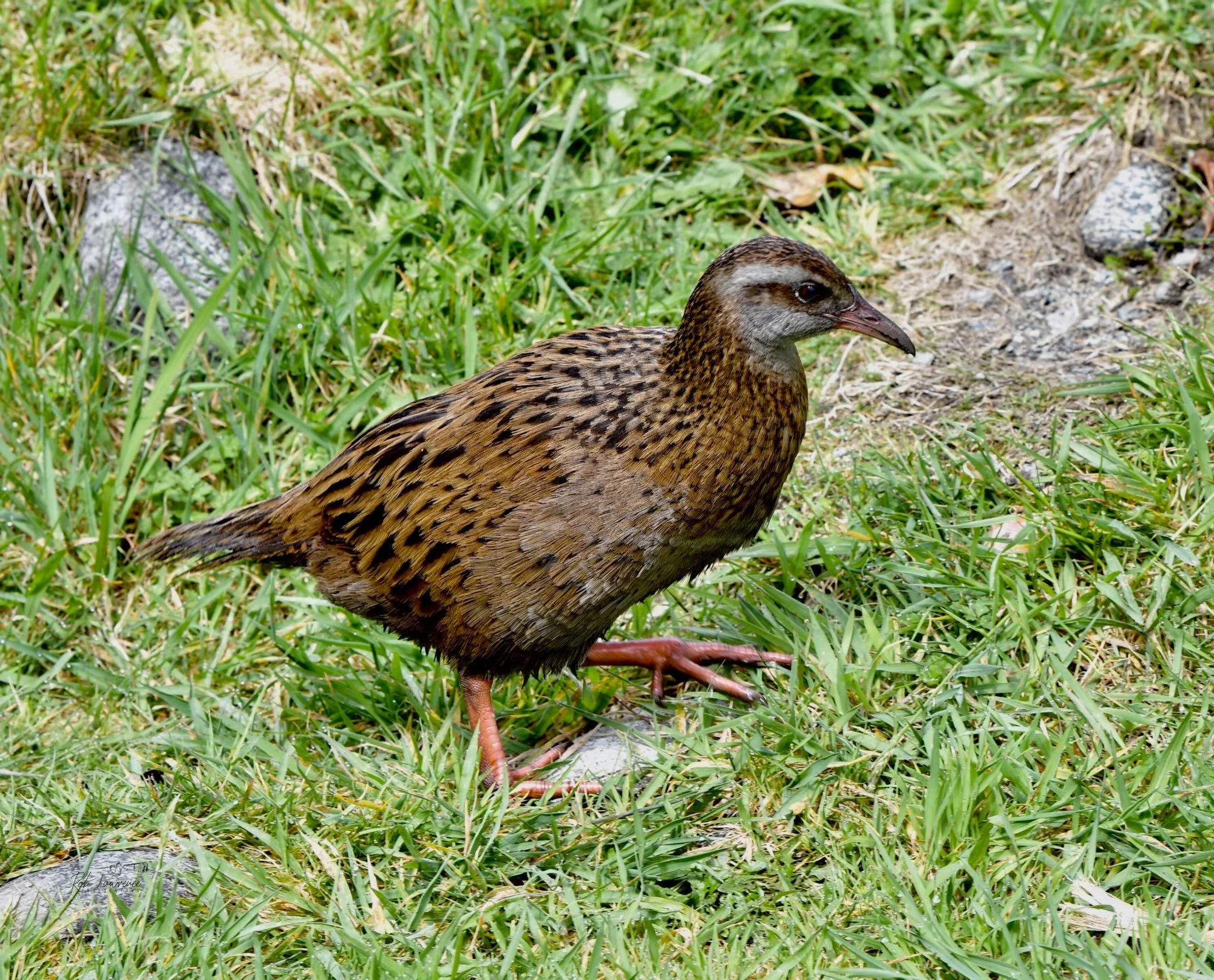
Weka Gallirallus australis The weka is one of New Zealand’s iconic large flightless birds. Likely derived from a flighted ancestor, weka are 3-6 times larger than banded rails, which are considered their nearest flying relatives. Weka are charismatic birds that are often attracted to human activity
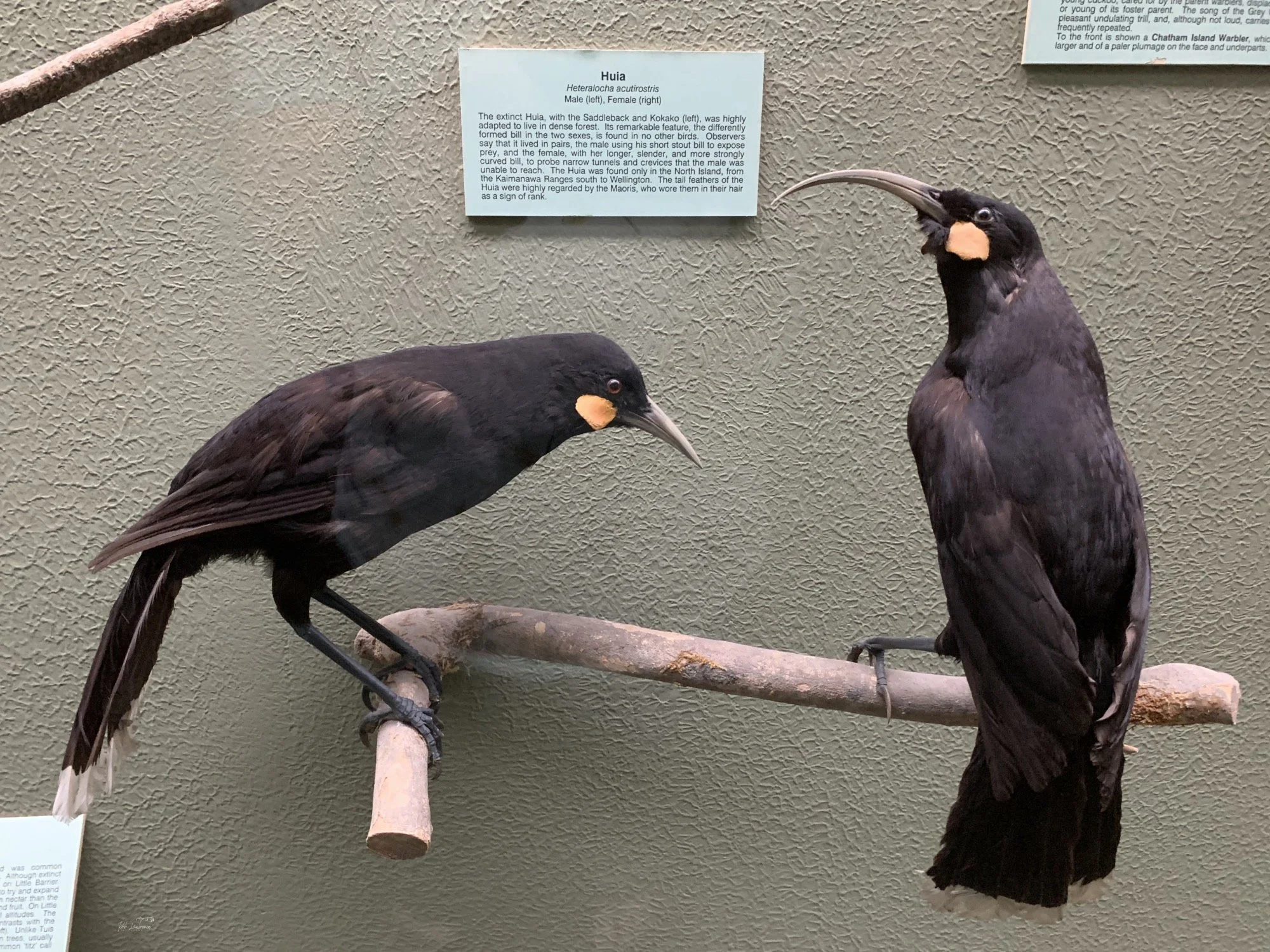
Huia Male and Female. Extinct since 1900 Heteralocha acutirostris The Huia (Heteralocha acutirostris) is one of New Zealand's most celebrated extinct birds. Endemic to the North Island, it was once found in the forests of the Ruahine, Tararua, Rimutaka, and Kaimanawa ranges. Already uncommon before European settlement, the Huia declined rapidly through habitat loss, hunting, and the demand for its striking tail feathers. The last widely accepted sighting occurred in 1907, although a credible report was made in 1924. The Huia was remarkable for the extraordinary difference between the bills of the male and female—the greatest sexual dimorphism in bill shape of any bird species in the world. The male possessed a short, powerful bill for chiselling into decaying wood, while the female's was long, slender, and gracefully curved, allowing her to probe deep into holes and crevices for insects. Together, they exploited food sources unavailable to either bird alone. Its glossy black plumage was beautifully complemented by striking white-tipped tail feathers, unique among New Zealand birds. These elegant feathers made the Huia one of the country's most admired and recognisable species. For Māori, the Huia held deep cultural significance and was regarded as tapu (sacred). Its tail feathers were treasured symbols of prestige and authority, traditionally worn only by people of high rank, while the bird itself features prominently in Māori history, tradition, and oral storytelling. Today, the Huia remains a powerful symbol of New Zealand's lost natural heritage—a poignant reminder of how quickly a unique species can disappear, and why protecting the native birds that remain is so important. Photo form the Canterbury Museum Christchurch
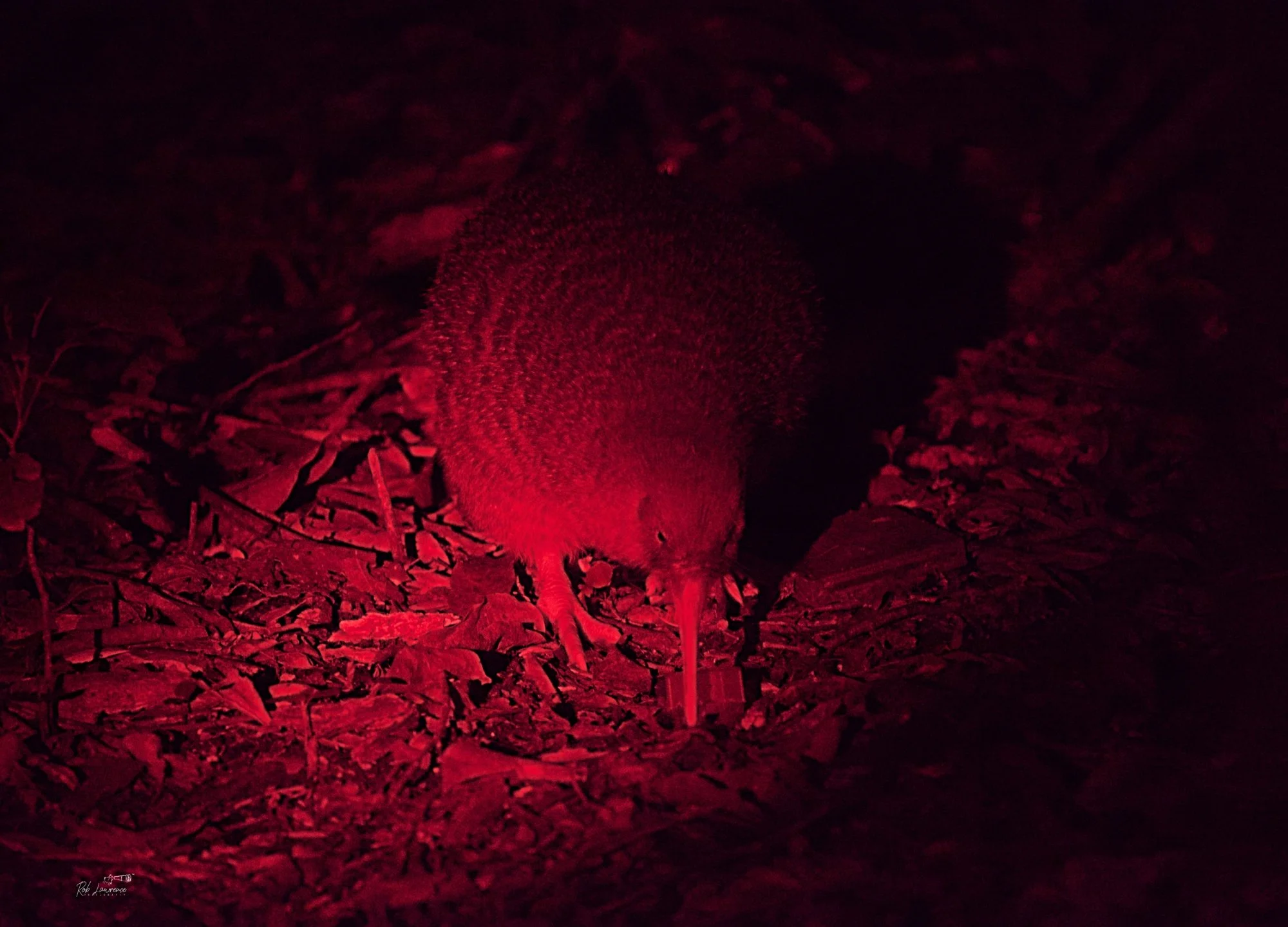
Little Spotted Kiwi. (kiwi pukupuku) Apteryx owenii
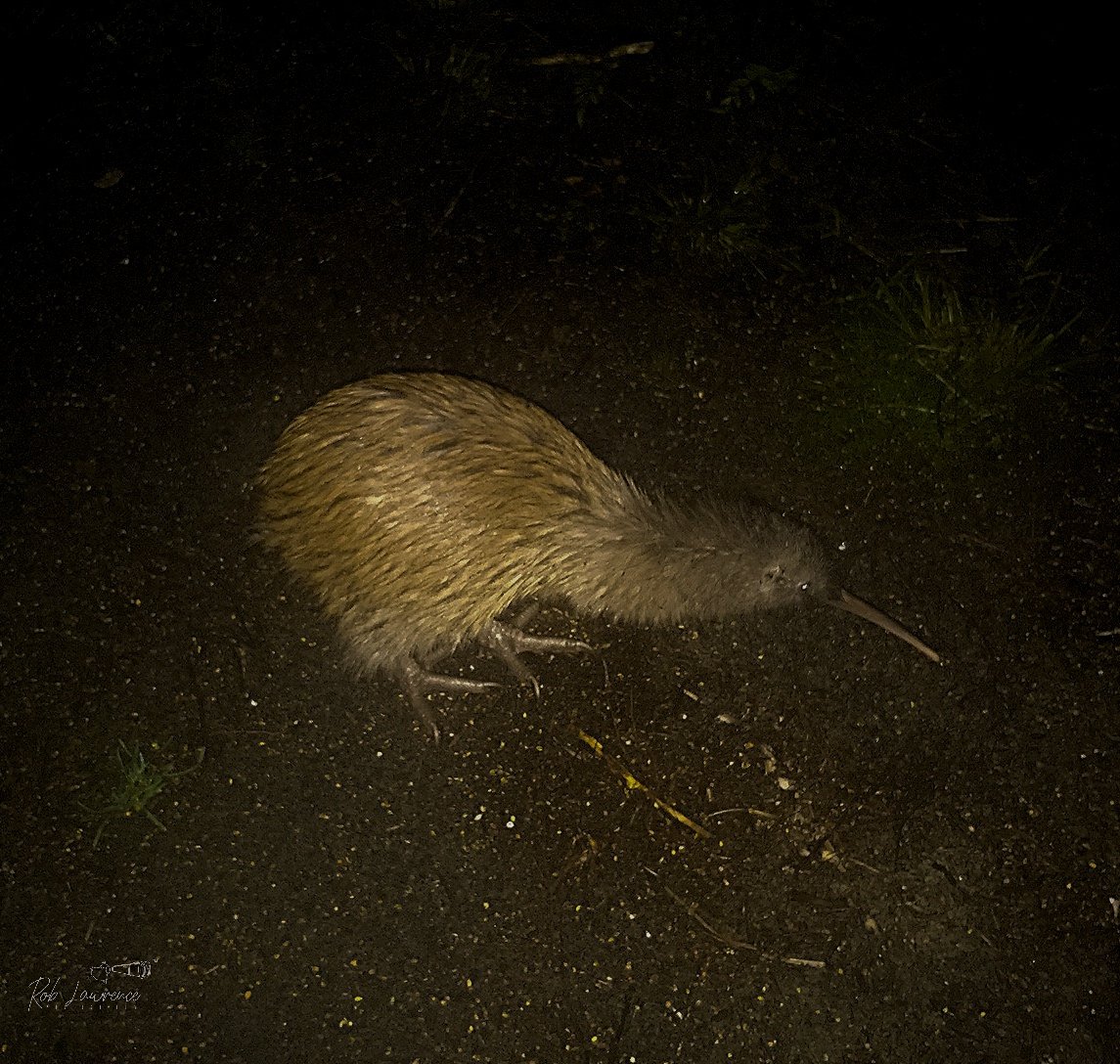
Stewart Island Brown Kiwi (tokoeka) Apteryz australis
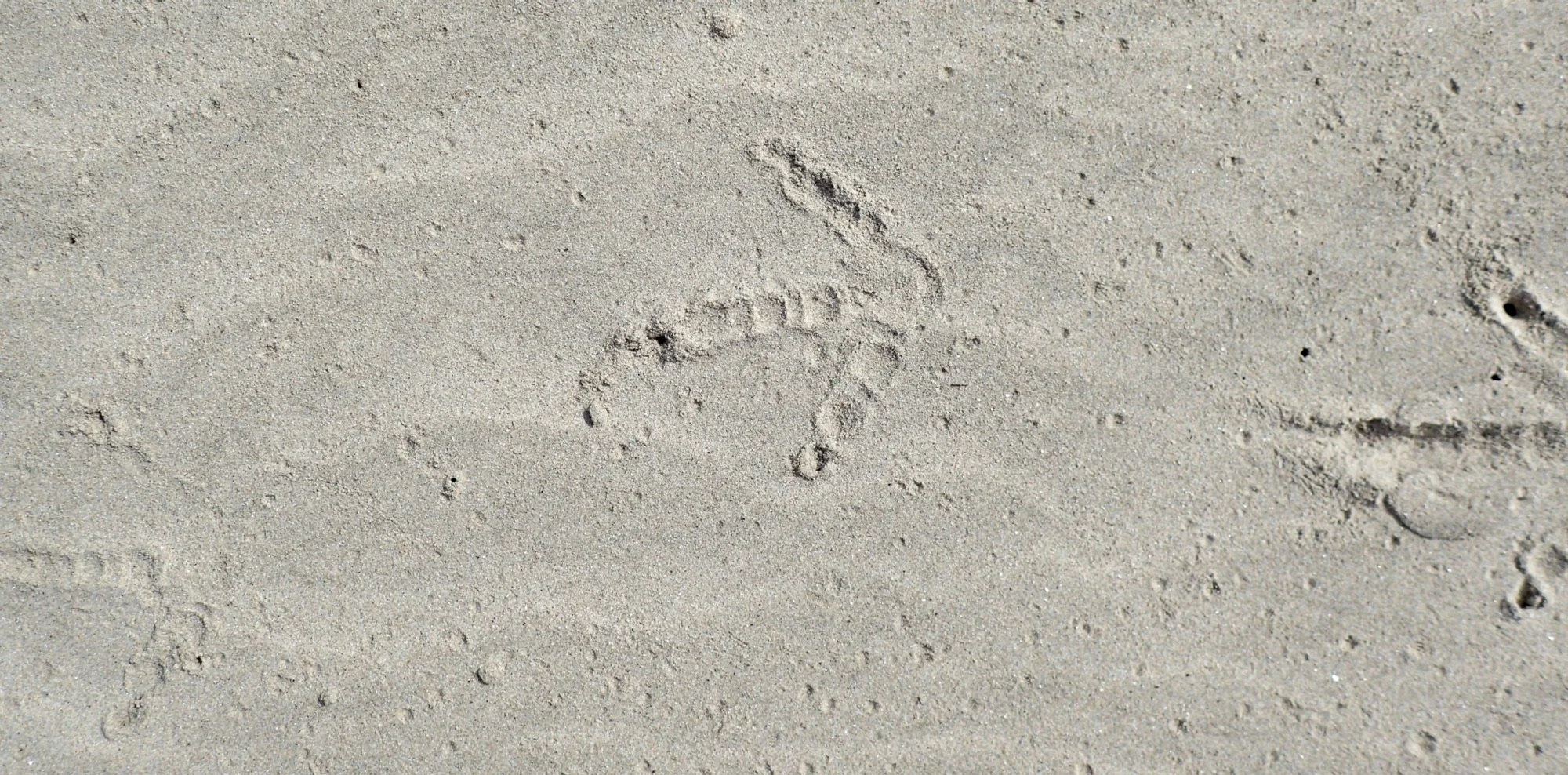
Kiwi tracks on the Beach. Stewart Island
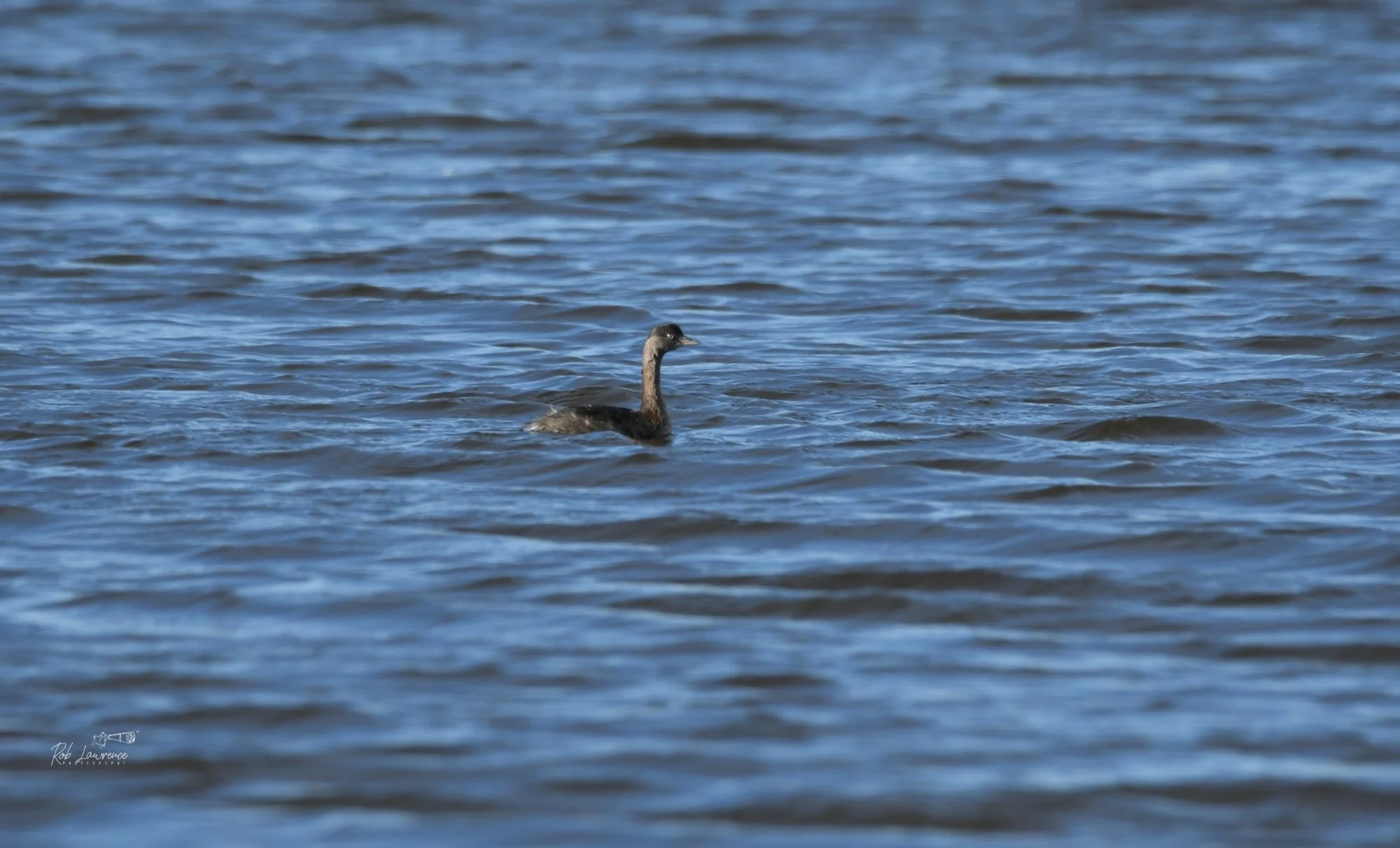
New Zealand Dabchick (wewwia) Immature bird spotted at Pegasus ponds Poliocephalus rufopectus
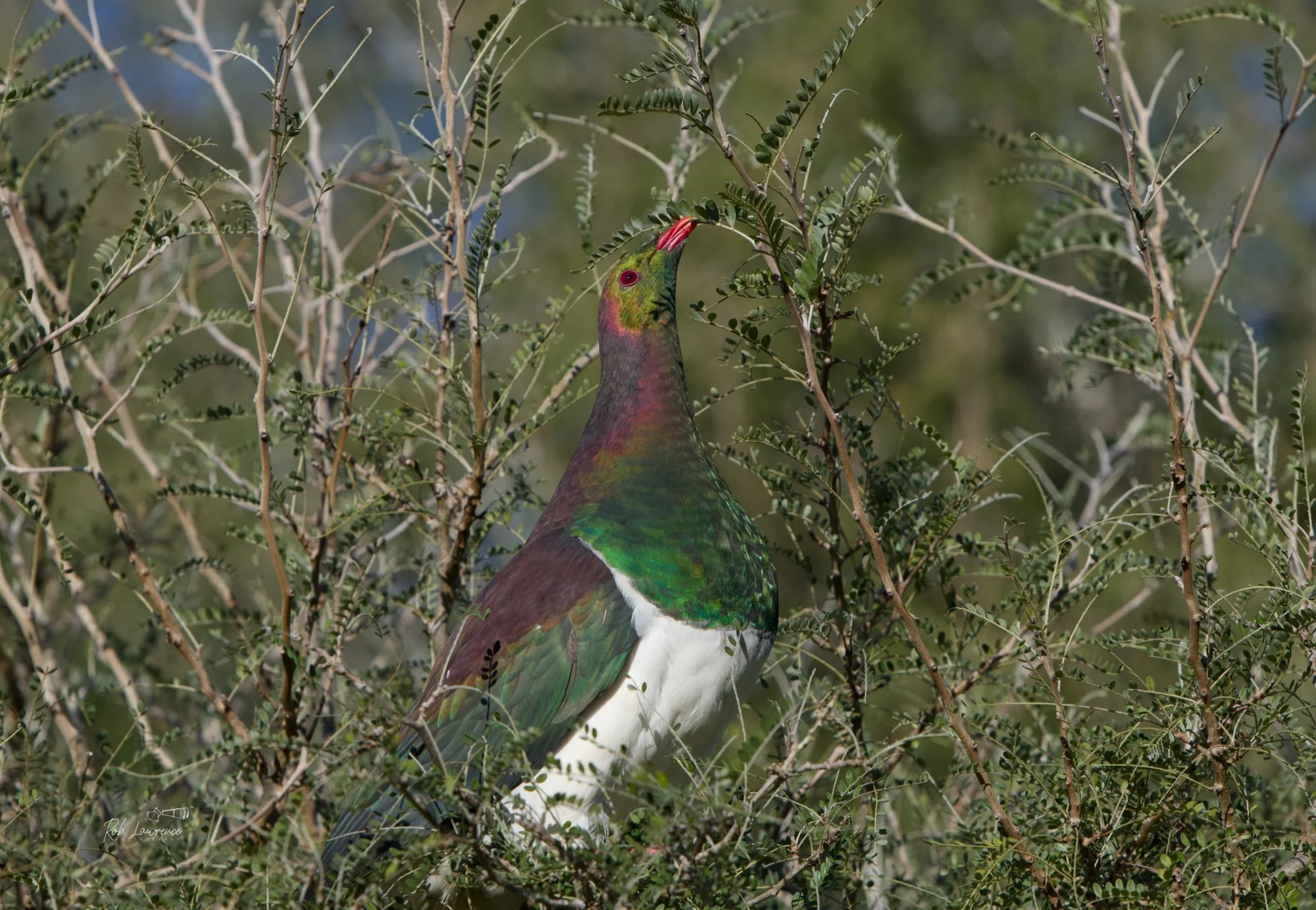
New Zealand Pigeon (kererū) Hemiphaga novaeseelandiae Hugely important in the regeneration of native forests, kererū are the only birds large enough to eat the large fruits of trees such as miro, tawa and pūriri and disperse their seed
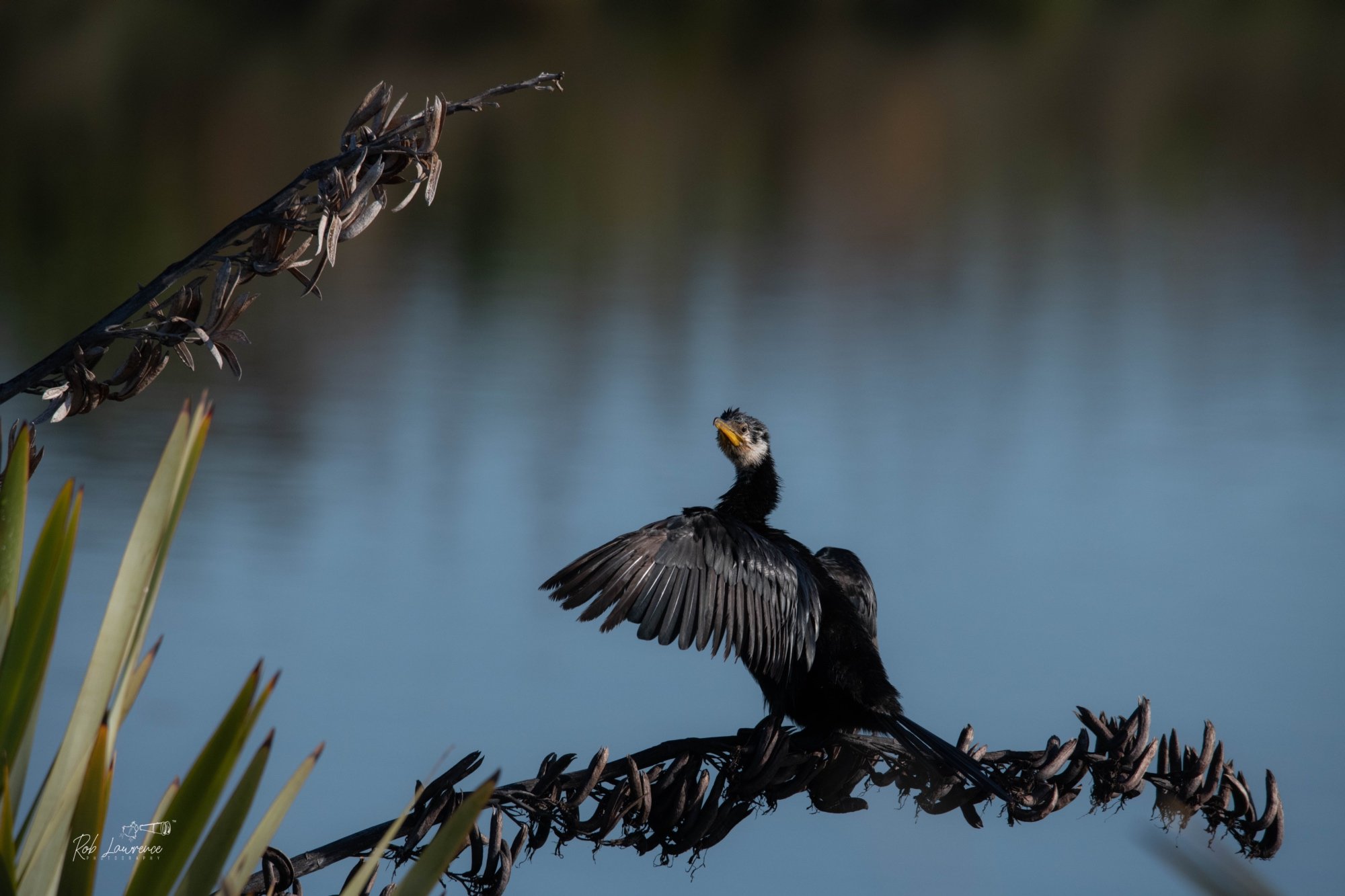
Little Black Shag (kawau tūī) Phalacrocorax sulcirostris
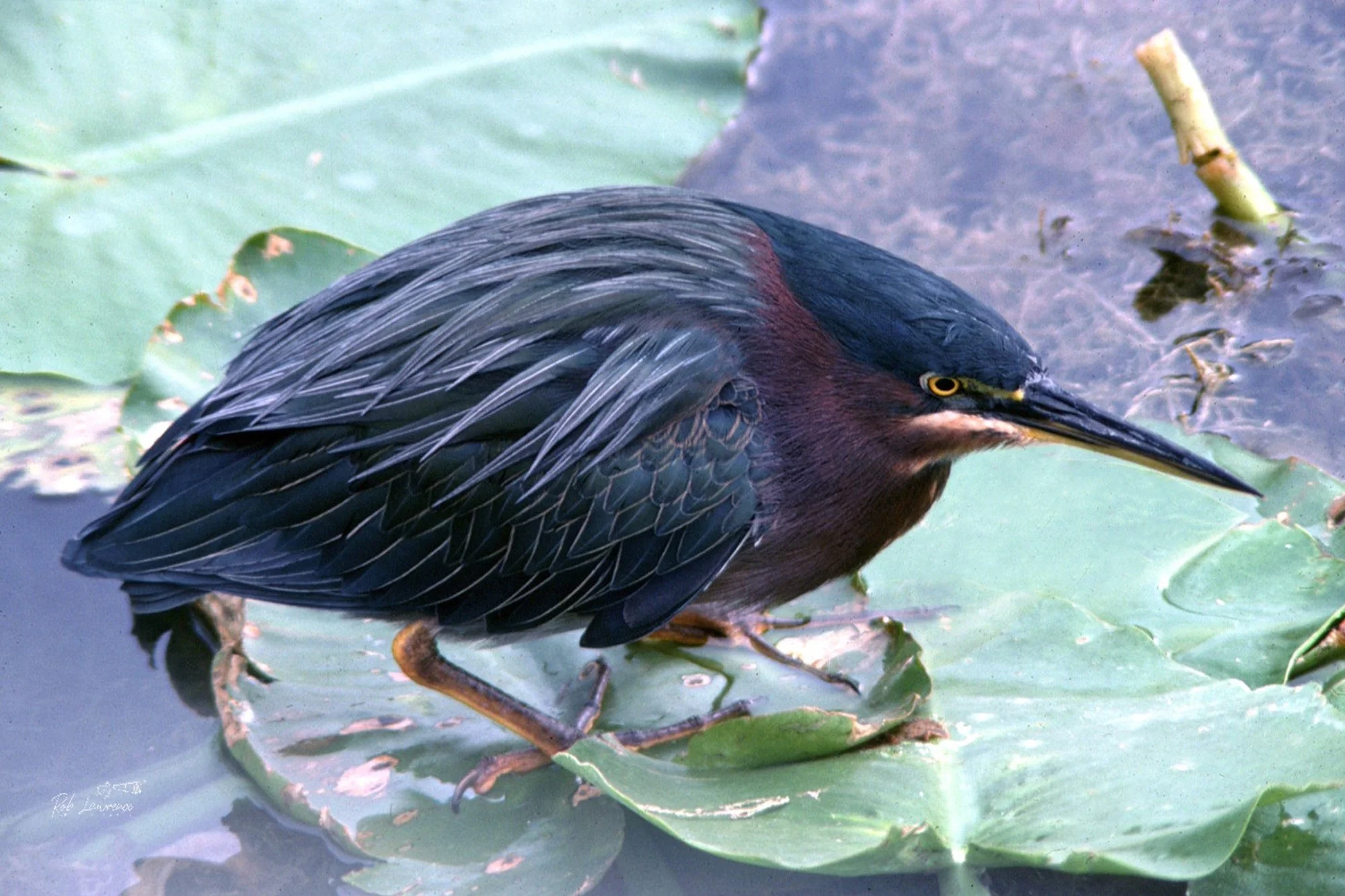
Green Heron Butorides striatus Everglades National Park Florida