

Plants, Ferns and Trees
Trees, flowers and leaves—and don't forget the amazing fungi, mosses and ferns that grace New Zealand's forests, fields and mountains—are every bit as much a part of our natural heritage as the wildlife that depends on them. Like our native birds and reptiles, they reflect the changes that have shaped Aotearoa over the centuries.
New Zealand's flora is exceptionally rich and distinctive. Nearly 2,900 native vascular plant species have evolved here, with around four out of every five found nowhere else on Earth. More than 200 species of native ferns thrive in our forests.
Alongside this remarkable native flora, more than 2,800 introduced plant species have become established in the wild, reminding us how profoundly people have changed these islands since their first settlement.
This gallery celebrates not only the beauty of New Zealand's plants but also their diversity, resilience, and the essential role they play in the health of our natural environment.
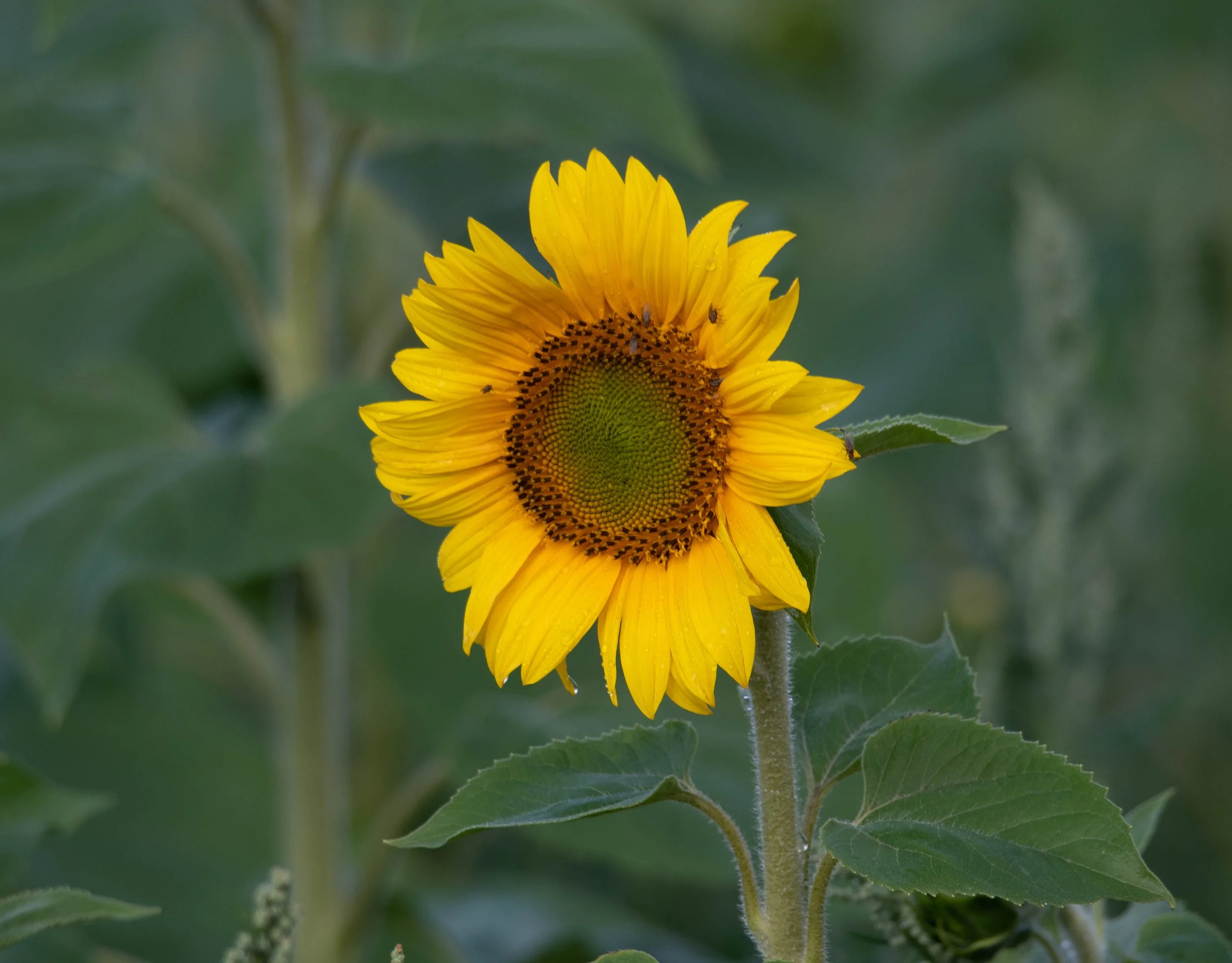
Sunflower
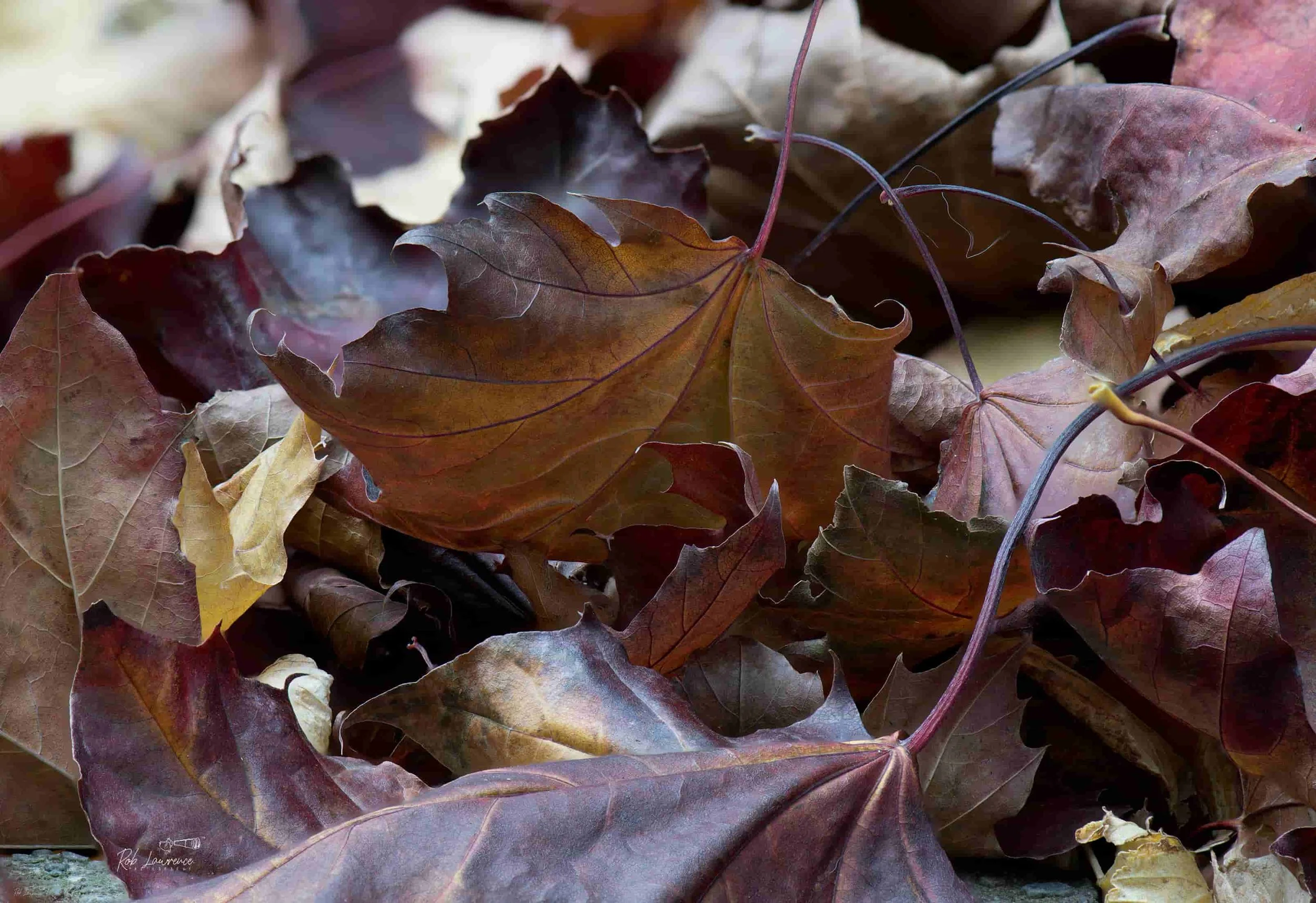
Purple Maple Leaves
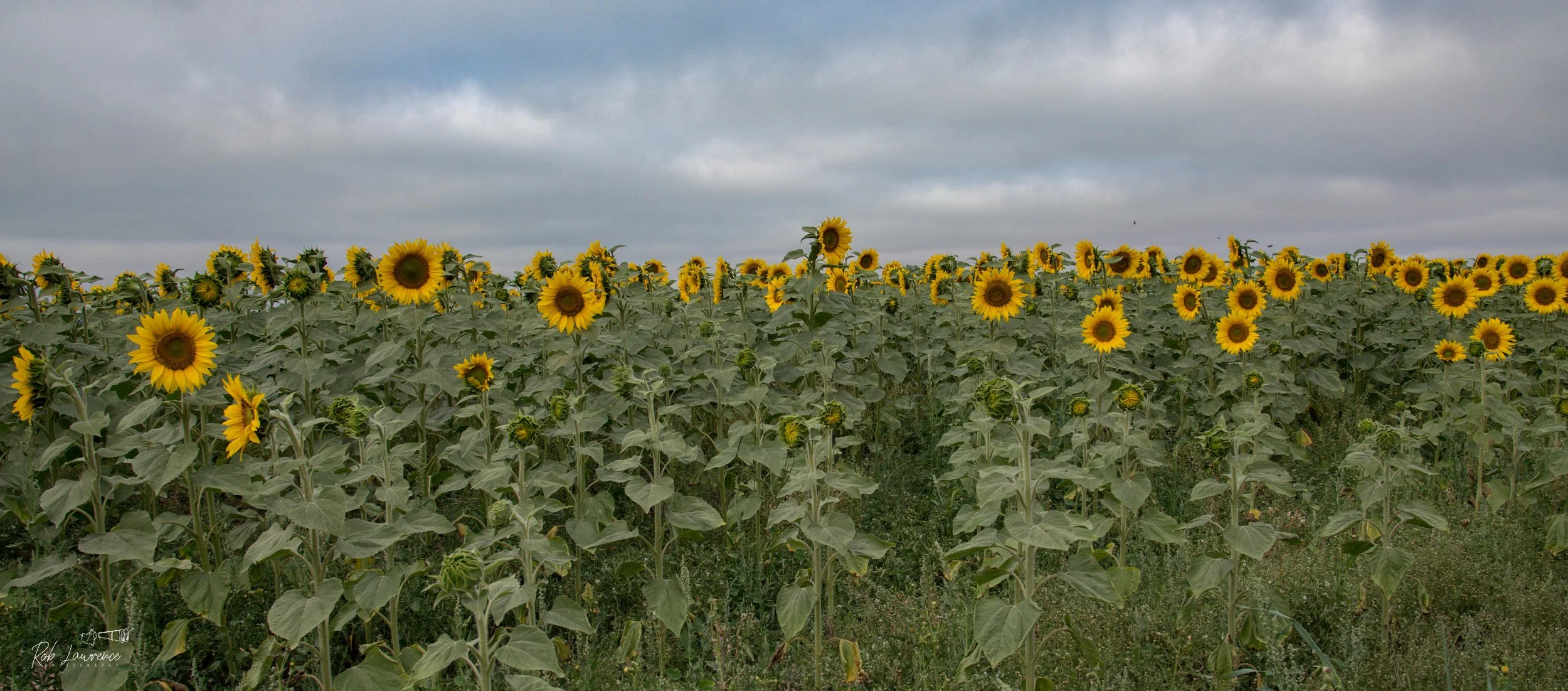
Field Sunflowers A widely grown oil crop in mid canterbury
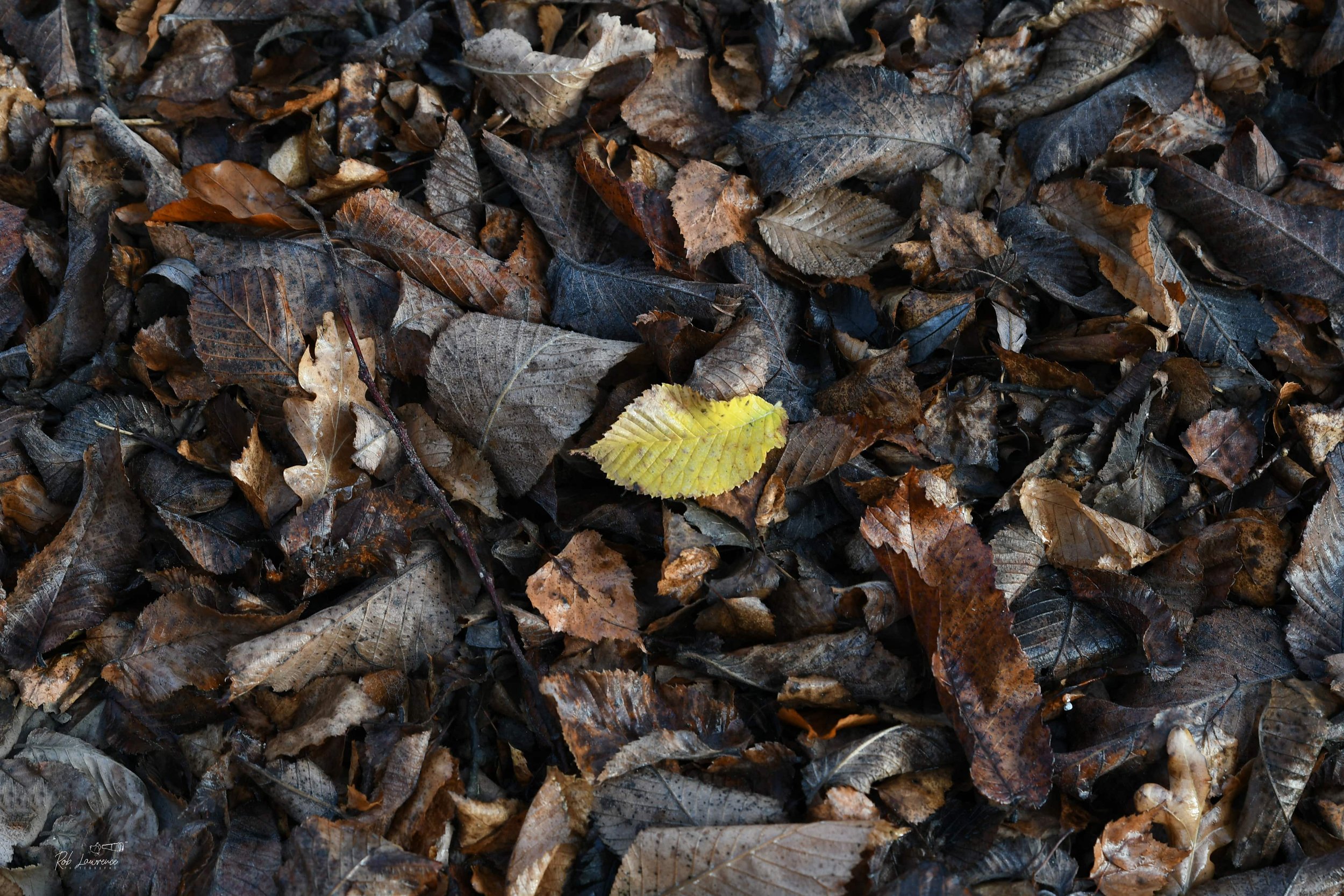
Yellow Elm Leaf Cheviot Domain
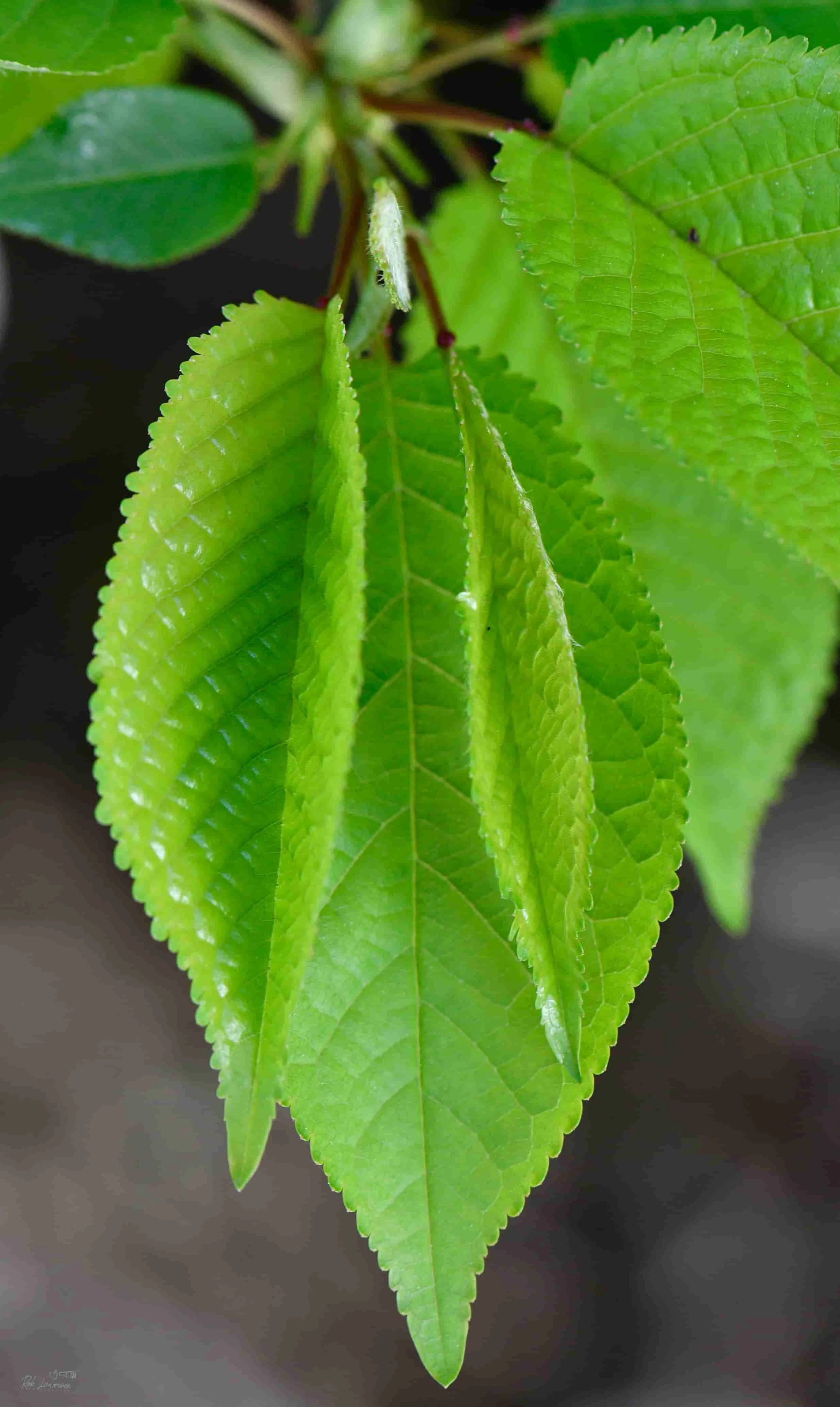
Fresh Green Elm Leaves emerging
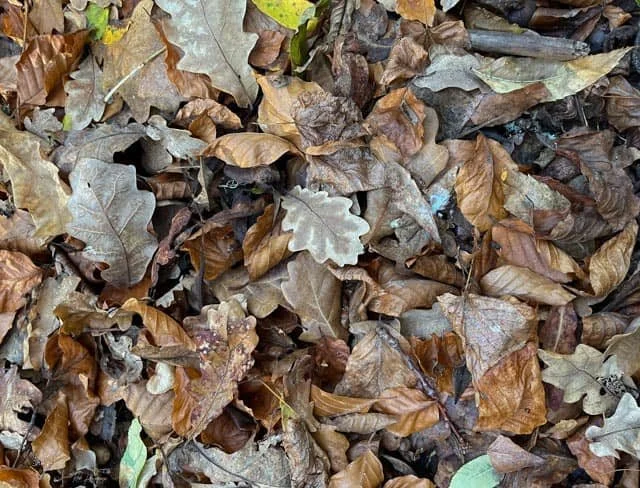
Oak Leaf
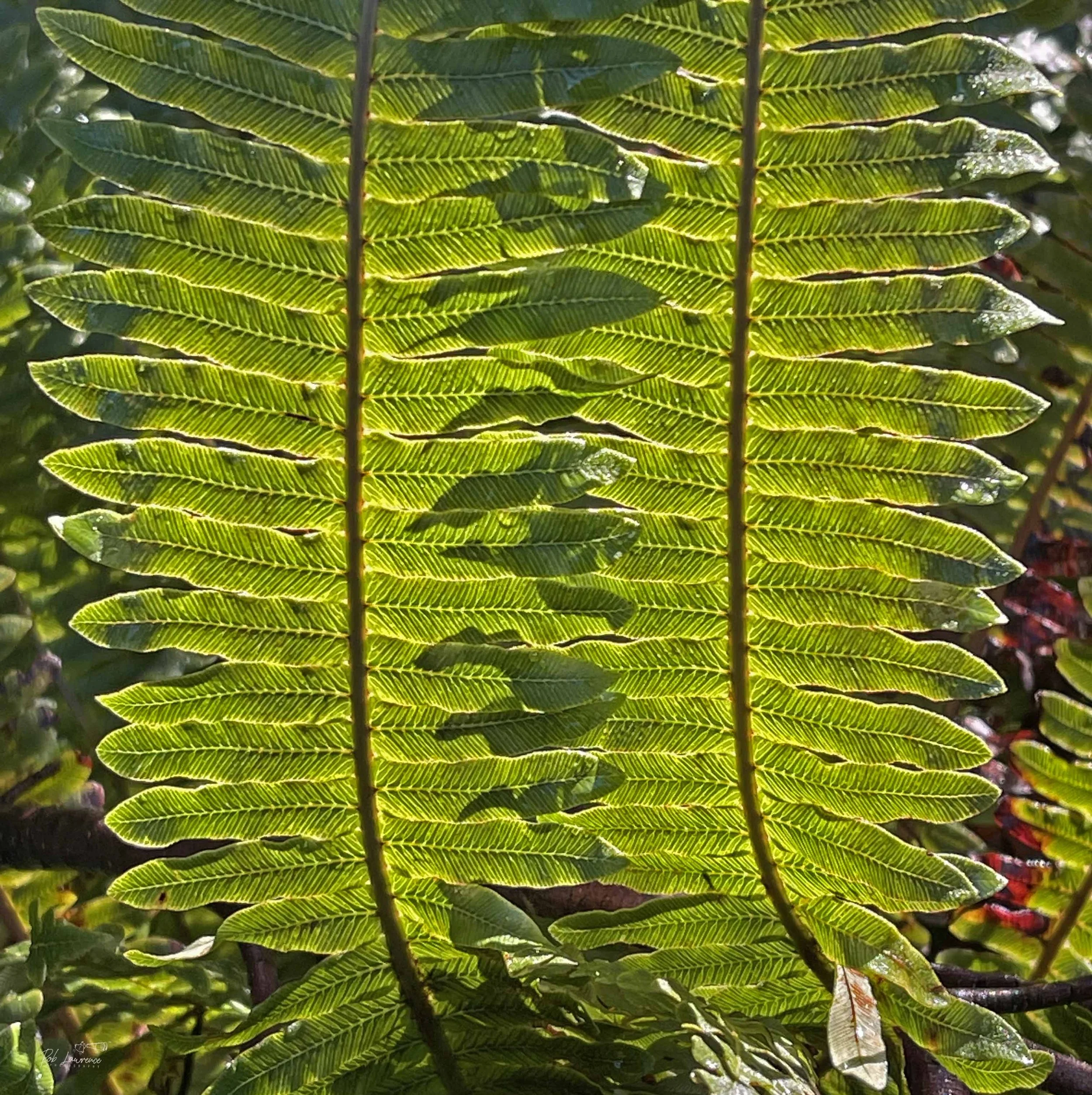
Fern Fonds
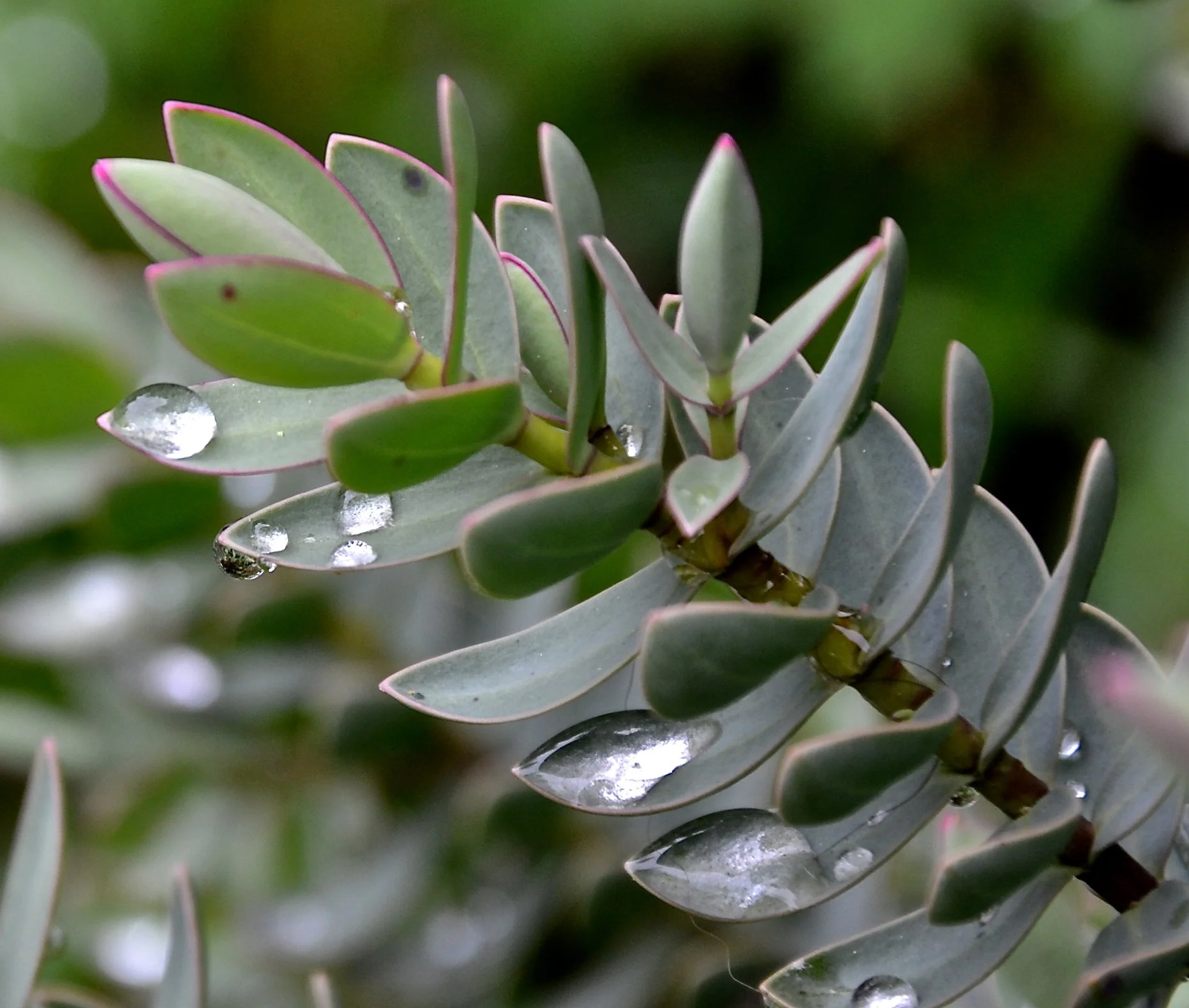
Hebe Leaves
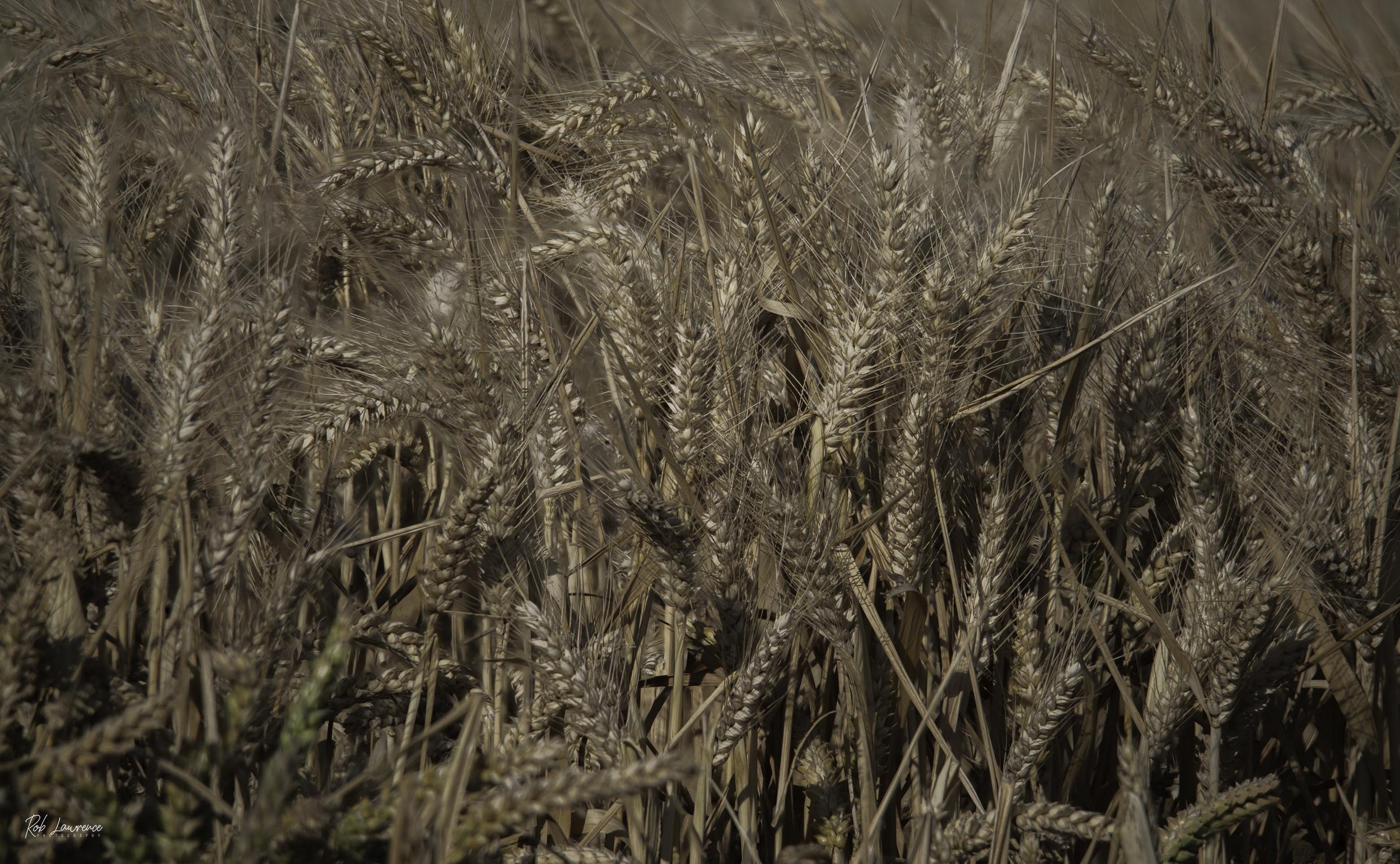
Wheat Seed heads
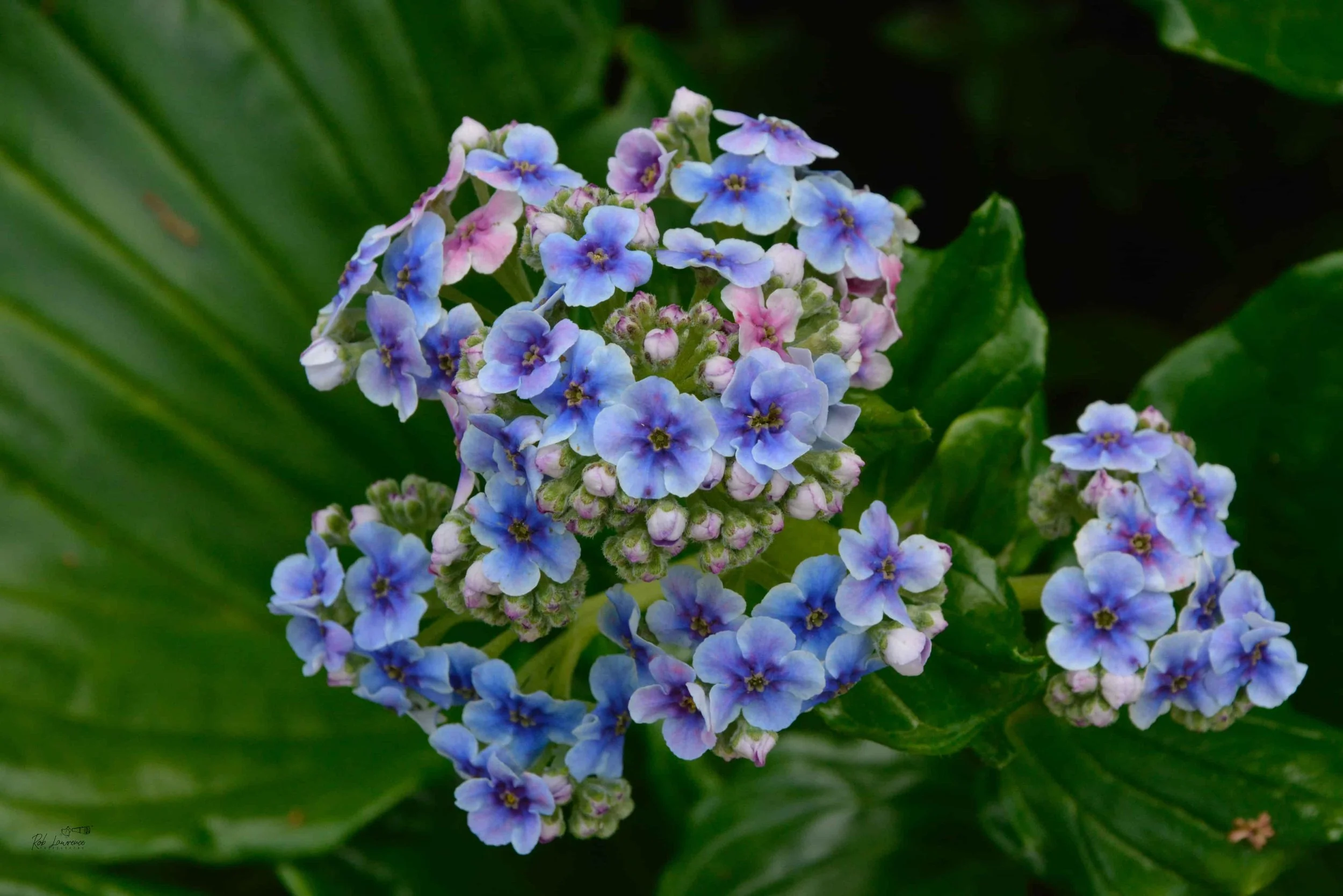
Chatham Island For-get-me-not
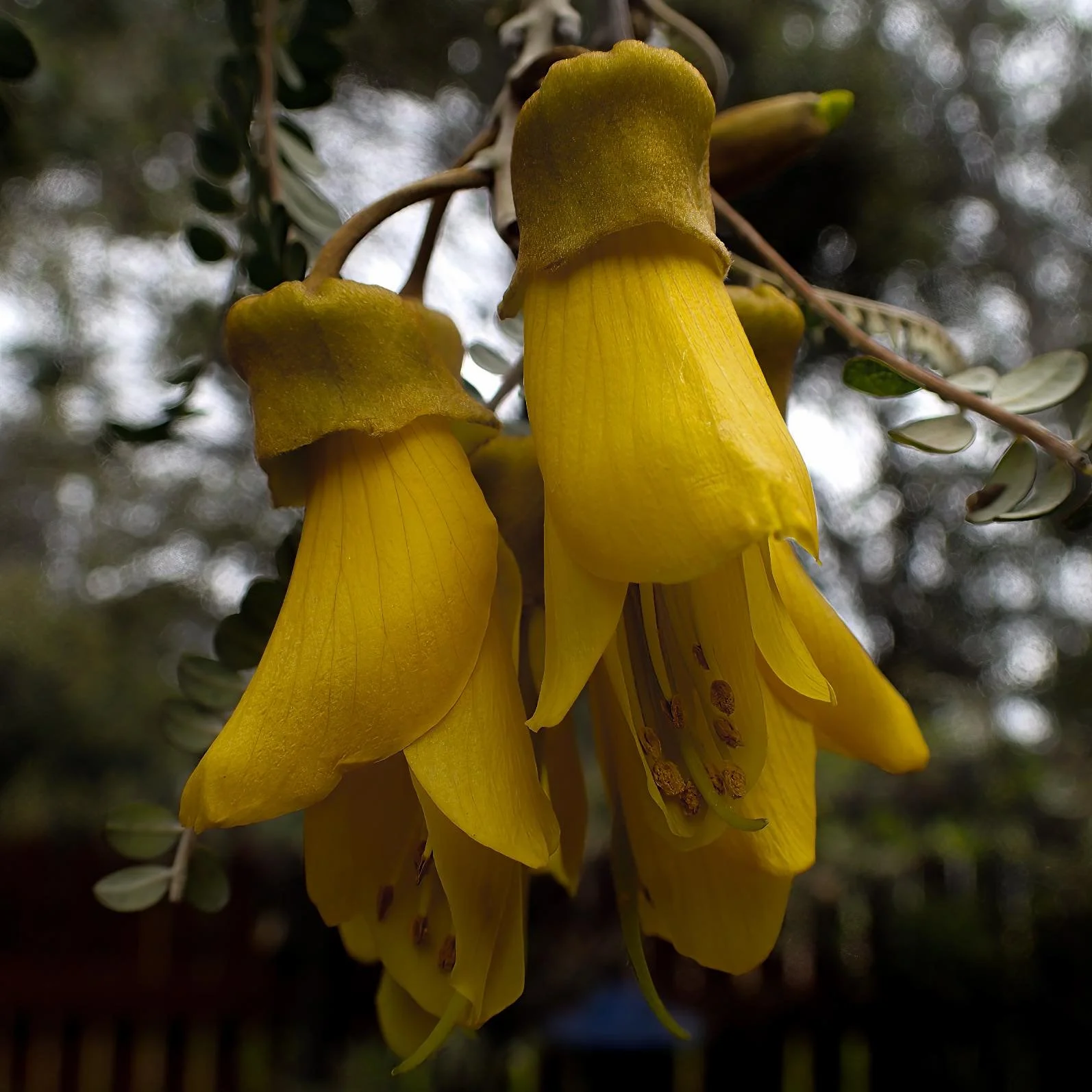
Kōwhai Sophora tetraptera
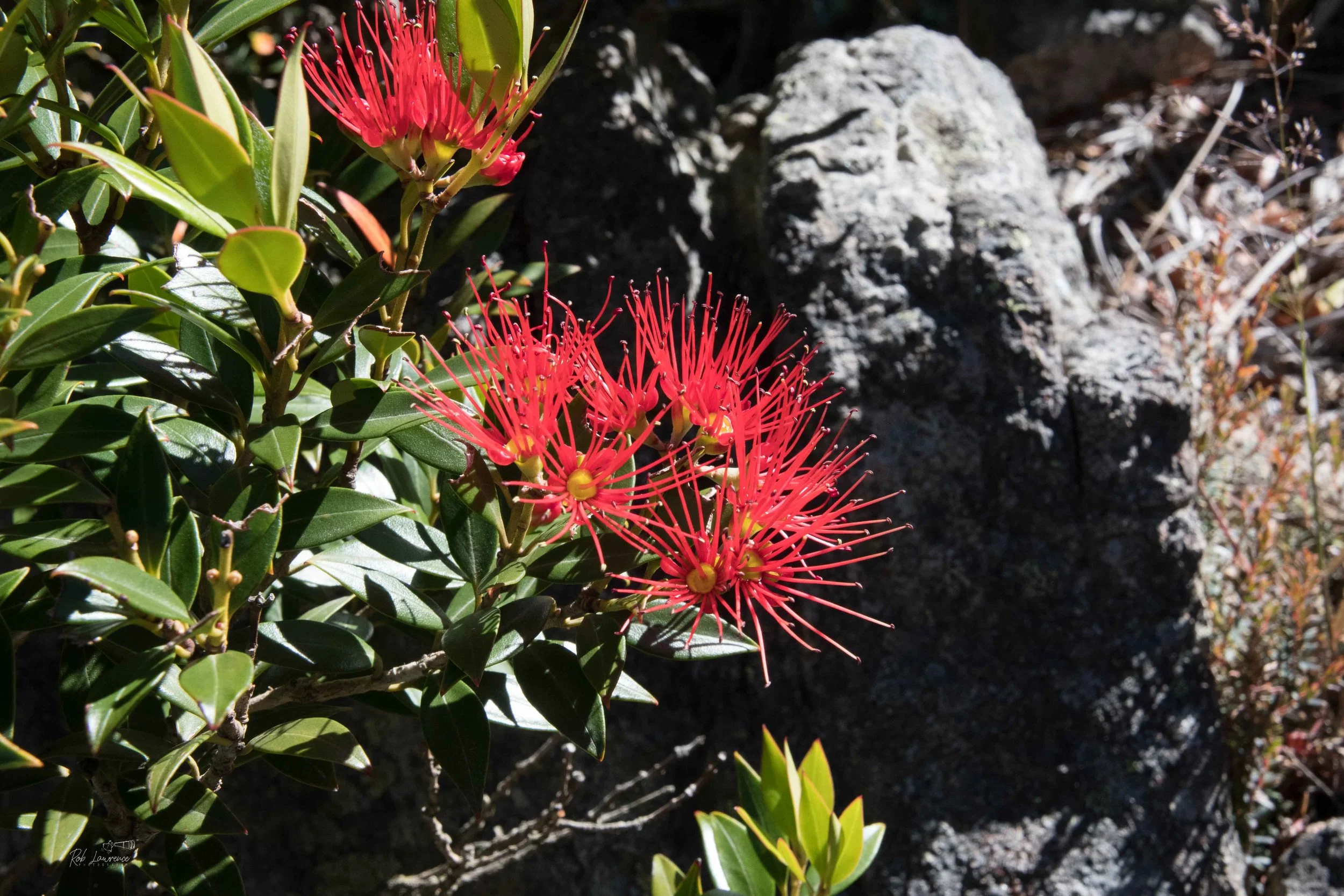
Southern Rata
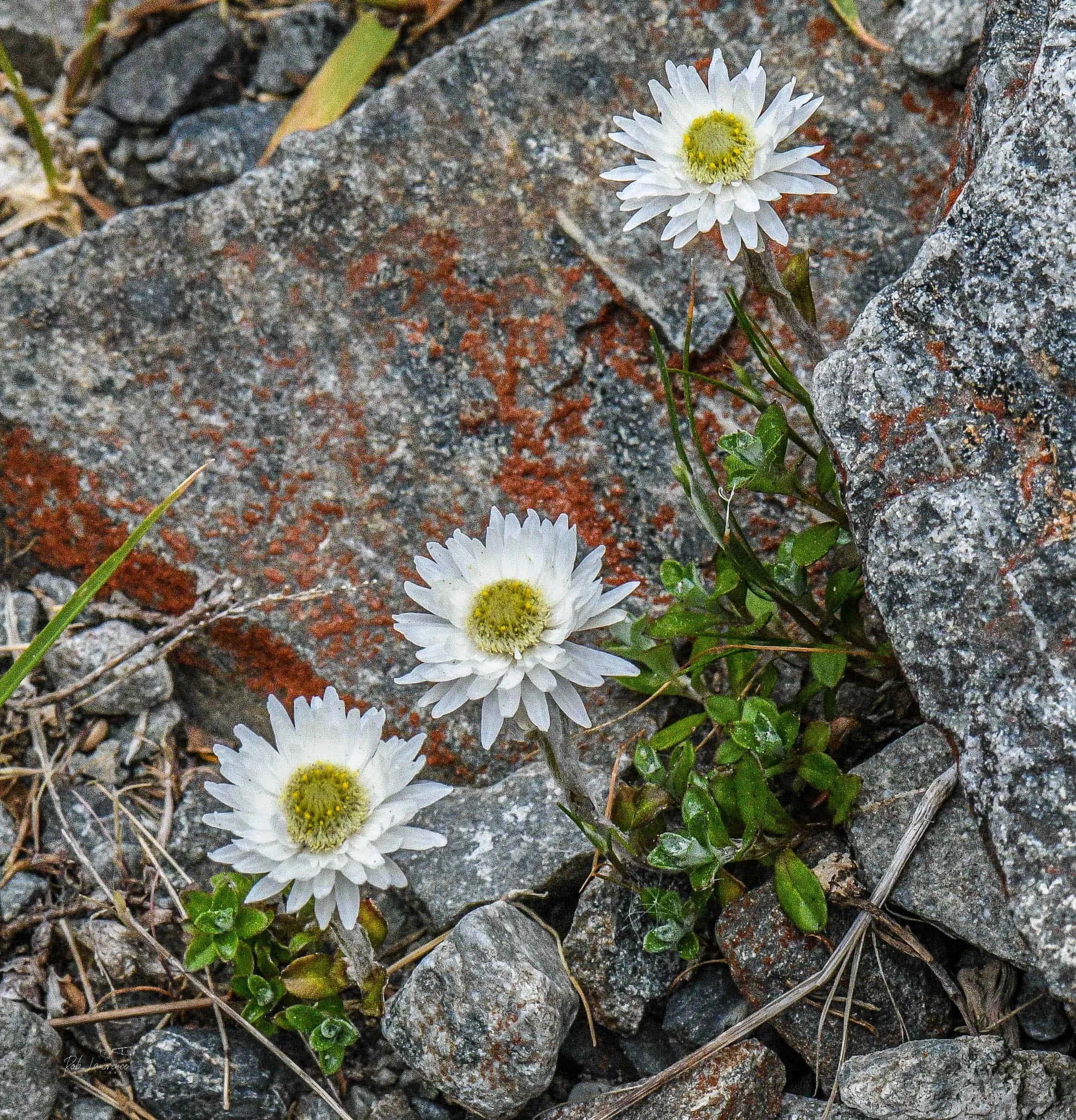
Celmisa
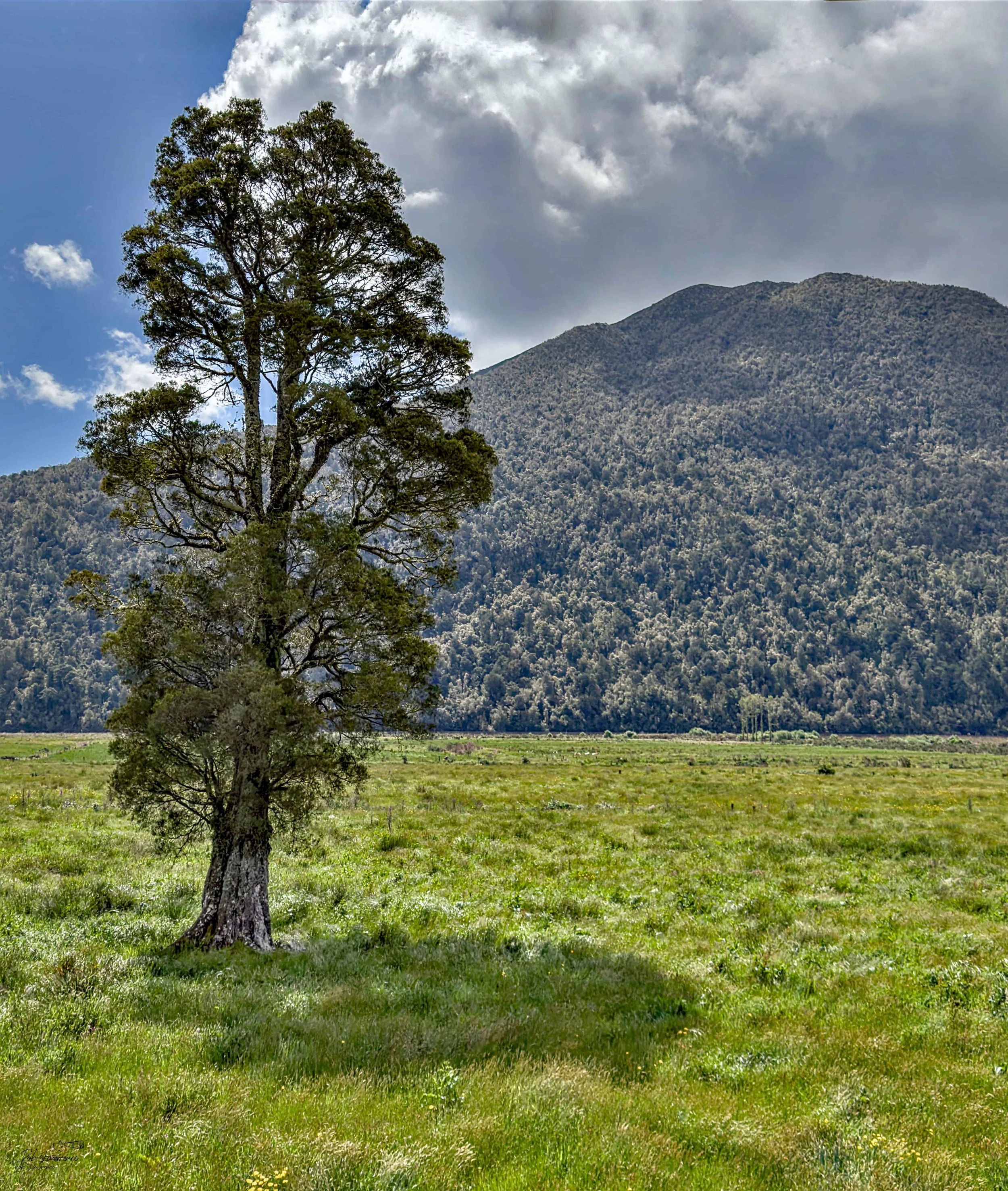
Kahikatea White Pine Prodocarpus darcrydioides The wood is very strong and flexible, I have a canoe paddle made from this tree. This conifer is New Zealand’s tallest indigenous plant growing up to 65m. It is found in lowland forest, formerly dominant on frequently flooded or poorly drained alluvial soils. It was once the dominant tree of a distinct swamp forest type all but extinct in the North Island—the best examples remain on the West Coast of the South Island.
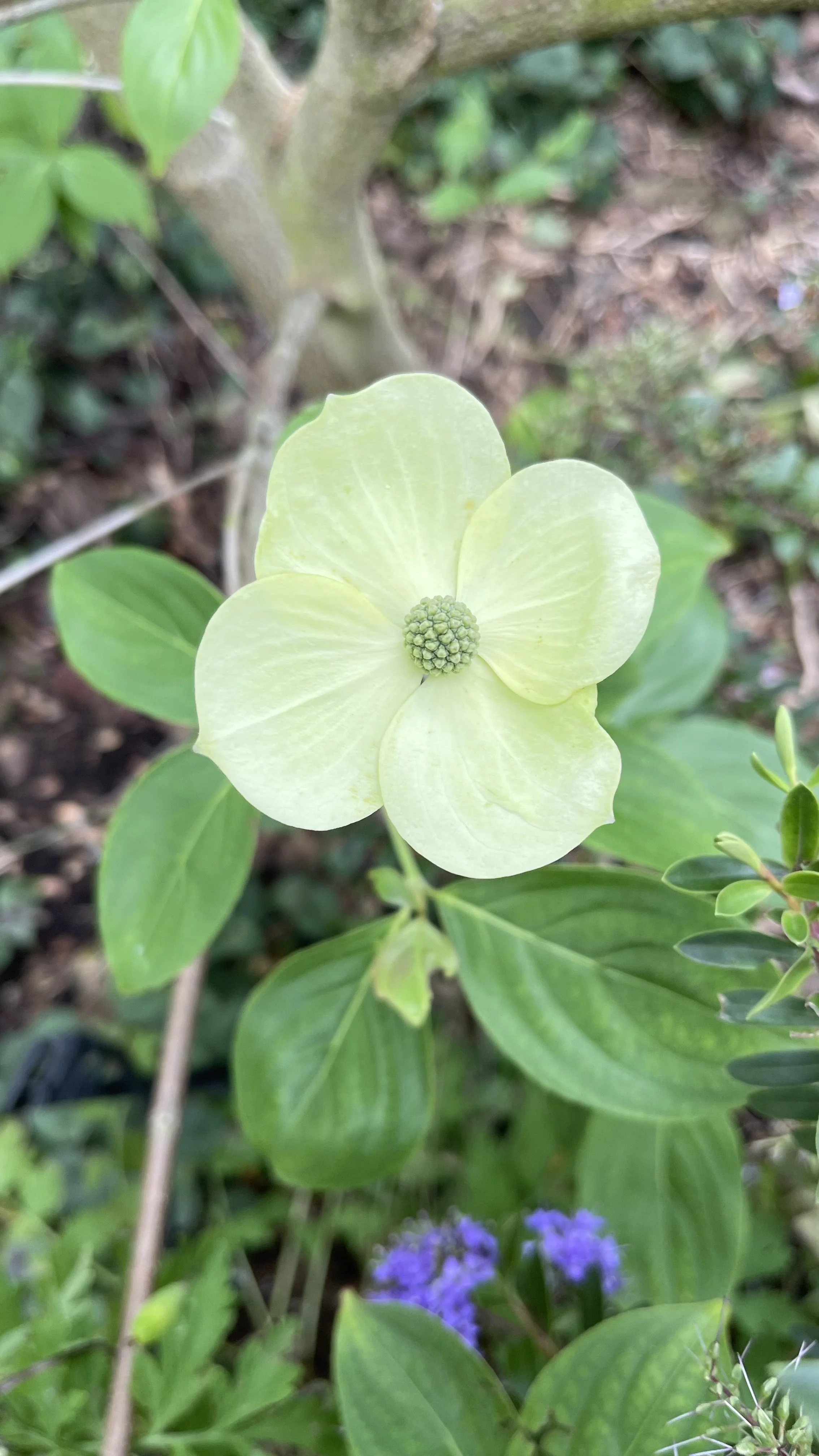
Dogwood Cornus We have three dogwoods in the yard perhaps a bit reminisant of home State of Washington .
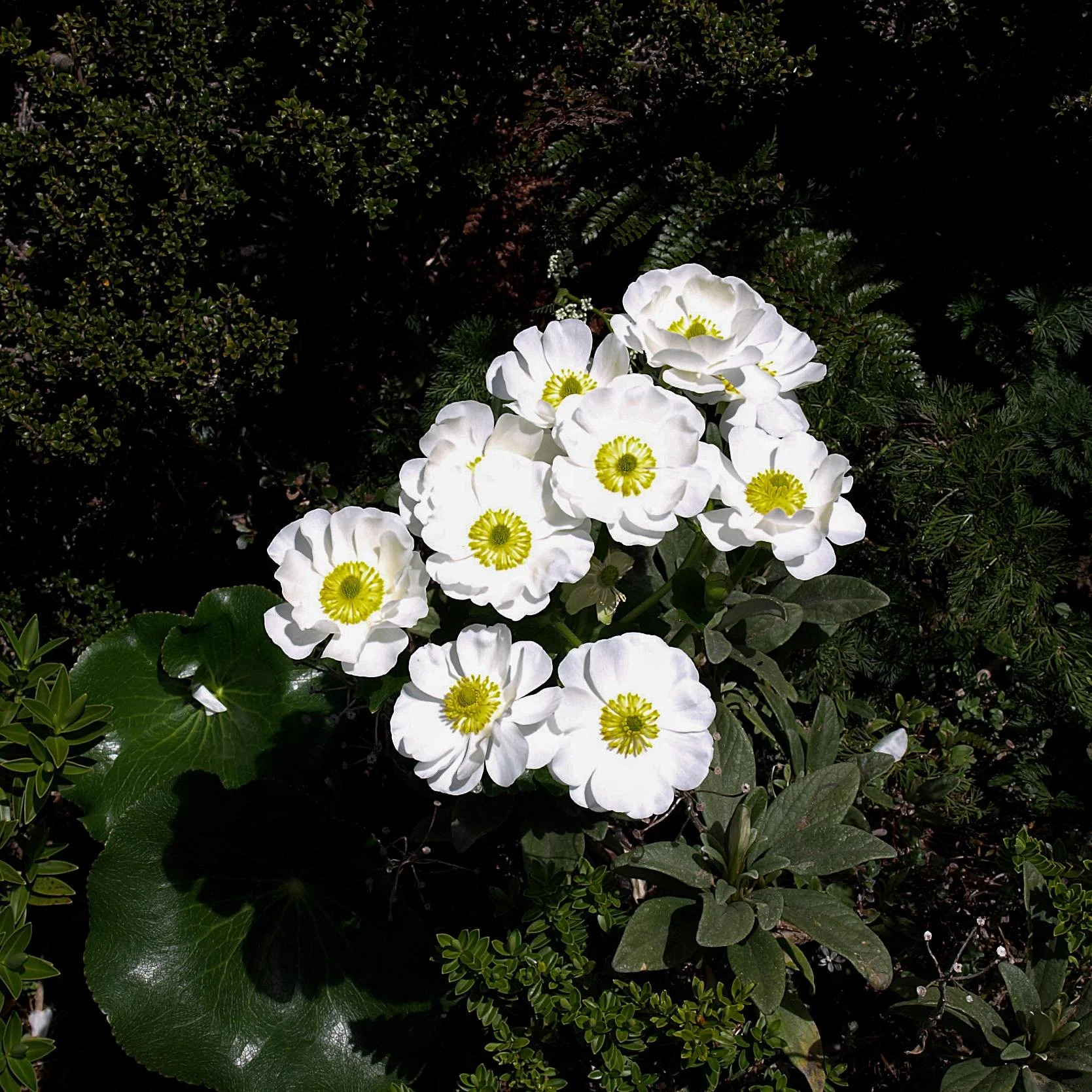
Mount Cook Lily
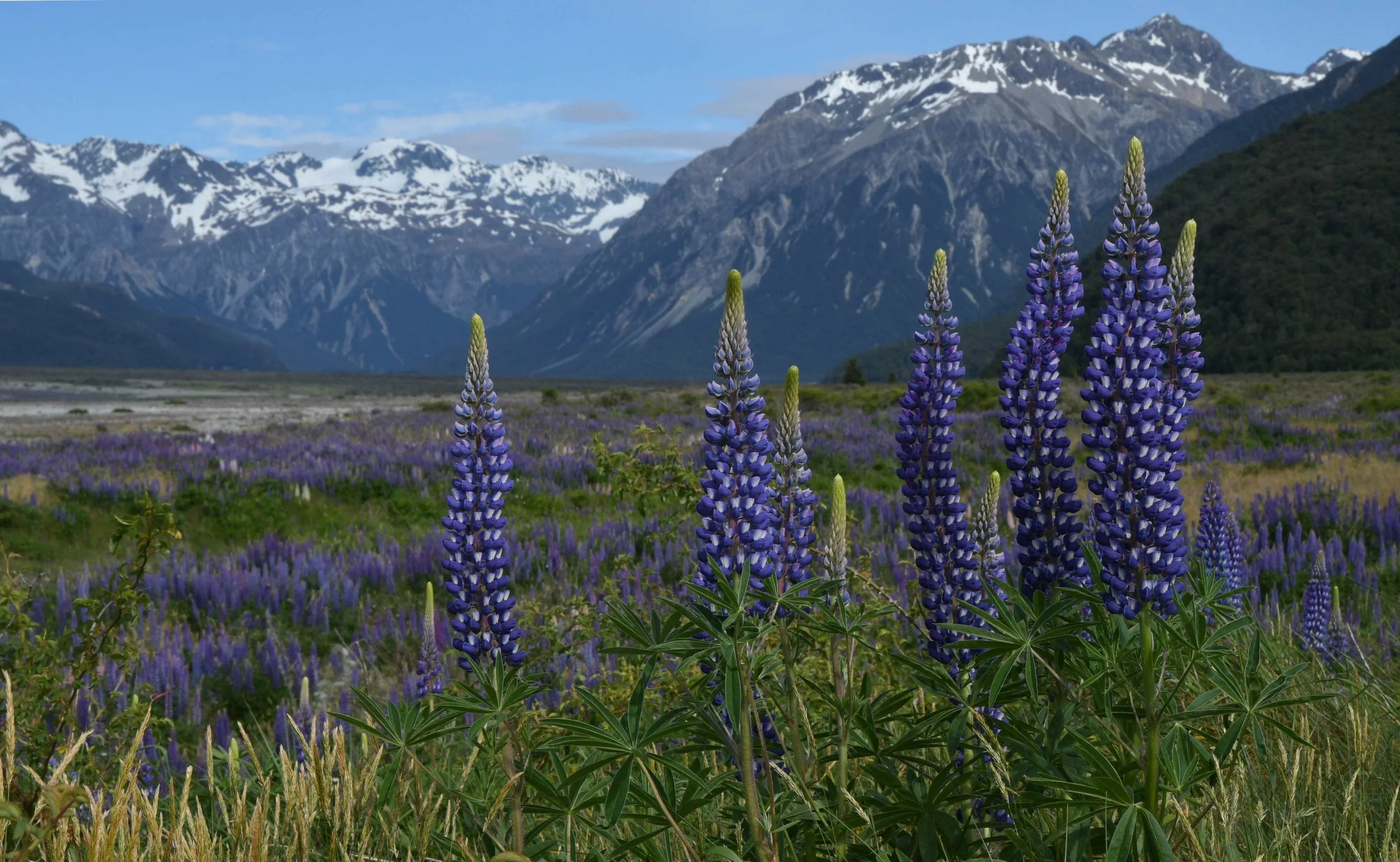
Lupines The lupins dominating New Zealand's South Island are Lupinus polyphyllus, commonly known as the bigleaf lupine, . This species is native to western North America, But here's where things get interesting. . They're actually hybrids, developed by British horticulturist George Russell in the early 20th century. Braided river breeding bird species are under threat from predation and this rapidly growing plant can provide cover for predators in that environment
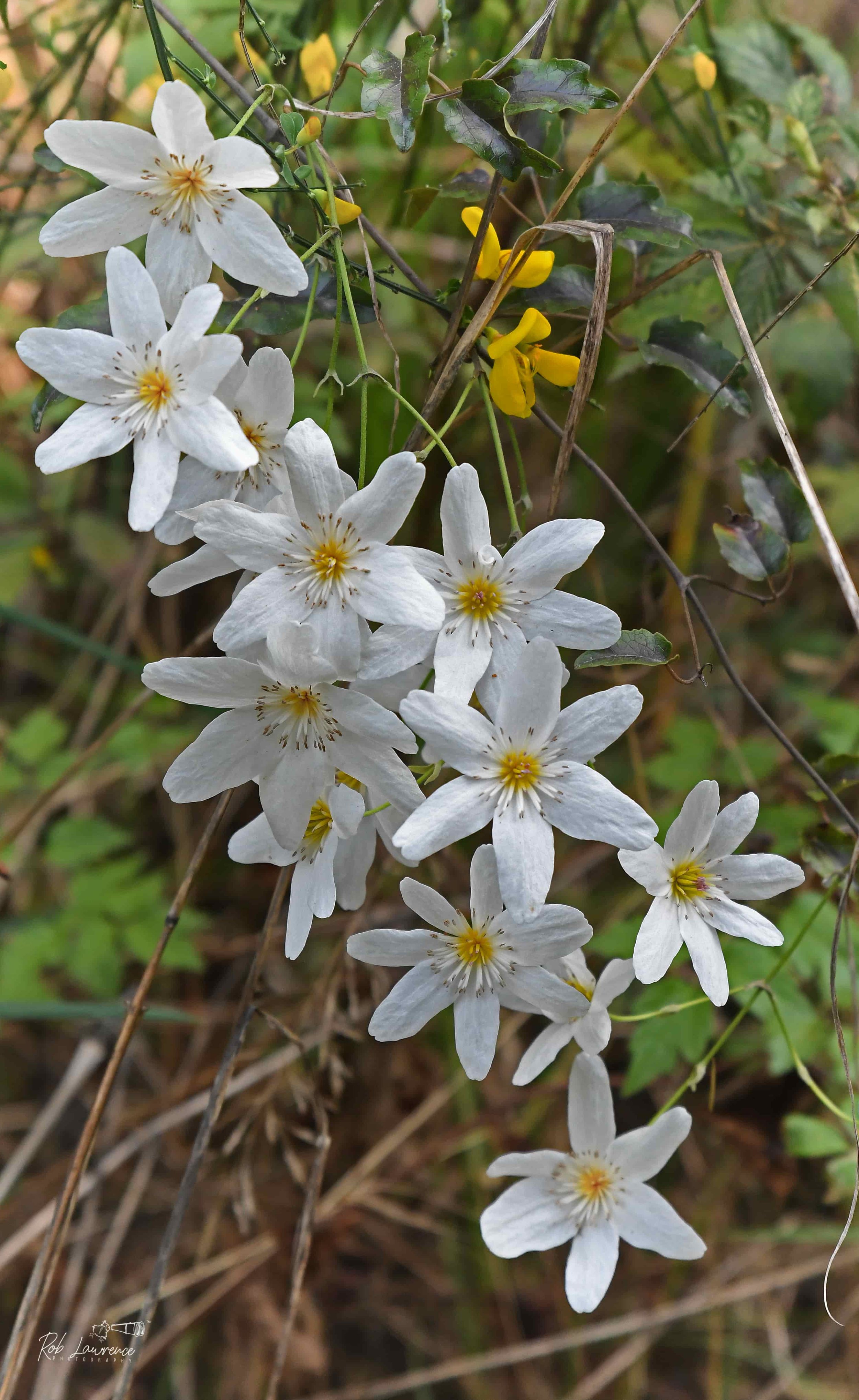
White Clematis (puawananga) Clematis paniculata McHugh's Forest Park has several spots in which this vine like flowering plant is found. It is one of my favourite NZ plants. The blossom is simple and beautiful .
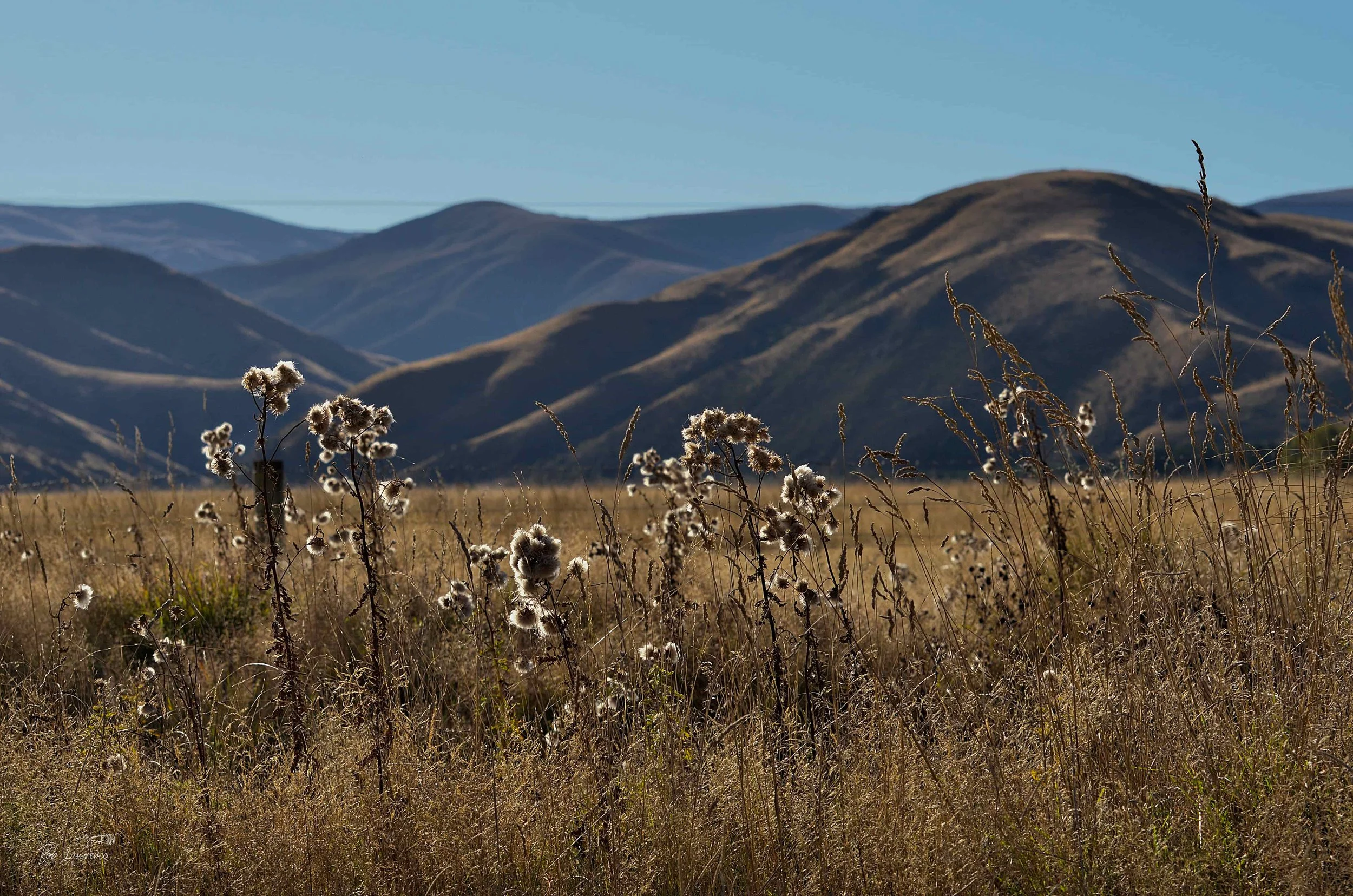
Thistles in Lees Valley
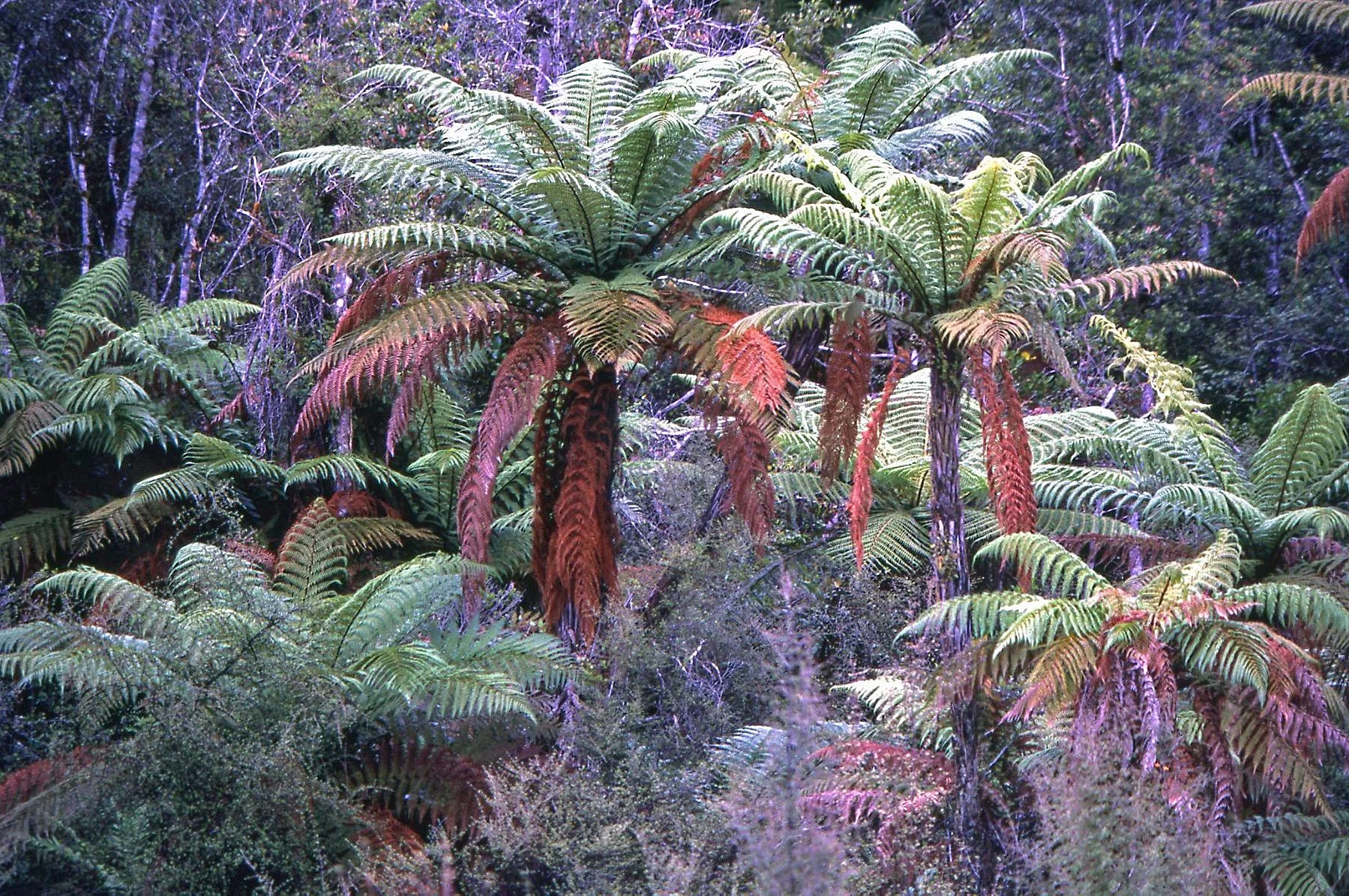
Tree Ferns New Zealand’s native ferns range from delicate groundcovers to towering tree ferns and are found from damp lowland forests to windswept alpine gullies. They play a vital role in forest structure, sheltering seedlings, stabilising slopes, and creating rich habitat for invertebrates and birds. They create a primordial landscape you almost sense a Dinosaur will emerge amongst them.
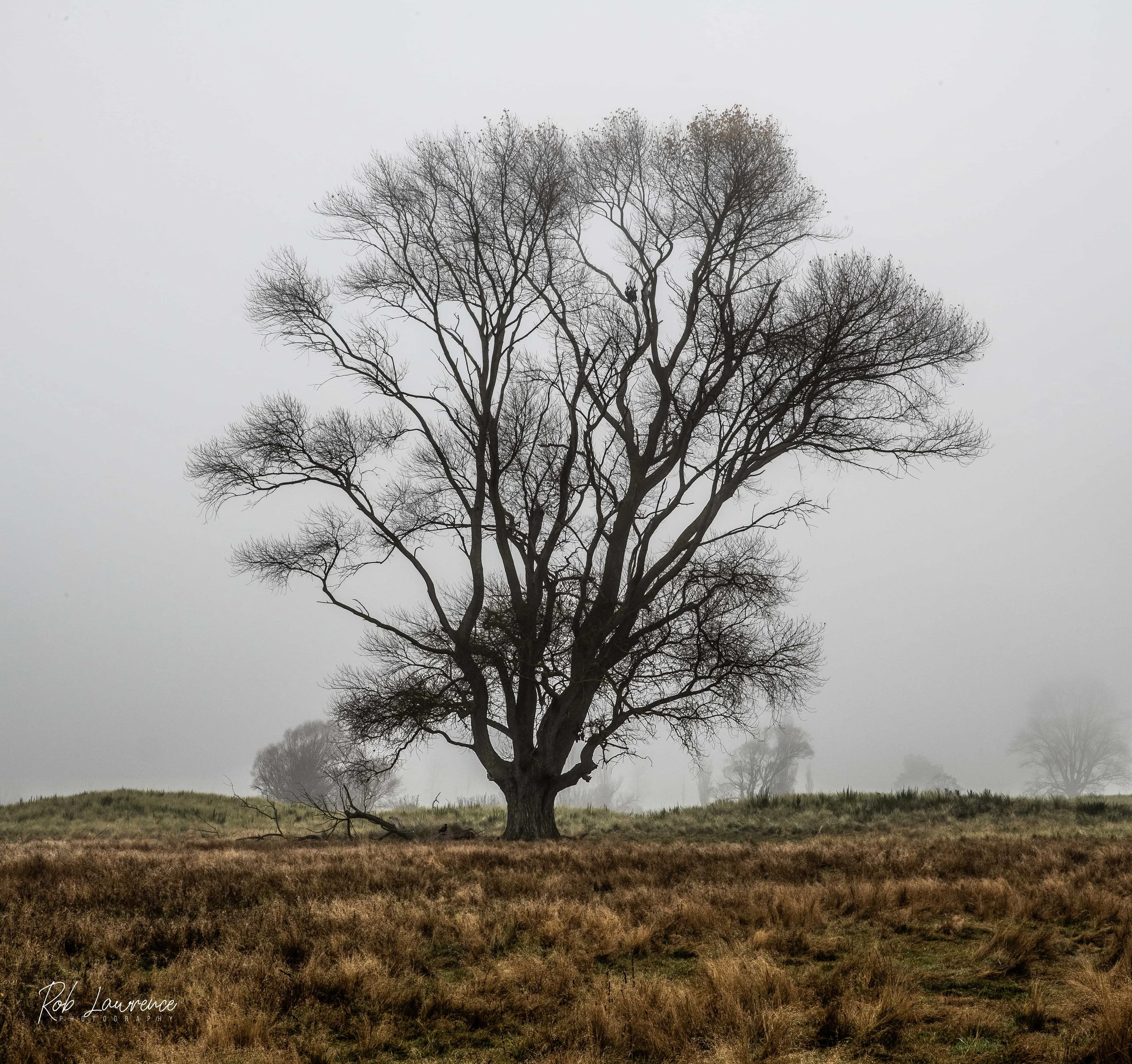
Waikuku Guardian
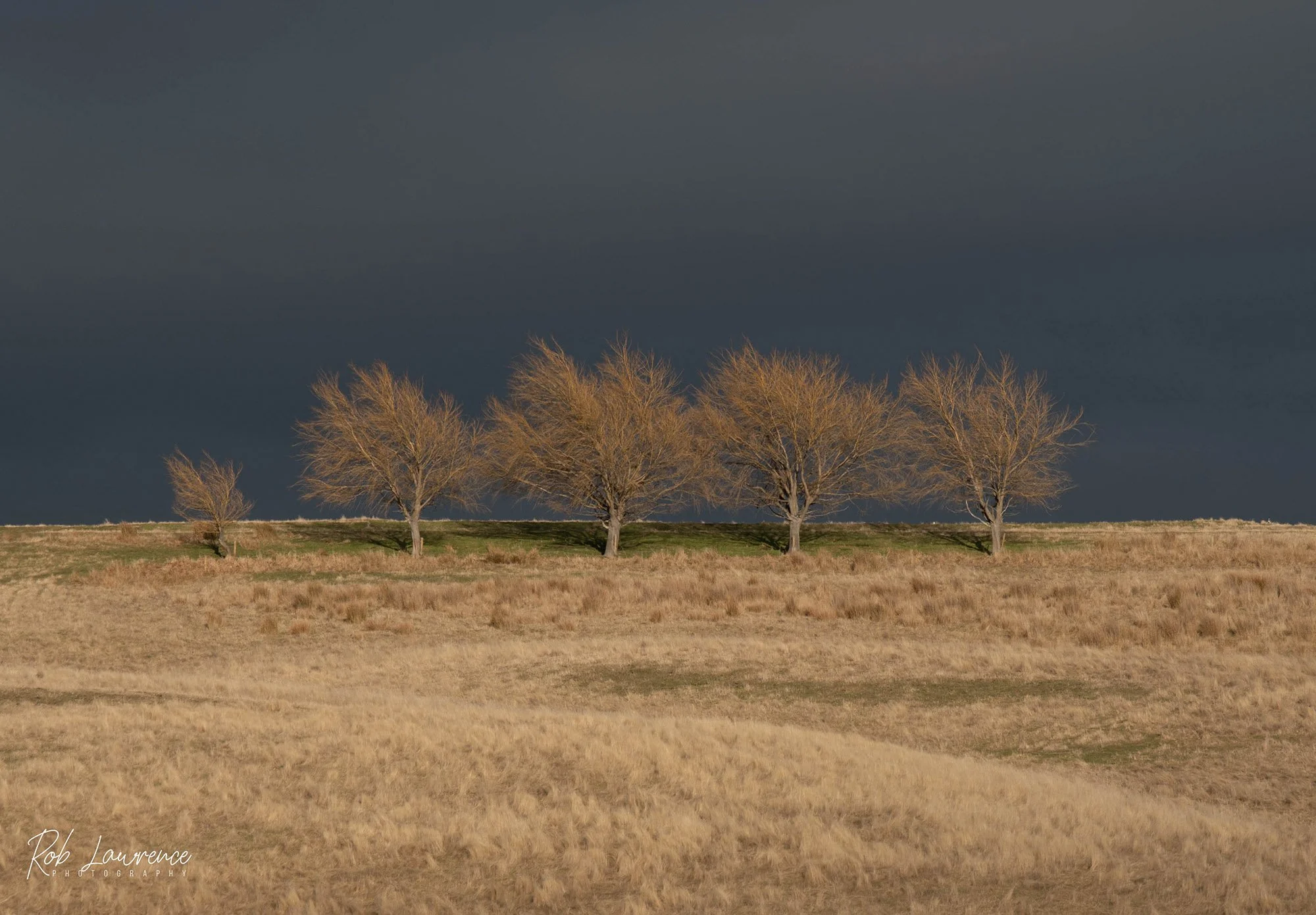
The 4 trees of Ranfurly
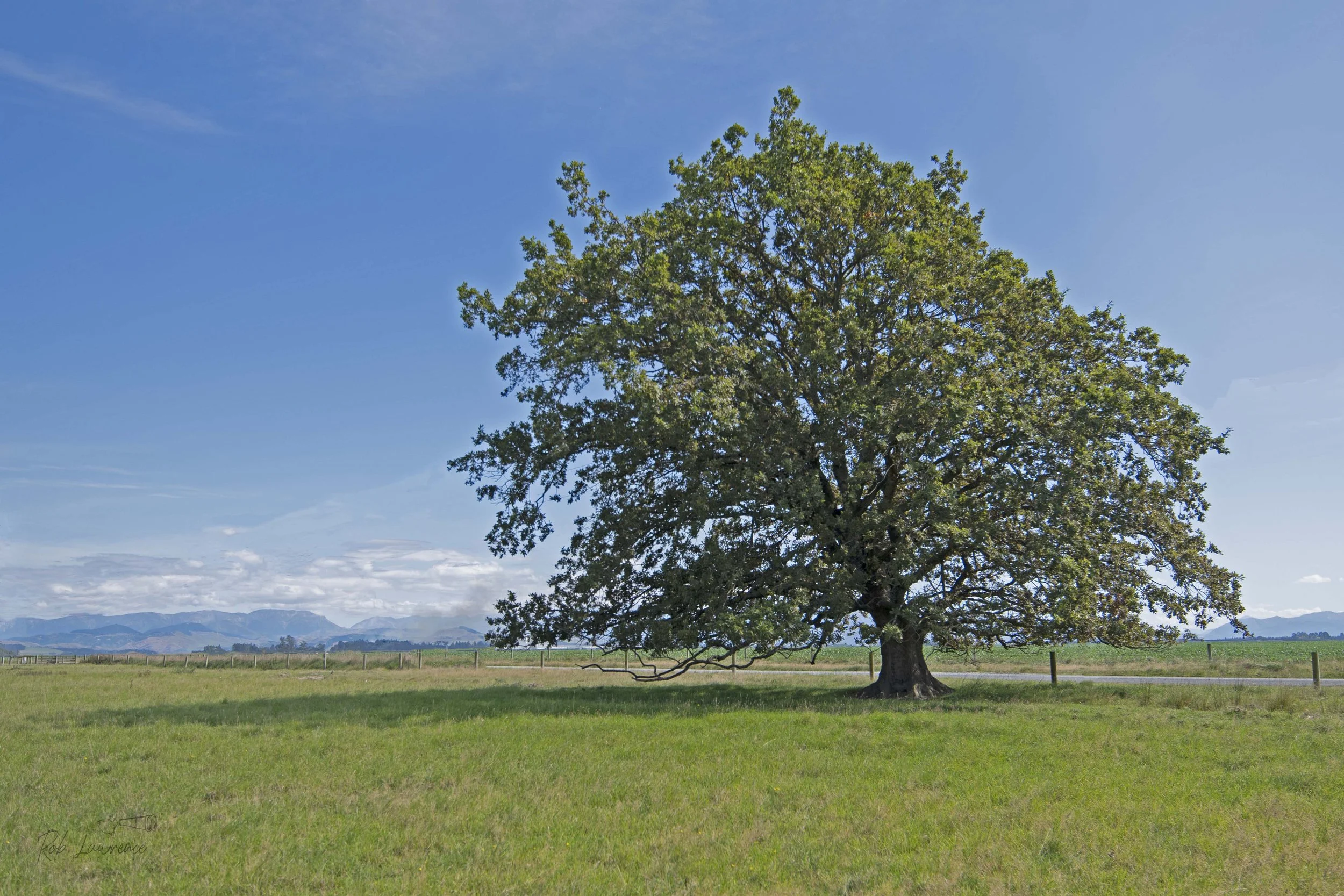
Tree at corner of Kimberley and Tramway The Nor'Wester has sculpted this oak by the powerful wind. This tree is very close to home and I admired the shaped but had to do some modifications to remove unsightly power poles and lines. I like trees that stand out
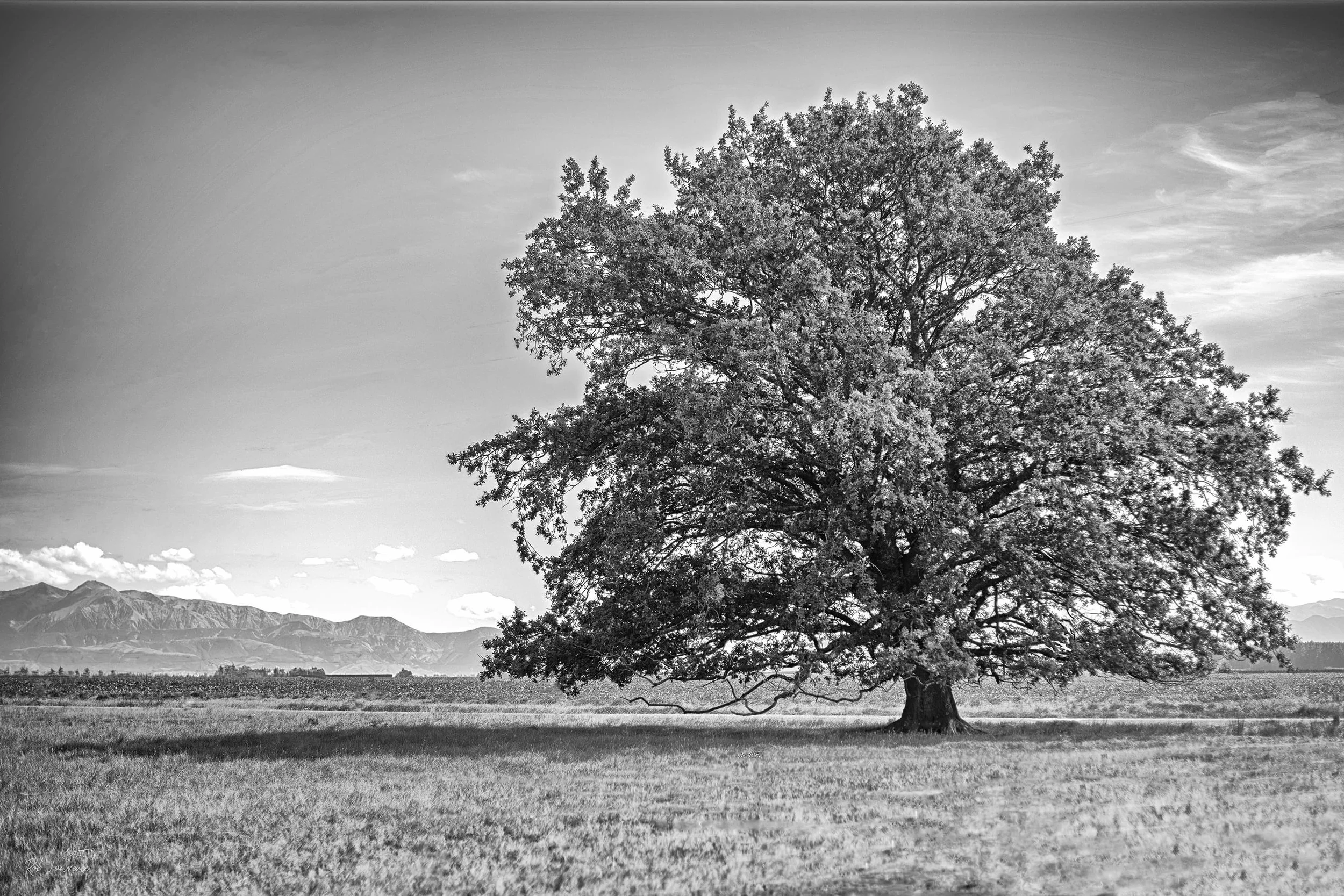
Black and White Tree This is the same of the previous photo done in Black and White. It adds more depth and detail I reckon
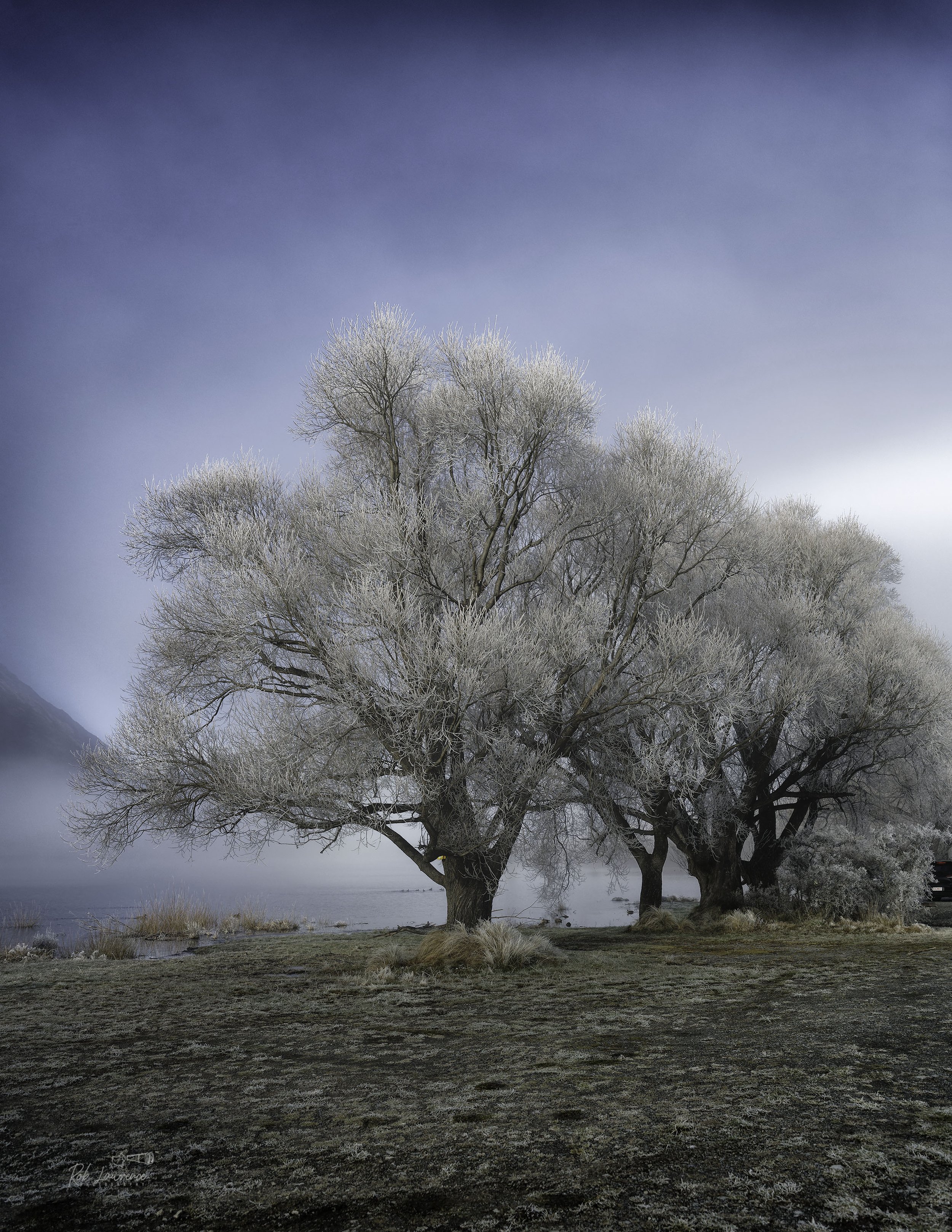
Frozen Willows at Lake Pearson Recently DOC cut this all done with the promise according to Arthur's Pass Staff that natives would replace them. The willows are an invasive species but still were almost a heritage planting around the lake
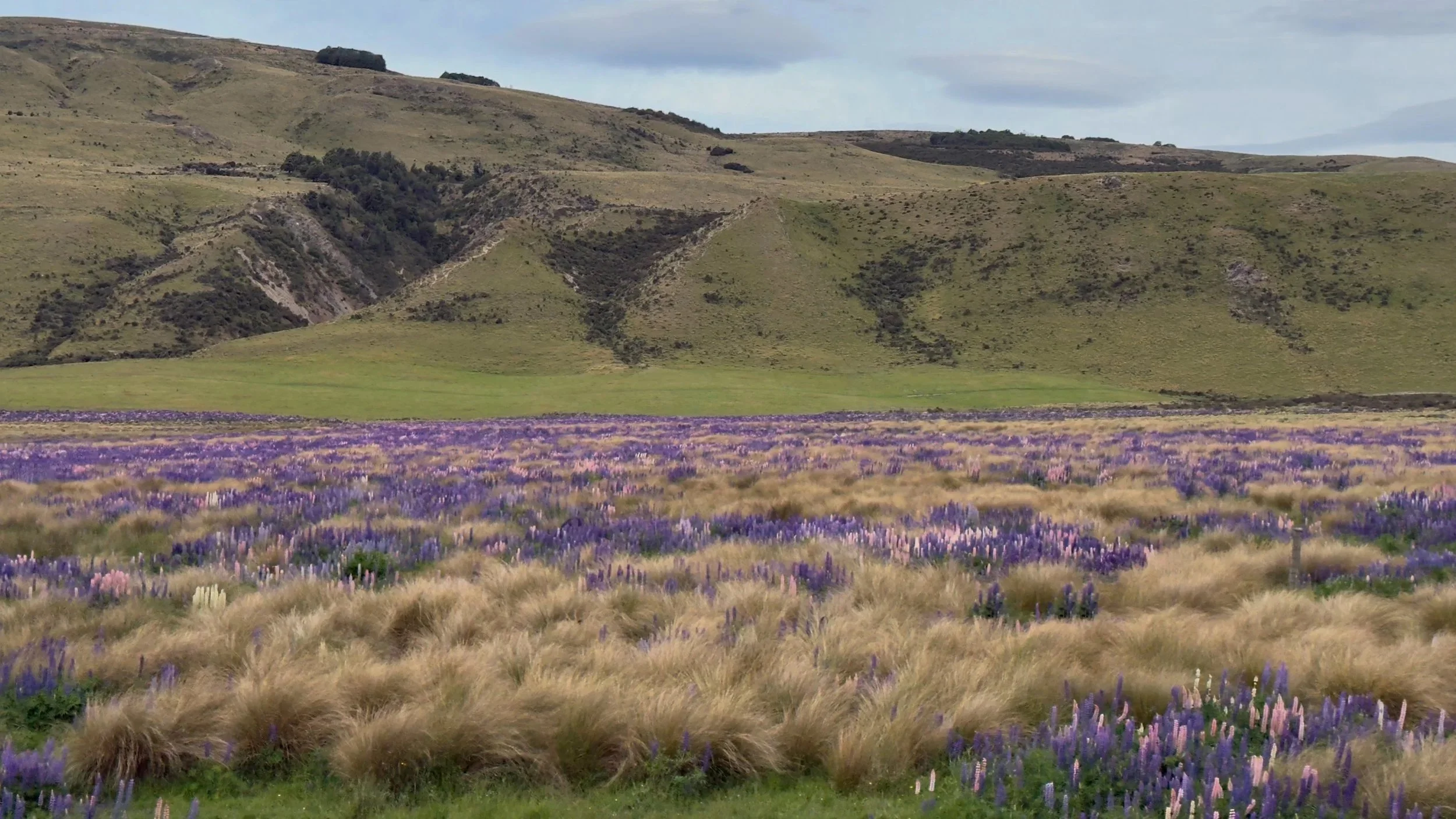
Cragieburn Station Lupines from the TrazAlpine train
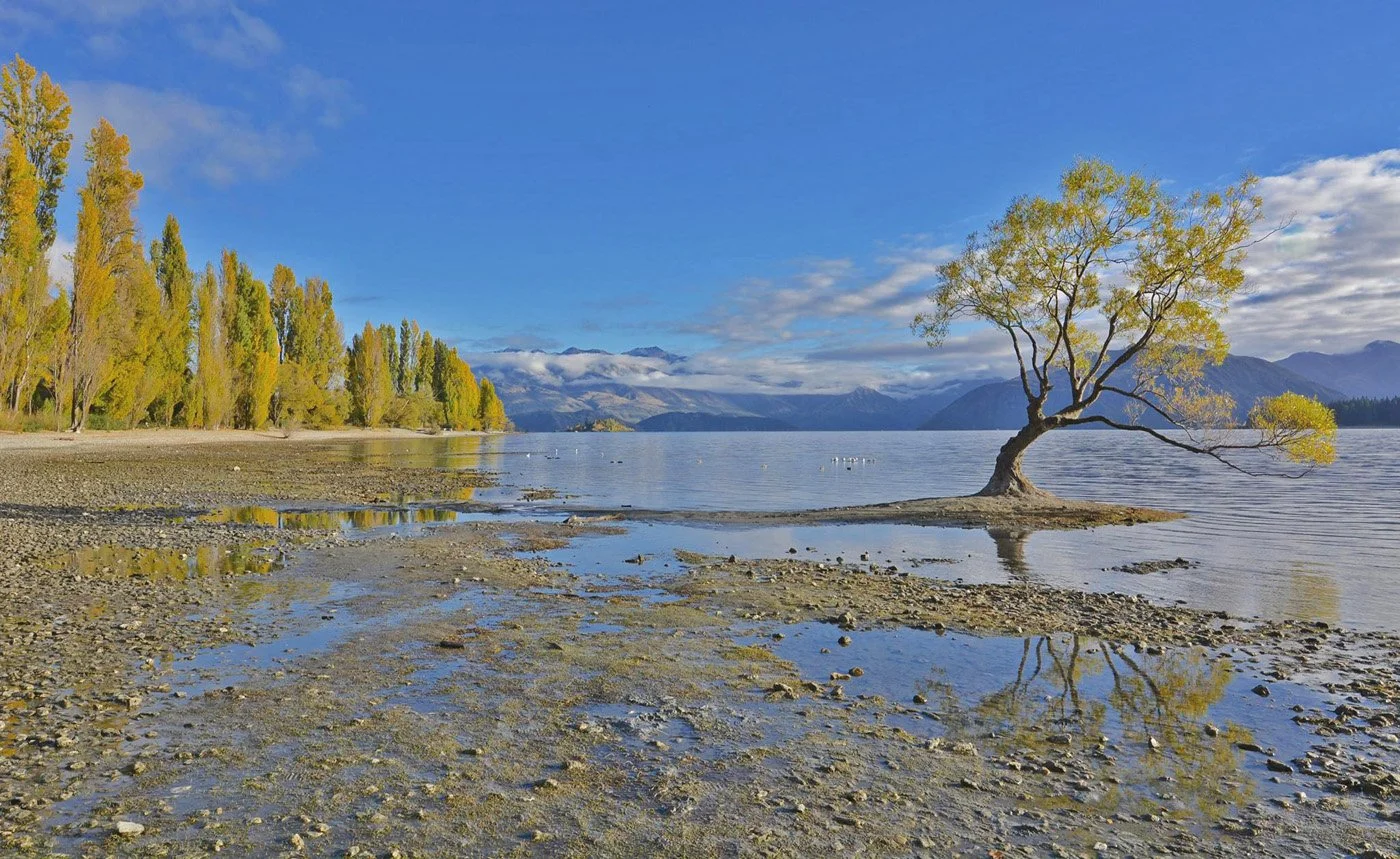
The Wanaka "tree" This is perhaps the most photographed tree in certainly the South Island. Only the giant kauri Tāne Mahuta could have a greater following .
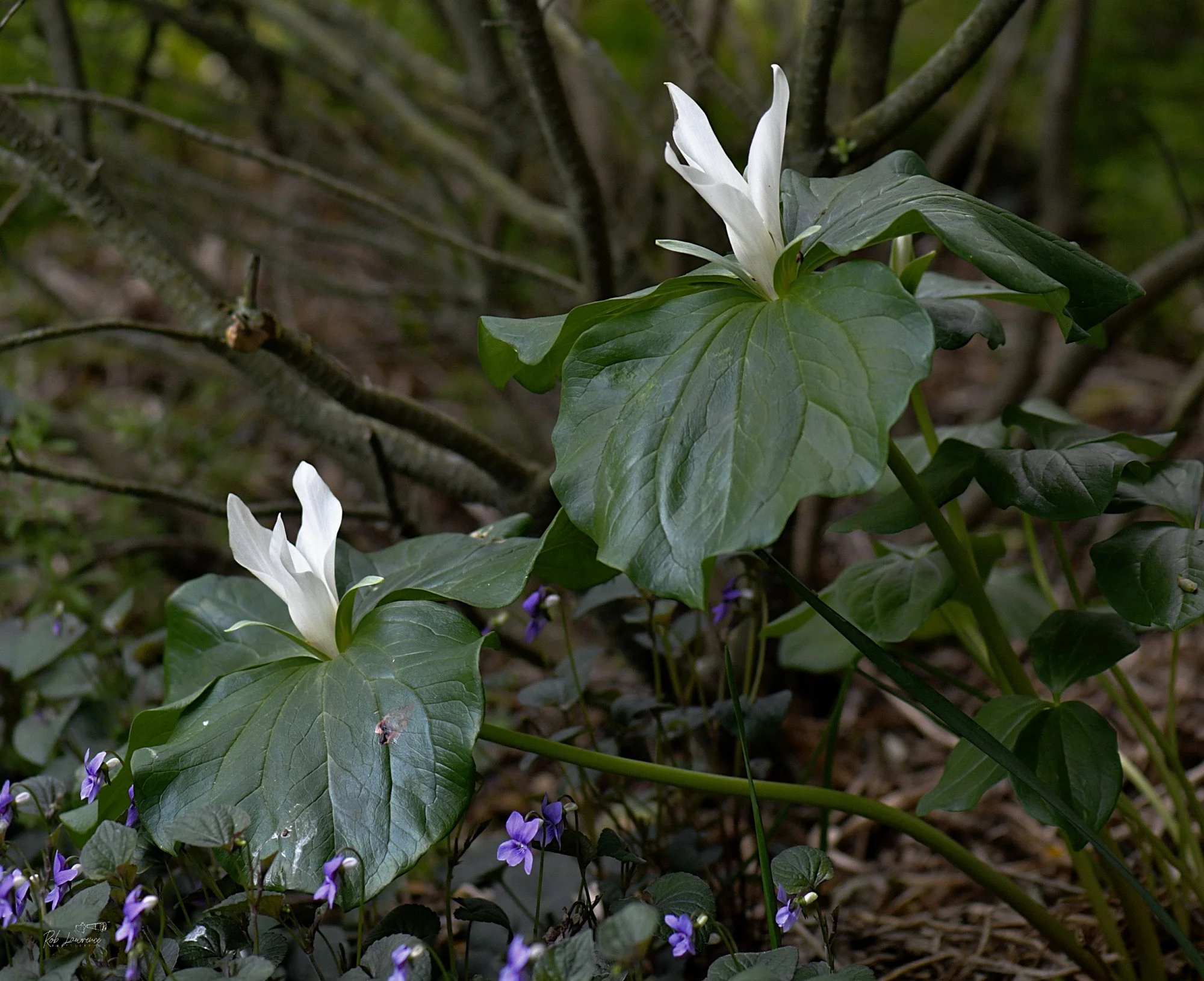
Trilium This is an another favourite from North America that graces the garden each spring. I always look forward to them coming into blossom. Both the white and purple are in the shaded area of the front garden
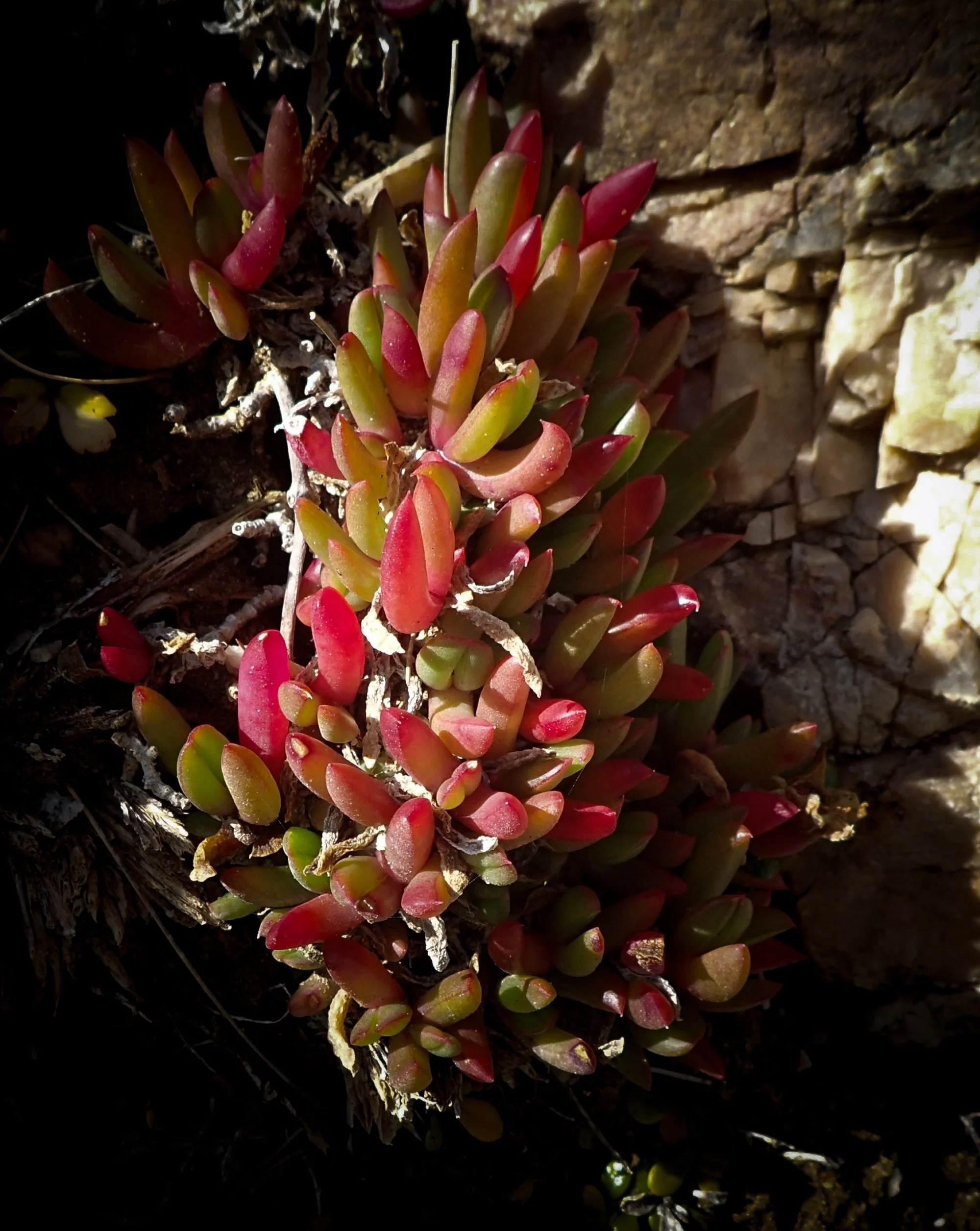
Ice Plant
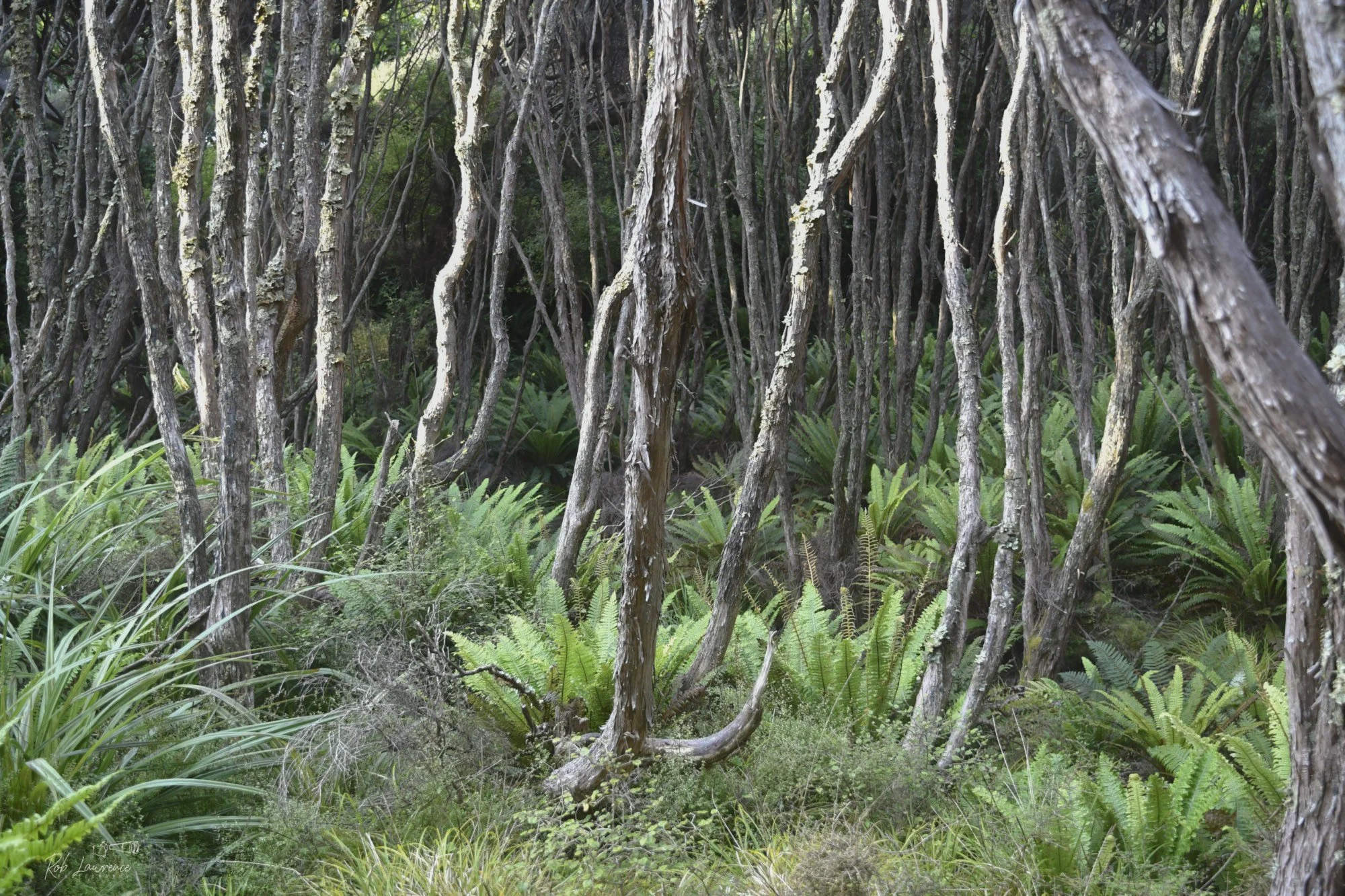
Manuka Forest Near Mason's Bay Stewart Island
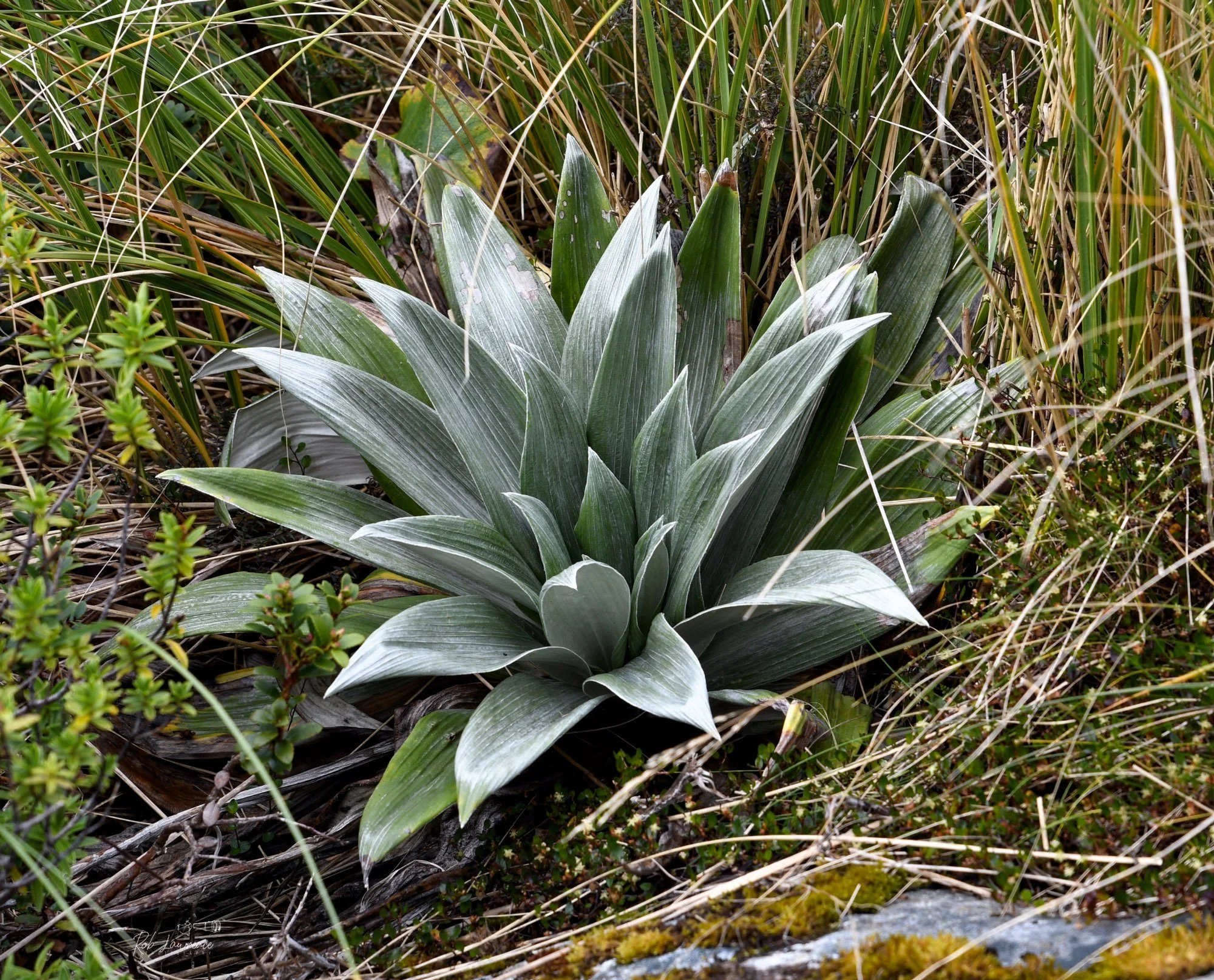
Clematis Species
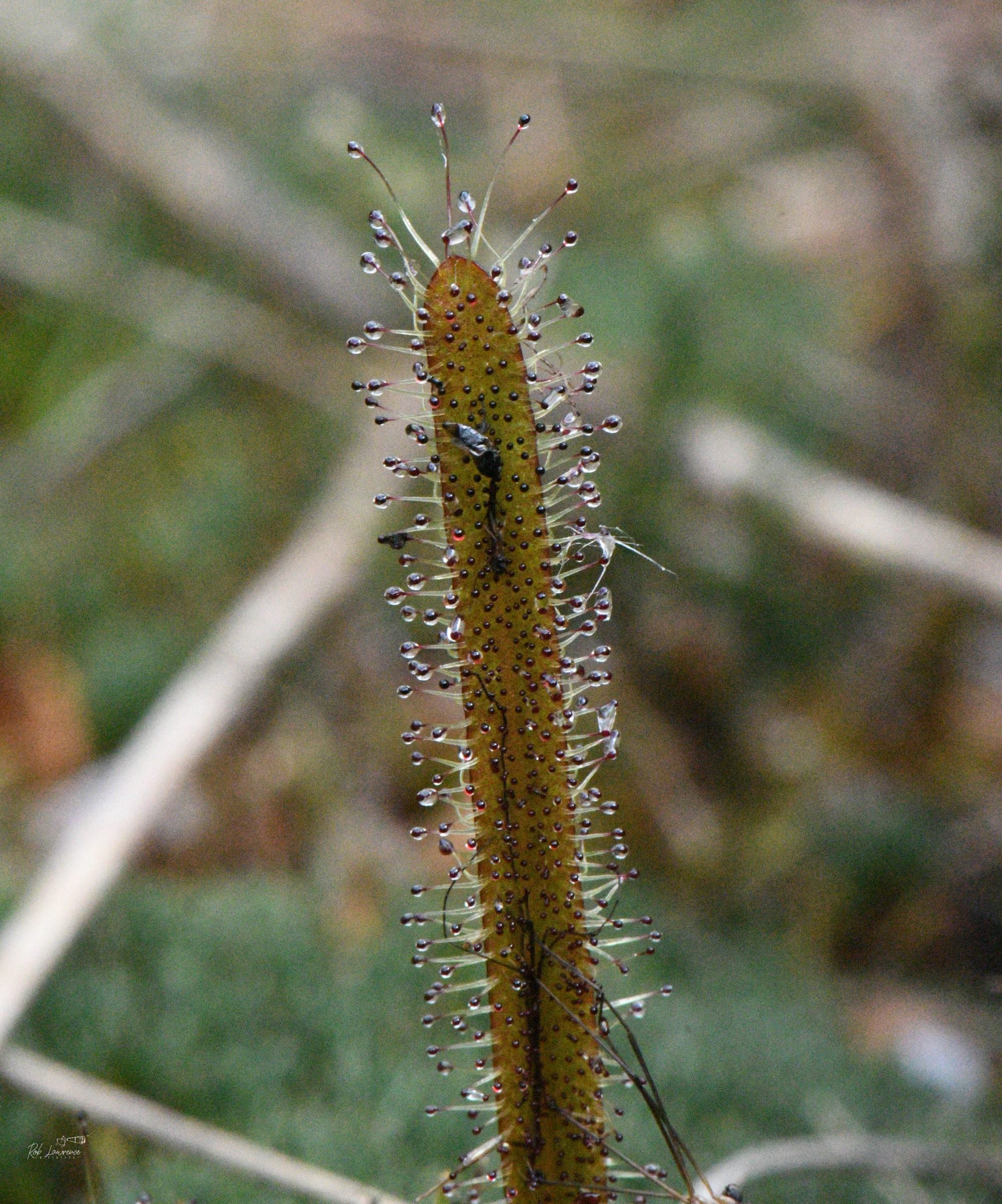
Sundew (Drosera) Carnivorous plants are those that derive some or most of their nutrients by trapping and consuming animals such as insects or other arthropods. There are 16 genera of carnivorous plants found worldwide but New Zealand has only native representatives from two of these - the sundews and bladderworts.