

Old Buildings
Photography has given me the privilege of standing in places that are quietly disappearing. Too often we are quick to replace the old without fully appreciating what is being lost. Heritage buildings are more than timber, stone and corrugated iron—they are tangible links to the people who built our communities and shaped our landscapes.
When an old building disappears, part of the story of a place disappears with it.
My aim is not simply to record what these buildings looked like, but to preserve something of their character and to share what they made me feel. Every weathered wall, worn doorway and rusting roof has witnessed lives, hardships, celebrations and change.
If these photographs encourage others to pause, wonder, and value New Zealand's rich heritage before more of it is lost, then they have achieved their purpose.
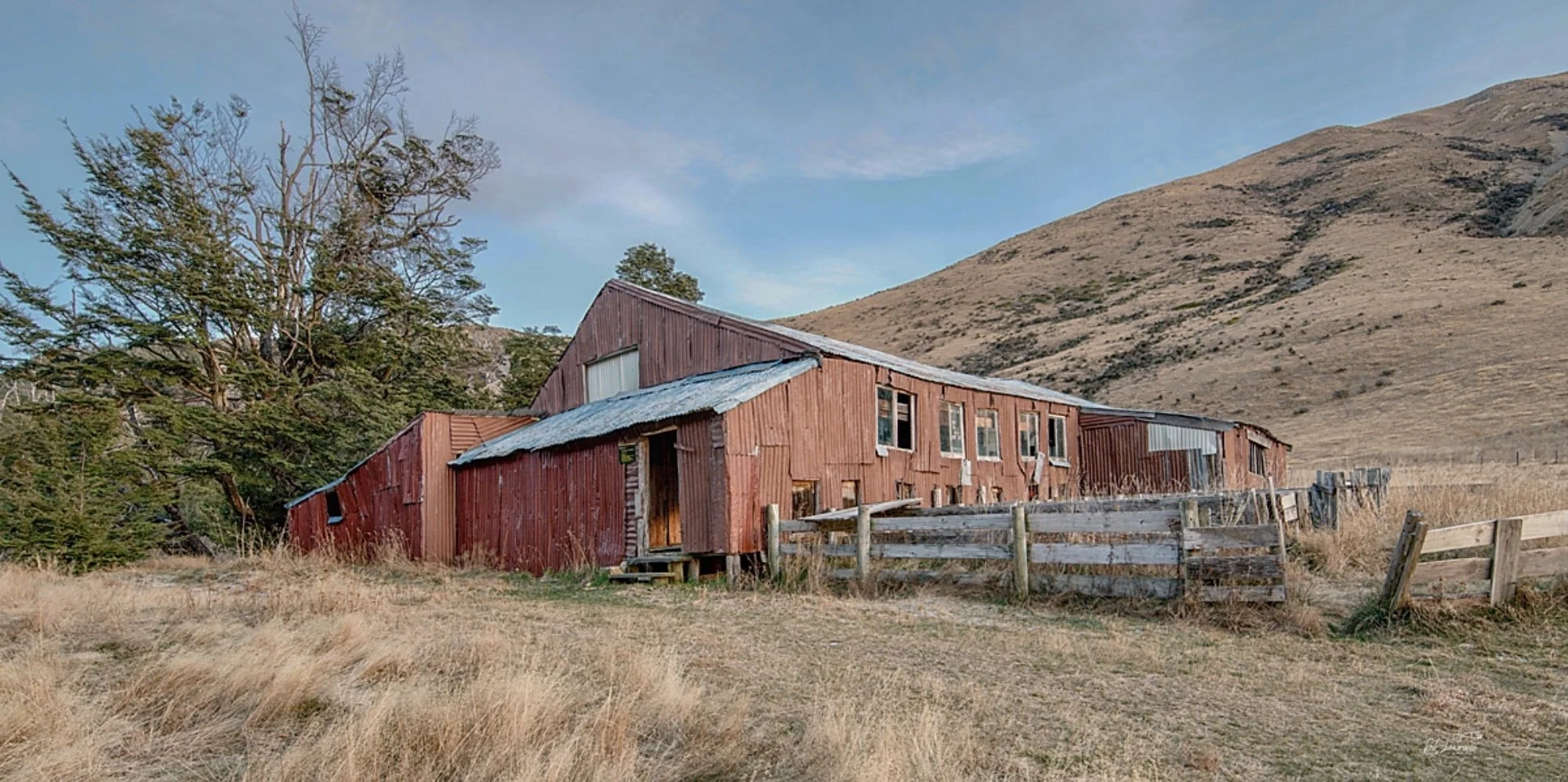
Quailburn Woolshed photo from 2018 In October 2020, a major windstorm tore away about half the roof. The untreated timber piles had already begun to rot, and the damage made the structure unsafe. After several years of deterioration and safety concerns, the building was carefully dismantled in 2025. The Department of Conservation salvaged significant heritage items and plans to incorporate them into a shelter with interpretation panels so visitors can continue to learn about the site's history
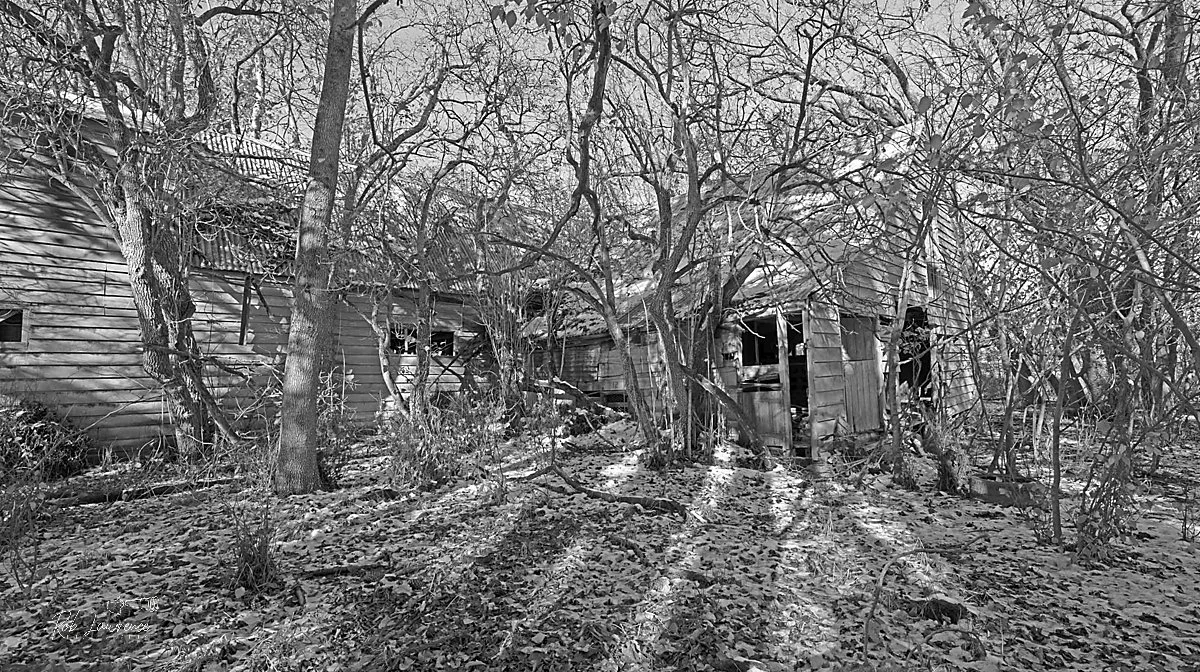
Acheron Bank Abandoned woolshed Acheron Bank Station was established by John Murchison around 1878, when he took up the Acheron Bank, Lake Coleridge, and Glenthorne runs.
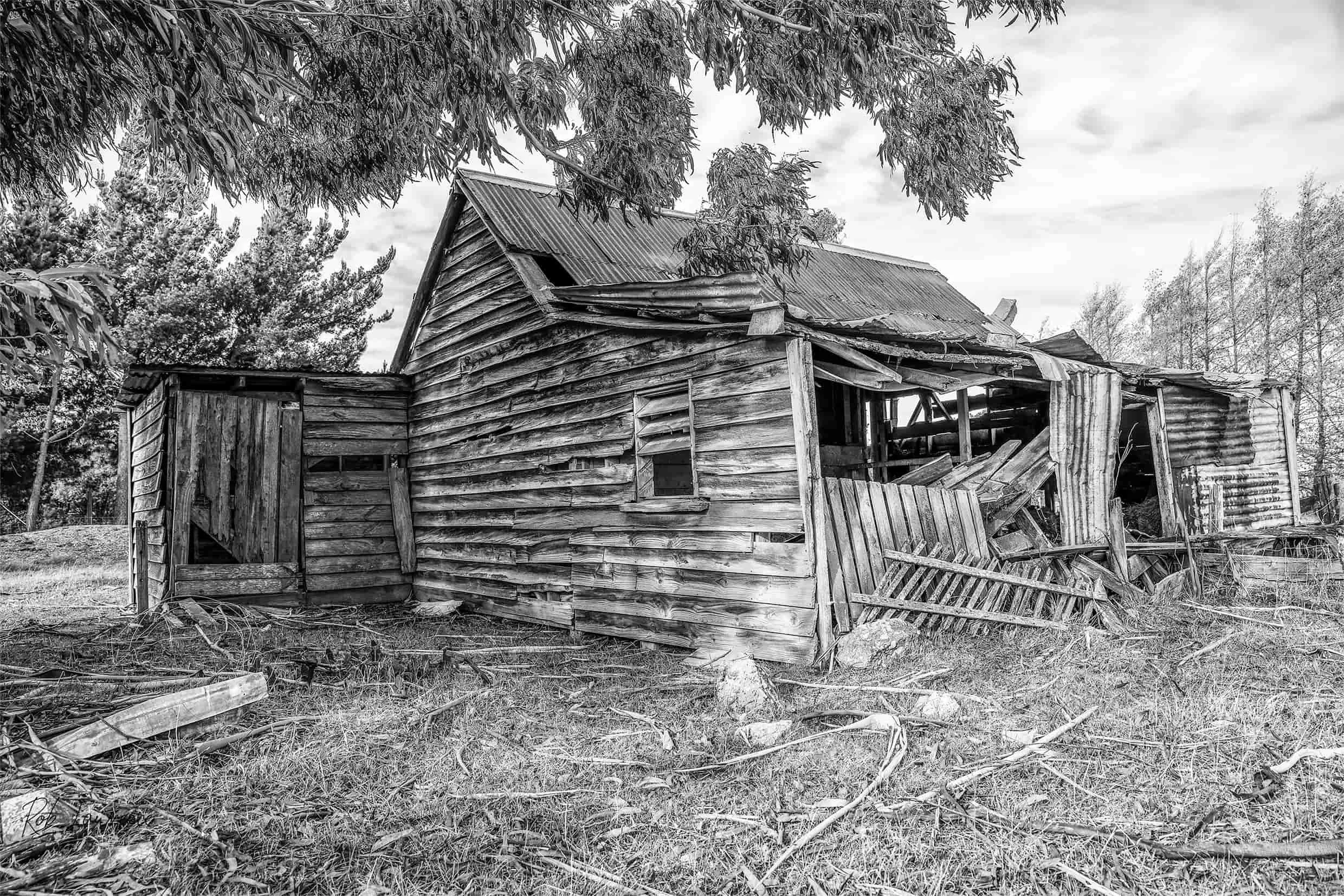
Bull’s Cottage Built in the mid 1870’s by William Bull of Oxford Pine and Waimakariri River stones. The corrugated iron roof was from Britain as ship’s ballast. The chimney was constructed of Homebush bricks. The 8 ha property was a Crown lease settlers block. William Bull and his family; wife Eliza, their children: Mary A, Joseph, George, Eliza, and Thomas arrived in Lyttelton, Canterbury 31 /12/1874 on the Clipper ship Crusader . The family settling in Greendale. The Crusader pumps failed and the entire company bucket brigaded the bilges until a pasting ship gave some replacement leathers to repair the pumps. The Bull’s lived in the house for fifteen years until the Crown Settler’s Block was finally bought by John Bull in 1890. Fred Cridge purchased the property from the Bull family in 1942. The house was used as a storage shed and converted into a shearing shed in 1960 when purchased by John and Leith Creamer. The Selwyn District Council purchased 6.1 ha including the house in 1997. William and Eliza currently reside in the Greendale Cemetery. House has slowly deteriorated over time and remained one of the oldest still standing buildings in Darfield. This photograph was taken in Aug 2020. The cottage was to be demolished in February 2023, however this was delayed due the discovery of a pair of Little Owls (Athene noctua) and fear of disrupting the nesting cycle. The cottage was demolished in September 2024, and the owls have been seen and heard so they are still in the neighbourhood.
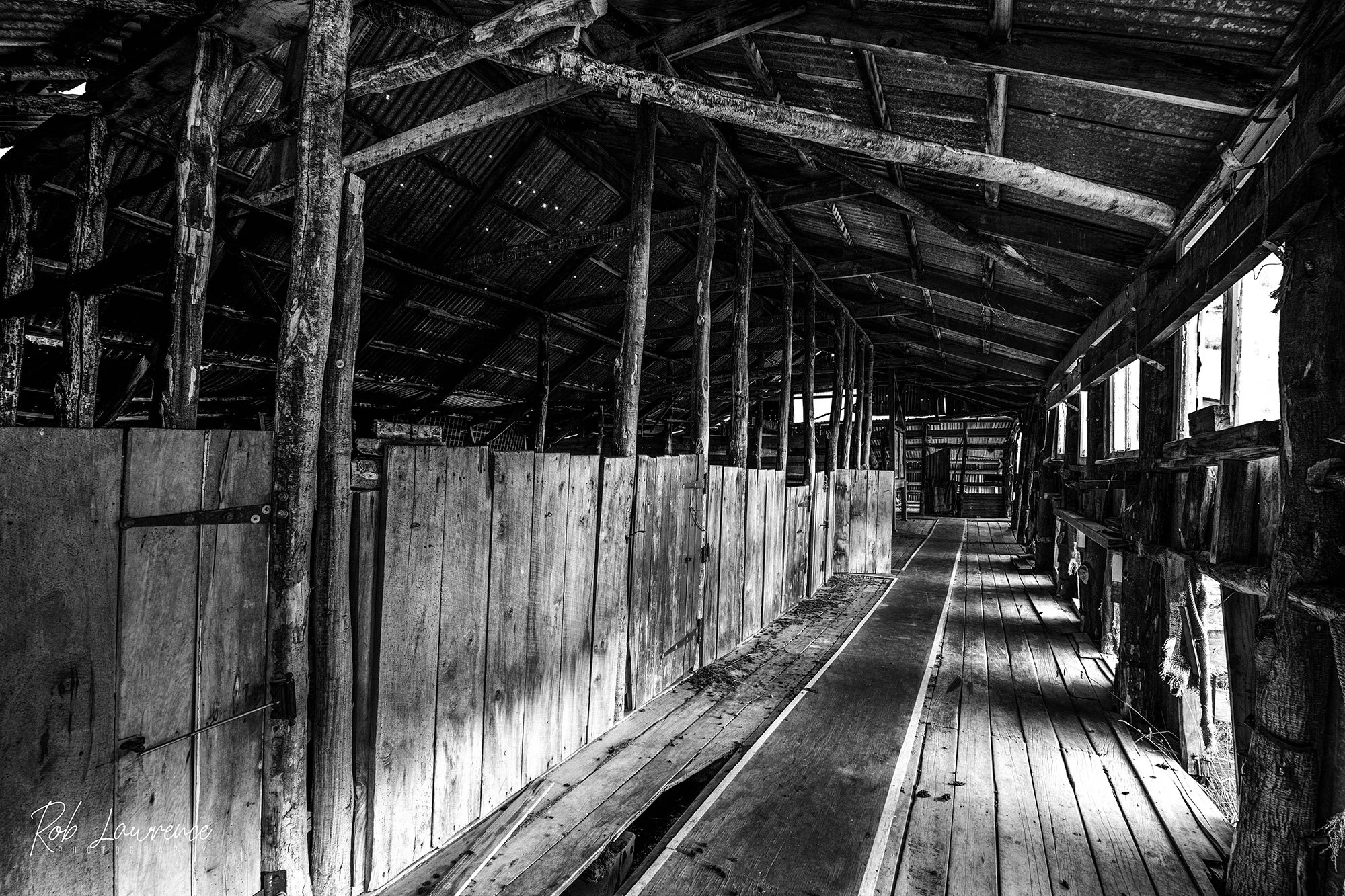
Quailburn Woolshed 2018 Quailburn Woolshed is located in the Ahuriri Conservation Park near Omarama. Quailburn Station was originally part of the enormous Benmore Run, one of the largest pastoral runs in Otago during the 1870s. The woolshed was built around 1920 and served the station for sheep shearing still being used into the mid-1990s y.
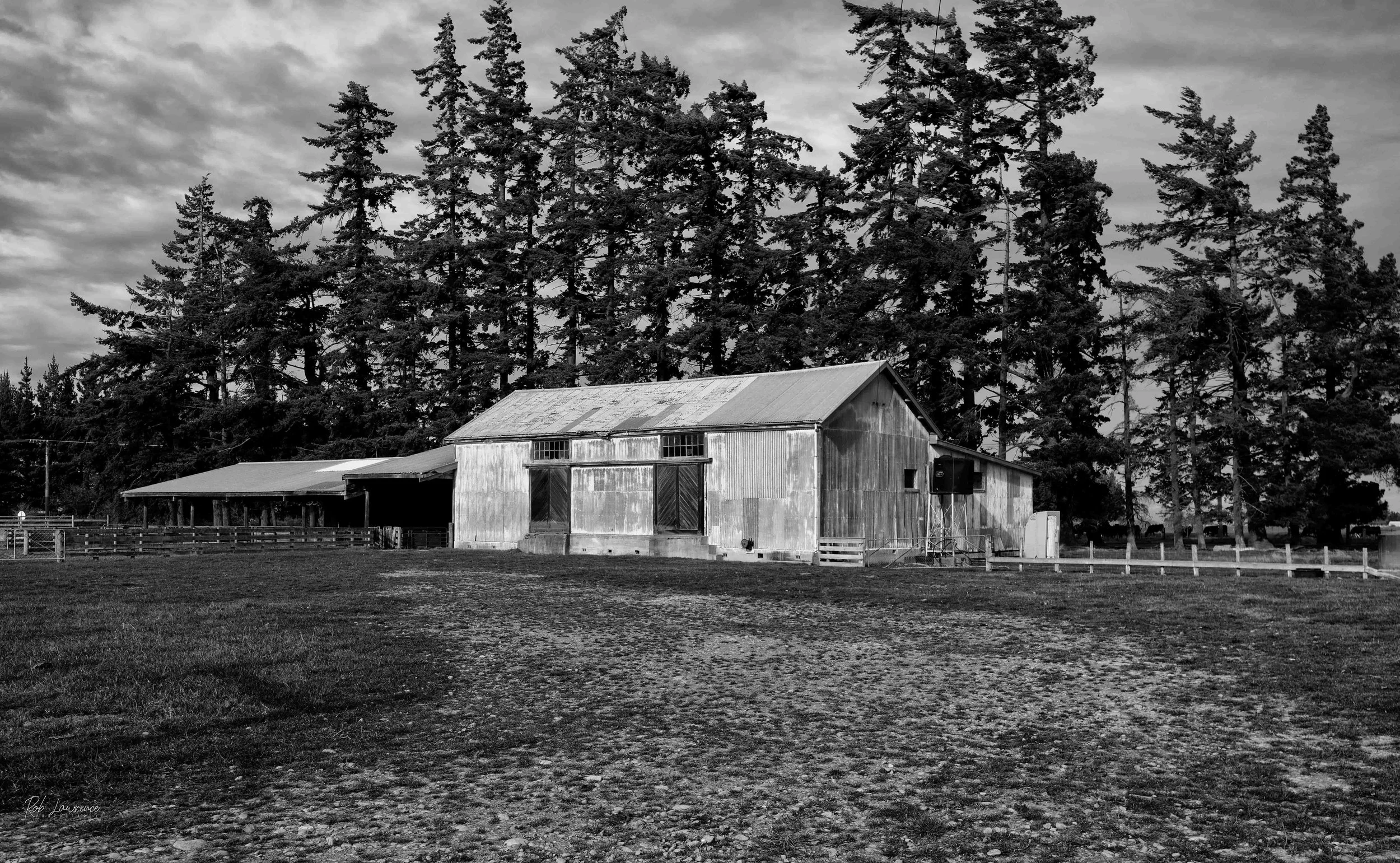
Judd Woolshed Corner on Old West East Road and Minchins Road Near Waddington
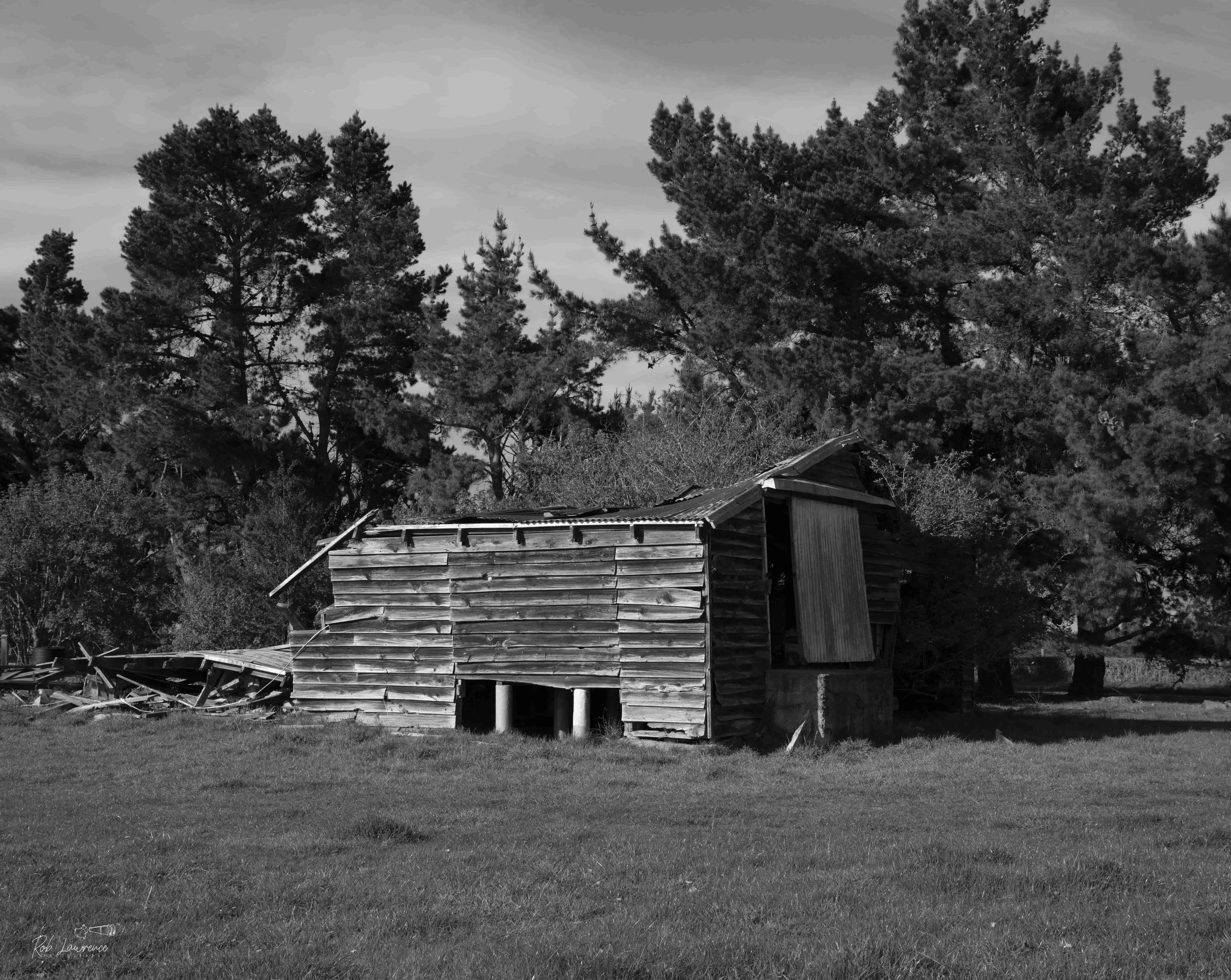
Ward Road Shed
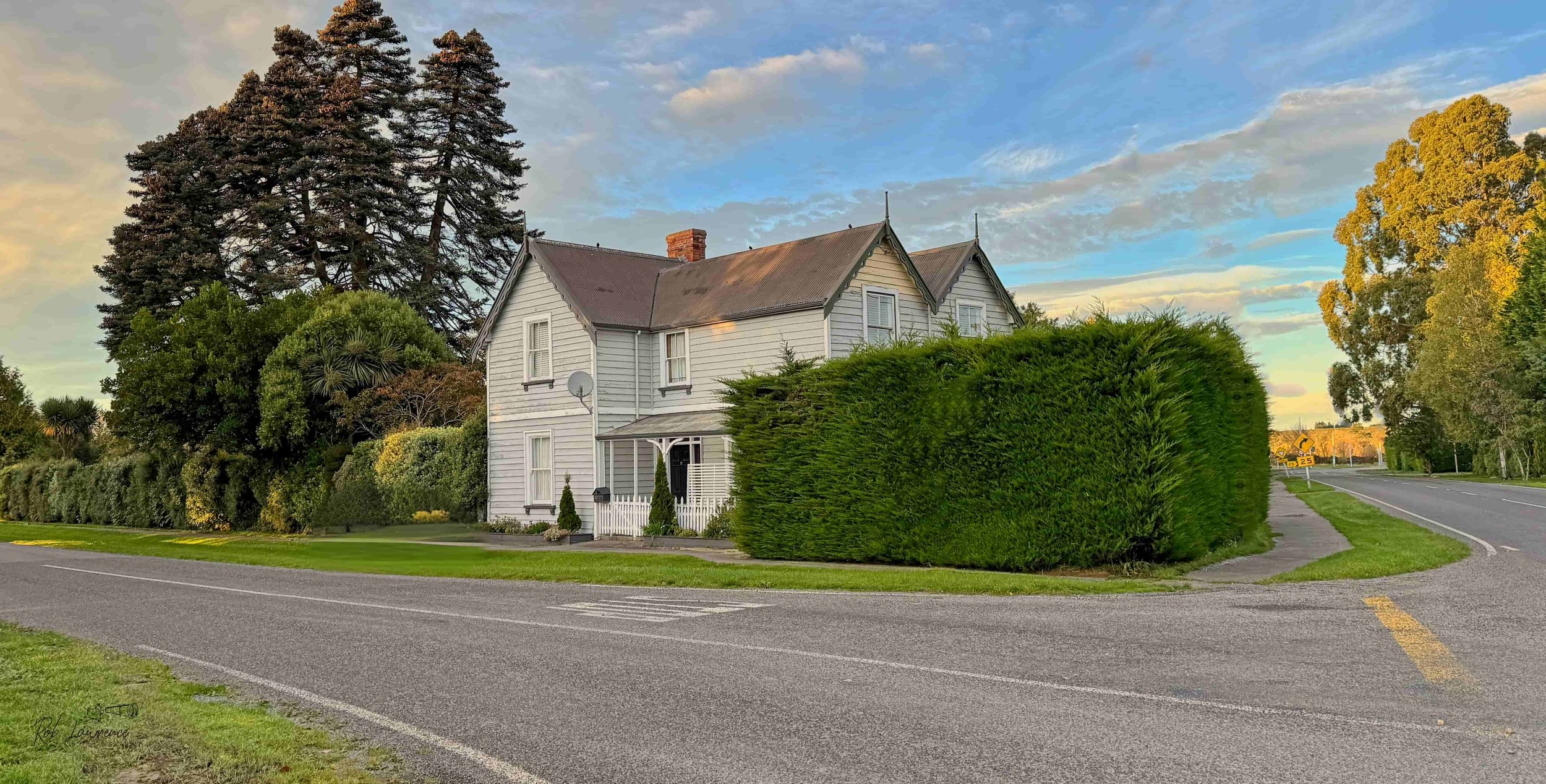
Waddington Corner with Tramway Road Waddington
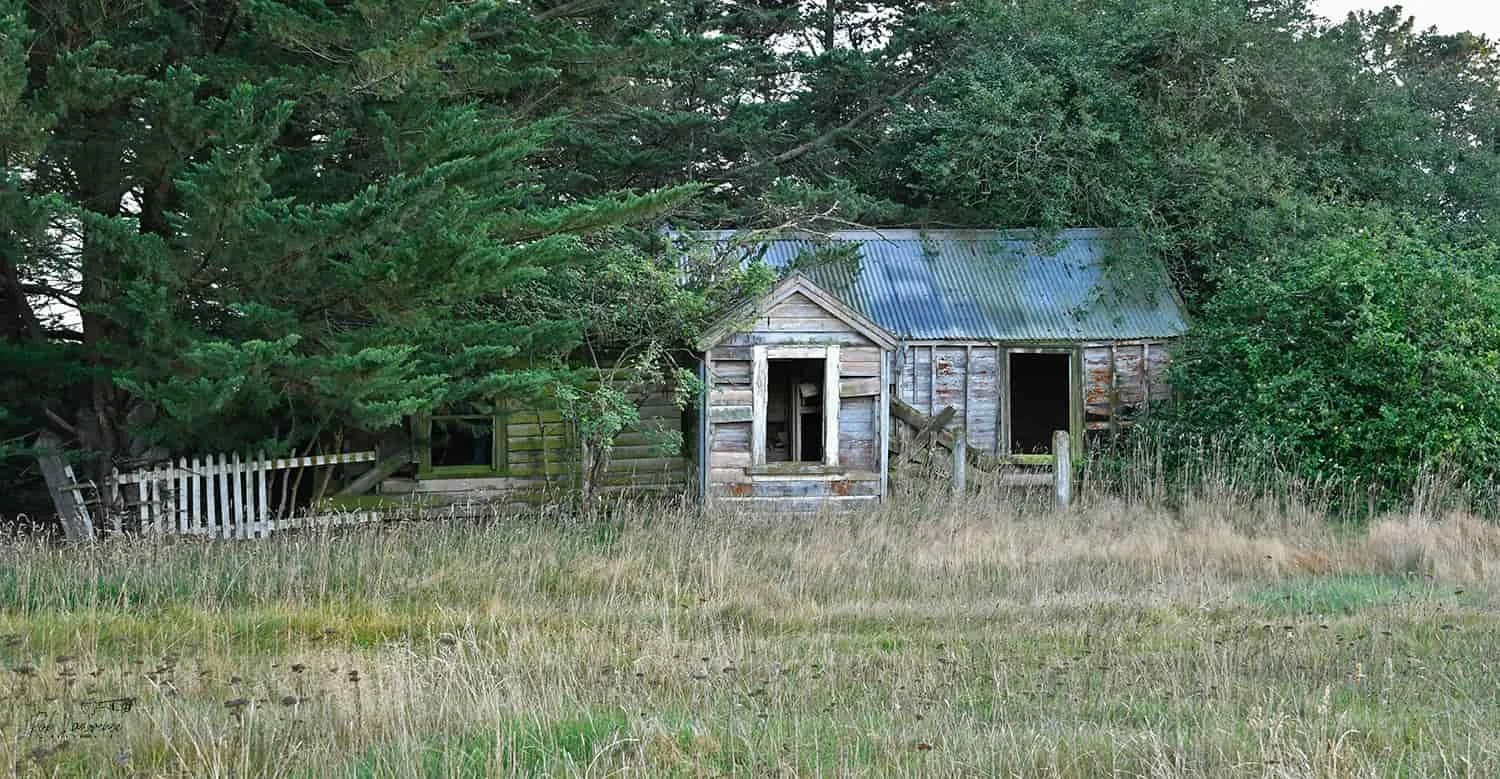
Random North Canterbury house

Rabbitors house Otago
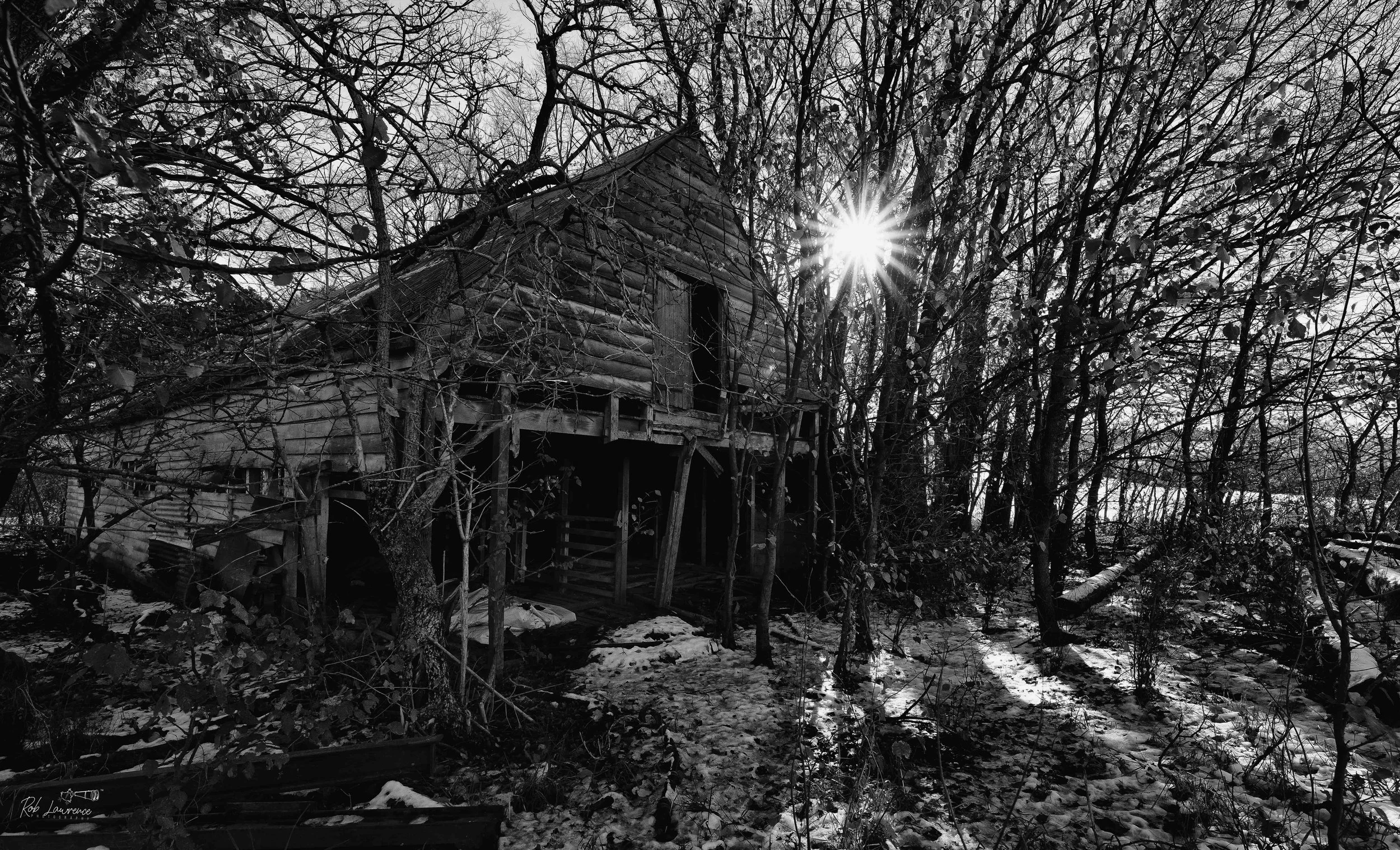
AcheronBank Woolshed Lake Coleridge Murchison began running Acheron Bank in 1878, it is likely the woolshed dates from the late 1870s or early 1880s, when the station was being developed for sheep farming.
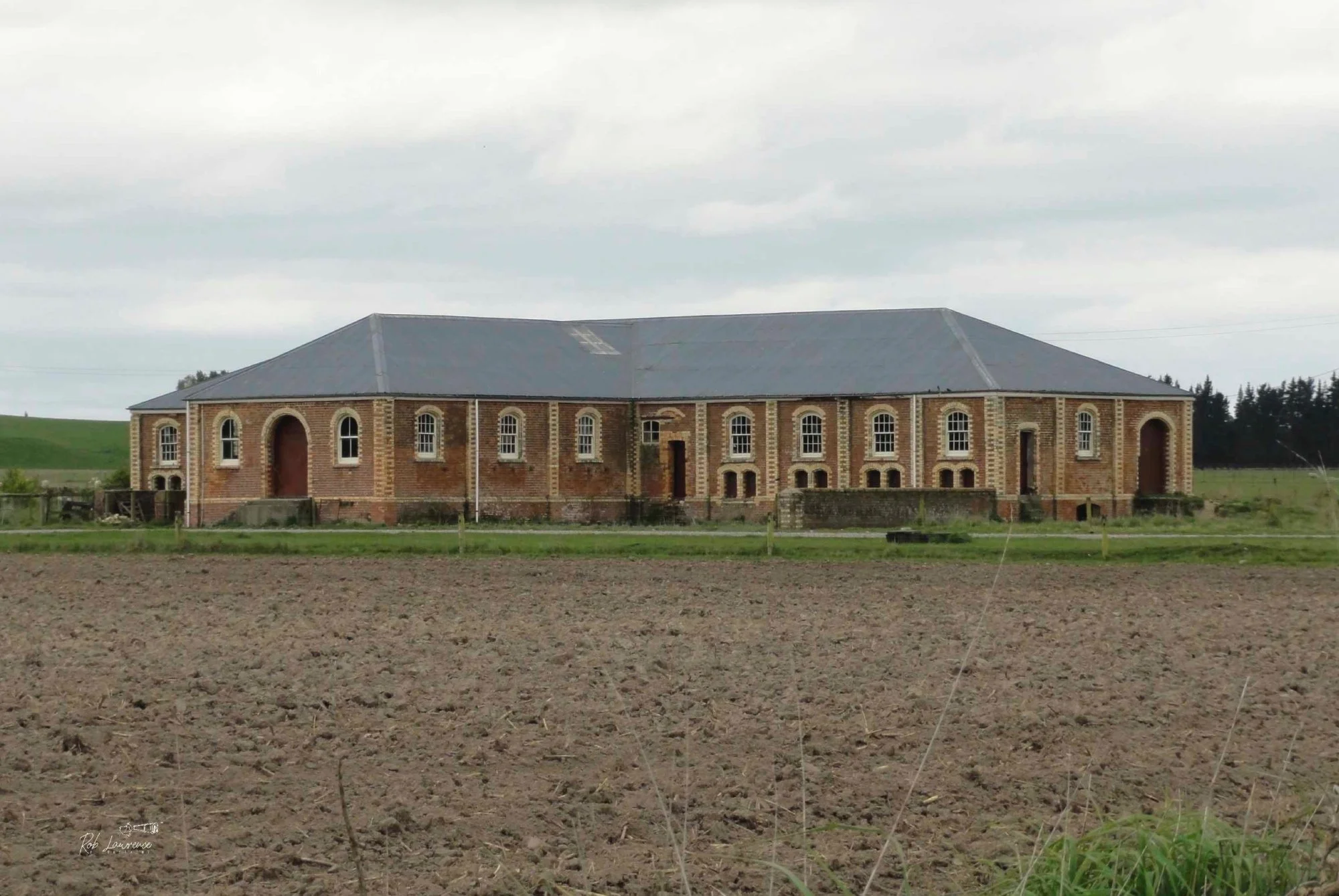
Homebush woodshed The woolshed was built in 1878–79 for the Deans family's Homebush Station near Coalgate. It is unusual because it was built largely from bricks made on the property, rather than timber as was common for Canterbury woolsheds. The building is a traditional T-shaped woolshed, with two wings that originally housed 10 shearing stands each. At the time Homebush Station carried around 12,000 sheep. It was designed by Christchurch architect William Marley and constructed by Thomas Lamport. The woolshed survived the 2010 Canterbury earthquake remarkably well, despite being close to the epicentre that destroyed the famous Homebush Homestead. It has been associated with the Deans family continuously since the 1850s.
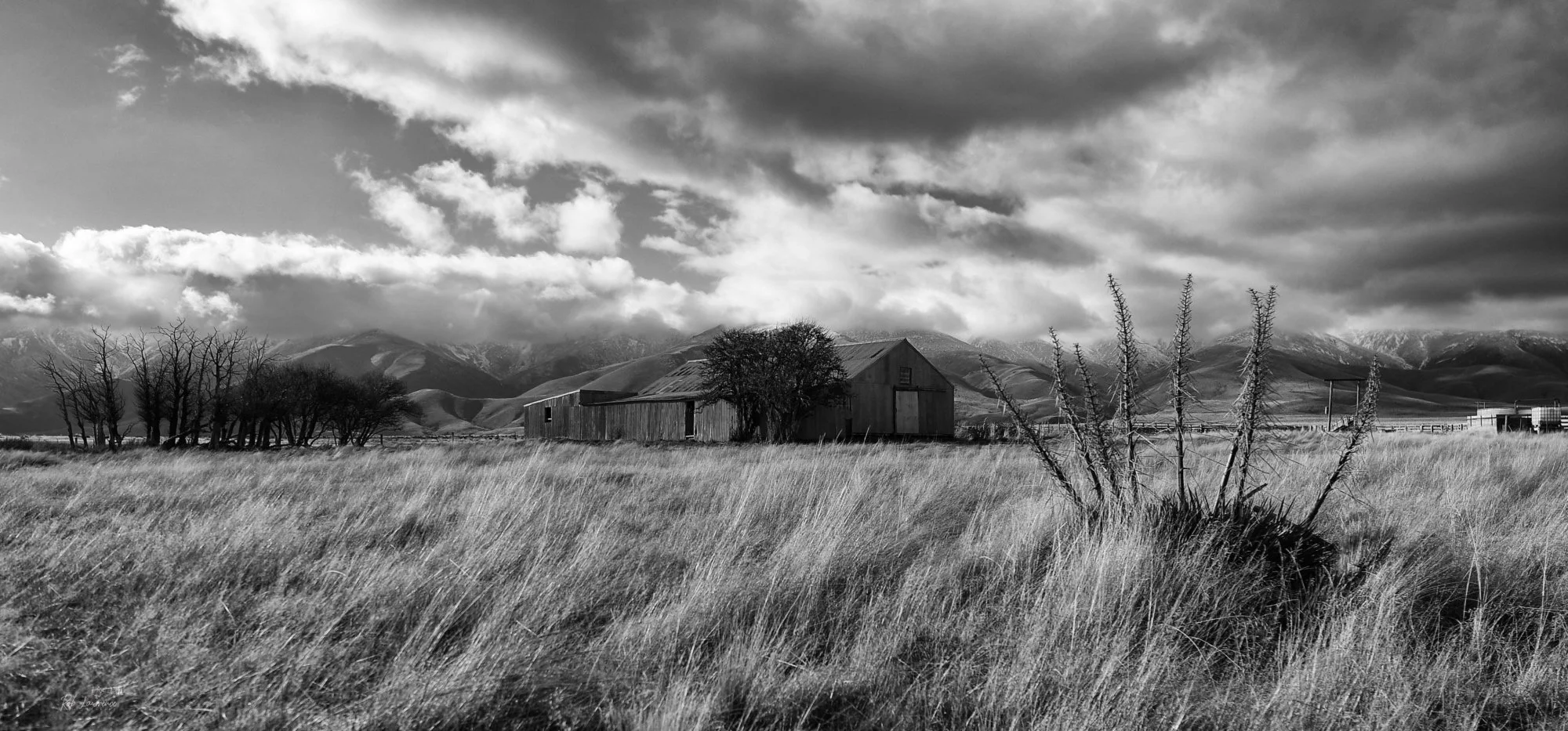
Braeside Station, Ida Valley, Central Otago Historic station buildings photographed prior to the filming of The Power of the Dog (2021), which brought international attention to this remarkable Central Otago landscape.
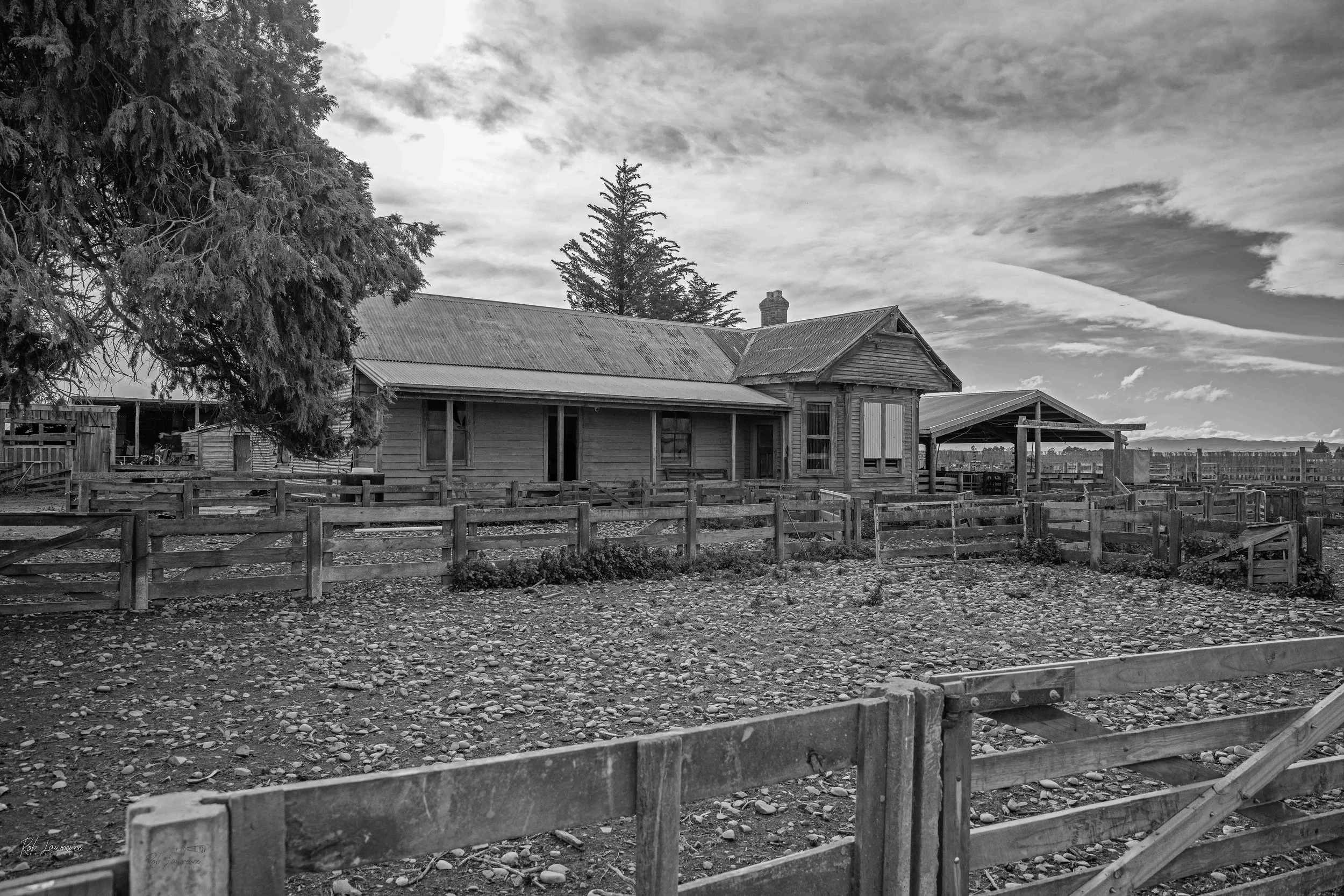
Gilmour wools shed Conversion Creke Road. Courtney
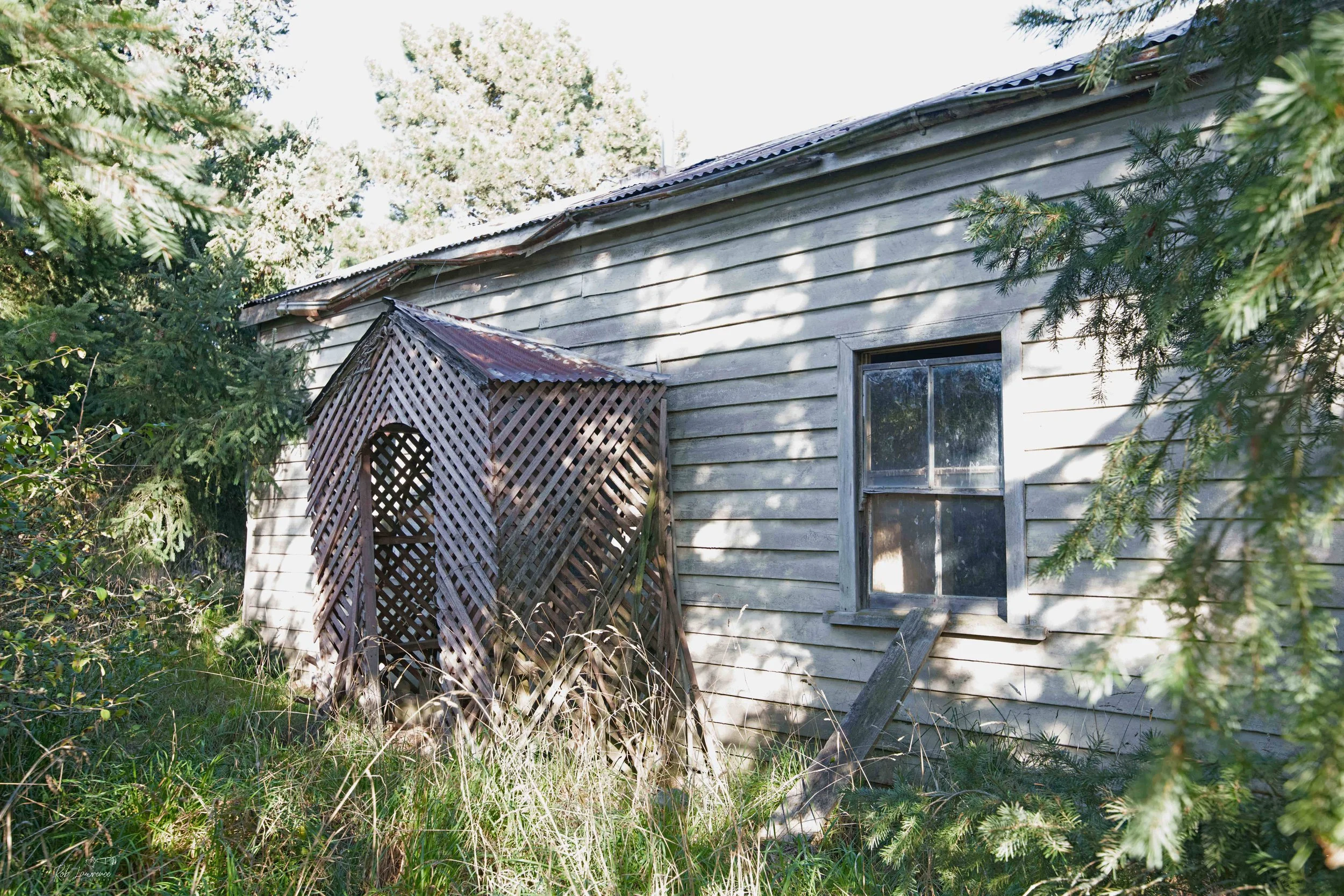
Clarry Fowler's home Hoskins road and State Hiway 73 Now Demolished
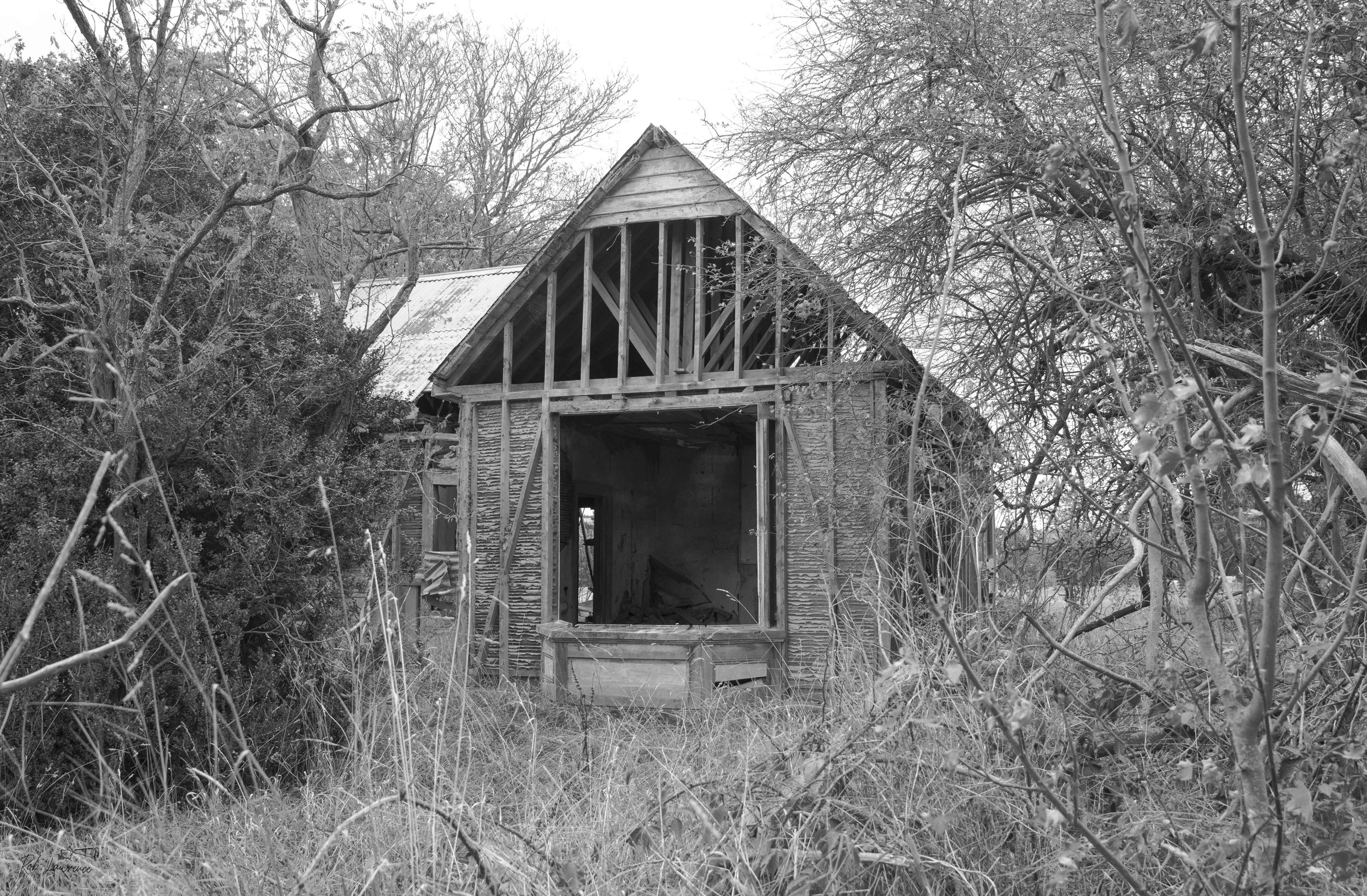
Former Police Residence, Annat This small former police residence served the rural settlement of Annat and the surrounding district during the era when many country communities had a resident constable. Following the closure of rural police houses as policing became more centralised, the building passed into private ownership. It remains a reminder of the important role these small police residences played in Canterbury's rural communities.
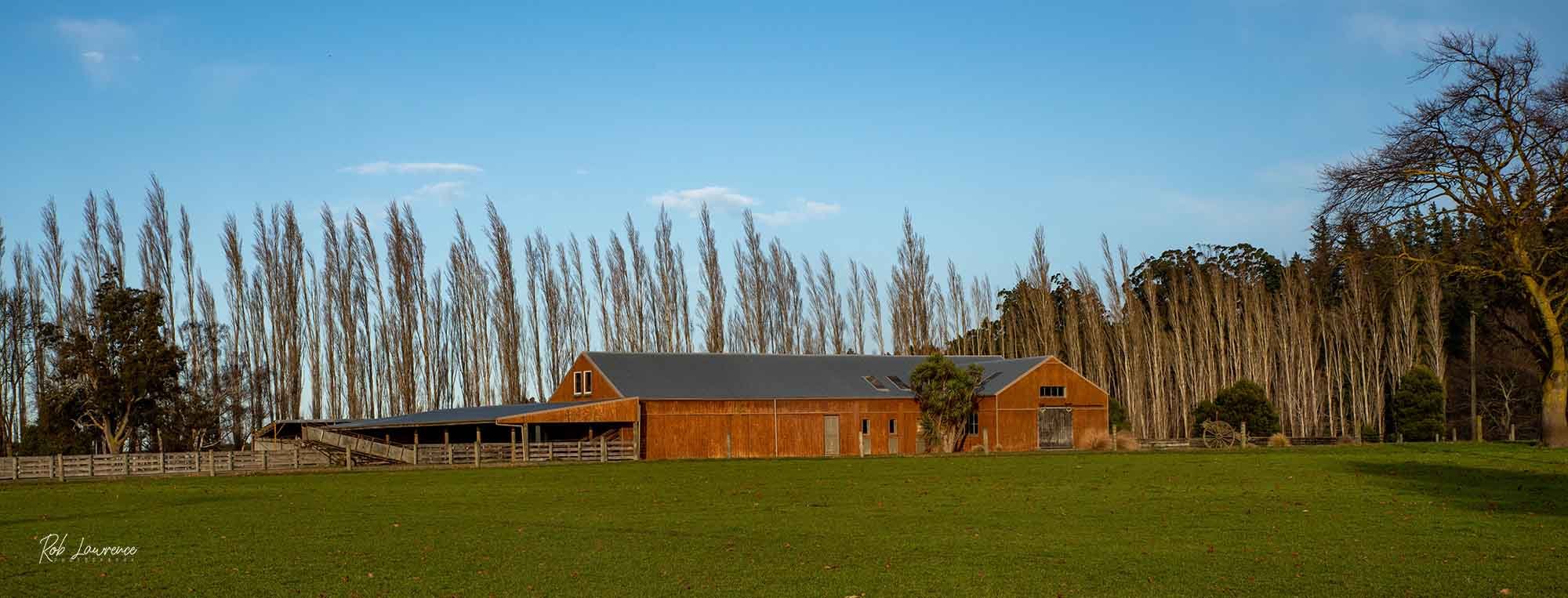
Malvern Woolshed. Deans
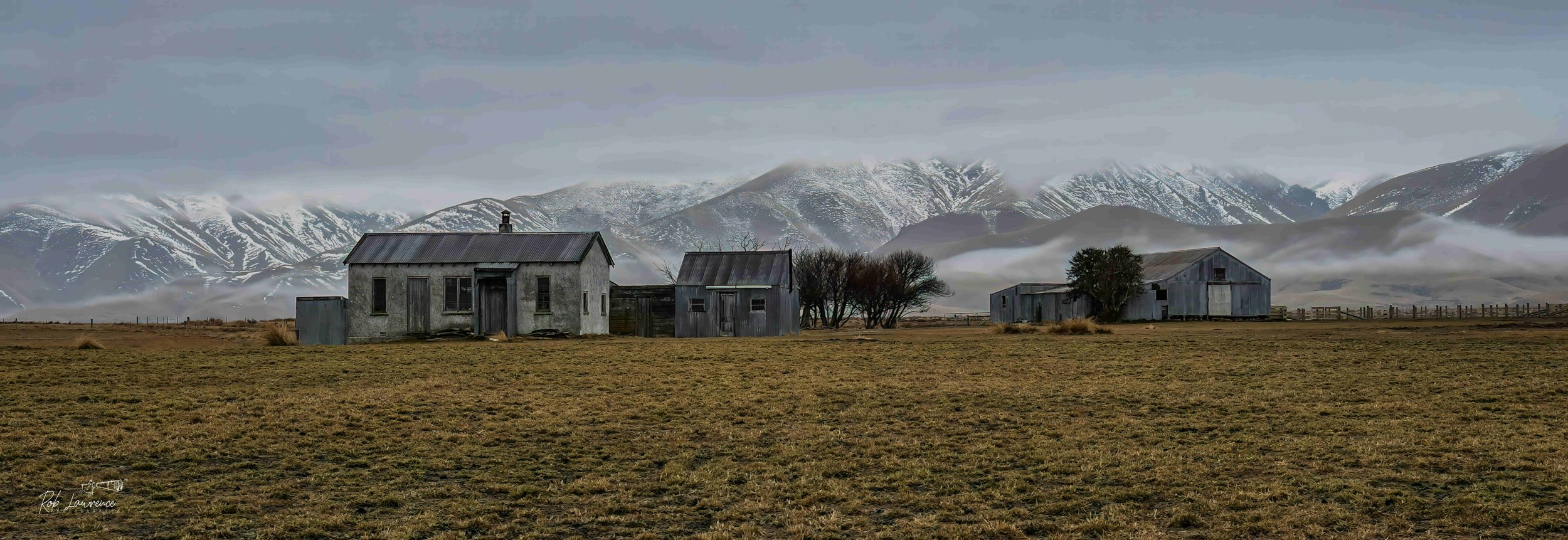
Braeside Station, Ida Valley, Central Otago Shepard Kitchen site featured in the film "Power of the Dog" The McKnight family acquired Braeside in 1878, and it has remained in the same family ever since—over 145 years and now farmed by the fourth generation. The property is about 5,500 hectares of high-country sheep and beef country. One of its most distinctive historic features is the stone-walled sheep yards, built from local schist by early settlers. These are among the best-preserved examples of early pastoral stonework in Central Otago and make a wonderful photographic subject. A former shearers' quarters on the farm has been restored as accommodation, preserving part of the station's pastoral heritage. The site featured in the film "Power of the Dog"
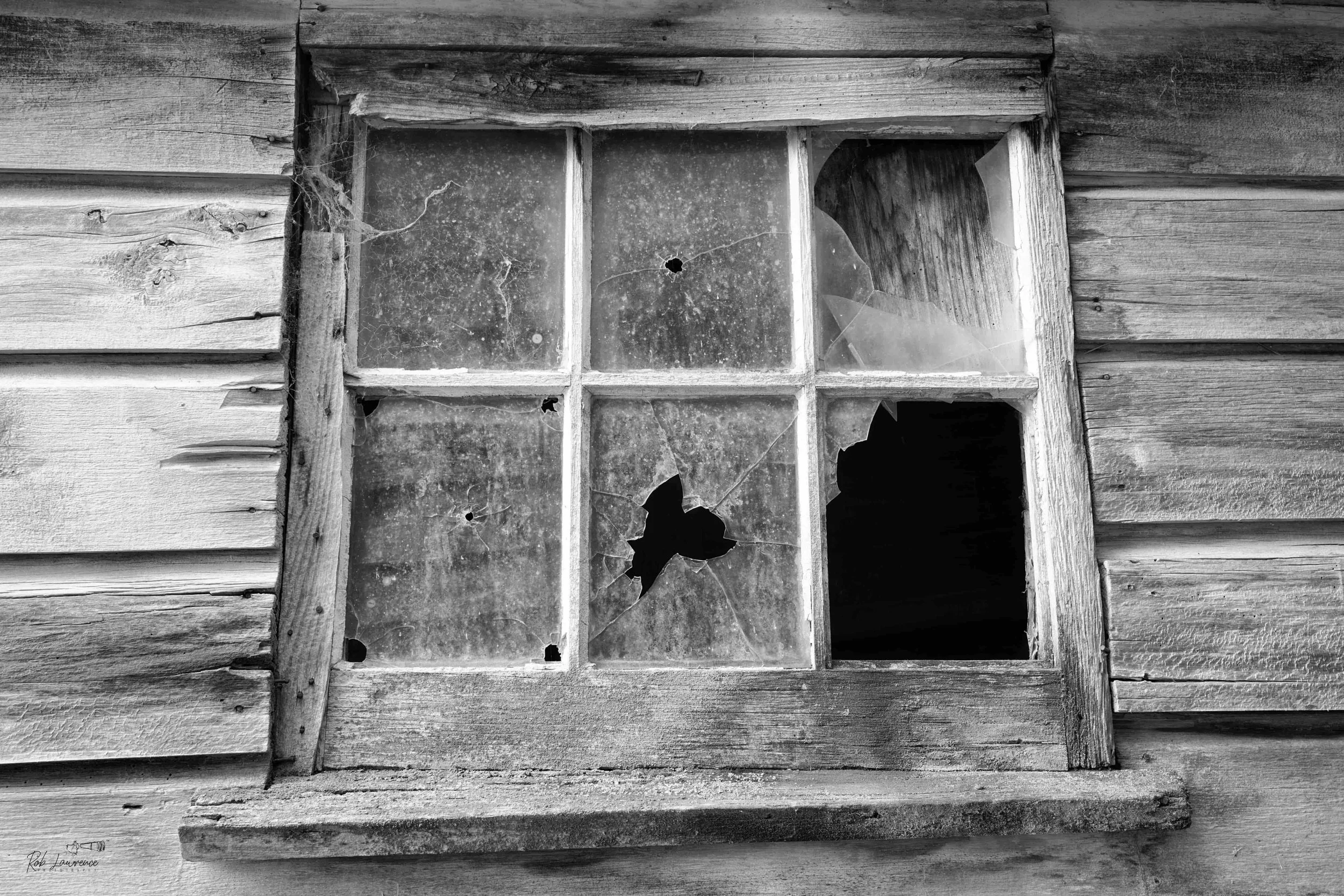
Otematata Old window
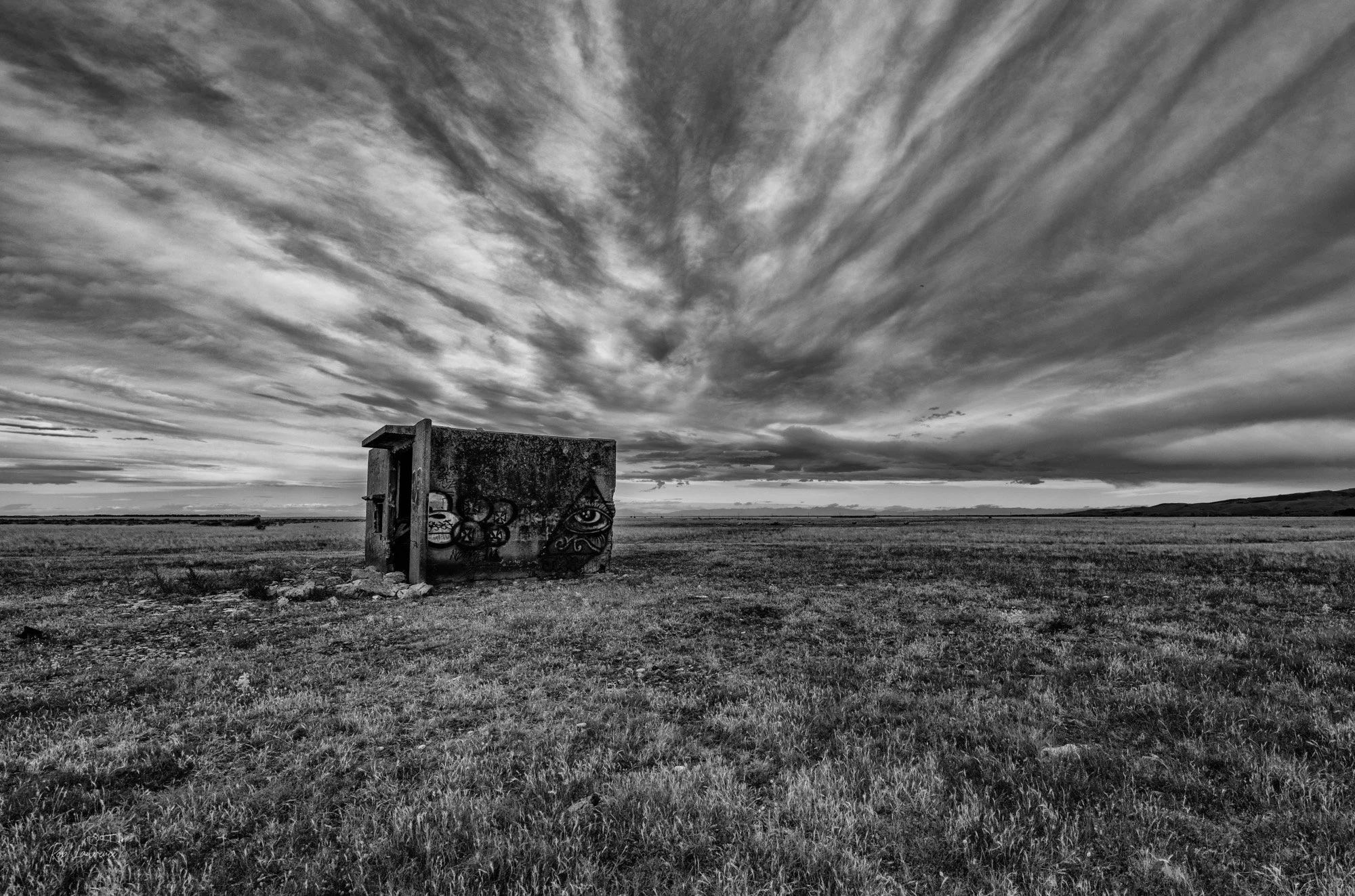
Kaitorete Spit bunker New Zealand established a number of emergency landing grounds, training areas, and dispersal fields around the country during the war in case the main airfields were attacked. The RNZAF was particularly concerned with dispersing aircraft away from major bases such as Wigram.
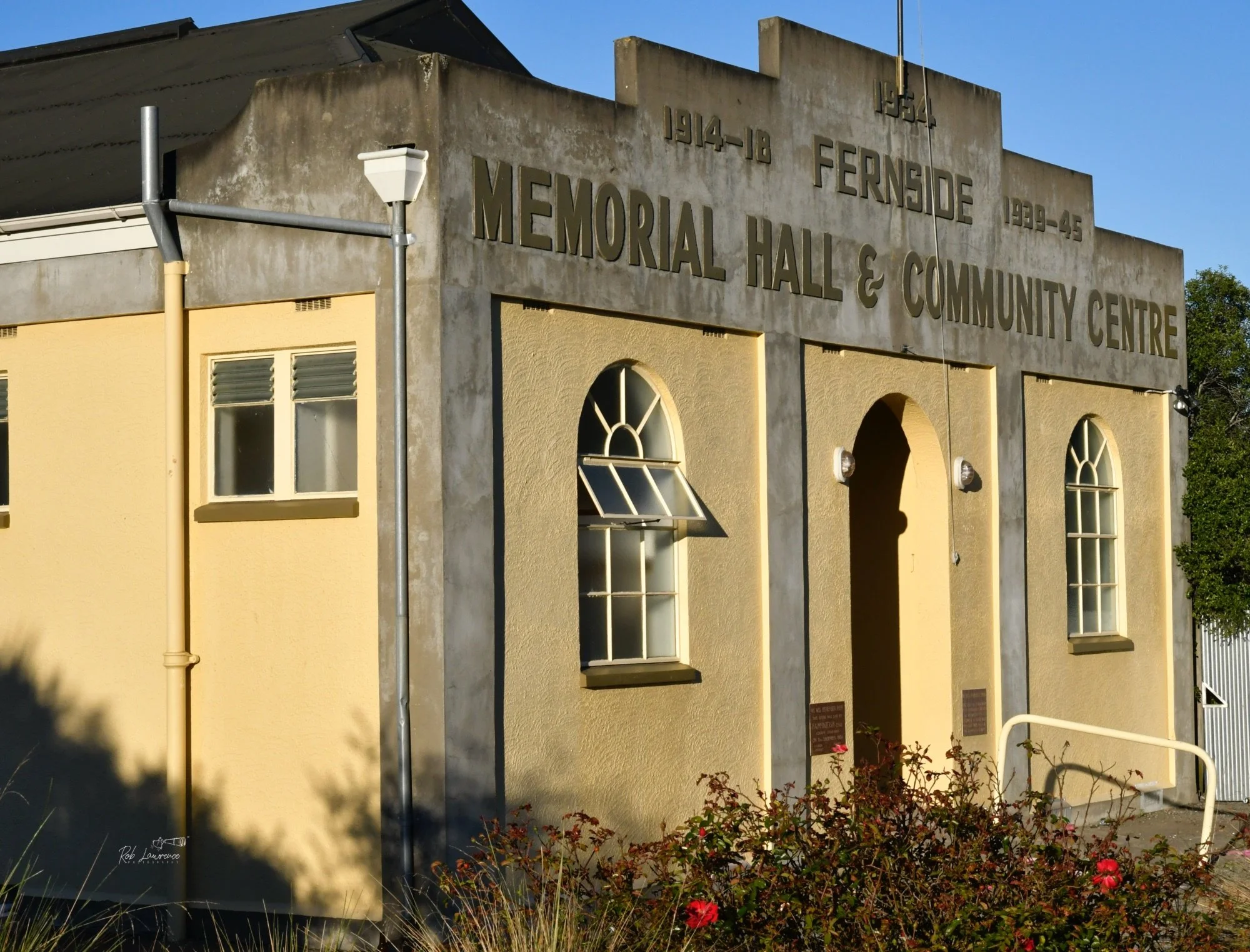
Fernside Memorial Hall Opened in 1955, the Fernside Memorial Hall serves as the district's community hall and war memorial. Honour boards inside commemorate local men and women who served during the First and Second World Wars (1914–1918 and 1939–1945).
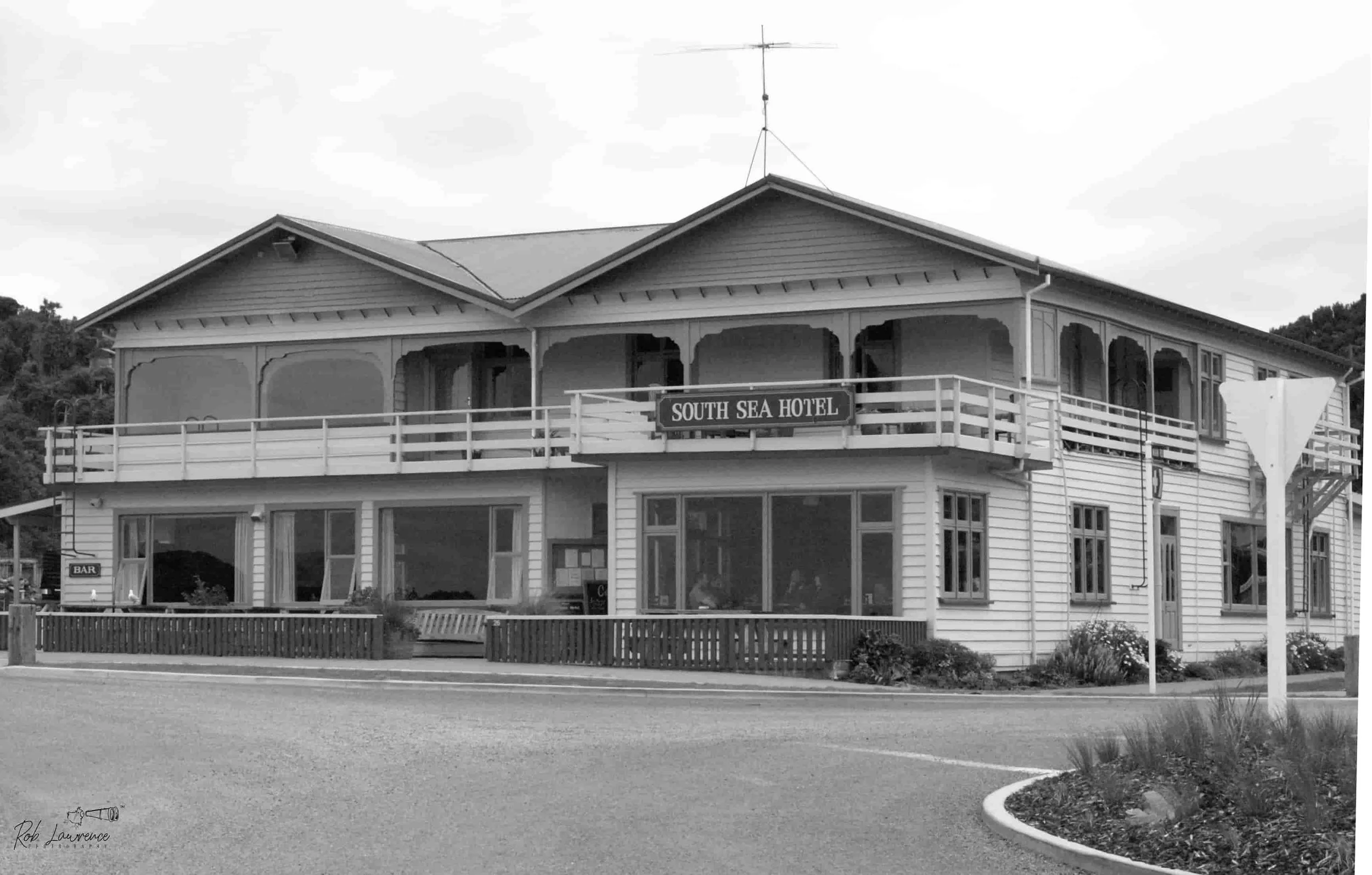
South Sea Hotel, Oban, Stewart Island/Rakiura The South Sea Hotel traces its origins to about 1890, when an accommodation house was established on the site to cater for visitors, fishermen, and those involved in Stewart Island's developing timber and fishing industries. By 1899 the building had already been enlarged, reflecting the growth of tourism and commerce on the island. Originally known as the New Oban Hotel, it adopted the name South Sea Hotel in 1968. Today it remains the island's principal hotel and an enduring landmark, welcoming travellers arriving by ferry at Halfmoon Bay.
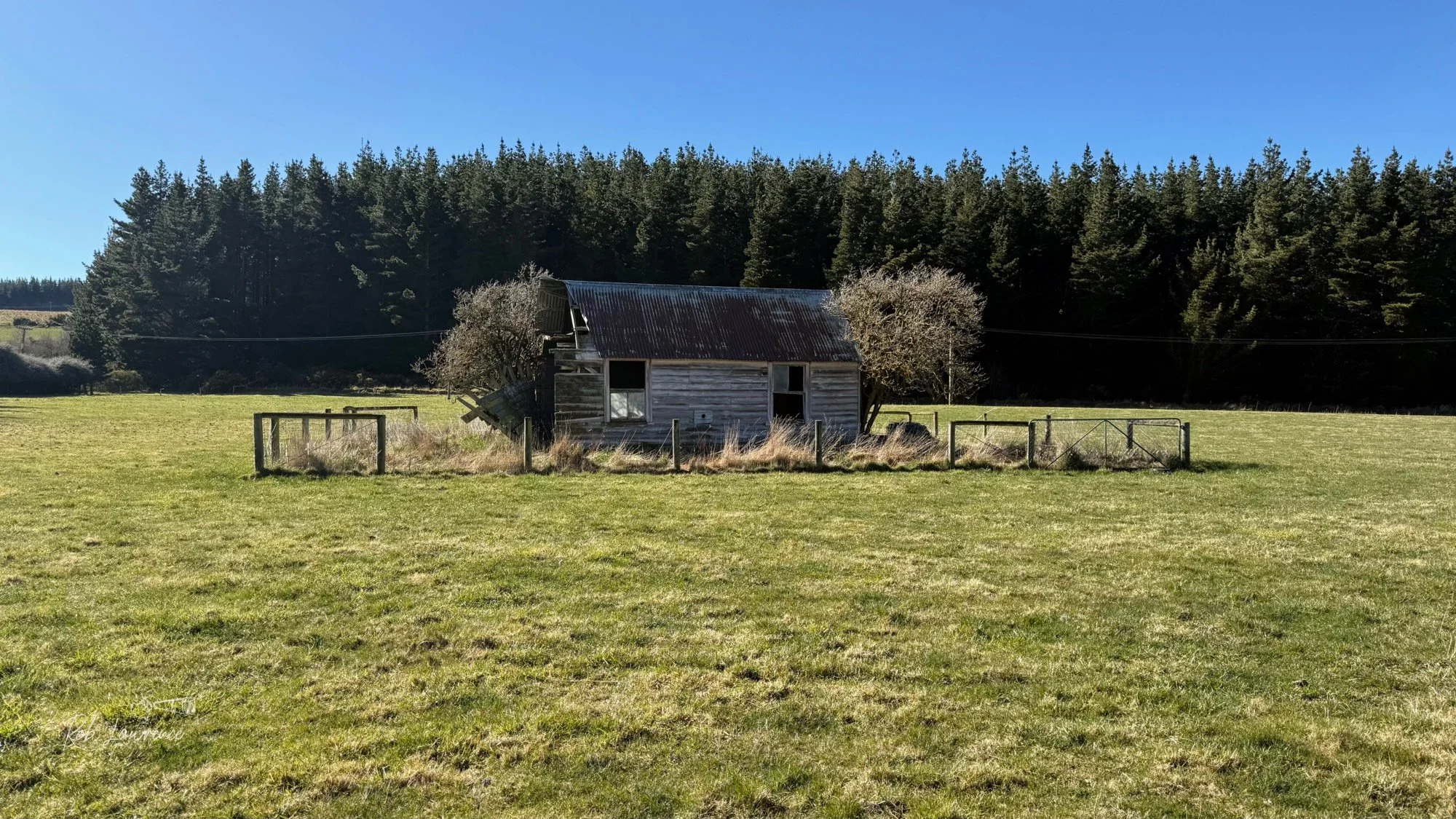
Snowdon Cottage the Lake Coleridge Road Its history begins in 1853, when several adjoining pastoral licences were taken up. The original homestead was established near the foot of what was then known as Mount Snowdon (Big Ben). In 1854, John Dudley and F. J. P. Leach purchased the runs, moved the homestead to its present site, and renamed the property Snowdon. The station later passed to William Gerard in 1866, and the Gerard family owned it until 1946. George Gerard is remembered for constructing the famous Snowdon water race system between 1911 and 1913.
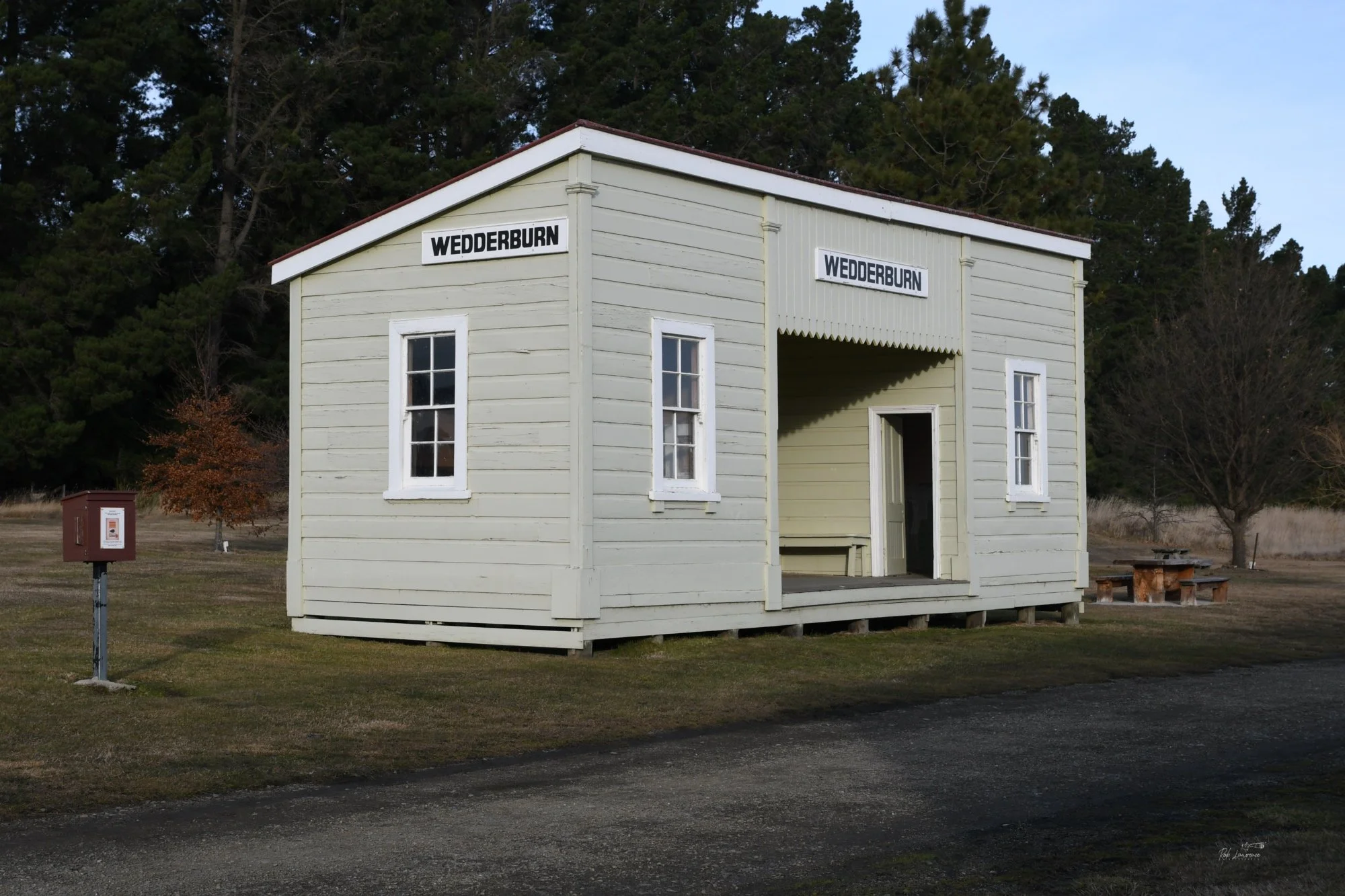
Wedderburn, Central Otago Wedderburn is a small settlement in the Maniototo, about 15 km northwest of Ranfurly. Originally established as a coaching stop, it developed during the late nineteenth century to serve the surrounding sheep stations, coal mines and nearby goldfields. The arrival of the Otago Central Railway in 1900 transformed Wedderburn into an important transport hub, with stock, timber and lignite coal being freighted through the settlement. Although the railway closed in 1990, the route was later reborn as the Otago Central Rail Trail, New Zealand's first rail trail, bringing new life to the township. Today, Wedderburn is best known for its beautifully restored railway goods shed, immortalised in Grahame Sydney's iconic 1975 painting July on the Maniototo. The goods shed has become one of Central Otago's most recognisable heritage landmarks and a symbol of the region's rural character.
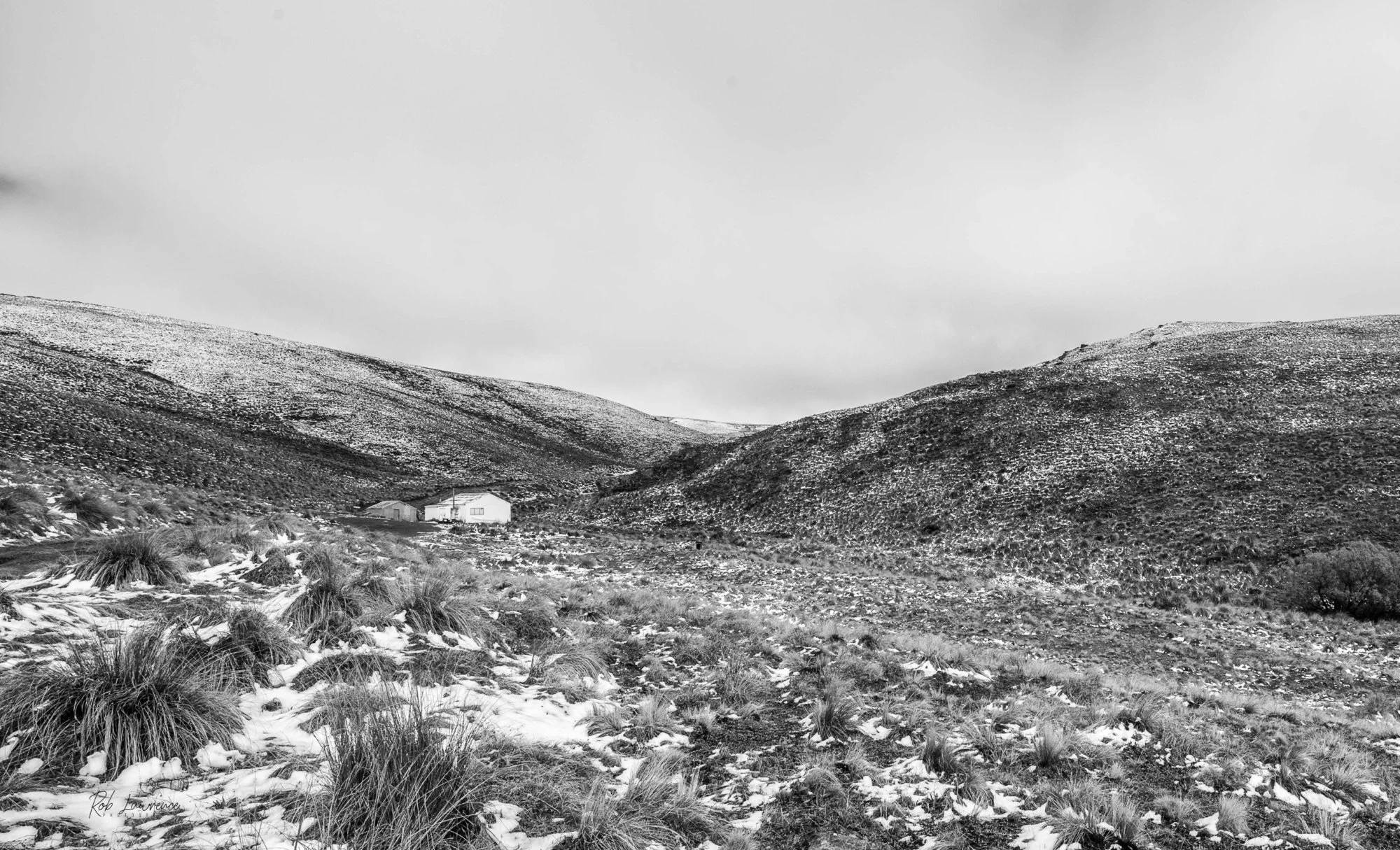
Glenbouie Hut Ōtemātātā Station is a high-country station in the spectacular Waitaki Valley of New Zealand's South Island. Covering almost 41,000 hectares, the property is dominated by vast rolling hills, rugged tussock country and alpine landscapes. This expansive environment is ideally suited to Merino sheep and Hereford cattle, which have been farmed here by the Cameron family for generations. The station combines traditional high-country farming with careful stewardship of the land, producing premium Merino wool and quality beef in one of New Zealand's iconic pastoral landscapes