

Butterflies Bugs Bees and Spiders.
This gallery explores the fascinating world of New Zealand's smaller wildlife. From brilliantly coloured butterflies and bees to perfectly camouflaged spiders and insects, these tiny creatures reveal an extraordinary diversity of form, colour and behaviour that is often overlooked.
They also present some of photography's greatest challenges. Unlike fungi or flowers, insects have a habit of moving—sometimes very quickly—and a few are not afraid to remind you that you are invading their space! I often use a telephoto lens with a remote shutter release, allowing me to keep a respectful distance while minimising disturbance to the subject.
As with most wildlife photography, patience, persistence and time are the real keys to success. Finding the subject is often as rewarding as taking the photograph, especially when you are lucky enough to capture a unique behaviour or a fleeting moment of action.
Some of these tiny creatures are remarkable travellers. The familiar Monarch butterfly is believed to have reached New Zealand from North America, while many spiders and insects have arrived from Australia, either as accidental stowaways or carried across the Tasman by favourable winds.
Perhaps they should call it "in-flight entertainment"—or simply "Gone with the Wind."
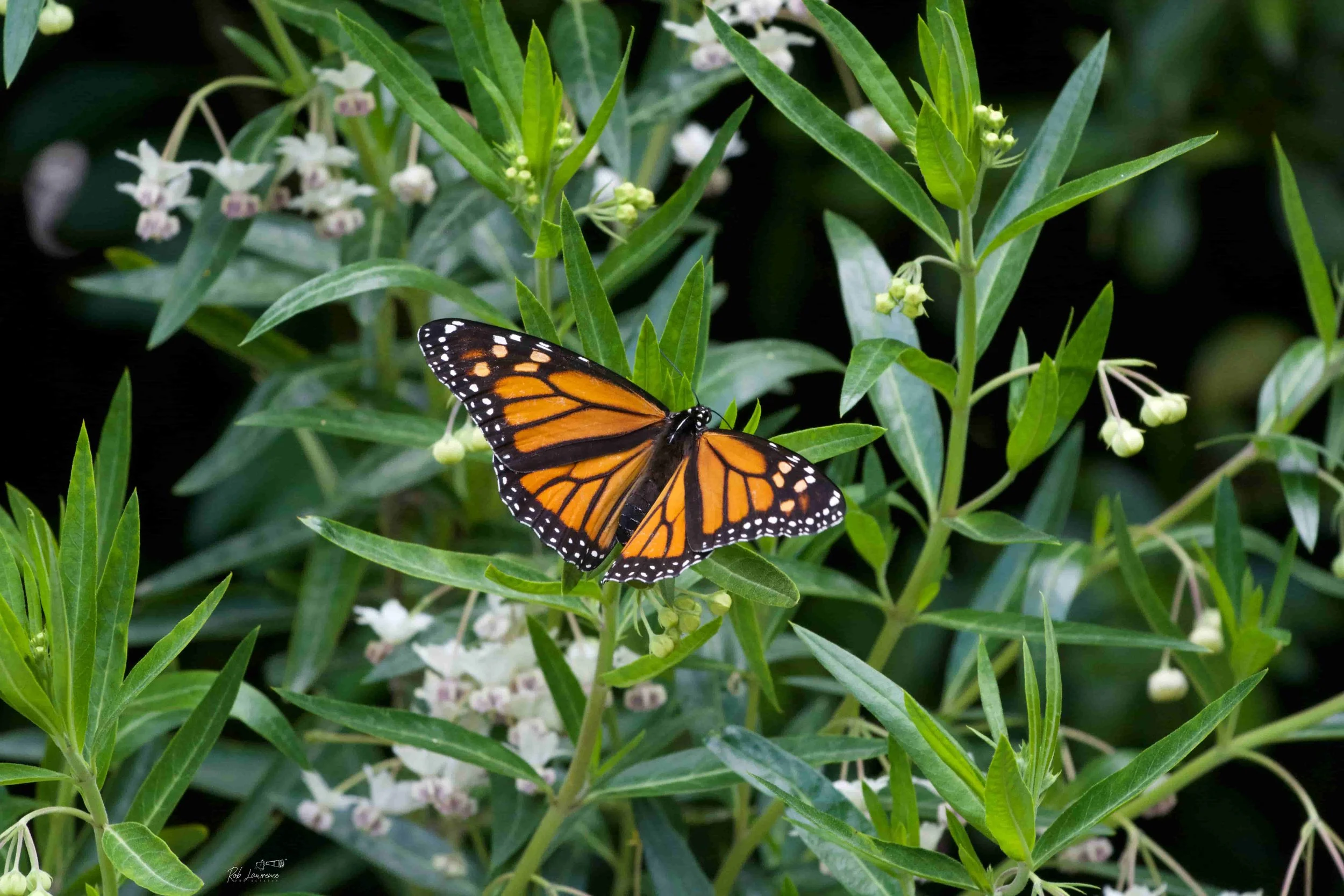
Monarch (Kāpuku) Danaus plexippus The Monarch butterfly arrived in New Zealand about 130 years ago after crossing the Pacific from North America. It is the only butterfly species in the world known to undertake a regular two-way migration. The longest recorded journey is approximately 3,432 kilometres, from southern Canada to the mountain forests of central Mexico. Monarchs do not undertake these long-distance migrations in New Zealand because our climate allows them to breed throughout much of the year. This photograph shows a female Monarch, identified by the absence of the black scent sacs found on the hind wings of the male.
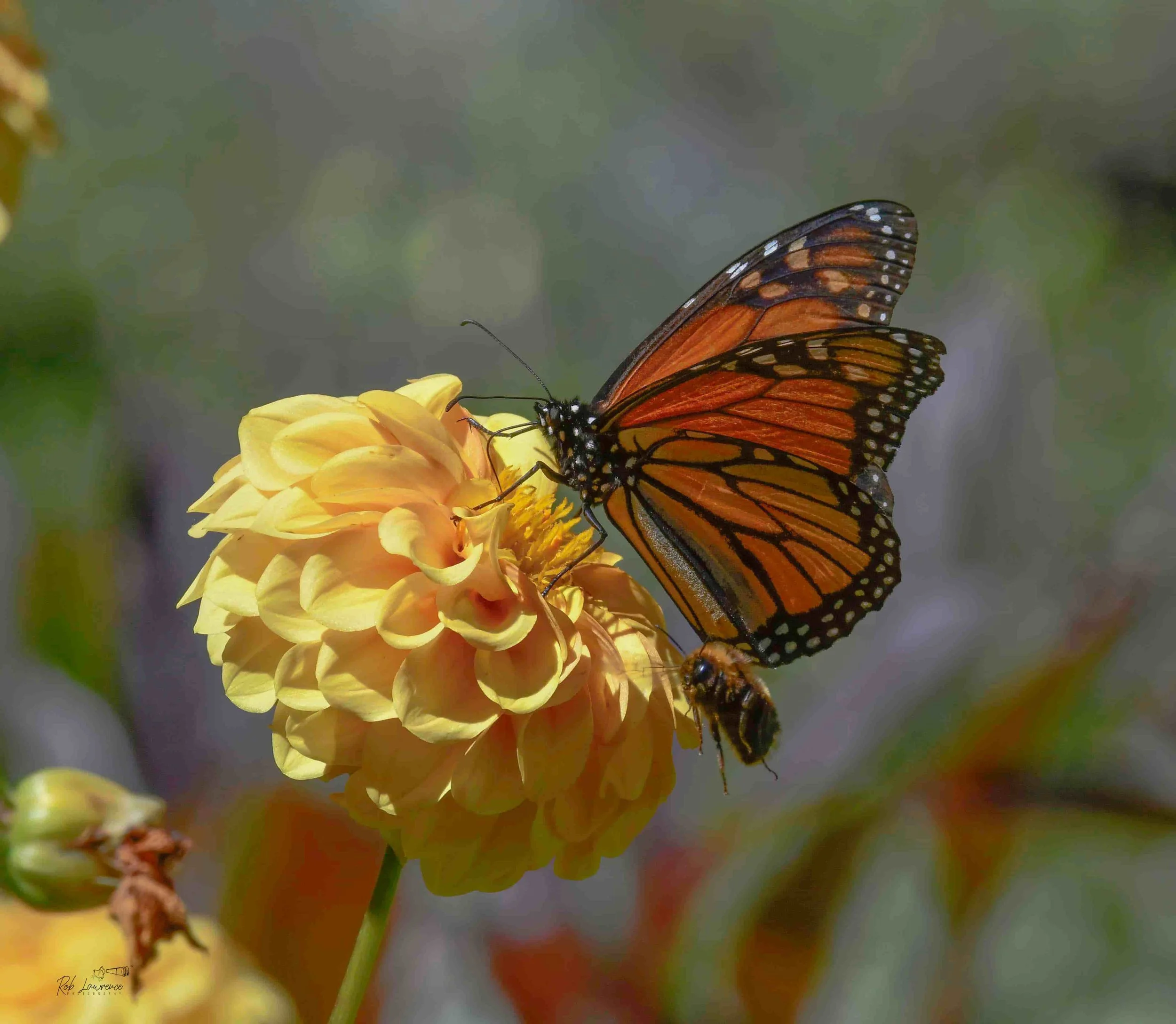
Monarch and Bumble bee I have had many observations of the compatibility of monarchs with other insects such as Honey bees and Bumble Bees. They often chase other butterflies away. Judi's garden has a seasonal progression of flowers. We also plant a large number of Swan plants to attache the Monarch Butterflies. We counted as many as 75 crytiilis and caterpillars one season
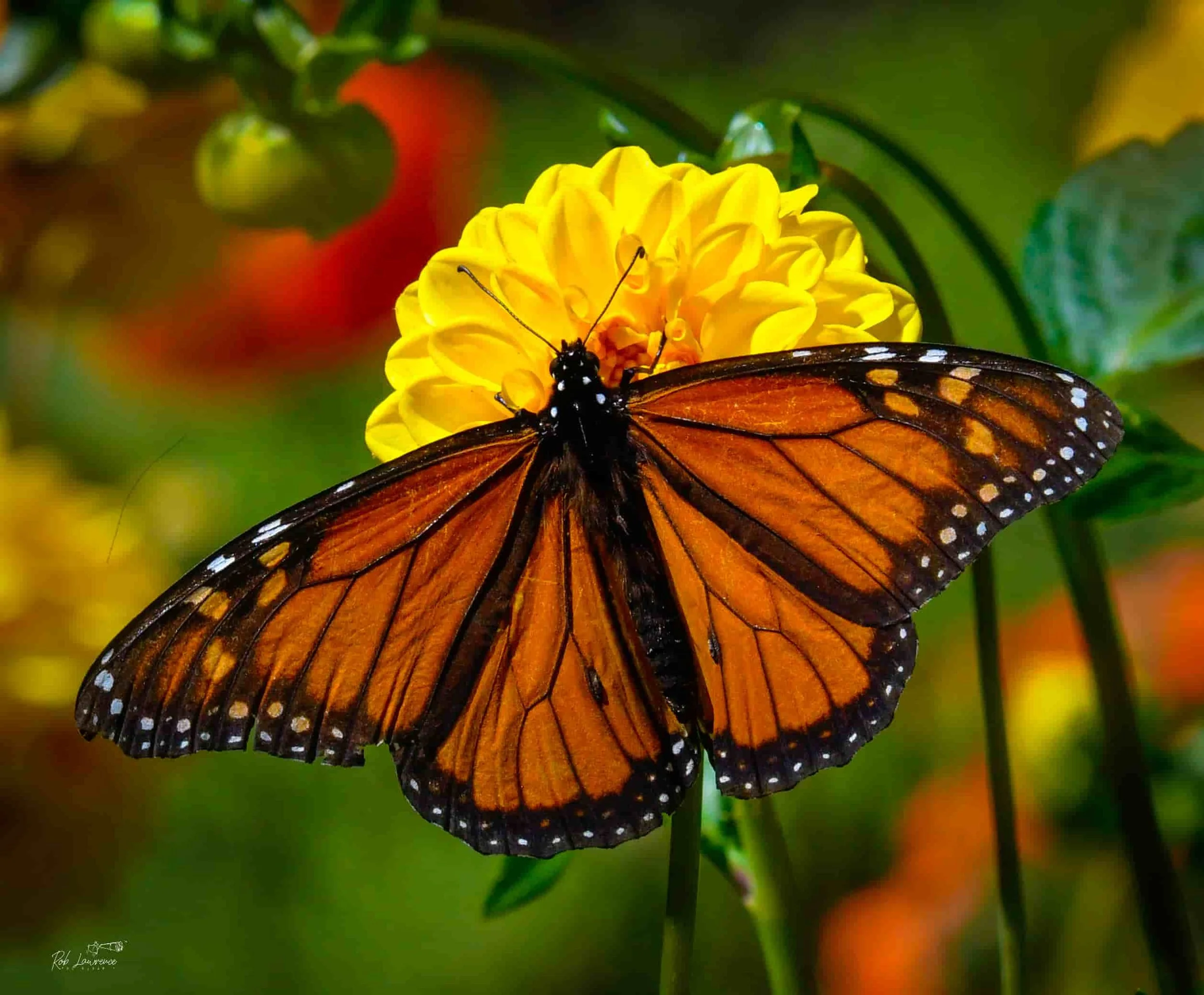
A male Monarch Note the small scent sacs on wing toward the end of the abdomen. female Monarchs do not have these sacs.
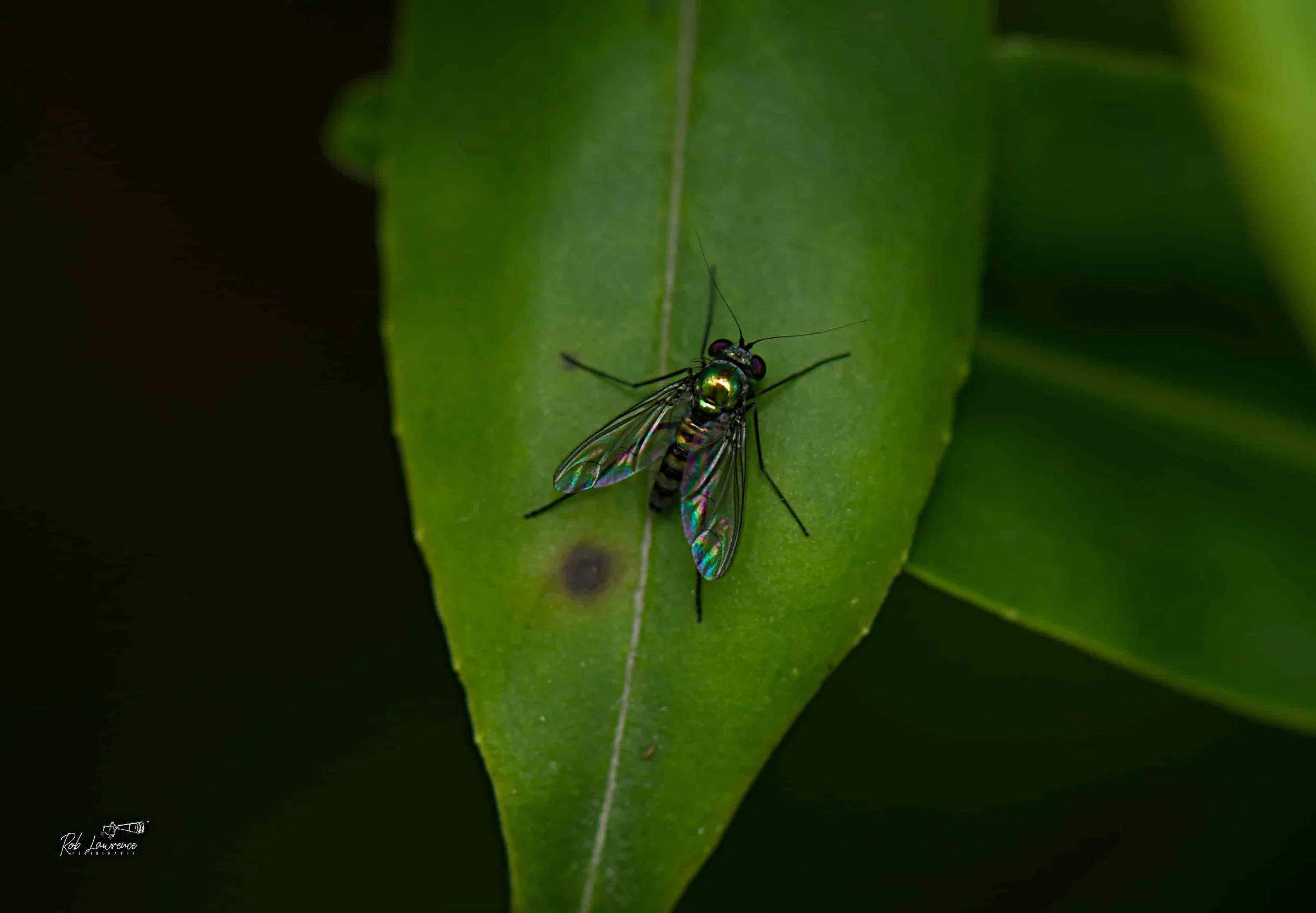
Green long legged Fly Parentia species Long-legged Fly Family Dolichopodidae Long-legged flies are a large family of true flies found throughout the world, comprising more than 8,000 described species in around 250 genera. They are generally small insects with long legs, large prominent eyes and an attractive metallic green, blue or bronze sheen, although their appearance varies considerably between species. Most long-legged flies are active predators. They feed on aphids, mites and other tiny insects, making them valuable natural pest controllers in gardens, farmland and native habitats. Some species scavenge or steal prey from spiders and other predators. In many species, the males possess enlarged and distinctive genitalia, an important feature used by scientists to identify individual species. They make good subjects fro Macro photography
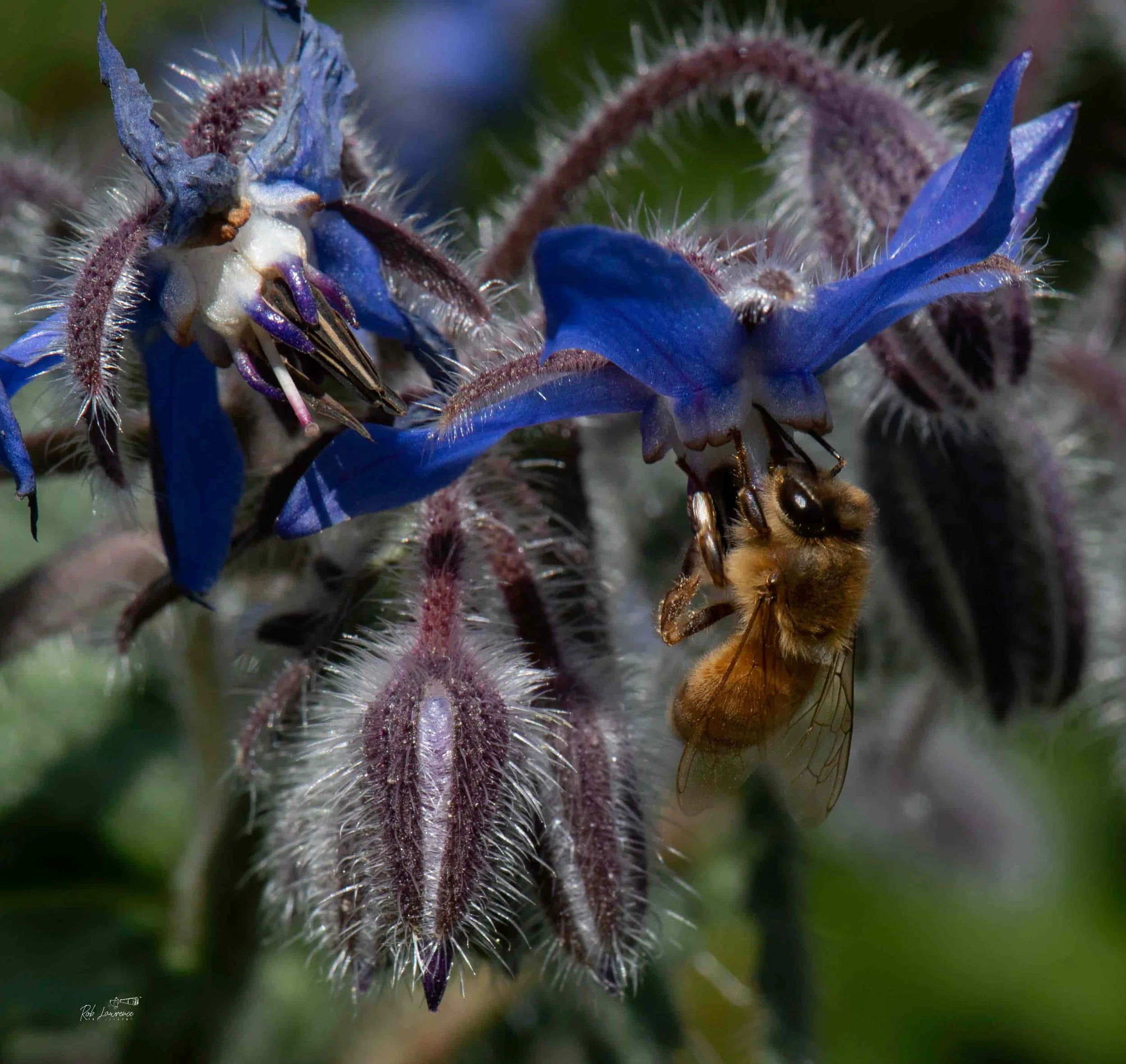
Honey Bee (Pī Honi) Apis mellifera Introduced to New Zealand from Australia in 1839, the honey bee has become one of our most valuable insects. It plays a vital role in pollinating agricultural crops, orchards, gardens and many flowering plants, while also producing the high-quality honey for which New Zealand is renowned. The type of honey produced depends on the flowers visited by the bees. Distinctive varieties such as mānuka, kānuka, clover, thyme and pōhutukawa each have their own unique flavour, colour and properties. Mānuka honey, in particular, is internationally recognised for its natural antibacterial and medicinal qualities.
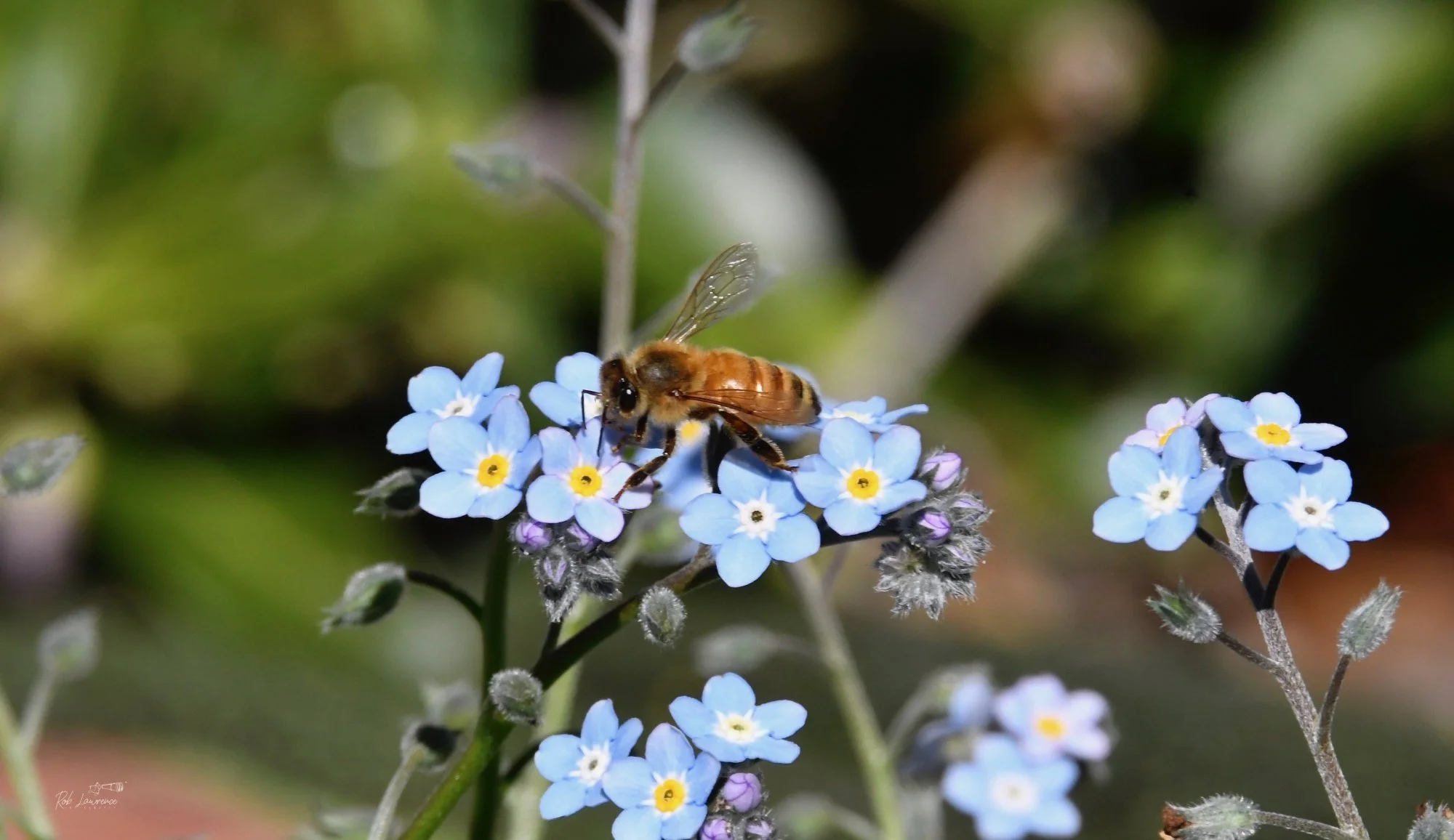
Honey Bee (pi honi) Apis mellifera My favourite bee and flower For-get-me-Not Honey bees face several serious threats, including the introduced German wasp, which competes for food, and the destructive Varroa mite, a parasite that attacks bee colonies and has had a major impact on beekeeping throughout New Zealand. Although generally gentle when left undisturbed, honey bees are responsible for more insect stings than any other species in New Zealand. Most stings cause only temporary pain and swelling, but people with severe allergies can experience life-threatening reactions and should seek immediate medical attention.
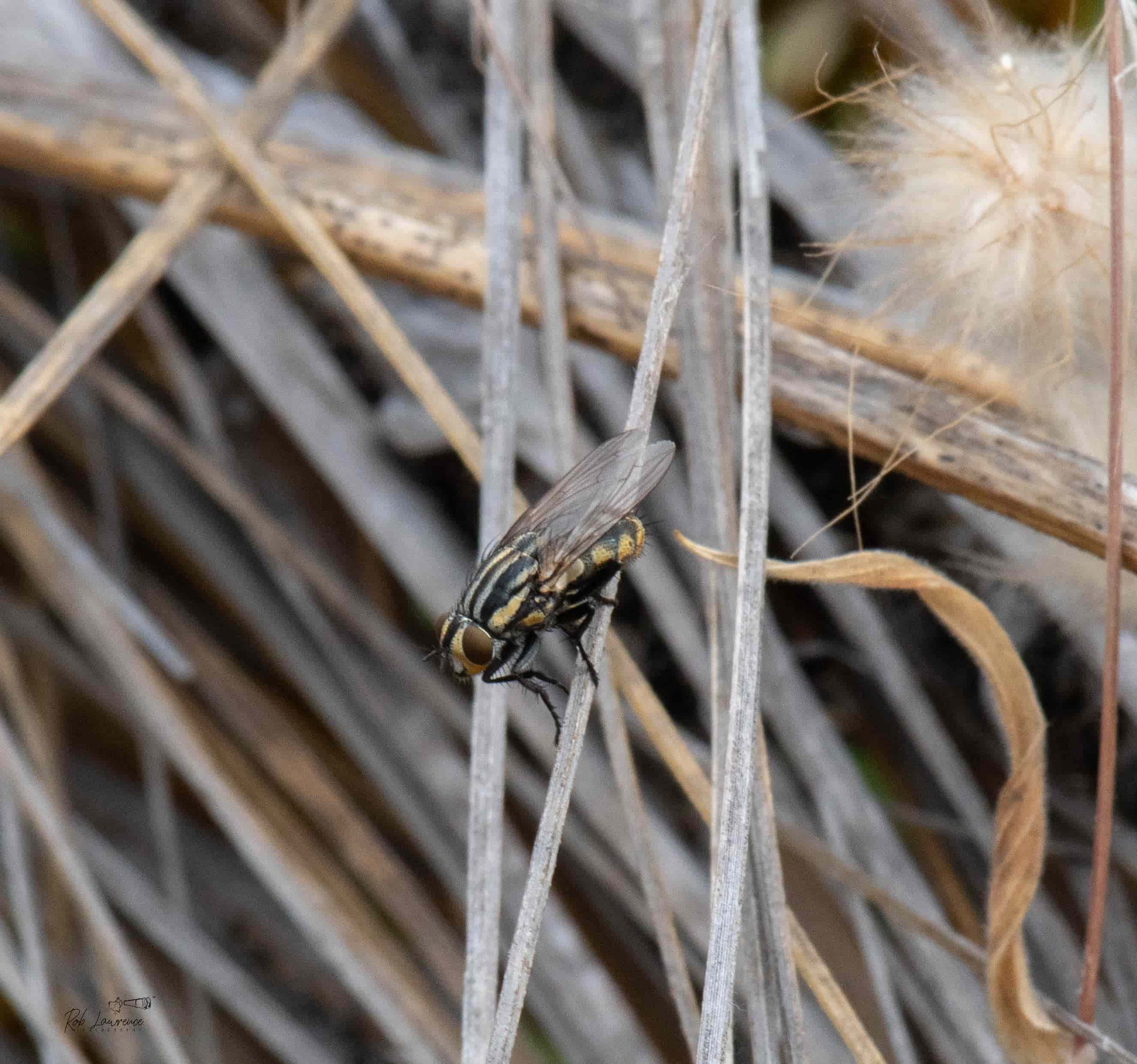
Threelined Hover Fly. (ngaro tara) Helophilus trilineatus Fast fliers quickly changing direction and even somersaults in mid air.
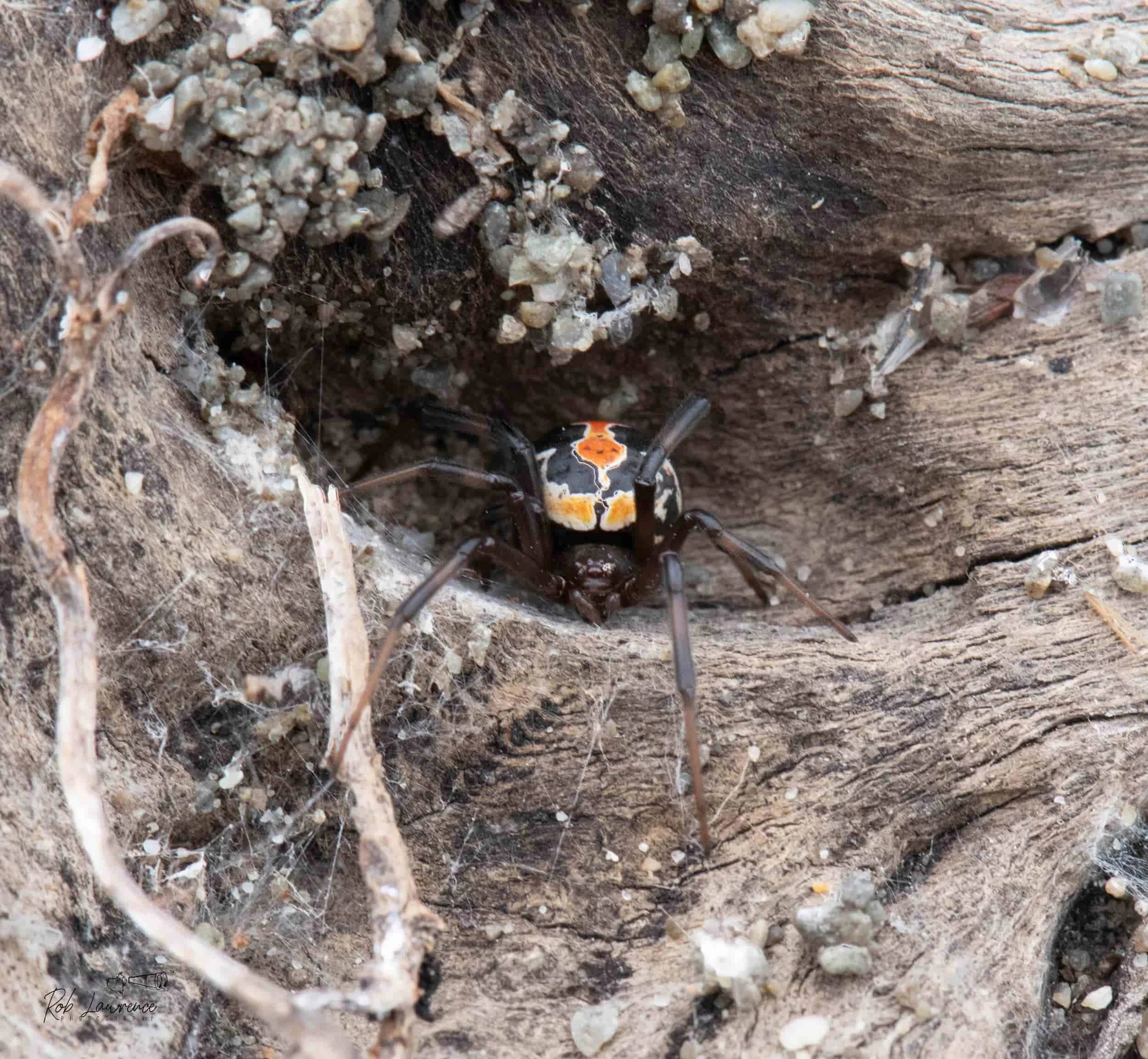
Kaitpo Spider Endemic Latrodecctus katipo The adult female pictured here has a dangerous poisonous bite. They are shy and tend to curl up when disturbed. Only two people have died ever died from the bite in over 100 years.
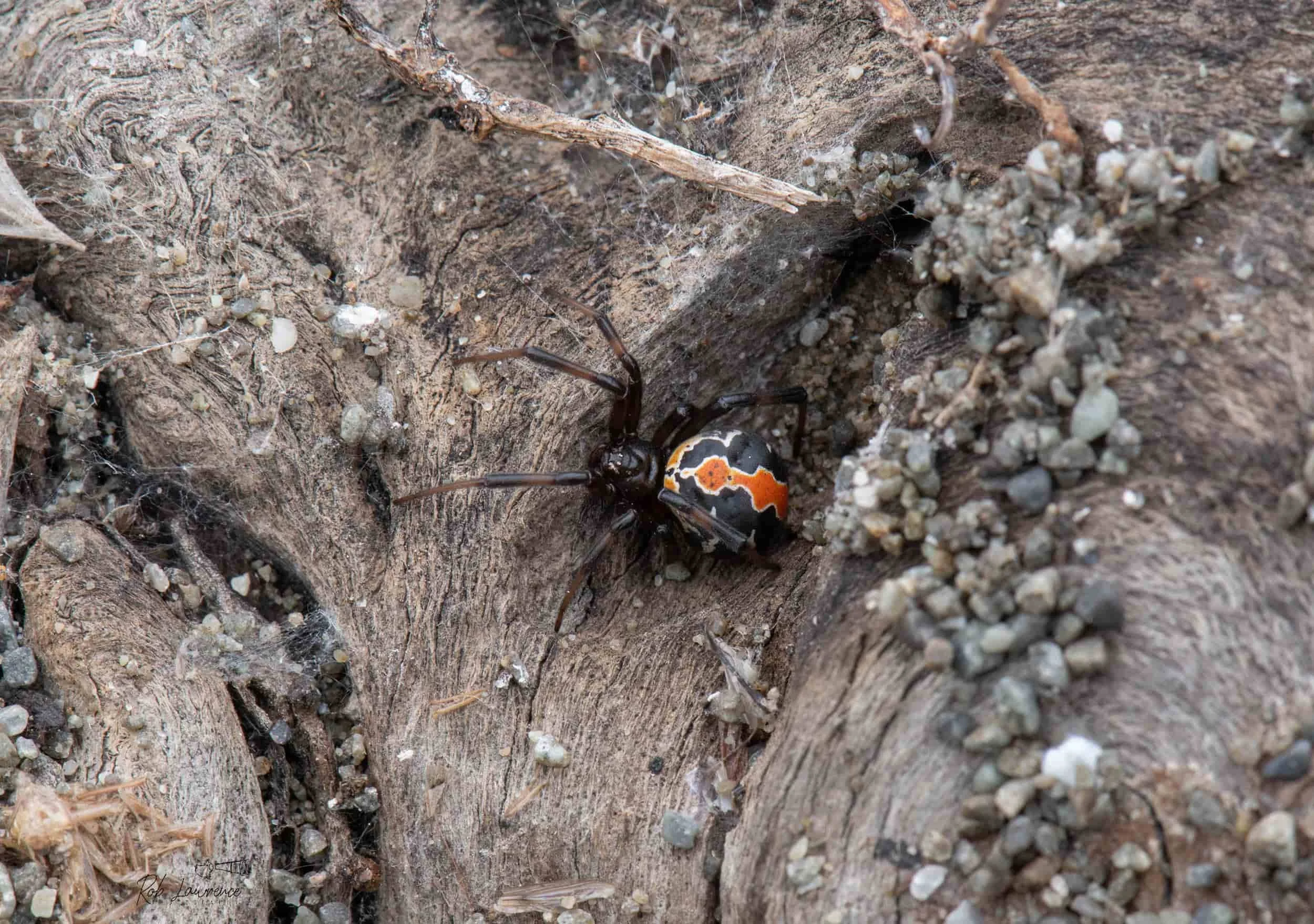
Kaitpo Spider Endemic Latrodecctus katipo Found in the dune grass above the high tide make under bark sticks etc
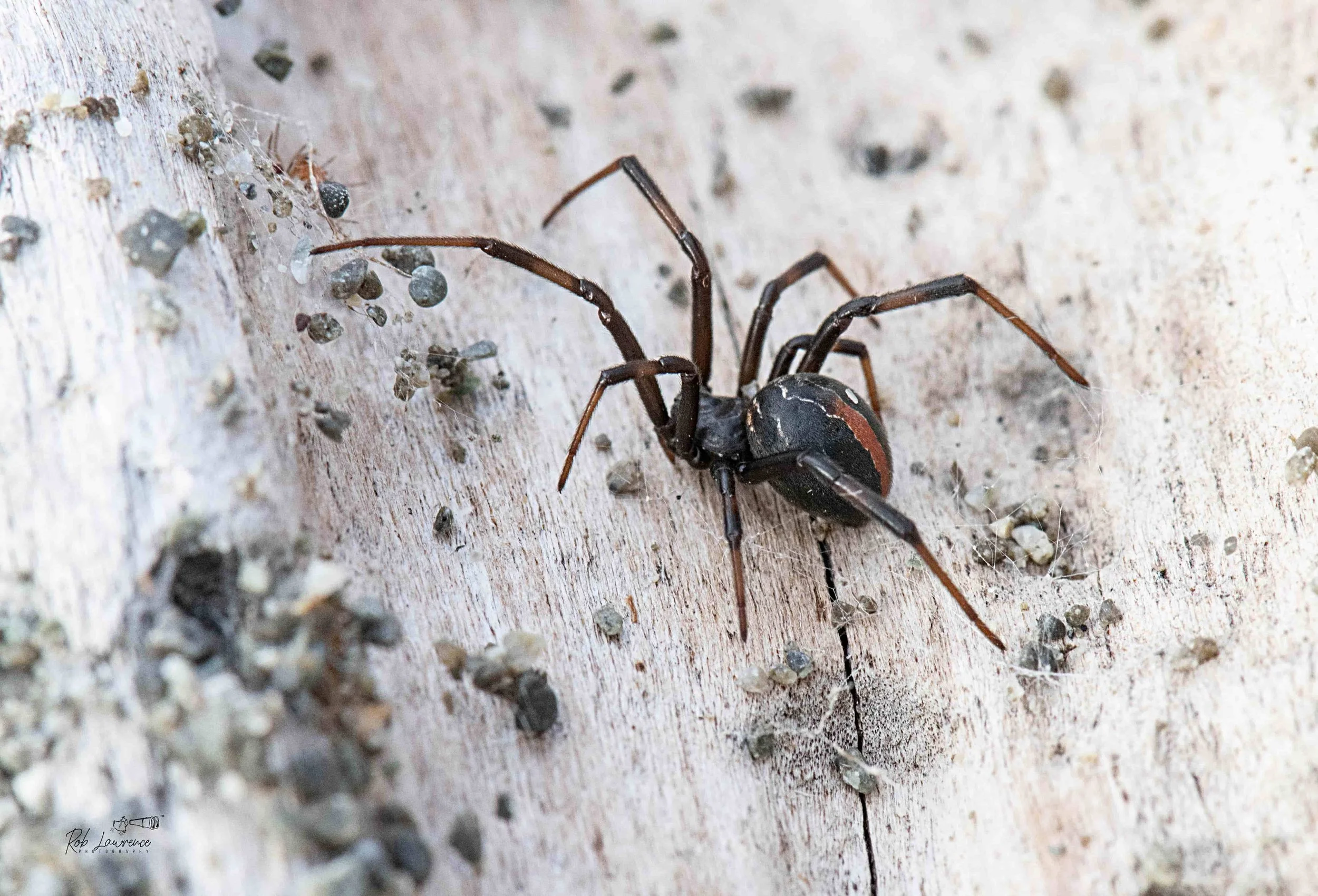
Kaitpo Spider Endemic Latrodecctus katipo Protected and under threat due to habitat destruction. Males are black and white striped with a yellow stripe and smaller in size. They are not poisonous.
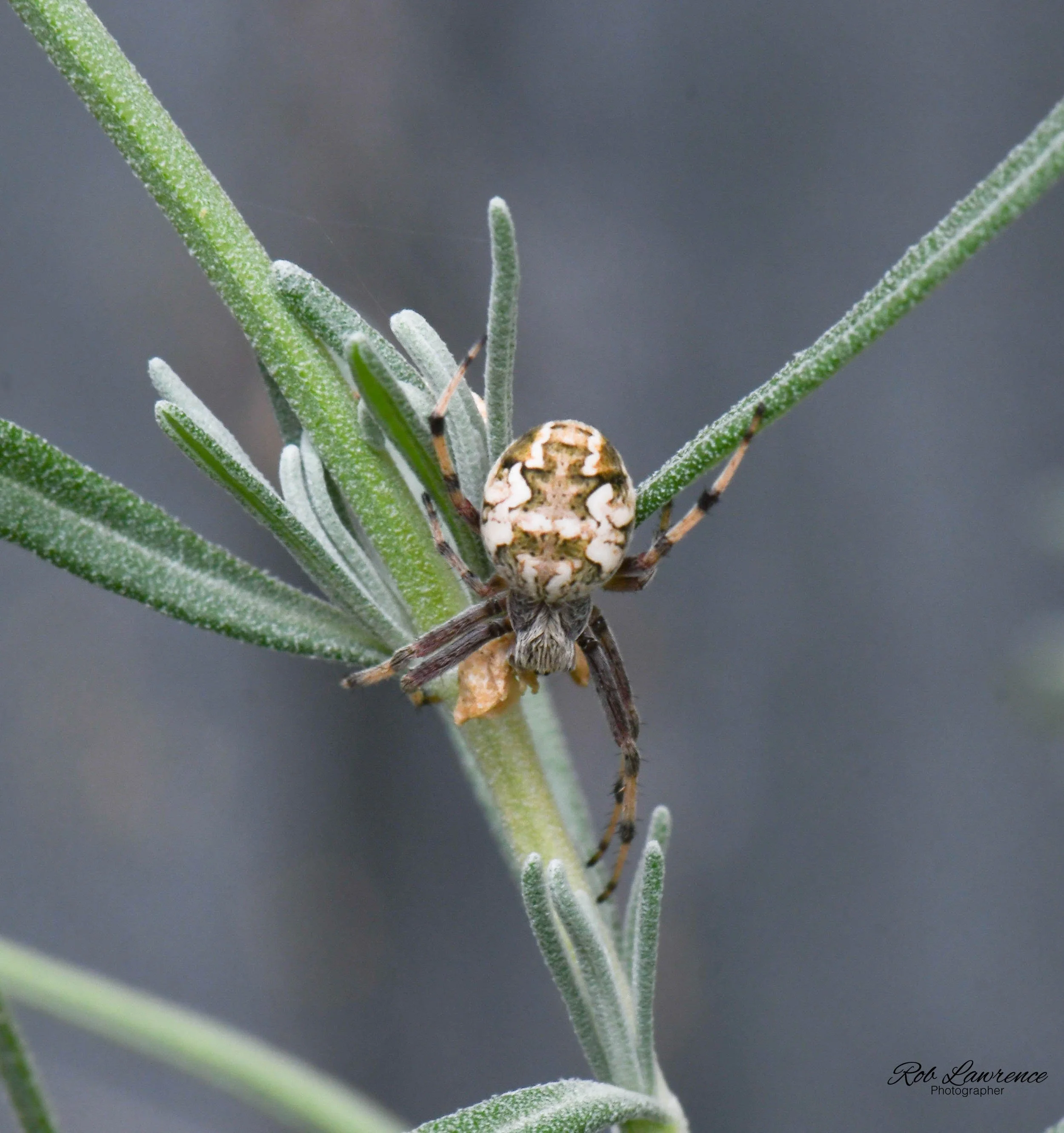
Flower Spider. Endemic Diaea ambara A crab Spider group by the way they move very crab like. It is a non web builder hunting from ambush often hidden in flower pedals.
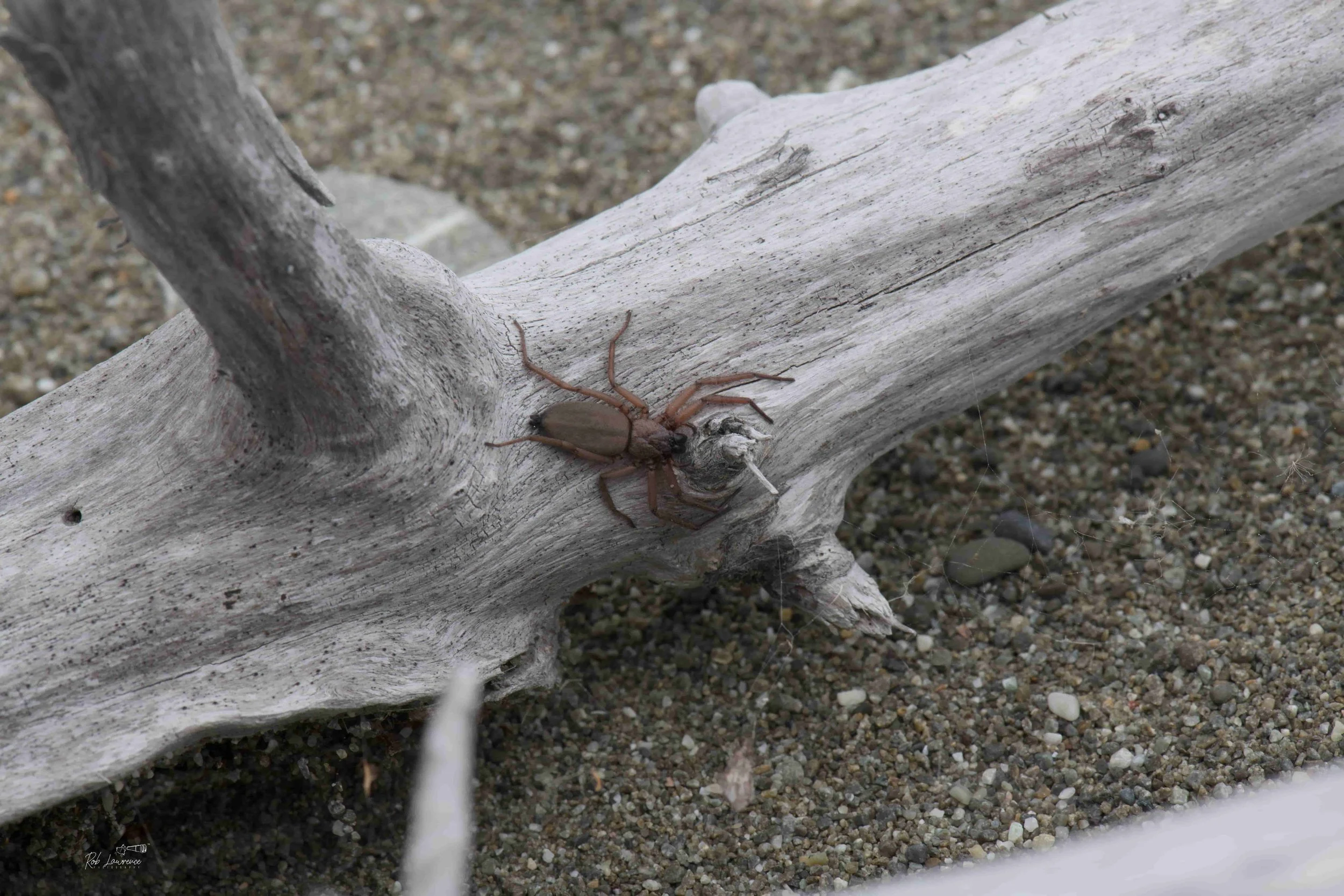
Flatten Bark Spider Hemicloea rogenhoferi Australia origin first found in 1885
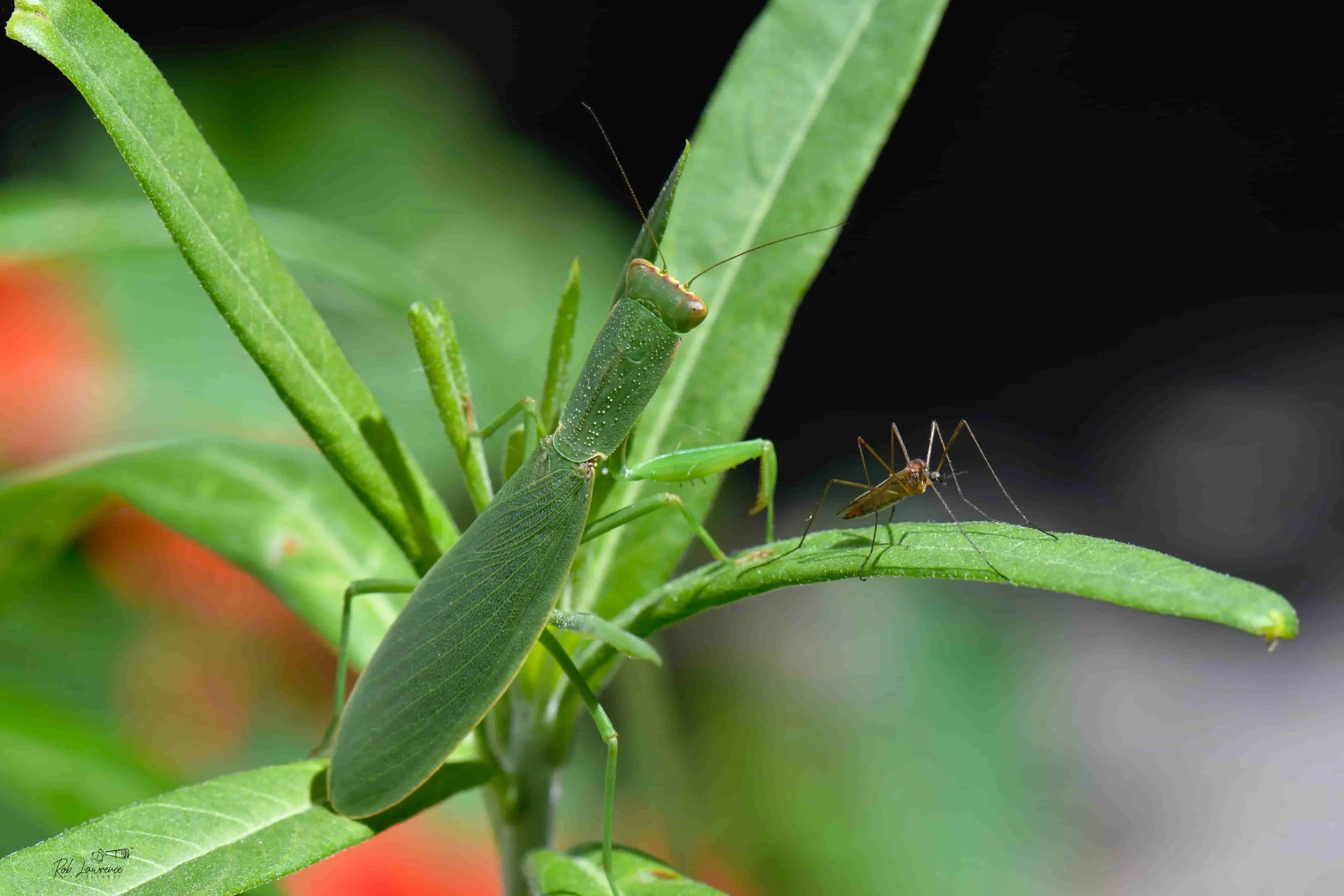
New Zealand Praying Mantis Endemic Orthodera novaaezealandiae About to grab a House Crane fly . The strike can be very quick and hard to follow . Full adult Mantis display little fear and when found can be observed feeding or cleaning
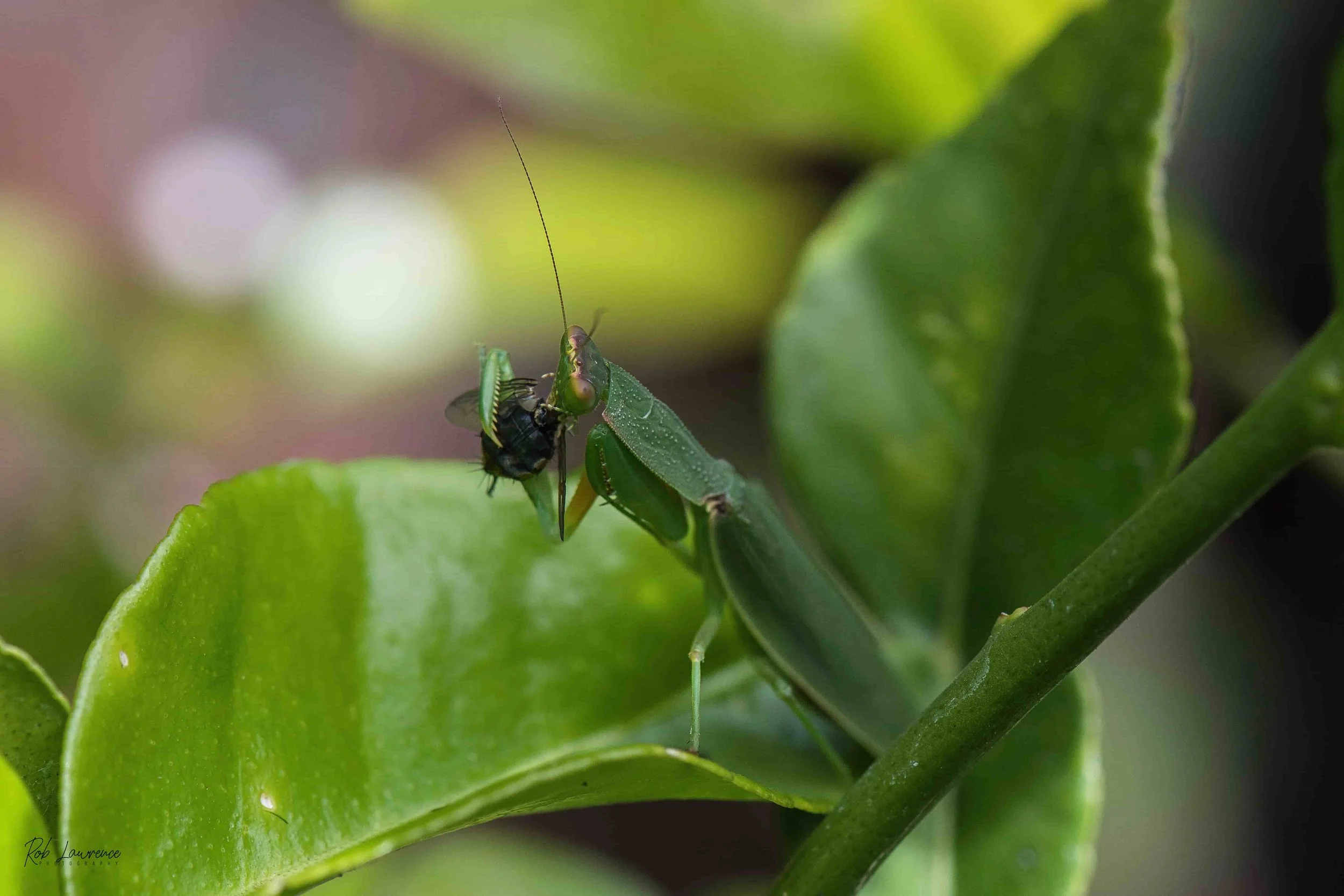
Mantis munching on a fly
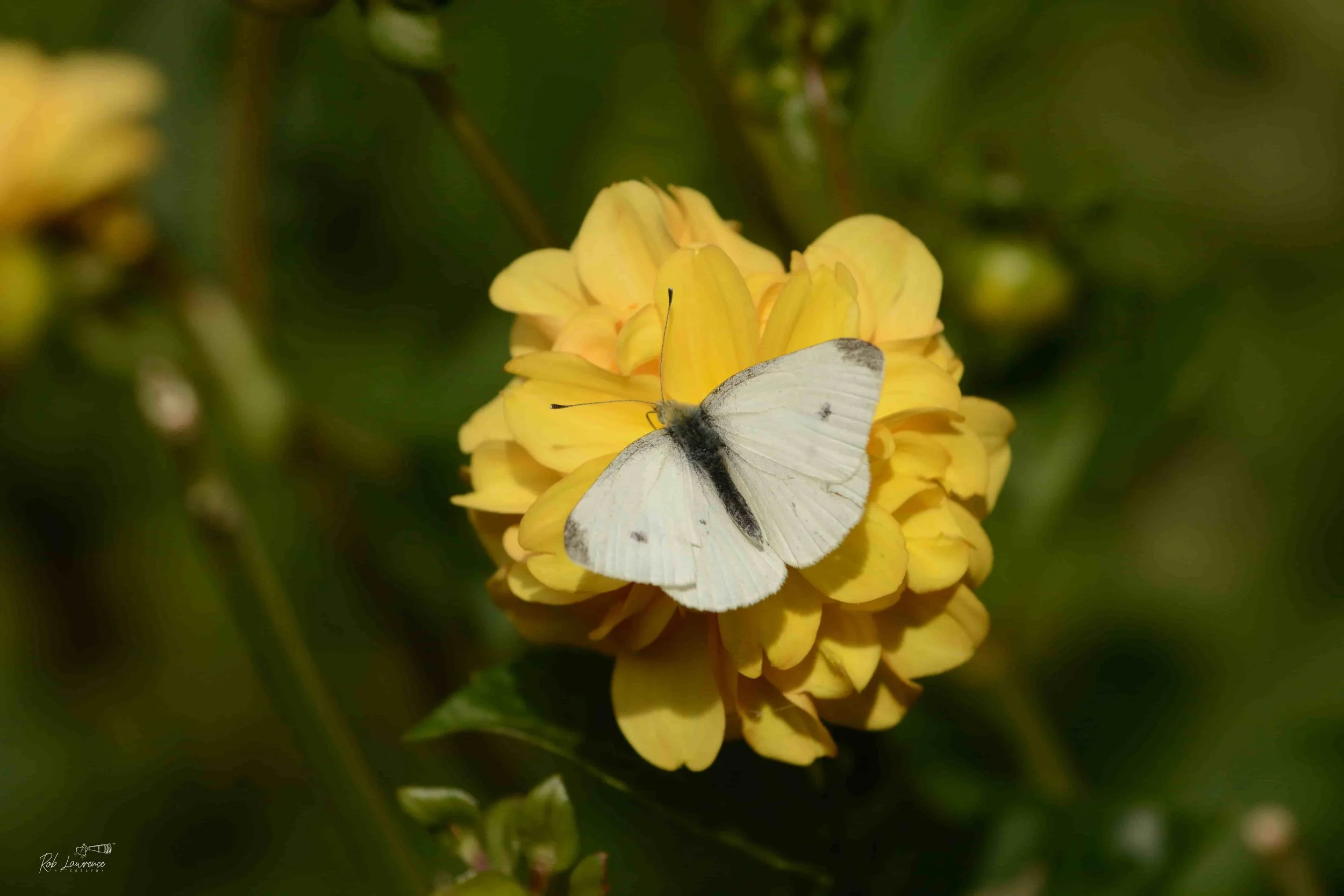
White Butterfly Pieris rapade Introduced about 1930 the caterpillar stage is bane of gardeners with cabbage and cauliflower growing .
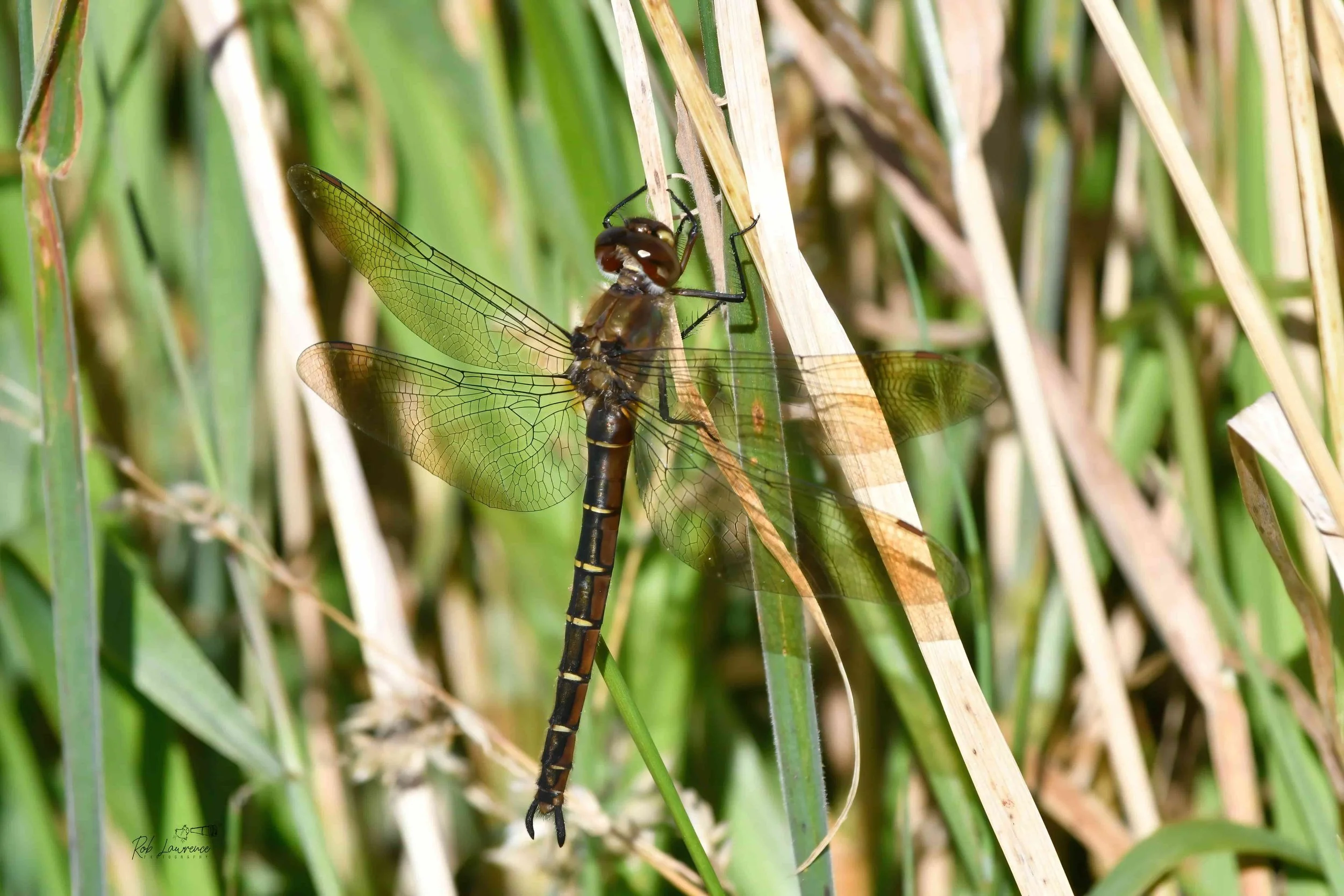
Bush Giant Dragonfly (kapokapowai) Endemic New Zealand's Largest dragonfly The Maori name means "water snatcher"
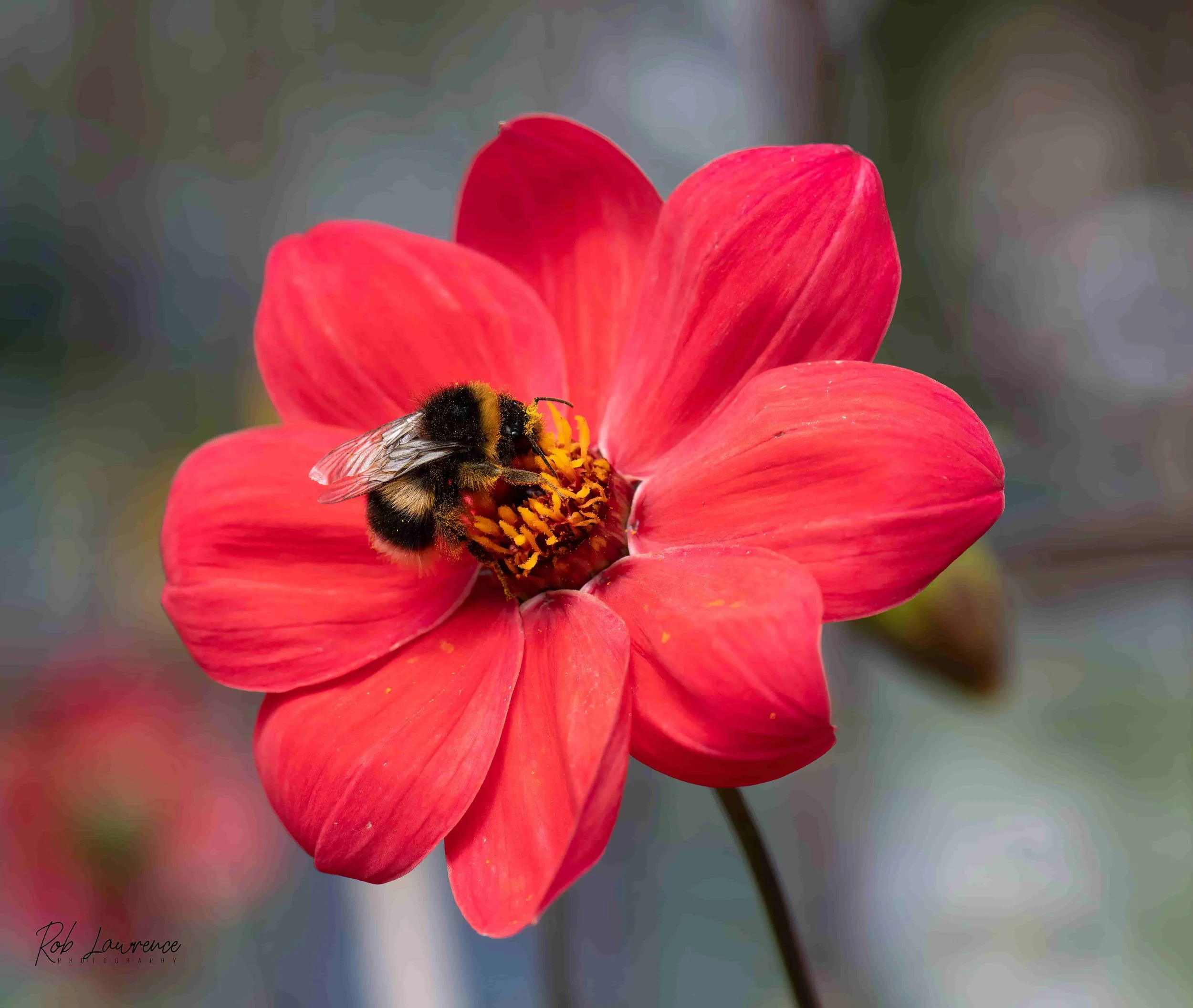
Bumble Bee (Pī Rorohu) Bombus species There are four species of bumblebee found in New Zealand, all of which were introduced during the 19th century to improve the pollination of crops such as clover. 1. Bombus terrestris Our most common bumblebee, occurring throughout New Zealand. It has a short tongue and is widely used for the commercial pollination of glasshouse tomatoes and other crops. 2. Bombus ruderatus Found over most of the country, although it is generally absent during winter. This species has a very long tongue, making it an effective pollinator of deep, tubular flowers. 3. Bombus hortorum Occurs throughout much of New Zealand but is absent from Westland and north of Hamilton. All castes have a similar colour pattern, and the species is distinguished by its exceptionally long tongue. 4. Bombus subterraneus New Zealand's rarest bumblebee, now largely confined to inland areas of the central and southern South Island. It also has a long tongue and is rarely encountered.
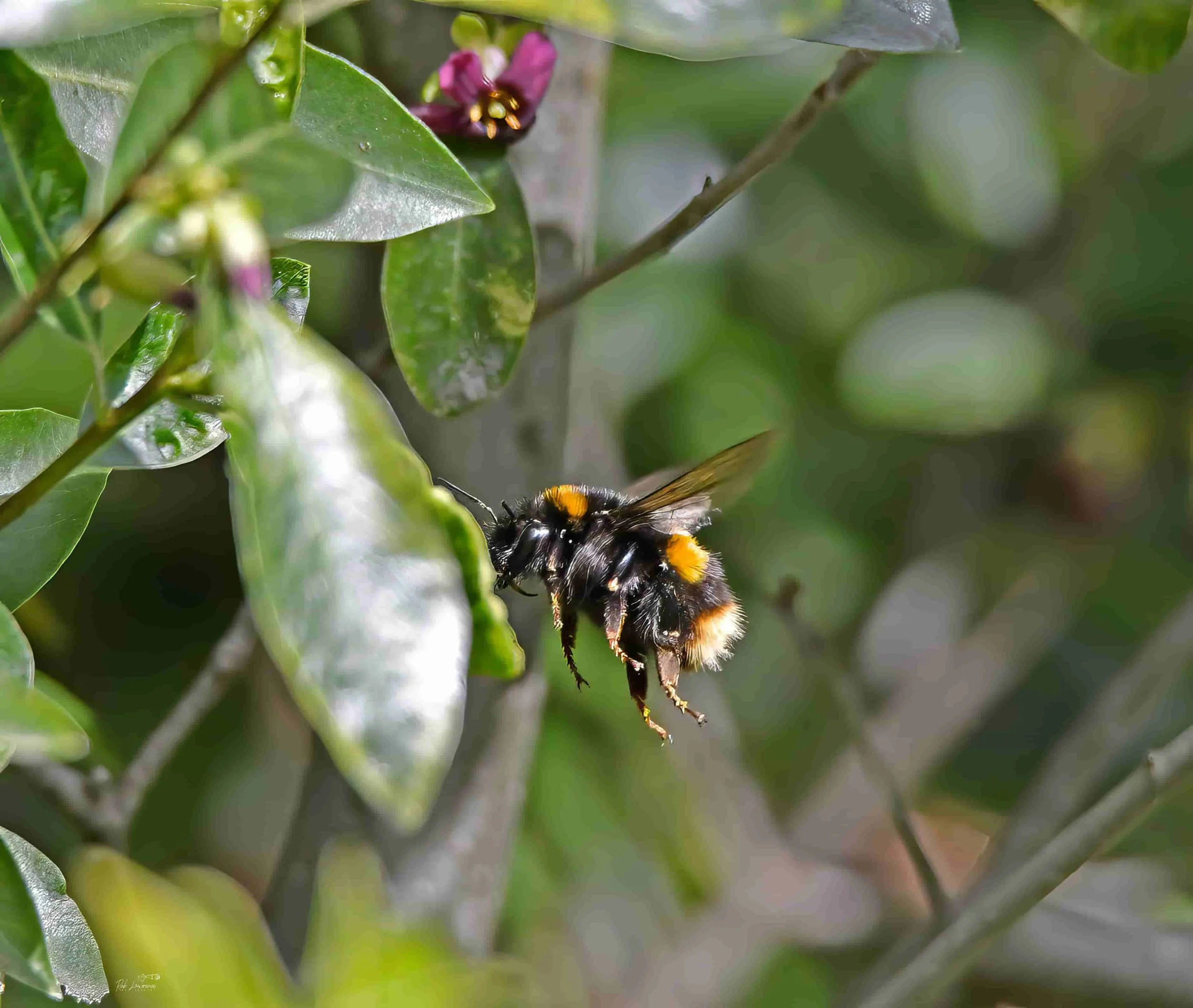
Bumble Bee. (pi rorohu) Bombus terrestris Introduced from England in 1885 to pollinate red clover crops, bumblebees have become among New Zealand's most valuable insect pollinators. They play a vital role in both agriculture and the reproduction of many native and introduced flowering plants. Their ability to fly in cool, cloudy conditions enables them to pollinate flowers when many other insects remain inactive, making them an important contributor to healthy ecosystems and productive farms.
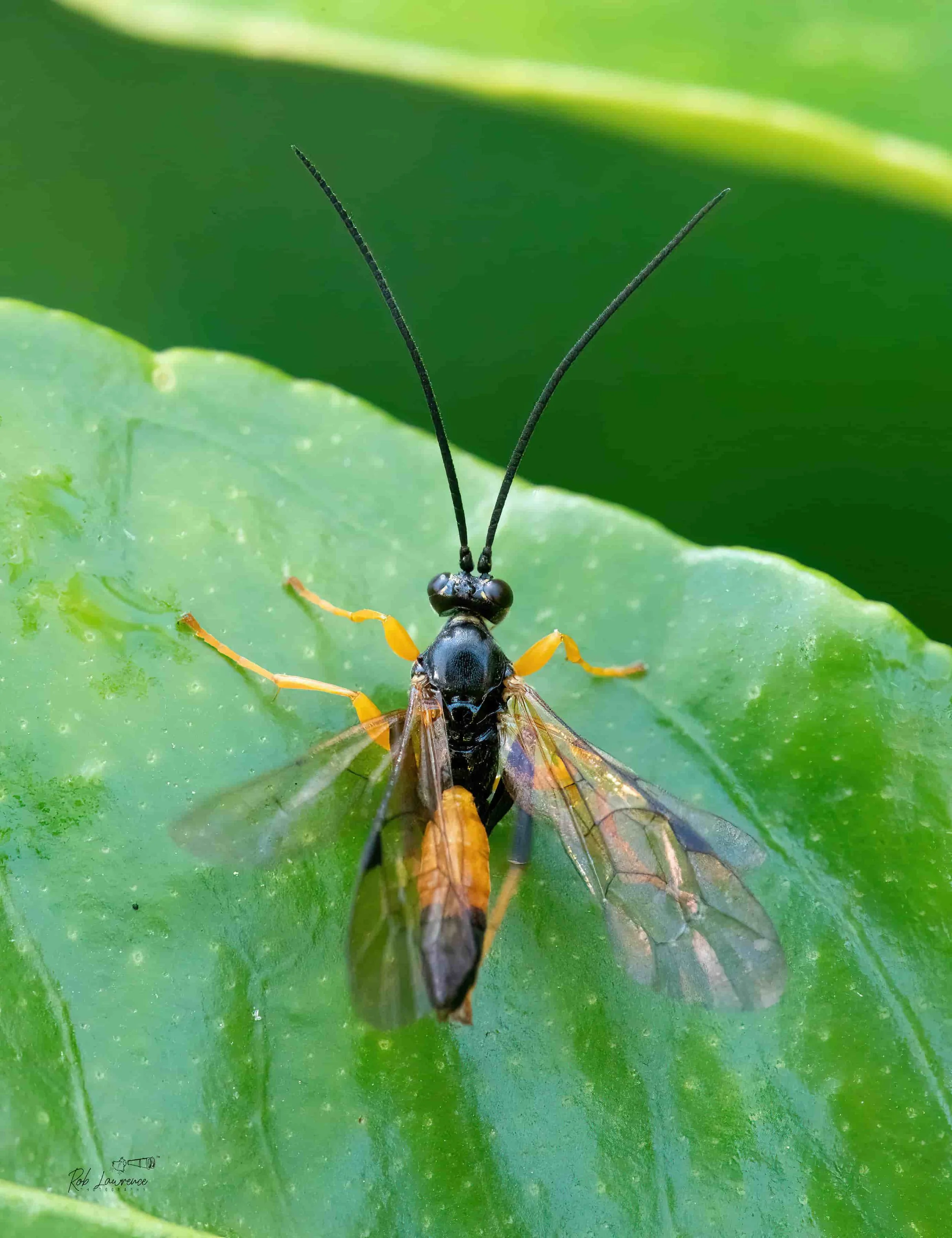
Armyworm Parasite Wasp Ichneumon promissorius The female wasp digs into the topsoil in search of armyworm chrysalises, where she lays her eggs. The developing larvae feed on the host, naturally controlling armyworm populations. This beneficial native wasp is an important biological control agent, helping to reduce pest numbers in pasture and arable crops without the need for chemical pesticides.
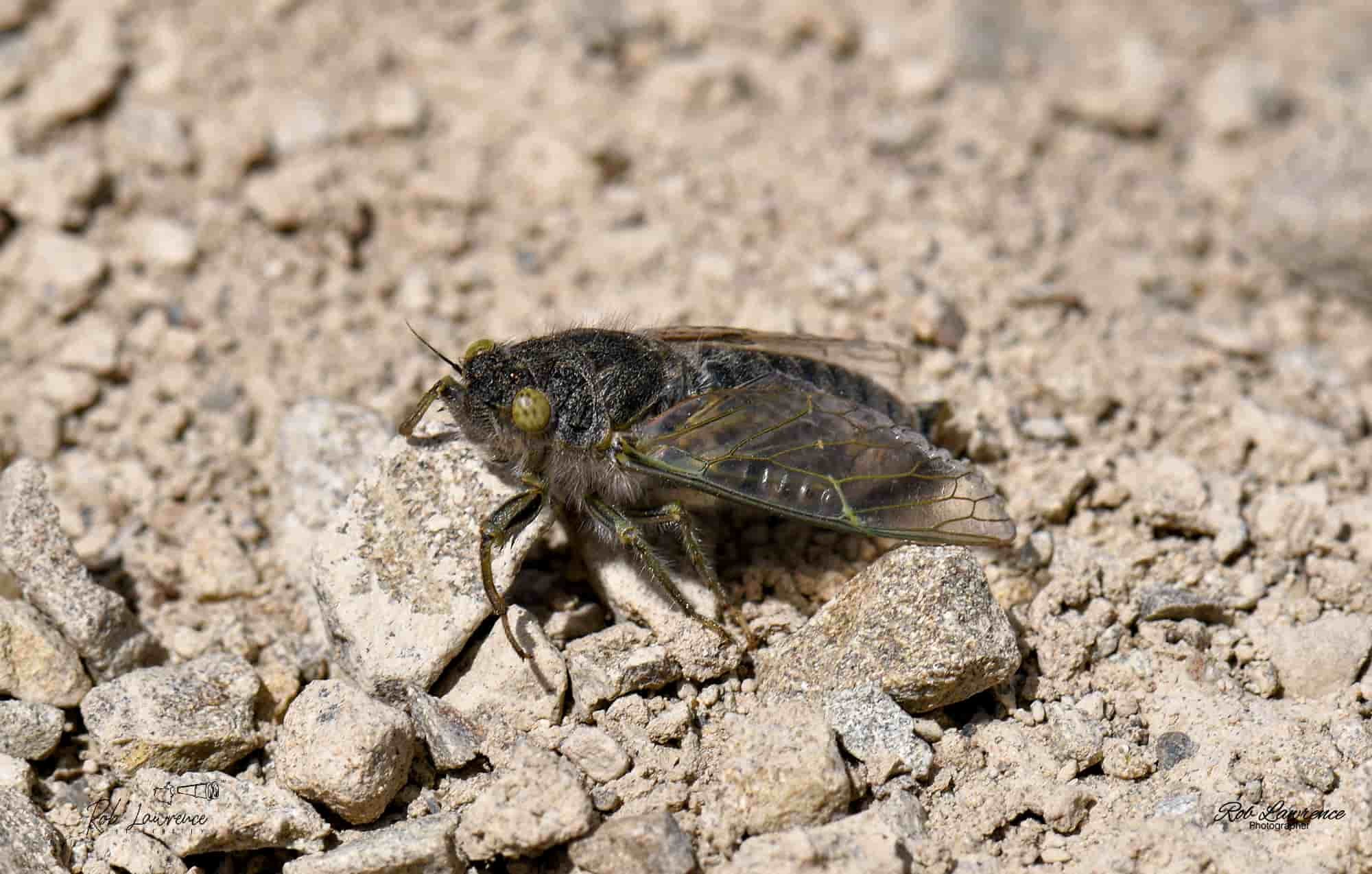
Chorus Cicada. (Kihikihi wawa) Amphipsalta zealandica Chorus Cicada (Kihikihi Wāwā) Amphipsalta zealandica New Zealand's largest and most widespread cicada, the Chorus Cicada begins its distinctive chorus shortly after Christmas. Māori recognised this seasonal event as marking the beginning of Wāwā, the eighth month of the traditional Māori calendar. The name Wāwā refers to the loud, continuous chorus of the cicadas, sounding like the roar of heavy rain. If you are near a large concentration of Cicada the sound can be significant. Not all cicadas survive to adulthood. Some are infected underground by the fungus Ophiocordyceps robertsii, which kills the developing insect before it emerges. A fungal stalk then grows from the body, creating the remarkable Vegetable Cicada, one of New Zealand's most unusual natural curiosities.
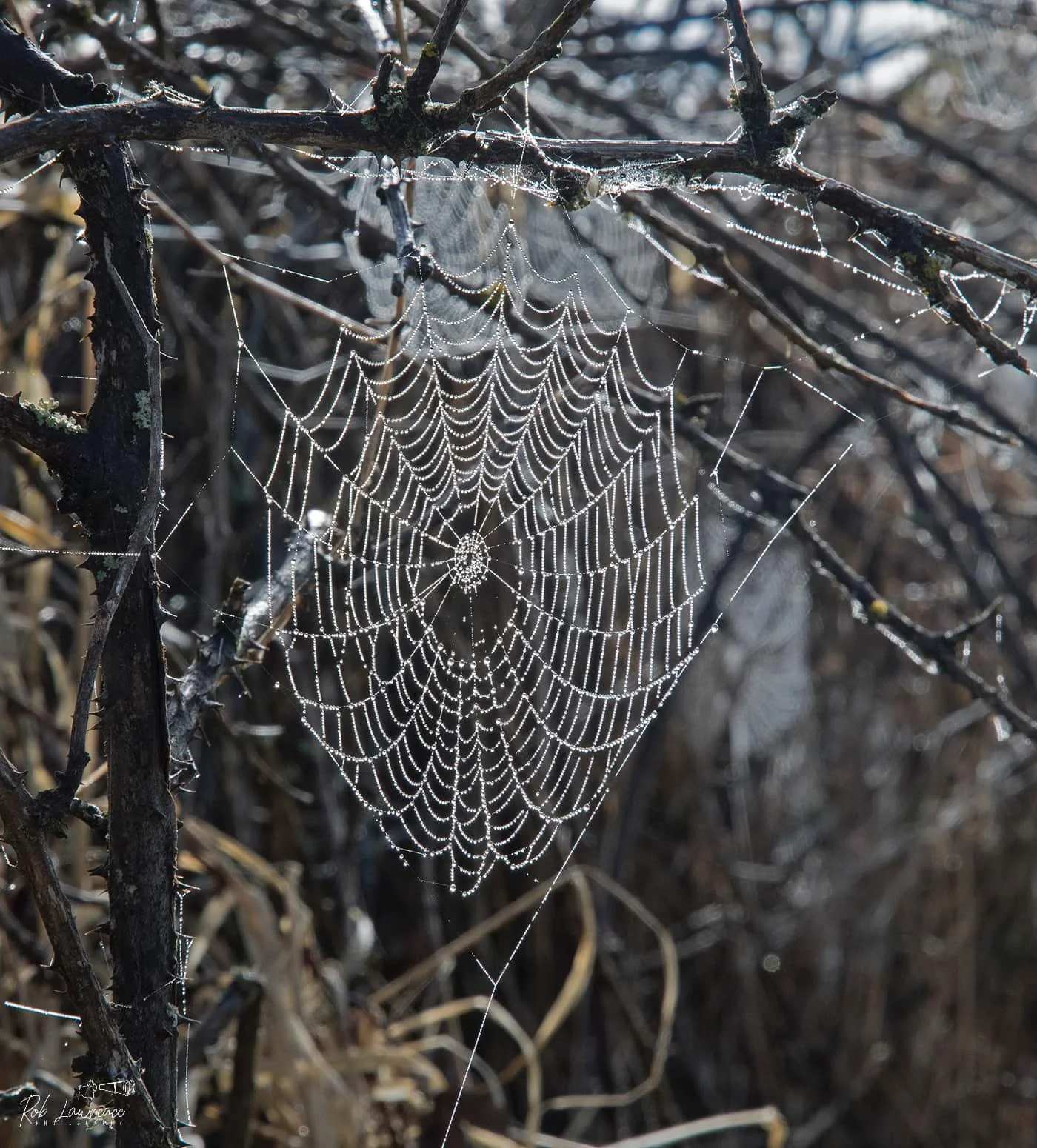
Orb Spider web
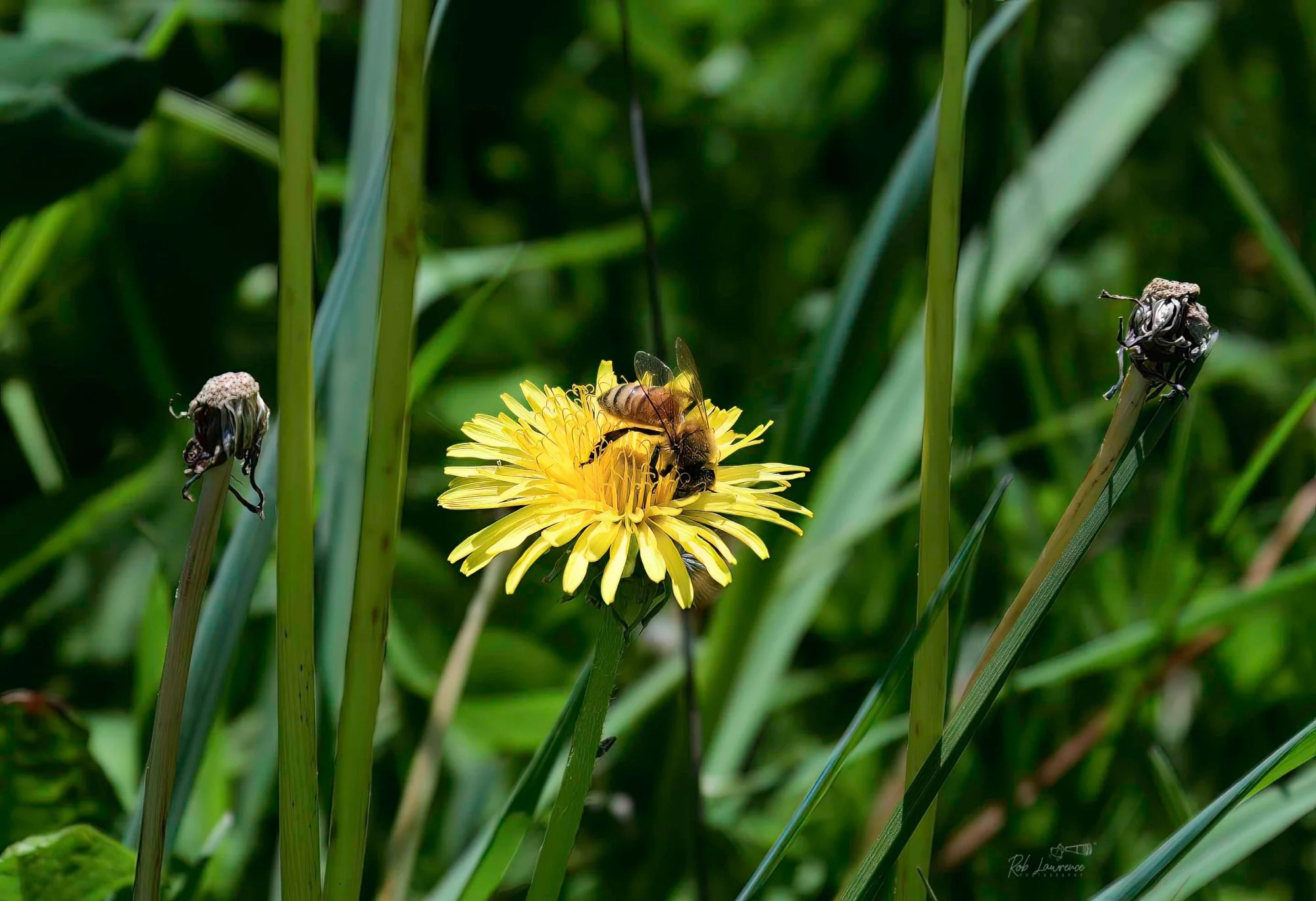
Honey Bee Heads first in Dandelion
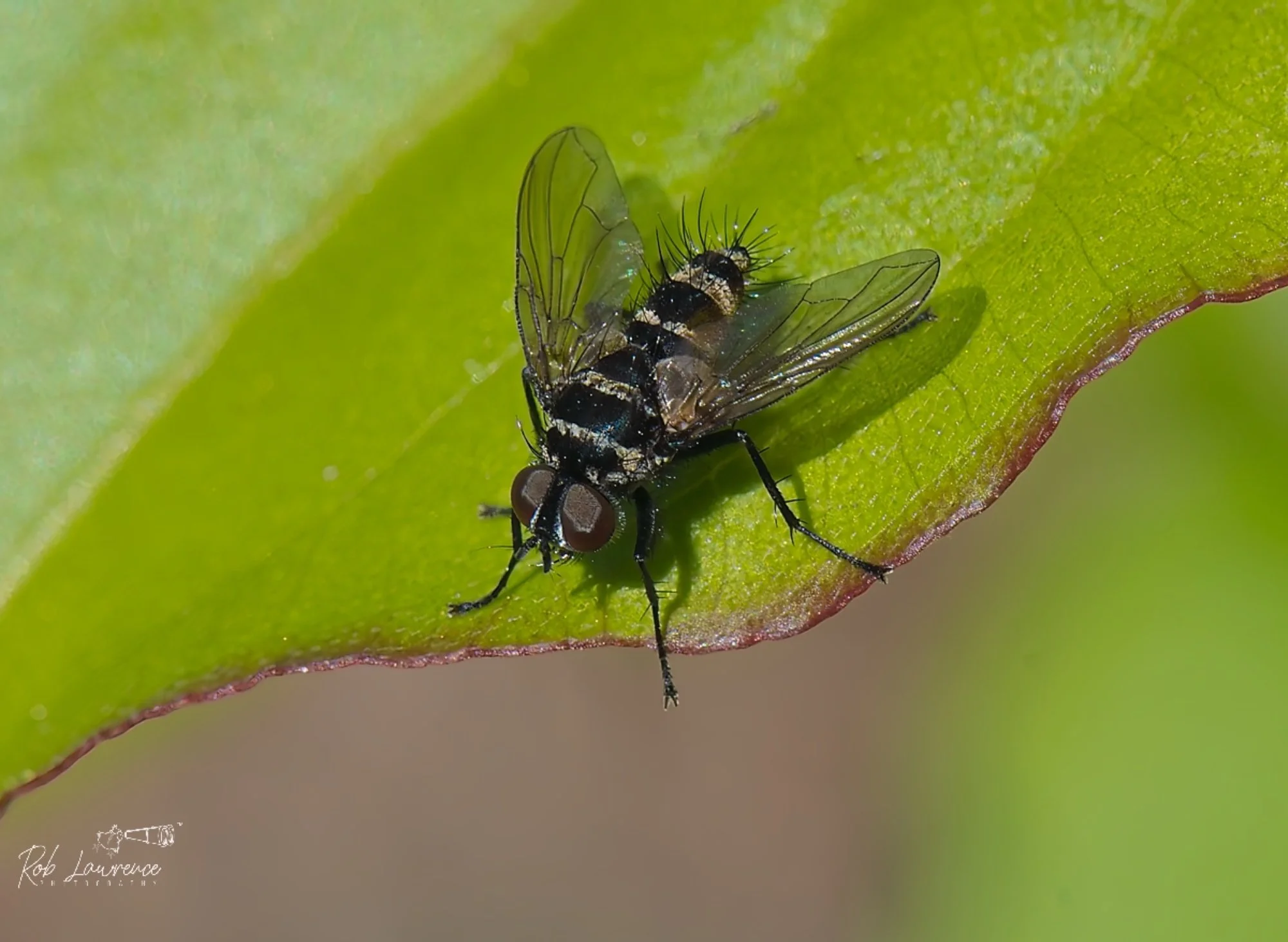
Bush Gad Fly Sceptic adel Oversea relations are major biters of animals fortunately the NZ species doe not bite
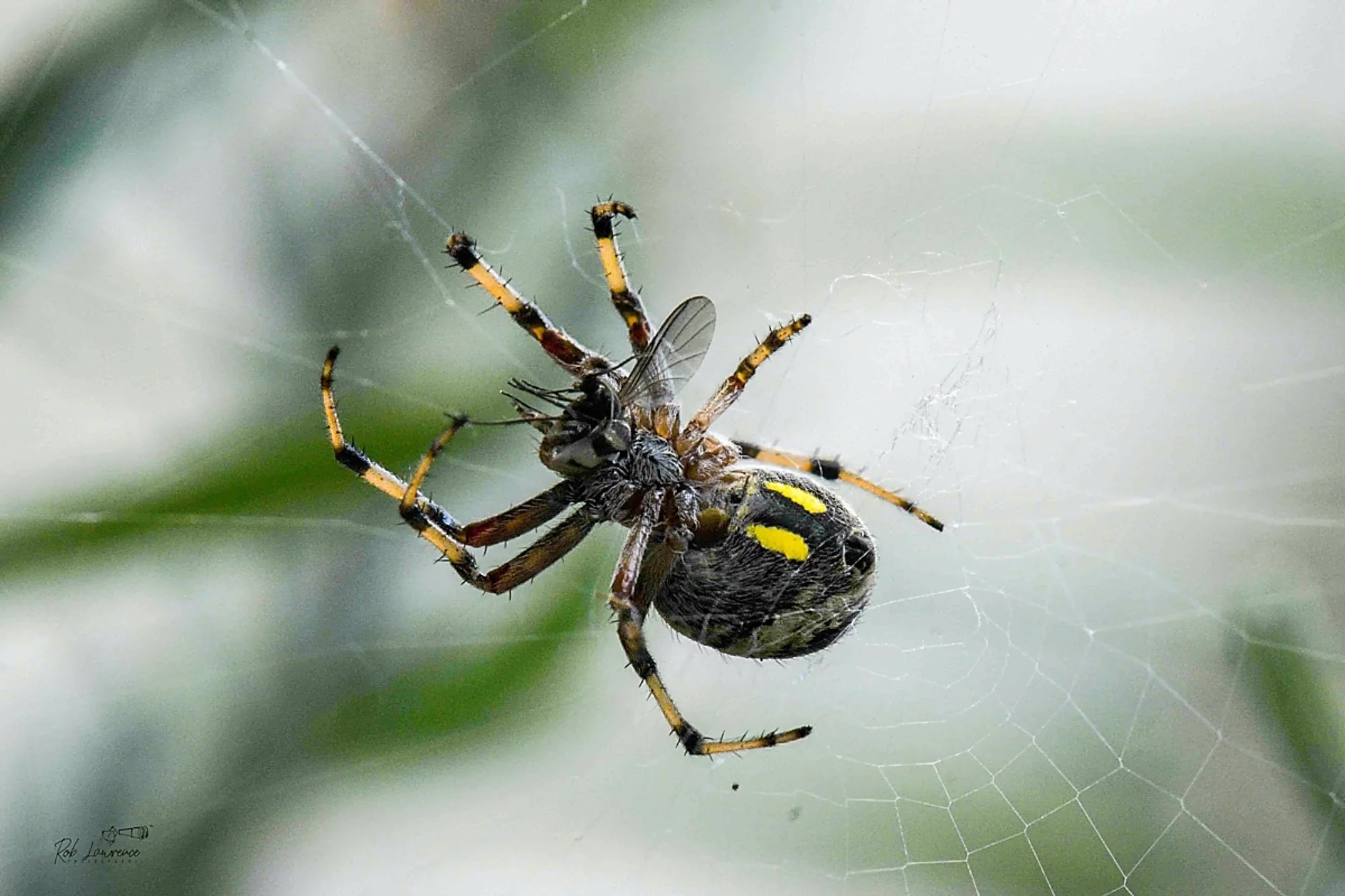
Garden Orb spider with fly Eriophora puuatulosa the most common spider in Nz Migrated fro. Australia. Nocturnal in activities.
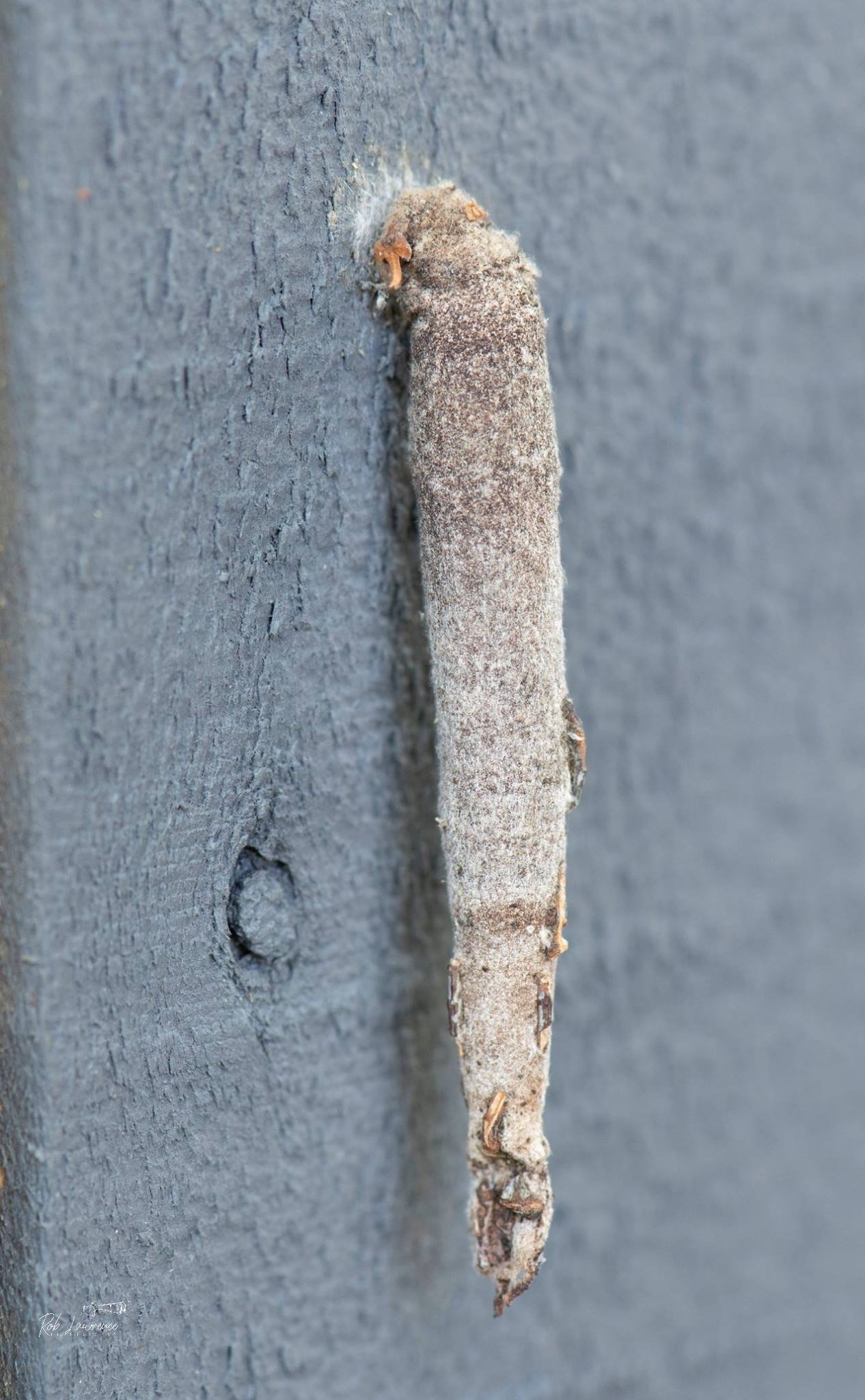
Common Bag Moth Liothula spices Interesting species the caterpillar spend the whole life in little cases.
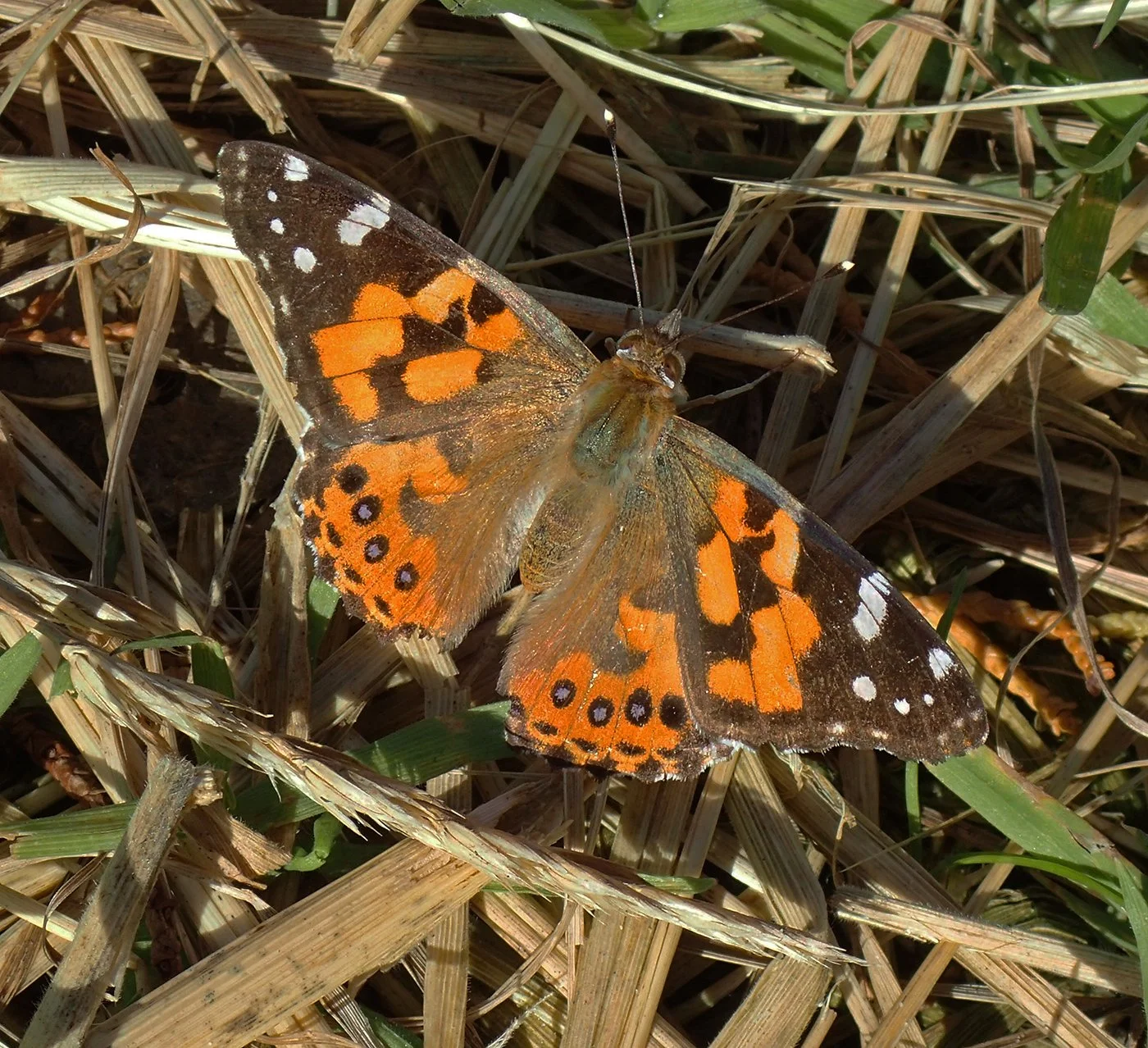
Australian Painted Lady (Perepere Para Hua) Vanessa kershawi The Australian Painted Lady is a self-introduced butterfly that regularly arrives in New Zealand from Australia. It is closely related to the cosmopolitan Painted Lady (Vanessa cardui), one of the world's most widespread butterfly species, found on every continent except Antarctica. Its caterpillars feed on more than 300 species of host plants, a remarkable adaptability that has enabled these butterflies to thrive in a wide range of environments. Historical records indicate that the Australian Painted Lady was collected in New Zealand during Captain James Cook's first voyage in 1769, making it one of the earliest butterfly species recorded in the country.
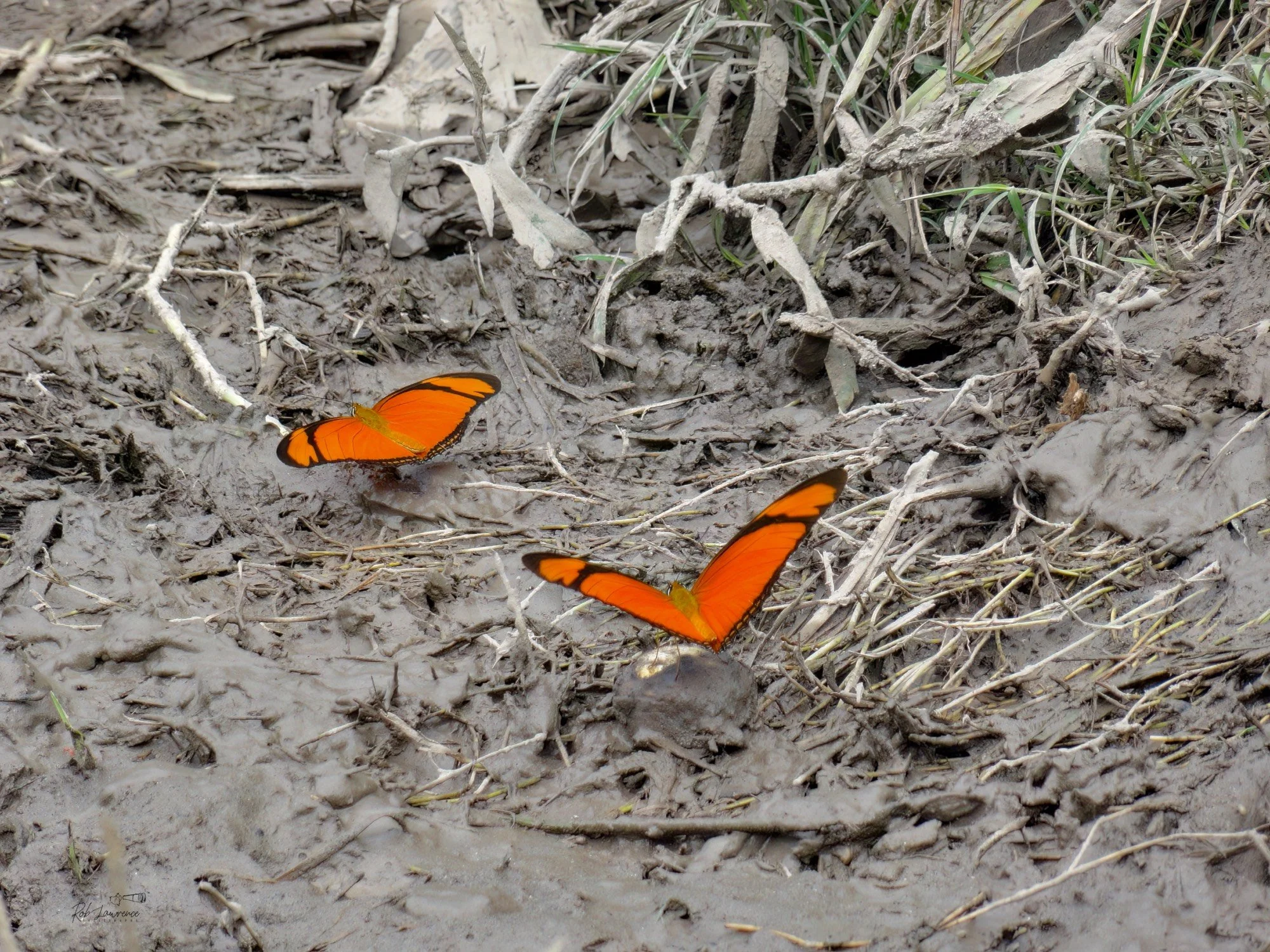
Julia butterfly. Dryas iulia Amazon and Napa confluence in Peru As adults, males and females feed differently based on their reproductive needs. Males engage in mud-puddling behavior in order to gain valuable minerals for their spermatophores. They have also been seen to agitate the eyes of caimans and turtles in order to produce tears that the butterflies can drink.[
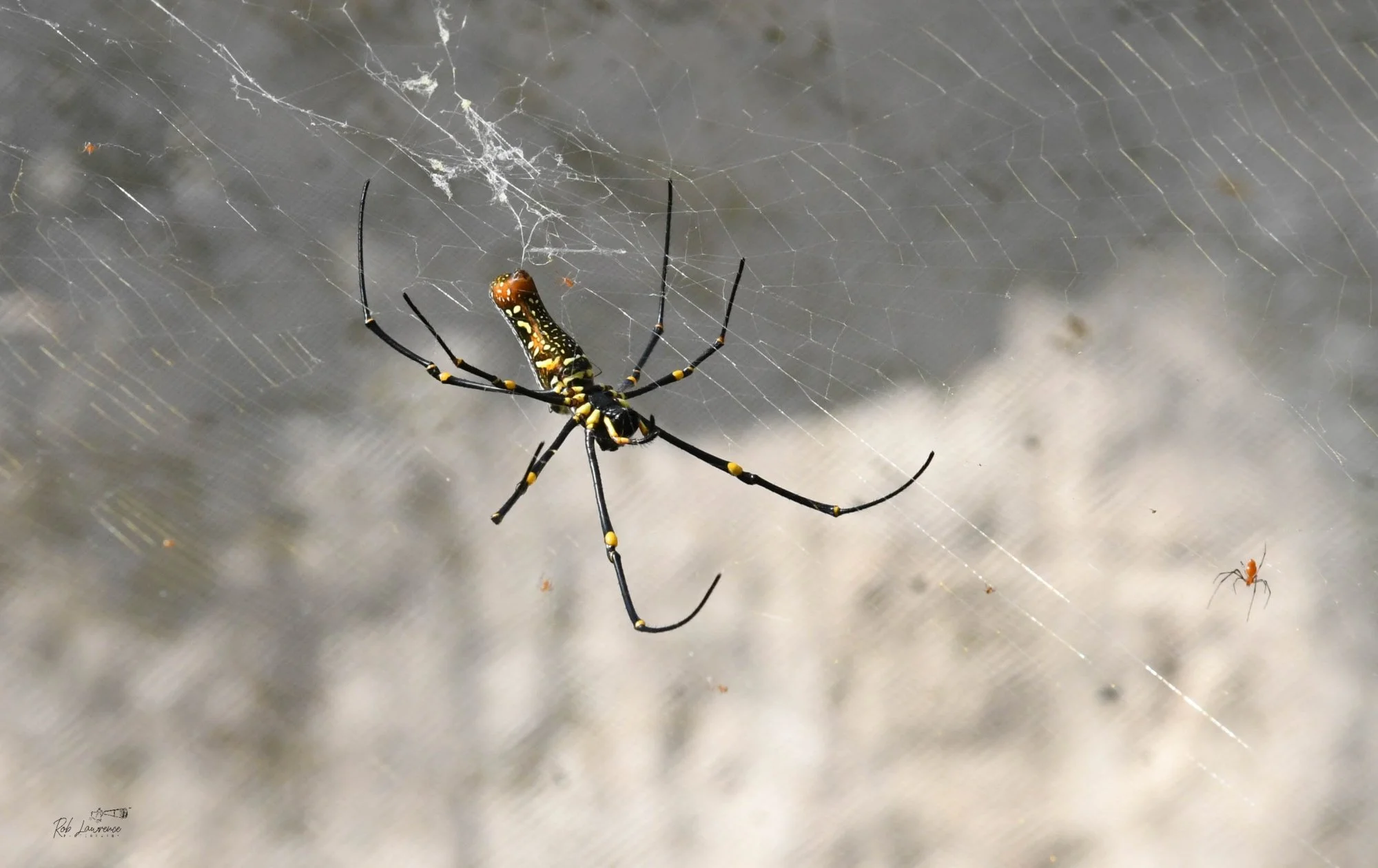
Golden Old Spider Ventral side Nephila exults Australian origins. They can sail on the wind when young by putting out a strand of thread so the wind will catch it. Human consume the larger females roasted in tropical countries
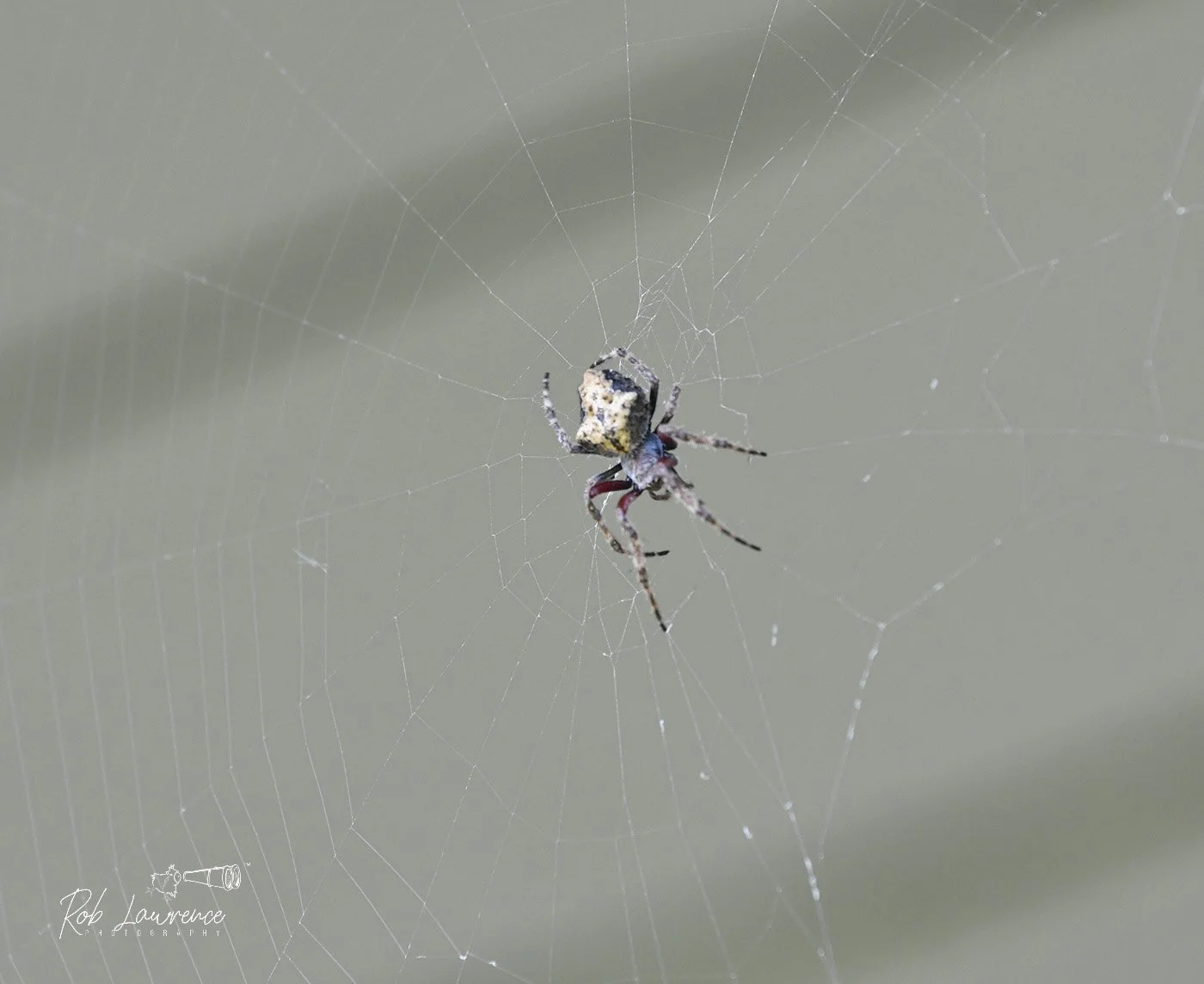
Garden Orb spider Eriophora pustulosa Self introduced from Australia by "flying" across the Tasman Sea. A hardy species and has been found on the Subantarctic Islands
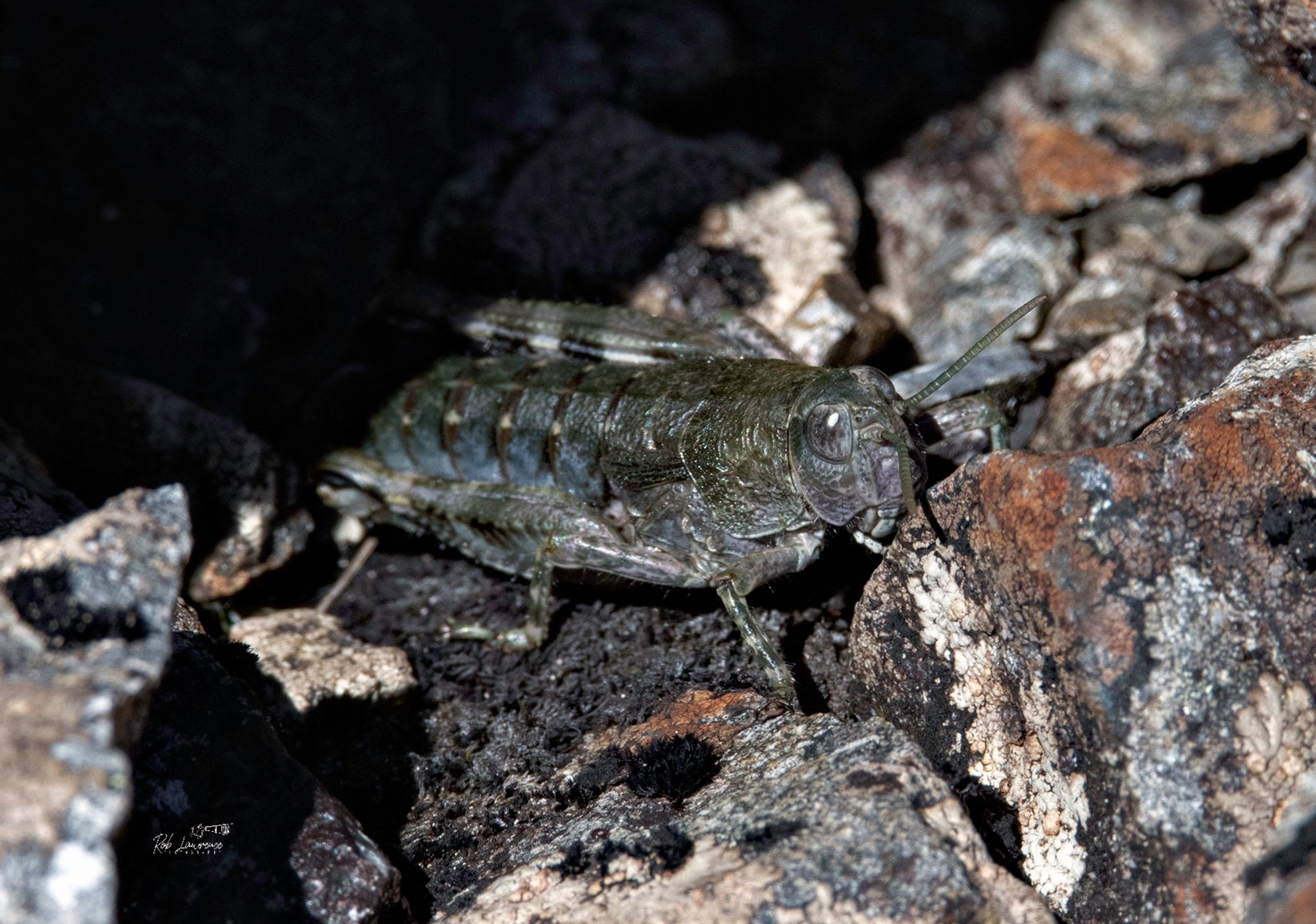
Notched Grasshopper endemic Sigaus campestris South Island grass lands
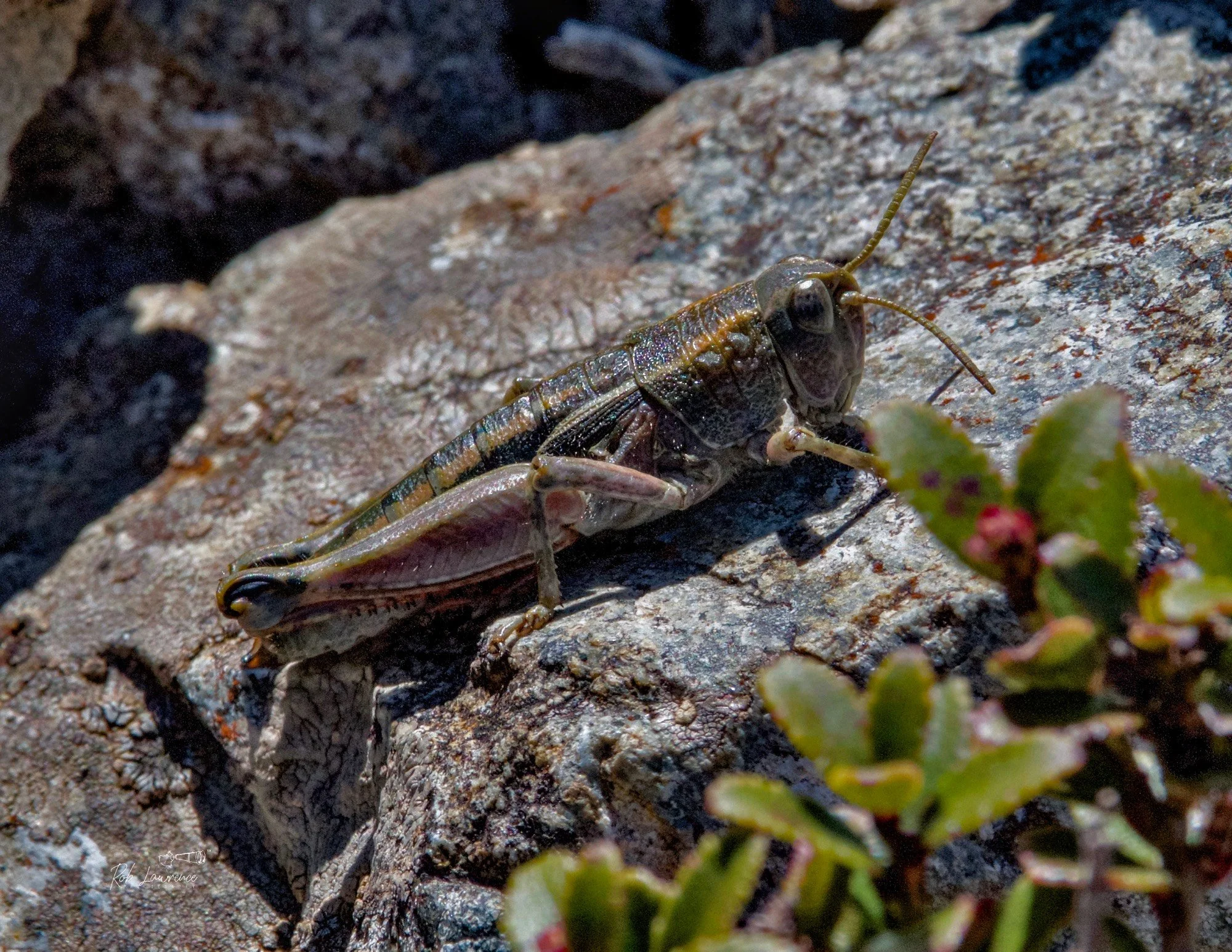
Southern Tussock Grasshopper endemic Paprides nitidus These are short horned grasshoppers named after short antennae .Flightless they are very good jumpers Very common around South island ski fields